
Mahjong Classes for Beginners in Sacramento
Last updated: Nov 23, 2026
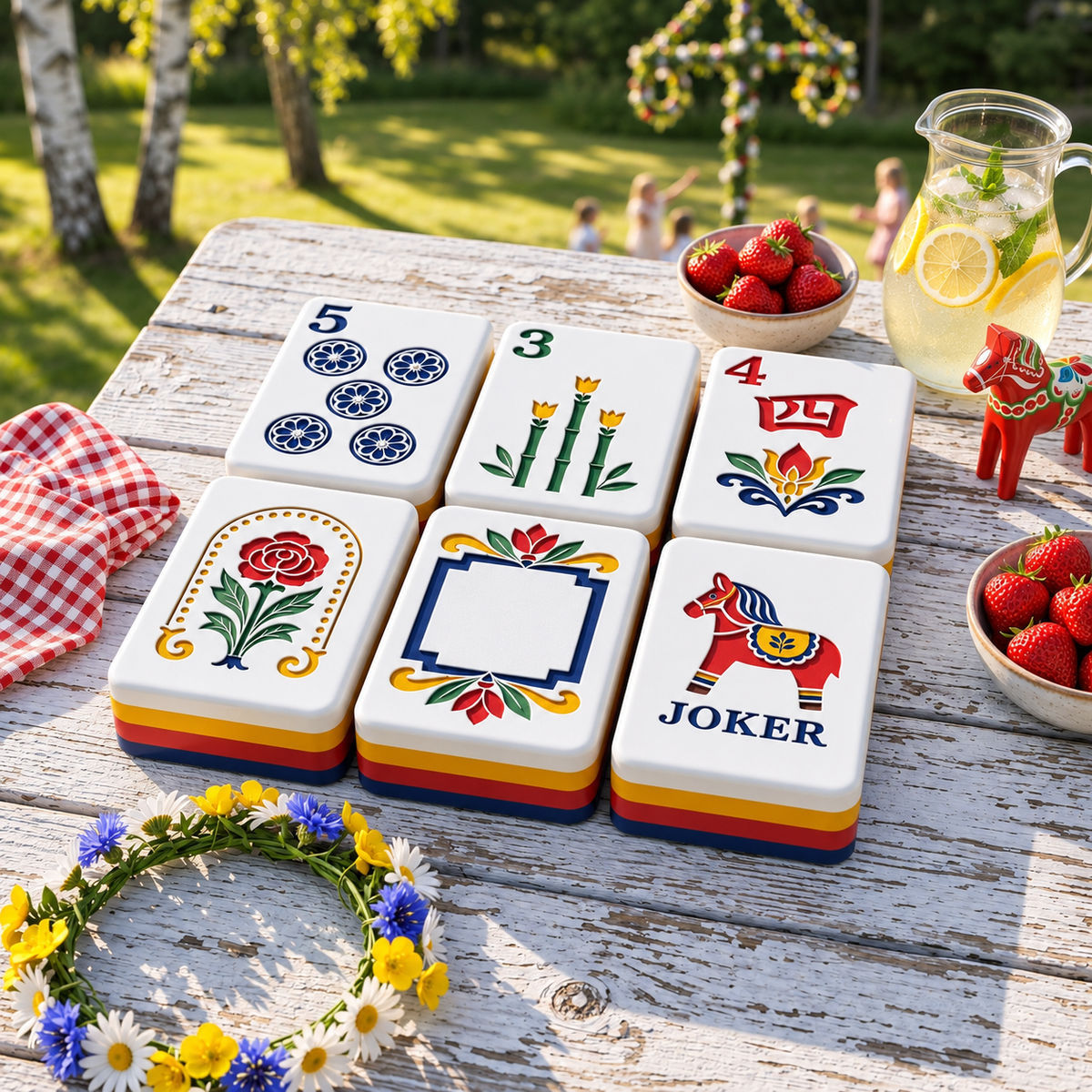
Sacramento's beginner mahjong classes are available year-round through the county library system, community recreation departments, and independent instructors advertising on Meetup and community bulletin boards. Most beginner programs meet weekly for 4–8 weeks, teaching tile identification (Bams, Craks, Dots, winds, dragons, flowers), the Charleston passing ritual, hand-reading from the current National Mah Jongg League card, and basic scoring. Costs vary from free library-hosted workshops to instructor-led sessions at private rates. Classes typically include 6–12 players and provide loaner sets; you'll learn American mahjong rules (152 tiles, 8 jokers, no exposed sequences). Before enrolling, confirm the instructor teaches American mahjong (not Chinese or Hong Kong variants) and uses the current year's card. After your first course, many players invest in their own best-selling mahjong sets to host home games. 🀄 Shop best-selling mahjong sets →
Where exactly can you find beginner classes in Sacramento?
Start with Sacramento County Libraries' programs page and contact your nearest branch directly—many run free or low-cost mahjong workshops during fall and winter. Recreation and Parks departments (county and city level) often list weekly beginner classes in community centers on their activity catalogs; phone their registration line to confirm upcoming start dates. Check Meetup.com for "Sacramento mahjong" groups; several host drop-in sessions for newcomers. Ask at country clubs, temples, and synagogues in the greater Sacramento area—these often host members' games and sometimes welcome new learners. Finally, search "mahjong instructor Sacramento" on Google Maps and call referrals directly to confirm they teach American mahjong and can accommodate beginners.

What does a typical beginner class cover week by week?
Week 1–2: Tile recognition and hand structure. You'll learn the three suits (Bams, Craks, Dots numbered 1–9), winds (North, East, West, South), dragons (Red, Green, White), flowers, and jokers. The instructor explains why American mahjong only allows exposed pungs (three identical tiles), kongs (four), and longer melds—never sequences like 1-2-3.
Week 3: The Charleston. This is the pre-game passing ritual where each player passes three tiles, then two, then one to the left, then opposite, then right. You'll practice until the rhythm feels natural.
Week 4–5: Reading the National Mah Jongg League card for the current year. The card lists all winning hands. You'll learn how to spot patterns and understand why hands come from the card alone, not house rules.
Week 6–7: Basic strategy, wall placement, discarding logic, and recognizing when another player is close to winning. Most instructors emphasize defense and safe discard.
Week 8: Scoring and mini-tournaments. By the end, you'll play a full four-player game from tile draw to settlement.
Some accelerated classes compress this into 4 weeks with longer sessions; others stretch to 10 weeks with lighter weekly meetings. Ask the instructor to describe their pacing before you register.
Should you buy your own set before or after taking a class?
Before class: Buy only if you want to practice at home between sessions and can follow along at the table. A loaner set at class is fine for learning; many beginners feel pressure to own equipment before they're sure they'll continue playing.
After class: This is the sweet spot. You'll know your learning style, understand what features matter to you (mats, racks, joker markers), and be ready to host games. Look for best-selling mahjong sets that include everything—tiles, mat, racks, pushers, and a carrying bag—so you're game-ready without extra purchases.
Here's a comparison table to guide your decision:
Decision | Class Timing | Why It Works | What to Watch |
Buy before class | First week | Home practice reinforces tile names and Charleston | Don't overinvest; loaner set at class is sufficient |
Buy after Week 3 | Post-Charleston | You've learned the ritual; ready to practice at home | Easier to pick features you actually want |
Buy after Week 8 | Post-class | You're confident and ready to host; know your style | Some players wait until they host their first game |
What common beginner mistakes should you avoid?
Mistake 1: Confusing Bam 1 with other tiles. The 1 Bam shows a bird, not the number 1 like other suits. Many new players misread it. Drill this early.
Mistake 2: Trying to remember hands without the card. American mahjong always uses the current year's card. Never guess. Always reference it.
Mistake 3: Exposing a sequence (chow). American mahjong has no exposed sequences. Only pungs, kongs, and longer melds. New players sometimes try to expose 1-2-3 and are corrected mid-game—embarrassing but fixable.
Mistake 4: Using jokers in a single tile or pair. Jokers can only replace tiles in melds (pungs, kongs, etc.), never stand alone. This rule confuses players switching from other tile games.
Mistake 5: Melding before you understand the hand. Don't expose a pung just because you can. Wait until you're confident your hand can win. Defensive play is learned, not intuitive.
Your instructor will catch these, but awareness upfront speeds up mastery.
🎁 See our most-loved mahjong sets & accessories →

What should your first game setup include?
Once you've completed a beginner course and want to host a game at home, you'll need four items:
A 160-tile American mahjong set (152 playing tiles + spares) with jokers. Sets come as complete bundles or individual components. Check that the set includes racks and pushers—these make play smoother and faster.
A dedicated playing mat with tile racks built in or a standard mat paired with separate racks. Mats define the play area and protect your table; they also hold the wall in place. See our guide on choosing a mahjong mat for size and material options.
Racks with pushers to hold your tiles upright and hidden. Pushers let you move tiles neatly within your rack. Some players skip this early on; most regret it within two games because hand management becomes awkward without them. Our racks with pushers guide walks through options and sizes.
A carrying bag or case if you want to transport your set to friends' homes. A padded bag protects tiles and keeps pieces together. For frequent travel, a hard case with compartments is worth the investment.
You can start with just a set and mat. Add racks and a bag as you host more games.
How do you know if a Sacramento class is right for you?
Before committing, ask these questions:
Is it American mahjong? Confirm the instructor teaches the American variant (152 tiles, 8 jokers, current-year card). Some classes teach Chinese or Hong Kong rules, which are completely different.
What's the pace? Ask if the class is beginner-only or mixed level. Beginner-only is safer for first-timers.
What's included? Do loaner sets come with the class, or do you bring your own? (Loaner sets are standard.)
When do new cohorts start? If enrollment closes mid-session, you may wait weeks for the next intake.
Can you audit or drop in? Some classes allow a trial session; others require full enrollment. A trial visit lets you test the instructor's teaching style.
Will you play after class? Many instructors host ongoing games for alumni; this extends learning and builds community.
Contact the library or community center registration line and ask them to describe the next session. A good program will answer all these questions upfront.
✨ Find your Mahstead set — free US shipping →
What if no classes are available right now?
If Sacramento's in-person classes are full or out of season, you have three alternatives:
Online video courses. Search "American mahjong beginner course" and look for instructors who post step-by-step tutorials on YouTube or Teachable. Many are free or low-cost and let you learn at your own pace. Pair video learning with a local Meetup meetup later to play live.
One-on-one private instruction. Several Sacramento-area instructors offer private sessions. These run longer per hour than group classes but adapt to your learning speed and schedule. Search "mahjong tutor Sacramento" on Craigslist and Nextdoor for local referrals.
Self-teaching with resources on how to play American mahjong. If you're self-motivated, start with a beginner guide and the current National Mah Jongg League card. Recruit three friends or family and practice the Charleston together. It's slower and riskier than a class—you may learn mistakes—but it works for disciplined learners. Many long-time players taught themselves this way.
None of these substitutes beat a live class for accountability and community, but they're solid options if timing doesn't align.
What to check before you buy your first set
Once you've decided to invest, keep this checklist in mind:
Count the tiles. A 160-tile American mahjong set has 152 playing tiles plus spares. Never buy a set labeled "144" or "166" unless you're upgrading for a specific reason.
Confirm jokers are included. Every game needs exactly 8 jokers. Confirm they're marked clearly (usually bright red).
Check that racks come with the set or are available. Playing without racks slows games and hides your tiles poorly. Don't skimp here.
Ask about mat compatibility. Some sets pair well with specific mats; others work with any mat. Our best-selling sets are built for standard mats.
Verify the tile weight and feel. Acrylic is the standard for American mahjong; it's durable and shuffles cleanly. Lighter plastic wears faster. If you can handle a demo set, do it—tile feel matters.
Look for engraved designs if you like them.Engraved American mahjong sets with titles like "Queen of Tiles" or custom names add personality to your table and make great gifts.
Once you've settled on a set, buy locally if you can inspect it, or order online from a dealer you trust (Mahstead offers free US shipping and clear product photos on each set page).

FAQ
What's the cost of a beginner class in Sacramento?
Library-hosted classes are free or under ten dollars; community recreation departments typically charge fifteen to forty dollars for a four- to eight-week session; private instructors charge hourly rates that vary widely. Contact each provider for current pricing and financial assistance options.
How long before I can play a full game after taking a class?
Most students play their first complete four-player game in Week 6–8. Simple games (winning hands only) happen by Week 4. Full understanding of strategy, defense, and scoring takes 2–3 months of regular play after class ends.
Do I need to memorize the mahjong card to win?
No. You reference the card during every hand. Memorization develops over years. Beginners who always check the card play just as well as those who recognize hands by sight; it's slower but accurate.
Can I play American mahjong with fewer than four players?
Yes, but with modifications. Two- and three-player rules reduce the tile count and adjust wall draws. Most beginner classes teach four-player first; many instructors teach alternative formats later. See our guide on 2 and 3 player mahjong rules for details.
What's the Charleston, and why is it so important?
The Charleston is a pre-game tile-passing ritual where each player passes three tiles left, two tiles opposite, and one tile right. It randomizes your starting tiles fairly and is mandatory in American mahjong. Skip it and the game loses its balance. Our Charleston explained guide walks through it step-by-step with photos.
Should I buy an engraved or decorative set, or a plain one?
Plain sets are practical and less expensive. Engraved sets add personality and make memorable gifts. Both play identically. Choose based on aesthetics and whether you plan to display your set or gift it. Browse engraved sets if custom designs appeal to you.


View More
View More
View More
