
Hong Kong Mahjong vs Malaysian Mahjong: Key Differences
Last updated: Nov 23, 2026
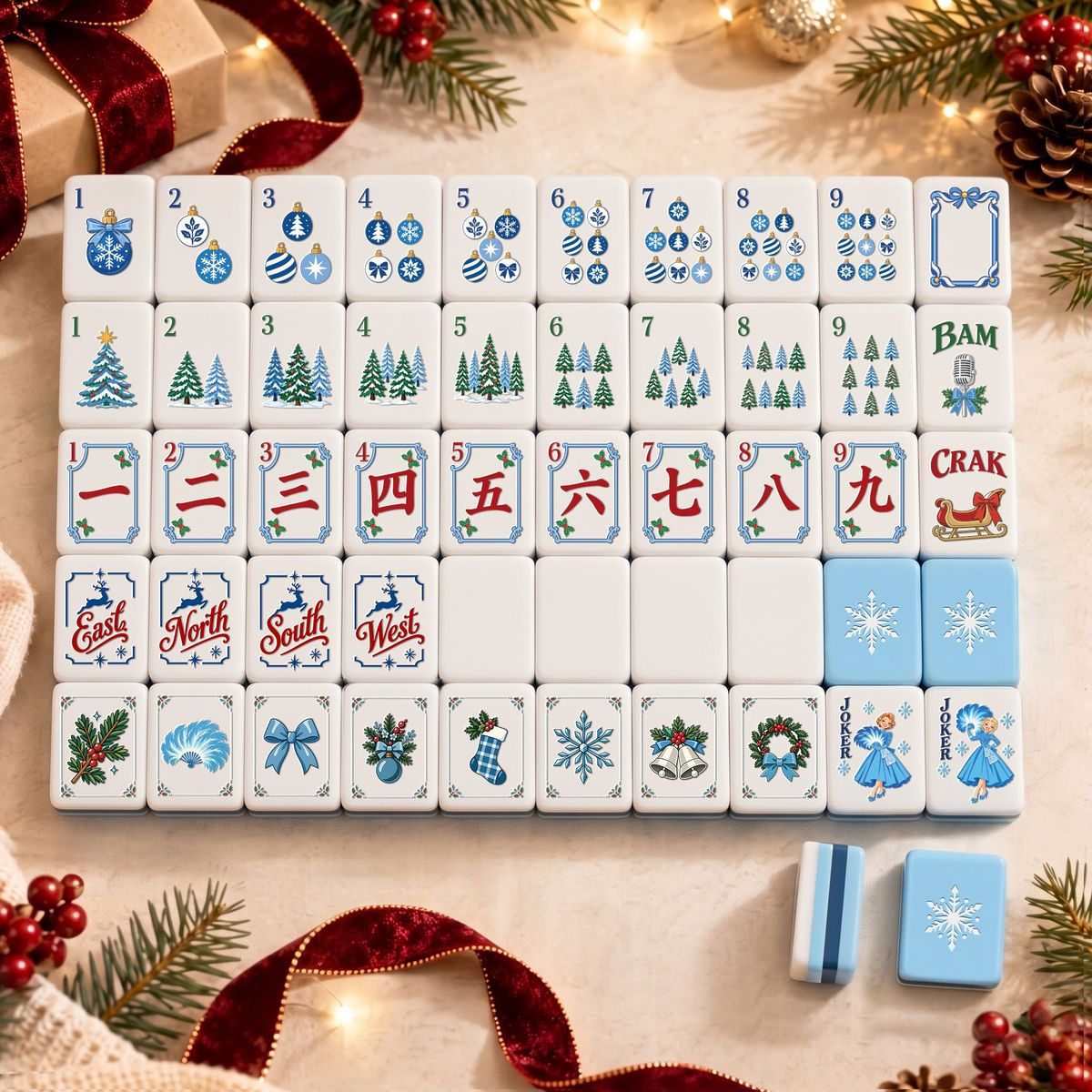
Hong Kong mahjong and Malaysian mahjong are separate regional variants of Chinese mahjong, each with distinct tile counts, hand patterns, and play pace. Hong Kong mahjong uses 108 tiles (one suit removed entirely; no honors or flowers), plays at a brisk tempo, and awards points for speed and certain melds—common in casinos and competitive clubs. Malaysian mahjong typically uses 144 tiles (all four suits), incorporates winds and dragons, and runs slower with stricter meld rules and often heavier betting. Hand completion takes longer in Malaysia because draws are more rigid and bonus scoring differs from Hong Kong's flush-heavy system. Players moving between regions often struggle with tile recognition and discard strategy at first. For learning either, you'll need a quality set with clear markings; we recommend acrylic sets with engraved detail to help distinguish suits under fast play or dim lighting.
Hong Kong mahjong dominates the faster-paced, casino-influenced side of the game, while Malaysian mahjong represents a more traditional, social family-game approach rooted in Chinese customs adapted locally. Understanding both helps you pick which fits your table style—and how to switch cleanly if you travel or join a mixed group.
What tiles does each variant use?
Hong Kong mahjong removes one entire suit, usually Bams, leaving only Craks, Dots, honors (winds and dragons), and sometimes flowers for a total of 108 tiles. Malaysian mahjong retains all four standard suit groups plus winds, dragons, and flowers, playing with 144 tiles total. This single difference cascades through everything: Hong Kong hands are simpler to scan, melds form faster, and suits feel more distinct because you're scanning only three instead of four. Malaysian players see more combinations per hand and must track a fuller tile distribution, slowing play intentionally. If you've learned one and switch to the other, your eye needs weeks to adjust—the absent suit disappears from your mental map, making early mistakes common.

How do hand patterns and scoring differ?
Hong Kong mahjong rewards flush hands (all one suit, or honors only) with steep point bonuses; mixed suits score lower. Malaysian mahjong uses a point scale based on meld type and hand composition with no flush bonus—any valid hand counts equally. Hong Kong players hunt flushes aggressively, often discarding early to signal suit intent; Malaysian players build slower, accepting mixed hands because the scoring doesn't penalize them. Hong Kong games finish in 10–15 minutes per round; Malaysian rounds often run 20–30 minutes. Scoring systems are incommensurate: you can't directly convert a Hong Kong score to Malaysian points because the underlying logic differs. If your group plays both variants on the same evening, keeping a reference card handy prevents disputes.
What's the speed and draw rule difference?
Hong Kong mahjong operates under continuous, rapid draws: players draw and discard in quick succession, and the game rewards players who complete hands first—this is called "speed play." Draws happen immediately when tiles are available; no formal pass-around ritual like American mahjong's Charleston. Malaysian mahjong follows a slower, more formal draw sequence where draws are often announced and passes may occur between players in set order. The pace in Hong Kong can feel chaotic to newcomers; Malaysian play feels deliberate and social. A Hong Kong hand lasts one or two minutes; a Malaysian hand might stretch five minutes if melds are questioned or calculated. This rhythm difference is the most jarring for switchers: slow hands feel stalled in Hong Kong clubs; fast hands feel rushed in Malaysian social games.
How do melds and exposure rules vary?
Hong Kong mahjong allows a wide range of exposed melds—pungs, kongs, chows (sequences), and complex patterns called "eyes"—and melds are often called and exposed mid-hand by multiple players. Malaysian mahjong is stricter: chows are often not allowed or are limited, and exposure is more conservative. In Hong Kong, a single discard can trigger rapid calling and exposure from two or even three players; in Malaysia, one player calls, others wait. This creates a fast, competitive feel in Hong Kong and a more methodical, turn-based feel in Malaysia. Beginners in Hong Kong feel overwhelmed by overlapping calls; beginners in Malaysia worry they're missing turns because action seems paused.

Which variant should you learn first?
If you want to enter a competitive or casino environment fast, Hong Kong mahjong teaches speed and pattern recognition quickly—three suits mean fewer combinations to memorize. If you want a social, relaxed weekly game with friends or family, Malaysian mahjong rewards patience and longer sessions. American mahjong players transitioning to either will find Malaysian closer to American rules (full tile count, formal turn structure) and Hong Kong more exotic. Learning Hong Kong first can frustrate American players because there's no hand card and no Charleston; learning Malaysian first feels more natural but slower. Consider your goal: fast, high-pressure games favor Hong Kong; casual, social play favors Malaysian. Neither is objectively harder—they reward different skills.
Variant | Tile Count | Play Speed | Flush Bonus? | Meld Exposure | Best For |
Hong Kong | 108 | 10–15 min/round | Yes, high value | Liberal, rapid | Casino, competition |
Malaysian | 144 | 20–30 min/round | No | Conservative, turn-based | Family, social |
American | 152 | 15–25 min/round | N/A (hand-based) | Exposed pungs/kongs only | League, tiles from annual card |
What equipment differences matter for each variant?
Both Hong Kong and Malaysian play use standard tile sets, but tile markings and size matter more in Hong Kong because play is faster—you need crisp, high-contrast markings to read tiles one-handed under time pressure. Malaysian sets can be smaller or have finer print because turns are longer and players set tiles down between moves. American mahjong sets use a different tile inventory (160 tiles total, including jokers) and are not compatible with either Hong Kong or Malaysian play. If you host both variants, buy a quality acrylic set with bold engravings for Hong Kong speed play and a second set (traditional wood or simpler acrylic) for Malaysian leisure games. Mats are optional in both but useful: Hong Kong players often use minimal mats or none (fast discard piles); Malaysian tables often benefit from a full mat to organize the slower meld display.
🀄 Shop best-selling mahjong sets →
Common mistakes when switching between variants
New switchers misread hand validity: a legal Hong Kong flush hand (all Craks + honors) is rare in Malaysian play because no bonus reward exists for flushes, so Malaysian players build differently and your Hong Kong strategy backfires. Another error is discard timing—Hong Kong players discard half-conscious during rapid play; Malaysian players study discards for three seconds per move, so discarding too fast signals weakness or confusion. Meld-calling etiquette differs sharply: Hong Kong allows and expects competitive calling; Malaysian play often expects the active player to complete their hand or pass, not to race other players for melds. Score confusion is real: a 48-point Hong Kong hand means nothing in Malaysian scoring, so always confirm the scoring system before money or pride is on the table. To avoid these, play one variant for at least five games before mixing in a session.
🎁 See our most-loved mahjong sets & accessories →
What to check before you buy a set for either variant
Confirm your local community's variant—ask whether your club or meetup group uses the term "Hong Kong" or "Malaysian" explicitly, because some regions blend rules. Check tile size: Hong Kong clubs sometimes prefer slightly larger or very crisp tiles for fast reading; Malaysian social groups accept a wider range. Verify whether the seller's set includes a rule card or player guide for your specific variant—many generic Chinese mahjong sets come without printed rules. Test tile grip: Hong Kong play demands tiles that don't slip in fast finger-work, so touch-test acrylic or composite finish before ordering. If you're ordering online, order from a seller who clearly specifies which variant the set suits, or order a generalist 144-tile set and confirm it works with your group's rules before the first game.
✨ Find your Mahstead set — free US shipping →

FAQ
Can I use an American mahjong set to play Hong Kong or Malaysian mahjong?
No. American sets contain 152–160 tiles plus jokers and suit American hand patterns from the annual League card. Hong Kong and Malaysian use 108 or 144 standard tiles with no jokers. Tile symbols and counts don't align. Buy a dedicated 144-tile Chinese or regional set instead.
Which variant is easier to learn as a complete beginner?
Malaysian is easier for absolute beginners because it uses a full tile count (familiar to learners) and slower turn structure lets you think longer. Hong Kong rewards speed and memorization, which takes weeks to develop. Start with Malaysian if learning solo or in a casual group; pick Hong Kong if you want competitive play and have mentors.
Do Hong Kong and Malaysian players ever play together at the same table?
Rarely. Rules conflicts (flush scoring, meld exposure, draw pace) make mixed games confusing and often contentious. Groups sometimes host separate tables for each variant on the same night. If you want to join both communities, learn both fully rather than trying to blend them live.
How much does a Hong Kong or Malaysian mahjong set cost?
Traditional sets range widely based on material and craftsmanship. Acrylic sets are affordable and durable; bone-and-bamboo sets are higher cost and more fragile. See current pricing on vendor product pages; both variants use the same 144-tile count, so pricing doesn't differ by variant.
Is there a "standard" Malaysian mahjong, or do different regions play differently?
Malaysian mahjong has regional and family variations—Selangor, Penang, and Johor rules differ slightly in scoring and meld allowance. Before joining a Malaysian group, confirm their specific house rules. Hong Kong mahjong is more standardized across casinos and clubs, so Hong Kong rules are more uniform globally.
What's the best mat or rack for Hong Kong's fast play?
Hong Kong players often skip mats or use minimal layouts because discard piles move constantly. If you do use a mat, choose one with clear zones for melds and discards. For Malaysian slower play, a full-size mat with labeled player areas prevents confusion and slows the game intentionally, supporting social pace.


View More
View More
View More
