
Mahjong Tournaments in Nashville: Where to Play & How to Start
Last updated: Nov 23, 2026
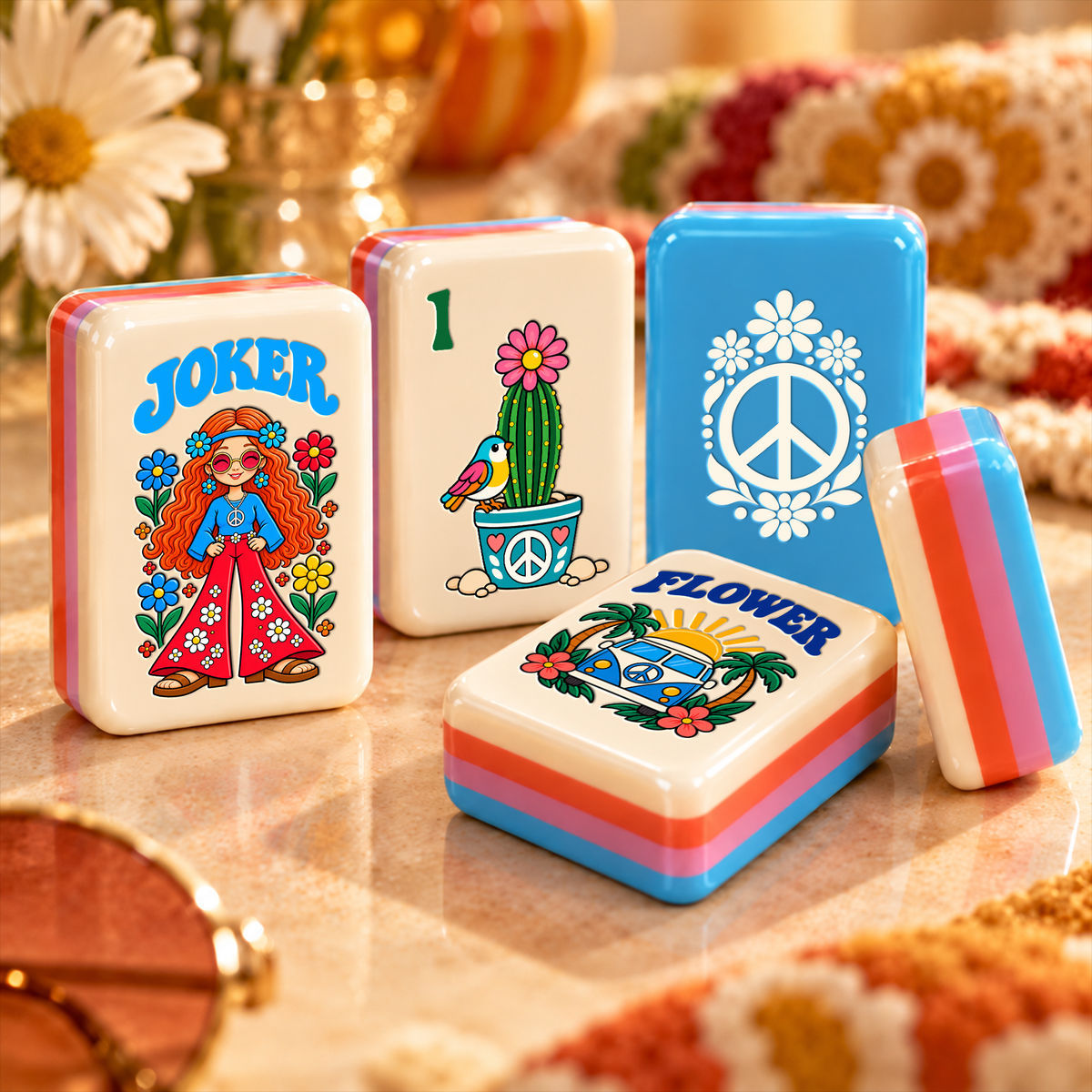
Nashville players connect through community centers, libraries, synagogues, country clubs, and online meetup platforms—search local event boards and ask your city library about mahjong groups. Most tournaments follow American mahjong rules (four players, 152 tiles, Charleston tile pass, hands from the current year's National Mah Jongg League card). Casual tournaments typically charge no entry fee or a small pot split; serious league events may have registration. Before joining, confirm the rule variant (American games are standard locally), whether you bring your own set or use house tiles, and what to expect for scoring and prize splits. Tournaments usually run 2–4 hours and are beginner-friendly if you know basic play; we recommend learning the Charleston and joker rules beforehand. Mahstead's best-selling mahjong sets are tournament-grade acrylic with clear tiles and pushers, perfect for hosting or joining organized games.
Nashville has a growing mahjong scene with weekly games, informal tournaments, and beginner-friendly meetups. Most connect through community centers, libraries, synagogues, country clubs, and online meetup platforms—search local event boards and ask your city library about mahjong groups. American mahjong tournaments are standard (four players, 152 tiles, Charleston tile pass, hands from the current year's National Mah Jongg League card). Entry is free or a small pot split at casual games; serious league events may have registration. Before joining, confirm the rule variant, whether you bring your own set, and scoring format. Tournaments usually last 2–4 hours and welcome beginners who know basic play. Learn the Charleston and joker rules beforehand for confidence.
Where do Nashville mahjong tournaments actually happen?
Nashville hosts mahjong games at community centers, public libraries, synagogues, country clubs, and private homes. Search "mahjong Nashville" on Meetup, check your library's event calendar, and call recreation departments about seasonal tournaments. Some groups post on Facebook or NextDoor; temples and Jewish community centers often host weekly games. Visit in person—groups advertise on bulletin boards and welcome new players. Most tournaments are small, friendly, and not advertised outside the group, so asking around is the fastest way to find them.
🀄 Shop best-selling mahjong sets →

What rules do Nashville tournaments use?
Nashville players almost always use American mahjong rules: four players, 152 tiles (108 from three number suits plus winds, dragons, flowers, and jokers), the Charleston (pre-game tile-passing ritual), and hands drawn only from the current year's National Mah Jongg League card. No sequences (chows) are permitted in American play, and jokers cannot fill a single tile or pair—only exposed pungs (3 identical tiles), kongs (4), or larger melds. Always confirm the specific card year and whether the group plays with house rules (some add bonus scoring for all-joker hands or restrict certain card sections). Ask the host beforehand; how to play American mahjong covers these mechanics in full detail.
How do you register or join a Nashville mahjong tournament?
Most casual Nashville tournaments require no formal registration—show up, add your name to the rotation, and pay a small entry (or no fee). Serious league-affiliated events ask you to call or email the host ahead of time. Bring a notebook, pen, and—if required—your own tile set (ask the host). Arrive 15 minutes early to meet players, learn house rules, and join a table. First-timers often play a practice hand; don't worry about speed. If you don't have a set yet, our best-selling collections ship free across the US and are ready to play straight out of the box.
What should you prepare before your first tournament?
Preparation | Why it matters | When to do it |
Learn American mahjong basics | You'll follow play smoothly without slowing the table. | 1 week before |
Study the current card section relevant to the tournament | Most tournaments start with easier hands; knowing patterns speeds recognition. | 2–3 days before |
Practice the Charleston (tile-passing ritual) | Tournaments always open with the Charleston; stumbling here signals inexperience. | 1–2 weeks before |
Confirm house rules and set format | Knowing whether you bring tiles or use house sets avoids embarrassment. | 1 day before |
Arrive 15 minutes early | You'll meet players, calm your nerves, and ask clarifying questions. | Day of tournament |
Bring a printed copy of the current year's card, a pen for scoring, and water. Wear comfortable clothes and avoid strong scents (cramped tables + long games = sensitivity). Most tournaments are very forgiving of beginner nerves, especially in Nashville's friendly mahjong community.
🎁 See our most-loved mahjong sets & accessories →

What's the difference between casual games and formal league tournaments?
Casual games (homes, libraries, coffee shops) are low-stakes, no entry fee, flexible rules, shorter time pressure, and focus on fun. Formal league tournaments (often affiliated with the National Mah Jongg League) charge entry, enforce strict card-only hands, have strict scoring rules and time limits, and award small prizes from a pot. Nashville has both; casual games are beginner-friendly and run year-round, while league tournaments typically follow a spring–fall season. Most new players start casual and move to league play after a few months. Either way, you'll need a clear, durable tile set—our engraved American mahjong sets are built for years of play and make a polished impression at any table.
Should you bring your own set to a Nashville tournament?
Ask the host before you go. Most casual games use house sets (the organizer provides tiles), but serious league tournaments often require you to bring your own for consistency and verification. If you don't own a set yet, arrive early and ask to borrow—most groups have spares. If you attend tournaments regularly, invest in your own: a best-selling acrylic set is tournament-grade, compact, and ships free to Nashville. Pro tip: use a mahjong bag or case to protect your tiles during transport; a dented or cracked tile can end your night early.
✨ Find your Mahstead set — free US shipping →
What to check before you buy tournament gear
Set durability: American tournaments run 2–4 hours; acrylic tiles survive shuffling and stacking better than bamboo. Check for raised numerals and wind/dragon symbols.
Tile clarity: Ensure numbers and symbols are easy to read from arm's length in standard lighting—bad visibility slows the game.
Pushers and racks: Look for smooth-gliding pushers (reduces fatigue over long games) and racks that hold 14 tiles without jamming.
Spare jokers: Tournament tiles sometimes jam or crack; sets with spare jokers and blanks avoid a ruined game.
Portability: If you're traveling to Nashville tournaments weekly, a padded bag protects your investment and looks professional.
Next steps: From beginner to tournament player
Learn the basics using our mahjong for beginners guide and watch one casual game live.
Get a tile set (borrow or buy)—best-selling options are ready to play out of the box.
Attend 2–3 casual games to practice the Charleston, joker usage, and hand recognition.
Read the current card at home (ask the host which year).
Join a league tournament once you feel confident—most welcome new players with open arms.
Nashville's mahjong community is warm, forgiving, and hungry for new players. You'll make friends, sharpen your mind, and discover why this game has captivated millions for centuries.

FAQ
Do I need to know how to play before attending a Nashville tournament?
Yes—learn basic American rules (four players, Charleston, tile melds, and joker placement) beforehand. Most groups teach a practice hand, but you shouldn't need hand-holding during live play. Our how to play American mahjong guide covers everything in 30 minutes.
Are there beginner-only tournaments in Nashville?
Not formally, but casual home games and library meetups welcome new players and play shorter, easier-hand rounds. Call or email local community centers and ask for beginner groups; word-of-mouth referrals are common.
What does a typical Nashville mahjong tournament cost?
Casual games are free or a small pot split (losers pay, winners split the pool—usually nominal). Formal league tournaments may charge entry; ask the host. Mahstead sets pay for themselves over a season if you're playing weekly.
Can I use a joker in a mahjong pair?
No. Jokers fill pungs (3 identical tiles), kongs (4), or larger melds only. Pairs must be all real tiles. This rule is strict in all American tournaments, so practice it before you play.
How do I improve my speed and hand recognition?
Play weekly, study the current card for 10 minutes a day, and memorize the most common hand patterns first. After three months of regular play, most players read hands instantly. Casual games are the best teacher.
What's the Charleston, and why is it important?
The Charleston is the tile-passing ritual before every game (players pass tiles left, then center, then right—each player passes 6 tiles). It's required in every American tournament and signals the start of play. Read the full Charleston guide to avoid holding up the table.


View More
View More
View More
