
How to Clean Large Print Mahjong Set Tiles & Acrylic
Last updated: Nov 23, 2026
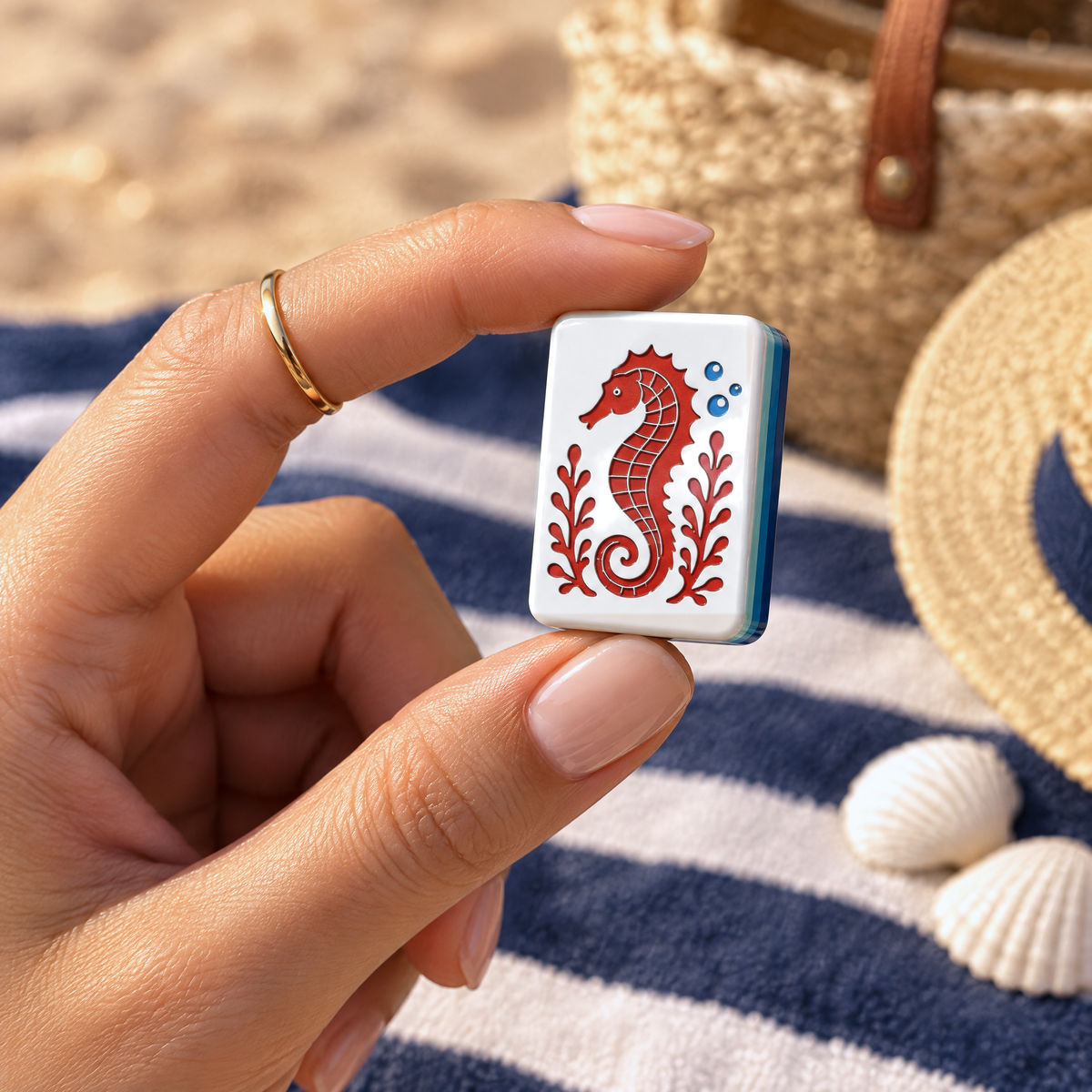
Large print mahjong tiles collect dust, hand oils, and fingerprints that dull the engraved numerals and suit markers—especially visible on acrylic sets where clarity matters most. Clean them weekly during a play season using only lukewarm water, mild dish soap, and a soft lint-free cloth; never use abrasive scrubbers, vinegar, bleach, or acetone, which pit acrylic. Dry immediately and store in a breathable bag away from direct sunlight to prevent yellowing and engravings fading. For stubborn residue, try a microfiber cloth with 70% isopropyl alcohol on a small test tile first. Mahstead sets ship with care instructions tailored to acrylic tiles—follow them to avoid voiding the clarity and legibility you paid for.
Why Do Large Print Tiles Get Cloudy?
Large print mahjong tiles sit in your hands every game—oils from skin, dust from the mat, and dried soap residue settle into engraved numbers and suits. Acrylic is softer than ceramic or bone, so even light scratching dulls the surface and makes engravings harder to read from across the table. Over a season of weekly play, you'll notice the big numerals less crisp than week one. Prevention beats rescue: microfiber cloths after each game and storage in a dry, dust-free travel bag or case keep tiles legible far longer.

What's the Safe Cleaning Checklist?
Before you start:
Inspect each tile for loose paint or seams (engraved sets rarely have these, but check anyway).
Test your cleaning agent on one spare tile or the back of a tile first.
Gather supplies: lukewarm water, one drop of unscented dish soap, two soft microfiber or cotton cloths, and a dry towel.
Cleaning steps:
Mix warm water with one drop of dish soap in a shallow bowl.
Dip a microfiber cloth—not dripping wet—and wipe each tile on both sides with gentle circular motions.
Wipe the tile dry immediately with a second cloth.
Do not soak tiles or let water pool in seams.
Return all 152 tiles to their bag or rack within 30 minutes.
After cleaning:
Store tiles in a breathable cloth bag, never sealed plastic (moisture can fog acrylic).
Keep away from direct sunlight, radiators, and cold windows.
Check your best-selling mahjong sets collection—many include storage bags designed to let tiles breathe.
🀄 Shop best-selling mahjong sets →
Which Cleaners Damage Acrylic Tiles?
Acrylic is durable but sensitive to chemical solvents. Here's what to avoid and why:
Cleaner | Why it harms acrylic | Safe alternative |
Vinegar (any strength) | Etches and clouds the surface | Mild soap + water |
Bleach or ammonia | Discolors engravings, weakens tile structure | Mild soap + water |
Acetone or nail polish remover | Dissolves acrylic resin, melts edges | 70% isopropyl alcohol (test first) |
Abrasive pads or steel wool | Scratches surface, makes engravings dull | Soft microfiber cloth |
Alcohol-based hand sanitizer | Leaves sticky residue, can cloud finish | Warm soapy water |
The safest rule: if it smells strong, don't use it on tiles. Mild dish soap and water clean 99% of everyday grime. For stubborn buildup after months of play, try a microfiber cloth barely dampened with 70% isopropyl alcohol—wipe one test tile, let it dry, and inspect the engraving under light before cleaning the rest.

How Often Should You Clean a Play Set?
Weekly players should wipe tiles every 1–2 games using a dry microfiber cloth—this removes oils and dust before they build up. Do a full wet clean every 4–6 weeks during a season. Casual monthly players can clean once per season before storing. Tournament or demo sets used by many hands benefit from cleaning before each new player rotation.
Keep a microfiber cloth in your mahjong bag or case so you can polish tiles at the table without reaching for special supplies. It takes 90 seconds and saves you from cloudy engravings mid-season.
What About Engraved Versus Plain Tiles?
Engraved tiles have paint or ink pushed into grooves—they actually hide dirt better than smooth surfaces, since grime sits inside the text. Wipe gently around the engraved numerals to avoid dragging debris across the grooves. The engraving itself won't wear off with mild soap and water; it's baked into the acrylic during manufacture.
Plain tiles look smudged faster because fingerprints show on a uniform surface. Both types clean the same way, but engraved large-print tiles stay readable longer because the engraving is recessed.
For sets with durable, legible engravings, browse Mahstead's large-print collection—each design is tested for clarity and durability across a full season of play.
🎁 See our most-loved mahjong sets & accessories →
Storage and Long-Term Care
Cleaned tiles need the right home. Store your full 160-tile set in a breathable cloth bag, not sealed plastic, and keep it in a cool, dry place away from:
Direct sunlight (fades engravings and yellows acrylic over years).
Heaters or air-conditioning vents (extreme temperature swings can crack acrylic).
Basements or damp closets (moisture clouds acrylic and encourages mold on bags).
Cars left in sun (acrylic can warp in heat).
If you store your set for several months, wipe it down lightly with a dry microfiber cloth before your first game back. Tiles don't "go bad," but dust and oxidation on long-term storage need removal.
What to check before you buy:
Does the bag breathe? Look for mesh or canvas, not vinyl.
Are tiles loose or rattling? They should sit snug in a rack or protected case.
Does the set come with care instructions? Read them—they're specific to acrylic.
✨ Find your Mahstead set — free US shipping →

FAQ
Can I use a dishwasher to clean mahjong tiles?
No. Dishwasher heat and harsh detergent damage acrylic—tiles can crack, warp, or cloud. Always hand-clean with lukewarm water and mild soap.
My tiles have small cracks. Should I still clean them?
Yes, but gently. Water won't worsen hairline cracks. Avoid soaking, and dry immediately. If cracks are large or growing, the tile may be defective; document it for future reference.
How do I remove dried paint or stickers from tiles?
Use a microfiber cloth with a tiny amount of 70% isopropyl alcohol. Test on a spare tile first. Do not scratch or scrape—acrylic is soft and will scar.
Will cleaning fade the engraved numerals?
No. Engravings are baked into acrylic during manufacture, not printed on top. Mild soap and water will not fade them. Harsh chemicals or sunlight exposure will.
What's the best way to pack tiles for travel?
Use a padded mahjong bag or case. Place tiles in their rack or a protective insert, wrap the rack in cloth, and store in the bag. Never leave loose tiles rattling in a backpack.
Can I clean tiles with a cloth that's been used on eyeglasses?
Yes, if it's clean and lint-free. Eyeglass cloths are microfiber and safe for acrylic. Rinse it first if it's been in a pocket to remove dust.


View More
View More
View More
