
First Mahjong Set: What to Buy—A Practical Buyer's Guide
Last updated: Nov 23, 2026
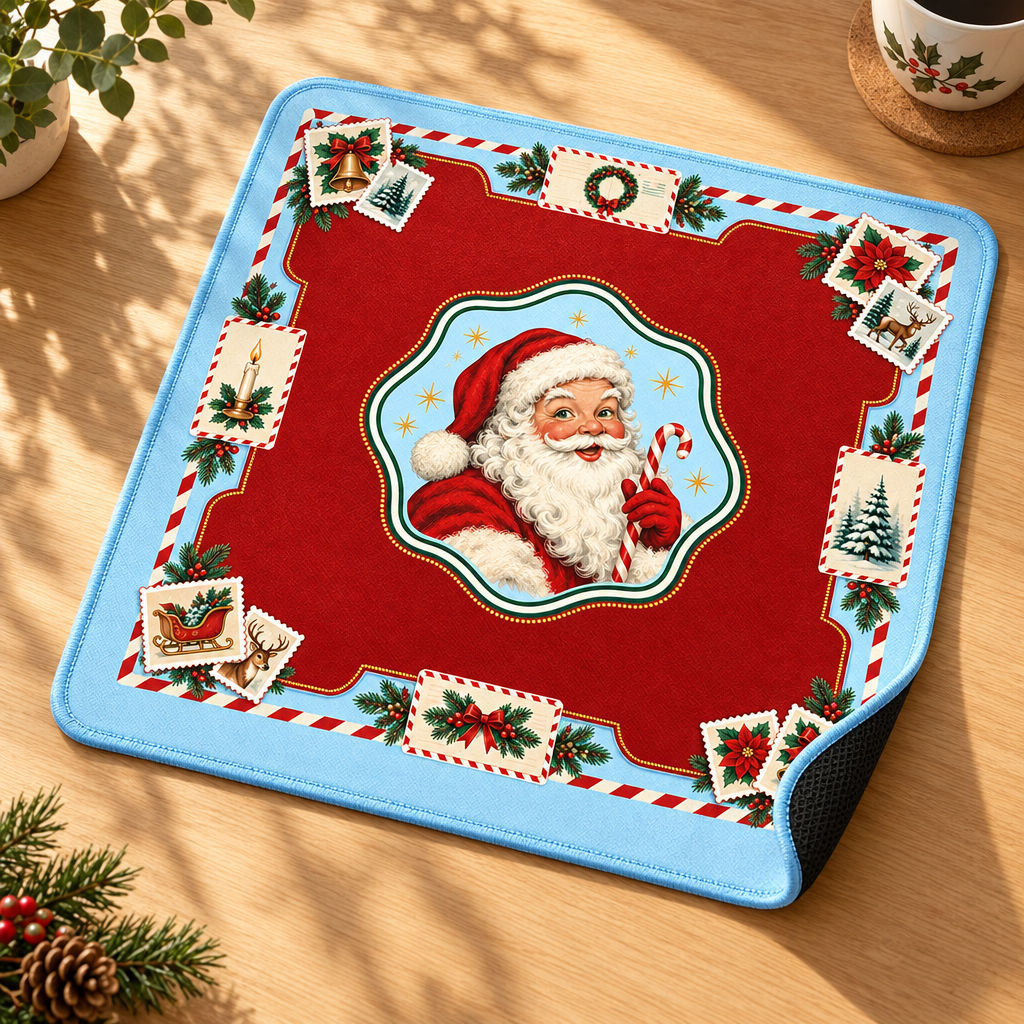
American mahjong sets come in one playing standard: 152 tiles with 8 jokers, every time. What changes is tile material (acrylic vs. bone/bamboo), design (engraved titles, solid colors, or seasonal themes), and what you buy alongside the set (mat, racks, bag, dice). Beginners often overspend on decorative bone sets when an acrylic set plays identically and costs less. Acrylic tiles last through years of weekly games, shuffle quietly, and feel warm in hand. Start by deciding: Do you want a plain set (lowest cost, cleanest look) or one with engraved titles or seasonal art? Will you play at a dedicated mahjong table or need a mat and racks? Our best-selling collection offers acrylic sets with free shipping, designed for North American play; see current price on the product page for your chosen design, then add a mat and racks as your game grows.
What does a first-time buyer actually need in a set?
Every American mahjong set ships with 152 playing tiles (three Bam suits, three Crak suits, three Dot suits numbered 1–9, sixteen winds, twelve dragons, eight flowers) plus eight jokers. That's it—you cannot add extra tiles, change the count, or swap jokers mid-game. If you buy a 160-tile set, the eight spare tiles sit in the bag; they're not part of play. You'll also need the current year's National Mah Jongg League card (available free online or printed copies from community groups) to read valid hands. Nothing else is required to play, though a mat, racks, and a bag make hosting smoother.
🀄 Shop best-selling mahjong sets →
Acrylic vs. bone: Why we recommend acrylic for first sets
Acrylic tiles (thick, durable plastic, often notched for racks) cost less than bone and bamboo, shuffle quietly without chipping, and resist staining over years of play. Bone and bamboo sets feel heavier and more traditional, but they chip, crack, and require careful storage—risks that matter less once you've played weekly for two years and know your preference. For a first set, acrylic wins on durability, noise, and value. Our engraved American mahjong sets come in acrylic with title designs etched into the tiles (e.g., "Mah Jongg," a player's name, seasonal art); this doesn't affect play, only aesthetics. If you want a completely plain acrylic set or one with art, browse our best-selling collection to see what speaks to you.
Plain, titled, or themed: Which design is right for you?
Comparison table: Design choices for first-time buyers
Design | Who it's for | Durability | Play feel | Resale value |
Solid color, no engraving | Budget-conscious, frequent players, clubs | Identical to titled sets | Identical | Higher (plain tiles universal) |
Engraved titles (player names, "Mah Jongg") | Gifts, personal sets, hosting pride | Identical; engraving sits flush | Identical | Moderate (personal branding) |
Seasonal (Christmas, lunar New Year themes) | Holiday gifting, collectors, themed hosts | Identical | Identical | Lower (limited appeal) |
Pastel or jewel-tone acrylic | Players wanting visual distinction | Identical | Identical | Moderate |
The engraving doesn't change how tiles shuffle, stack, or score—it's purely visual. Christmas mahjong sets sell as gifts; plain acrylic sets stay in regular rotation. Choose based on who will see your set and whether you want a keepsake feel or a workhorse game tool.
What to pair with your set: Mat, racks, bag, and dice
A mahjong set alone doesn't create the full hosting experience. Here's what we've learned from weekly games:
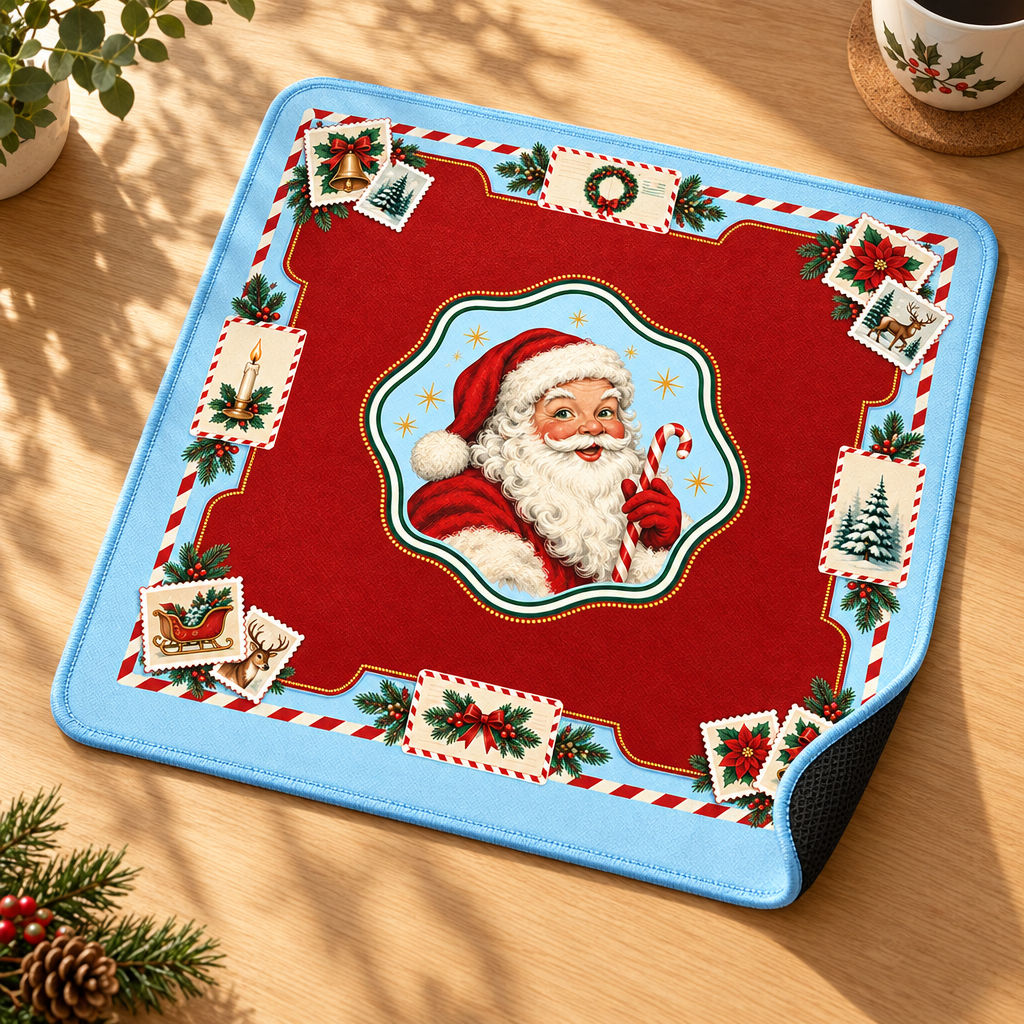
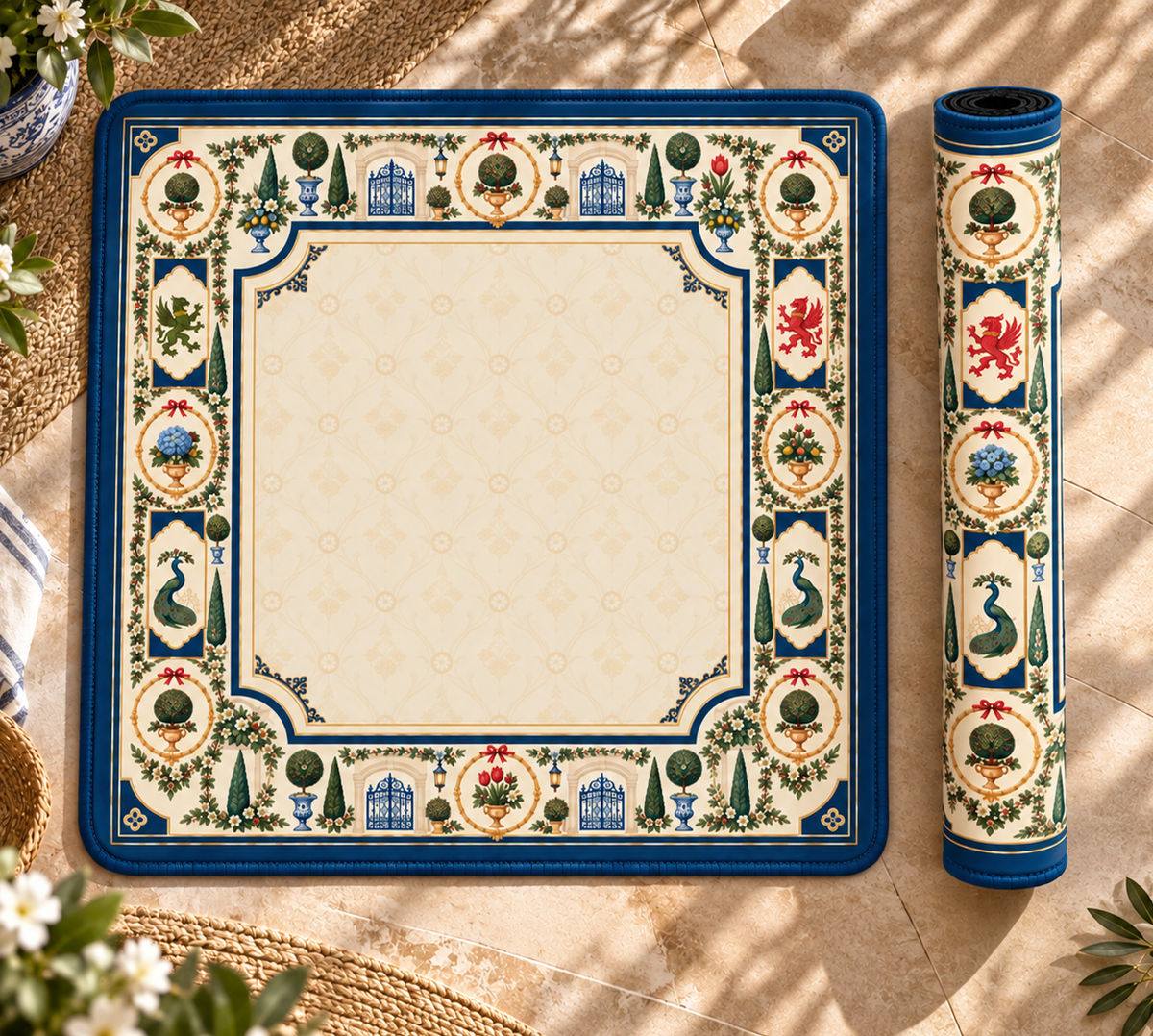
Mats (felt or microfiber, 28"–36" depending on depth and leg room) hold tiles in place, soften shuffling noise, and define the play zone. They're almost essential if you play on a dining table without a dedicated mahjong table. Mahjong mats come in solid colors, and each fits different table sizes—measure your table width before ordering.
Racks with pushers (notched acrylic, usually three racks per set) hold thirteen tiles upright in front of each player and make tile visibility instant. Without racks, tiles lie flat, which slows the game and strains wrists. Racks are not luxuries; they're standard for American mahjong. See our mahjong racks with pushers collection to find racks that match your tile color.
Bags (often included with sets or sold separately) hold the full set and racks for travel between homes. If you're hosting weekly and never moving tiles, a bag isn't urgent. If you rotate between two players' homes or attend club play, a bag prevents tile loss and tile dust. Travel bags and cases range from drawstring cloth to hard-shell carriers; choose based on how often you travel.
Dice (two standard six-sided, sometimes included) determine who deals first and how many tiles to draw. If your set doesn't include dice, any pair of standard dice works—no need to buy specialty mahjong dice unless you love the aesthetic.
🎁 See our most-loved mahjong sets & accessories →
What to check before you order
Before clicking "add to cart," ask yourself:
Am I buying a 160-tile set or only the 152 playing tiles? Mahstead sells 160-tile sets (152 tiles plus eight spares). The spare tiles never touch the game; they're backup jokers or blanks for lost tiles. This is correct and standard.
Do I need a mat right now or later? If you play on a real mahjong table with walls, skip the mat initially. If you play on a dining table, a mat is essential—order it together to save on shipping time.
Are racks included or sold separately? Check the product details. Many sets include racks; some don't. Racks are so common in American play that we strongly recommend having them from day one.
Will I transport this set or leave it at home? Home-only sets don't need a bag. Traveling players need a sturdy bag that fits the set, racks, and mat (rolled). Choose accordingly.
What's my hosting plan? One weekly game at your house calls for a basic set + mat + racks. Multi-player or club rotation needs a bag, backup dice, and spare jokers (which a 160-tile set provides).
All Mahstead sets ship free across the US, so there's no hidden freight penalty for ordering together. Check the product page for current pricing and ship timing.
✨ Find your Mahstead set — free US shipping →
Why new players often buy the wrong thing—and how to avoid it
The most common mistakes we see:
Buying a bone set because it "feels more authentic." Authenticity doesn't change game play, and bone chips after two seasons of weekly shuffles. Save bone sets for experienced players who rotate rarely and handle them with ritual care. Start acrylic; upgrade later if you fall in love with the game.
Skipping the mat. "I'll just use my table." Tiles slide, shuffle loud, and feel cold on wood or glass. A mat transforms the tactile experience in ways that matter even to beginners. Don't skip it.
Buying racks separately three months later. Racks should arrive with your first set. Without them, your first game feels awkward and tiring. They're inexpensive; buy them now.
Choosing a set on color alone. Pick a design you'll enjoy looking at—it matters for motivation—but prioritize clarity. Light or jewel-tone acrylic reads faster than dark, especially in evening light. Ask yourself: Can I spot the suit and number instantly? If not, keep looking.
Not checking your table size before ordering a mat. Measure your play area in inches. A 28" mat is tight for a round table; a 34" mat sits better. Check our how to choose a mahjong mat guide if you're unsure.
The actual first game: What comes next after unboxing?
Once your set arrives, open the tiles, and verify the count (152 playing tiles + jokers—your set checklist is on the National Mah Jongg League website). Shuffle them face-down in the mat to break in the acrylic. Learn the Charleston, the tile-passing ritual before every hand. Study how to read the mahjong card in the first ten minutes—it answers 90% of "is that a valid hand?" questions. Then play. The game teaches itself; rules clicks into place by hand two or three.

FAQ
Can I play American mahjong with a 144-tile set or a 166-tile set?
No. American mahjong requires exactly 152 tiles and eight jokers, always. A 144-tile set is Chinese or Hong Kong mahjong (different rules entirely). A 166-tile set includes extra spares but plays with the same 152 tiles; the extra tiles stay in the bag. Only play with 152.
Do I need to buy special dice for mahjong?
No. Any two standard six-sided dice work. They determine who deals and how many tiles to draw. Mahjong-themed dice are purely decorative. Some sets include dice; some don't. If yours doesn't, use any dice from home.
What's the difference between a mat and a table cover?
A mat is a padded play surface with defined boundaries, often with a center layout guide. A table cover sits over an existing mahjong table. Mats are for dining tables; covers are for dedicated mahjong furniture. If you play on a dining table, buy a mat. See mat vs. table cover for details.
Can I play with only three people instead of four?
Yes, but rules and hand counts change. American mahjong supports four-player, three-player, and two-player games with separate hand patterns. See 2 and 3 player mahjong rules to learn what adjusts.
Why do some sets say 160 tiles and others say 152?
All American mahjong sets contain 152 playing tiles. A 160-tile set includes eight extra tiles (spare jokers or blanks) for replacements if a tile cracks or is lost. These spares never enter gameplay. Mahstead sells 160-tile sets; the extras are insurance against tile loss, not extra jokers or blanks for play.
Do I need racks if I have a mat?
Yes. The mat defines the play zone; racks hold your hand upright. Both are standard. Without racks, you hold tiles in your hand—slow and tiring. Racks are not optional in American mahjong clubs or regular games.
How long does a first set last with weekly play?
An acrylic set lasts many years if tiles aren't dropped on hard floors or exposed to extreme heat. Most wear comes from losing a joker or a flower tile, which a 160-tile set replaces from spares. With care, an acrylic set is a lifetime investment for casual weekly play.


View More
View More
View More
