
Best Mahjong Set for Poker Players: The Switch Guide
Last updated: Nov 23, 2026
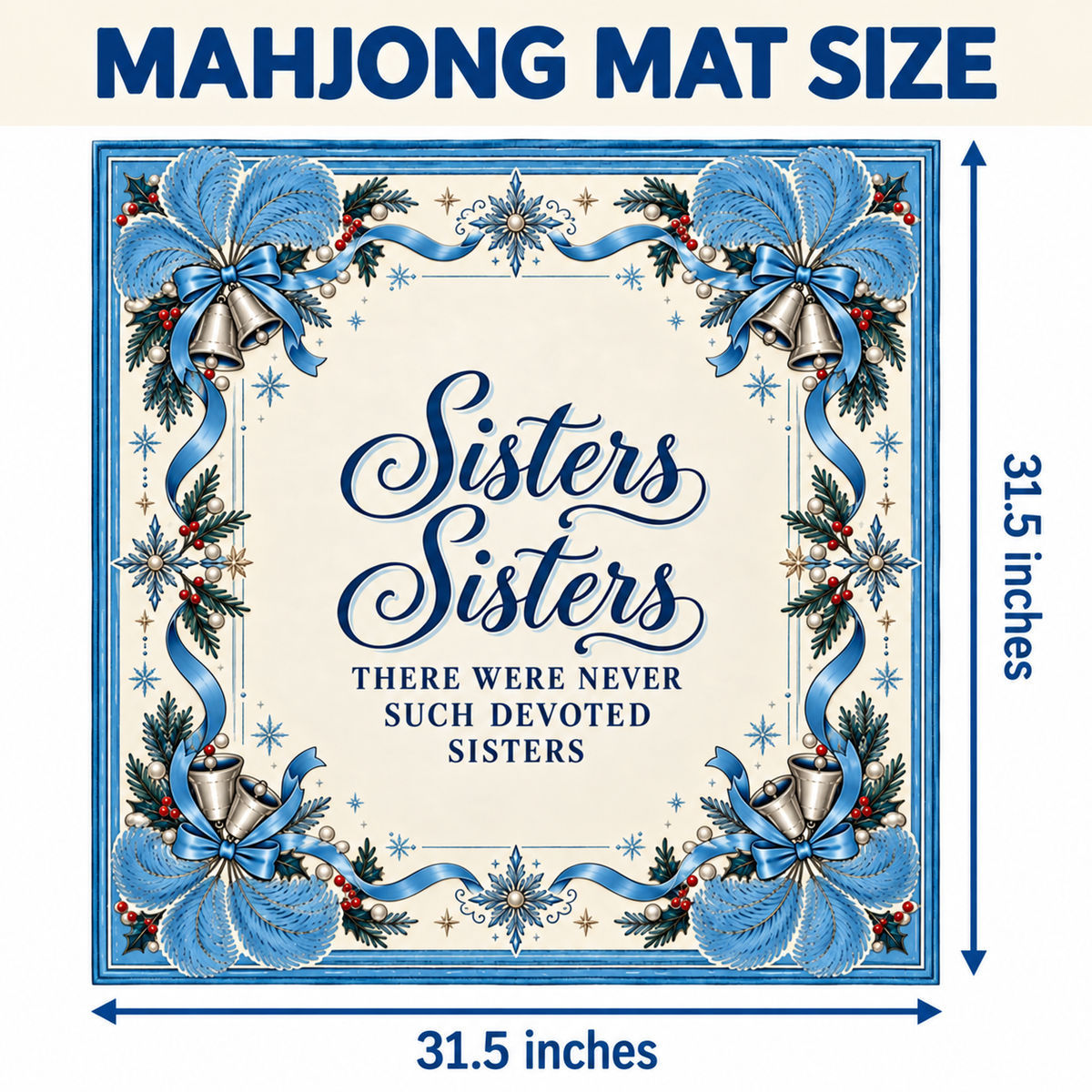
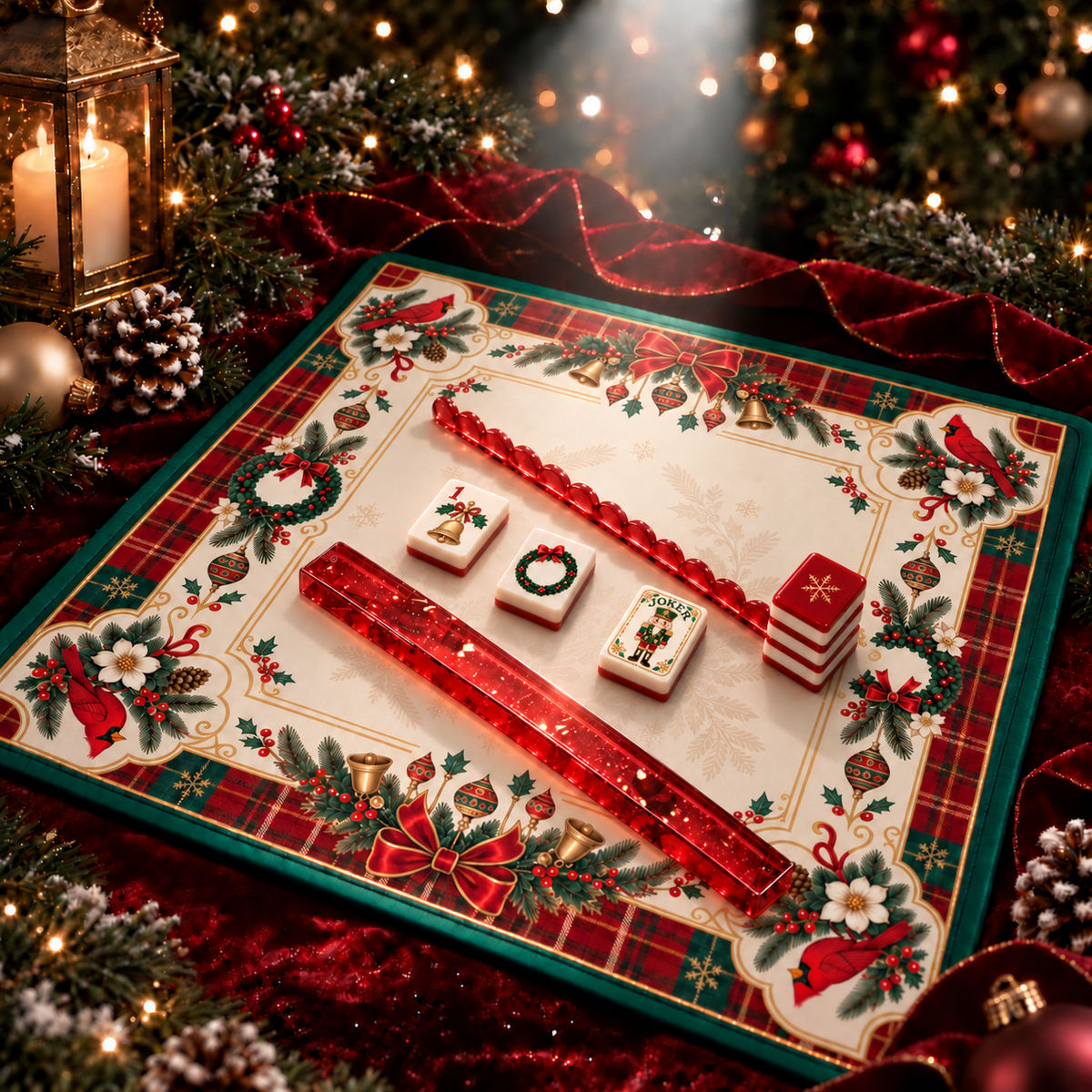
Poker players thrive in mahjong when they choose sets that match their table speed and hand-reading habits. You want tiles large enough to read from across the table (larger than standard Chinese or Riichi sets), acrylic that doesn't chip from shuffling, and jokers bright enough to spot instantly. The National Mah Jongg League card (issued every spring) is your rule bible—not intuition. American mahjong uses 152 tiles (4 of each number 1–9 in three suits, plus honors and flowers) plus 8 jokers; hands come from the card only, no improvisation. Buy from the best-selling collection where sets come with a mat and racks to organize your hand like a poker pro would. Don't buy cheap plastic sets from general retailers—they splinter after one season of shuffling. Expect to invest in a proper acrylic set with free US shipping; quality repays itself over dozens of games.
Your poker background is both an asset and a trap. You can read the table, count cards, and manage risk. But mahjong is not poker with better tiles. The hand combinations are fixed to an annual card, honor scoring works backward from what you'd expect, and every player draws and discards simultaneously—no turns. That said, your memory for suit patterns, your patience during the Charleston (the three-round tile pass before play starts), and your ability to track what others are holding will accelerate your learning curve by weeks.
The set you choose either reinforces good habits or teaches you to squint and reshuffle. Poker players need tile legibility first, durability second, and portability third. Let's compare your realistic options.
What tile size do poker players actually need?
American mahjong tiles are roughly 1 inch wide—noticeably larger than Chinese Riichi sets (half that size). If you're hosting weekly games or playing seriously, buy only American-sized acrylic sets; your eyes and your friends' eyes will thank you by hour three. Smaller tiles force you to lean forward, slow down the game, and misread bamboo suits (Bams, Craks, Dots look similar at a glance). Acrylic holds its surface finish and doesn't absorb sweat or coffee spills the way bamboo does. Your poker table probably uses a felt mat or hard surface—mahjong demands a mat that grips the tiles so they don't slide into your neighbor's lap during a big shuffle. The best-selling collection includes sets packaged with a mat, which tells you: the designer knew tile + surface = one system, not two purchases.

Acrylic vs. bamboo: what's the real difference for card players?
Feature | Acrylic (Best for Poker Players) | Bamboo (Beautiful, Fragile) |
Durability | Survives aggressive shuffling, no chipping | Cracks if dropped; surface wears after 2–3 seasons |
Sound | Crisp, poker-table click; easy to hear discards | Muted; harder to track calls in fast games |
Legibility | Bright symbols; no glare from light reflection | Subtle carving; requires strong overhead light |
Grip | Matte finish grips mat; no sliding | Smooth finish slides on felt; needs careful play |
Resale Value | Holds value; easy to pass on | Deteriorates; sentimental only after years |
Cost Basis | Mid-range, one-time buy | Higher initial outlay; repairs add up |
Poker players gravitate to acrylic because you're used to throwing chips down hard and fast. Bamboo tiles reward reverential, slow play—the opposite of your speed. If you're buying your first American set and you plan to host monthly, acrylic is not a compromise; it's the right tool for the job.
What features separate a "set I'll use for two years" from a "set I'll play with for ten"?
Jokers are the tell. In American mahjong, jokers replace tiles you need to complete your hand; you always see them on the table, and they must be bright enough to count from across a four-person game. Sets with dim jokers (faded yellow or unclear symbols) slow the game and create disputes. Every set from Mahstead includes 8 jokers; the difference is whether they're vibrant and whether spares are included for when one cracks or stains. Your racks with pushers organize tiles like a poker hand organizer—the pusher lets you slide tiles up to reveal your complete hand without knocking them over. Poker players who've never used racks often lose games because they miscounted their hand or exposed it while reaching. A set bundled with racks and a mat removes that learning curve.
🀄 Shop best-selling mahjong sets →
How does hosting every week change what you should buy?
Hosting demand is real: you shuffle four times a night (Charleston, three rounds of draws), play four to six games, and often teach a newcomer the rules. Your tiles get more wear than casual players see in a month. Acrylic sets sold by general retailers often have loose tiles or tiles that don't align on the racks after thirty shuffles—a friction that derails teaching. Mahstead sets are designed for repetitive use; tiles are precision-cut and acrylic doesn't warp. If you host weekly, also budget for a travel bag or case; loose tiles in a box invite damage and lost pieces. The mahjong bags and cases guide walks you through soft bags (portable, light) versus hard cases (airport-proof, heavy). As a host, a soft bag with a shoulder strap is your move—it signals you're serious without the "I'm transporting a chess computer" vibe.
Should you engrave your set, or keep it plain?
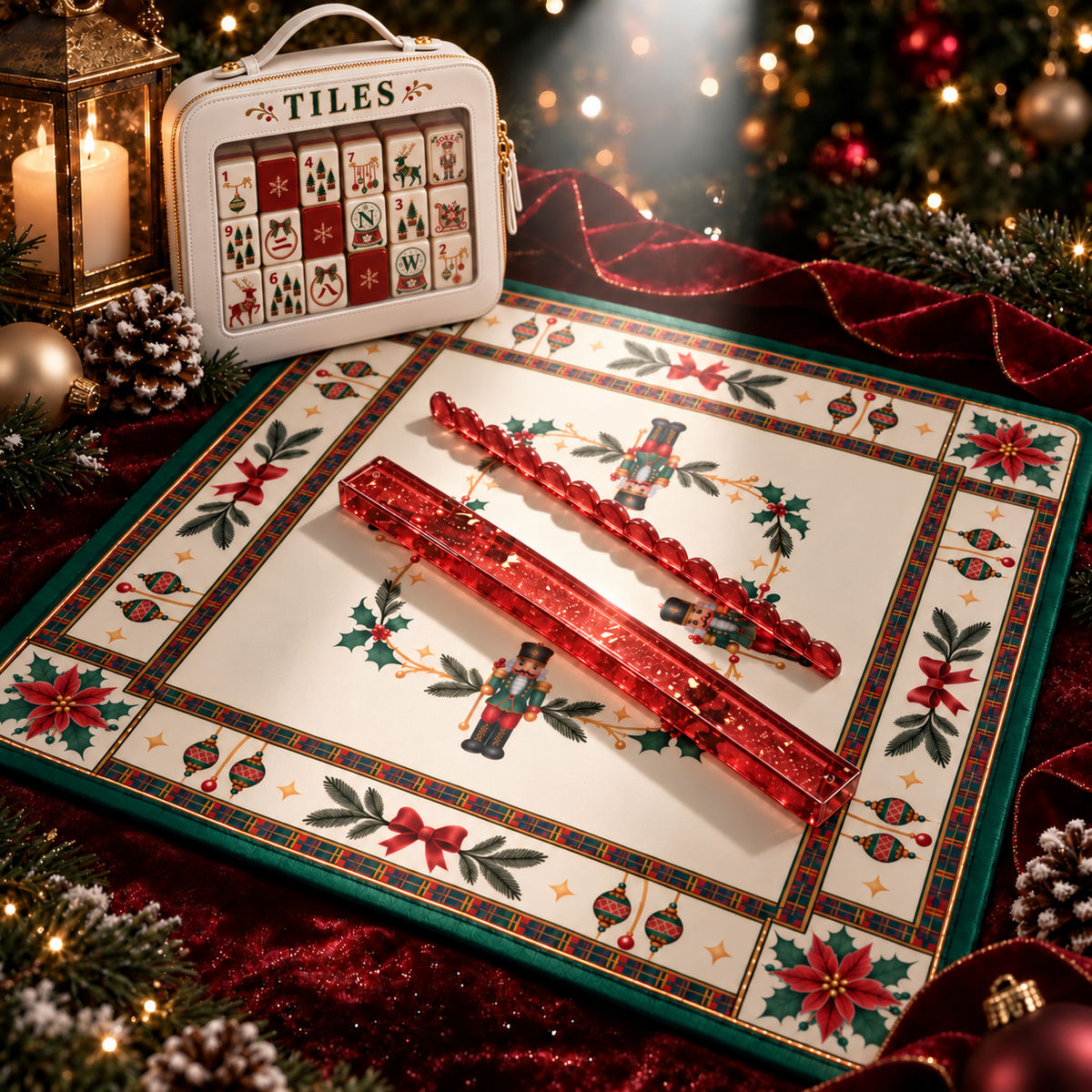
Poker players often customize their gear—chip sets with initials, personalized cards. In mahjong, engraving is optional but memorable. Some hosts engrave their name or a funny title (e.g., "Bad Hands, Good Friends") on the racks or the mat border. It marks your set as yours and makes hosting feel like you're running a real game, not borrowing equipment. Browse engraved American mahjong sets to see options; many are designed specifically for gift-giving or personal branding. Engraving doesn't affect play and costs no extra shipping (free US shipping applies to all custom orders). If you're not sure yet, order a plain set now and engrave next year when you know your style.
What to check before you buy
Tile Count & Joker Brightness: Does the set include 152 playing tiles plus 8 jokers? Are jokers illustrated in bright, contrasting colors? Dim jokers are the top complaint from players switching from other tile games.
Acrylic Quality: Run your thumb across a sample (if possible) or read reviews for "smooth edges" and "no rough spots." Cheap acrylic has seams that catch your fingers.
Mat Included: Is a mat in the box? If not, does the seller offer a bundle discount? A mat isn't optional; it's part of the system.
Racks & Pushers: Do racks come with pushers? Can you hold 14 tiles comfortably without one falling? Test this; it's the difference between a confident hand and anxiety.
Return Policy: Can you exchange a set if tiles arrive chipped? Shipping damage happens; confirm the seller replaces it.
🎁 See our most-loved mahjong sets & accessories →
Common poker-to-mahjong mistakes to dodge
Mistake 1: Buying a Chinese or Riichi set because it's cheaper. You'll quit. The tiles are too small, the game rules are different, and your poker friends won't get it. Invest in an American set from the start.
Mistake 2: Thinking you can improvise hands. You can't. The card is law. Every year the National Mah Jongg League releases a new card with 20–30 playable hands per year. Learning to read the card is step zero; how to read the mahjong card is non-negotiable.
Mistake 3: Skipping the mat. Tiles will slide, your game will slow down, and teaching becomes harder. The mat is not a luxury.
Mistake 4: Buying a set with no jokers or dim jokers. You can't play without jokers. If you inherited a set or find one secondhand, verify all 8 are bright before committing.
Mistake 5: Not learning the Charleston first. The three-round pass feels awkward compared to poker's flow, but it's the game's fairness engine. Don't skip it or house-rule it; the Charleston explained shows why.
Your poker instinct to invest in quality equipment serves you well here. A solid acrylic American mahjong set from our best-selling collection—bundled with a mat and racks—costs less than a premium poker chip set and will last longer if you use it weekly. The learning curve is steep for the first two hours, then it clicks. Many poker players report mahjong games are more engaging because every player is simultaneously active, no one folds early, and bluff and table reading still matter—just in a different grammar.
Start with a quality set. Add the mat and racks. Read the rules once, then play ten hands before you analyze strategy. Your poker background will unlock the game faster than you'd expect.
✨ Find your Mahstead set — free US shipping →
FAQ
Can I play American mahjong with a poker chip set instead of tiles?
No. American mahjong requires 152 specific tiles (numbers 1–9 in three suits, winds, dragons, flowers) plus 8 jokers. Poker chips have no suit symbols or honors. The rules are tied to tile combinations; you need the real tiles.
If I learn poker, will mahjong rules feel intuitive?
Partially. You'll grasp hand-reading, table speed, and risk assessment quickly. But mahjong has no bluffing with bad hands, no pot odds, and the card dictates which hands are legal—not your creativity. Expect 5–10 games before it feels natural.
Do I need engraved tiles, or can I just play with plain ones?
Plain tiles play exactly the same. Engraving is cosmetic. Some hosts engrave for personal style or gifting; many don't. Your first set should be plain unless you're buying it as a gift.
Why does the game need a mat? Can't I just play on a bare table?
Tiles will slide and scatter. A mat provides grip, protects the tile surface, and keeps the game organized. It's part of the system, not optional.
How often should I replace my American mahjong set?
With weekly play and proper storage, an acrylic set lasts 5–7 years before tiles show wear. Bamboo sets deteriorate faster. Jokers are the first to stain or crack; replace them as needed.
What's the real difference between a 160-tile set and the 152 tiles used in play?
American mahjong uses exactly 152 tiles plus 8 jokers in each game. A 160-tile set includes spare tiles (extra jokers and/or blanks) for replacements if one is damaged. All Mahstead sets are 160-tile sets; the spares are packed but never added to play.


View More
View More
View More
