
Mahjong Racks With Pushers for Beginners: What to Buy
Last updated: Nov 23, 2026
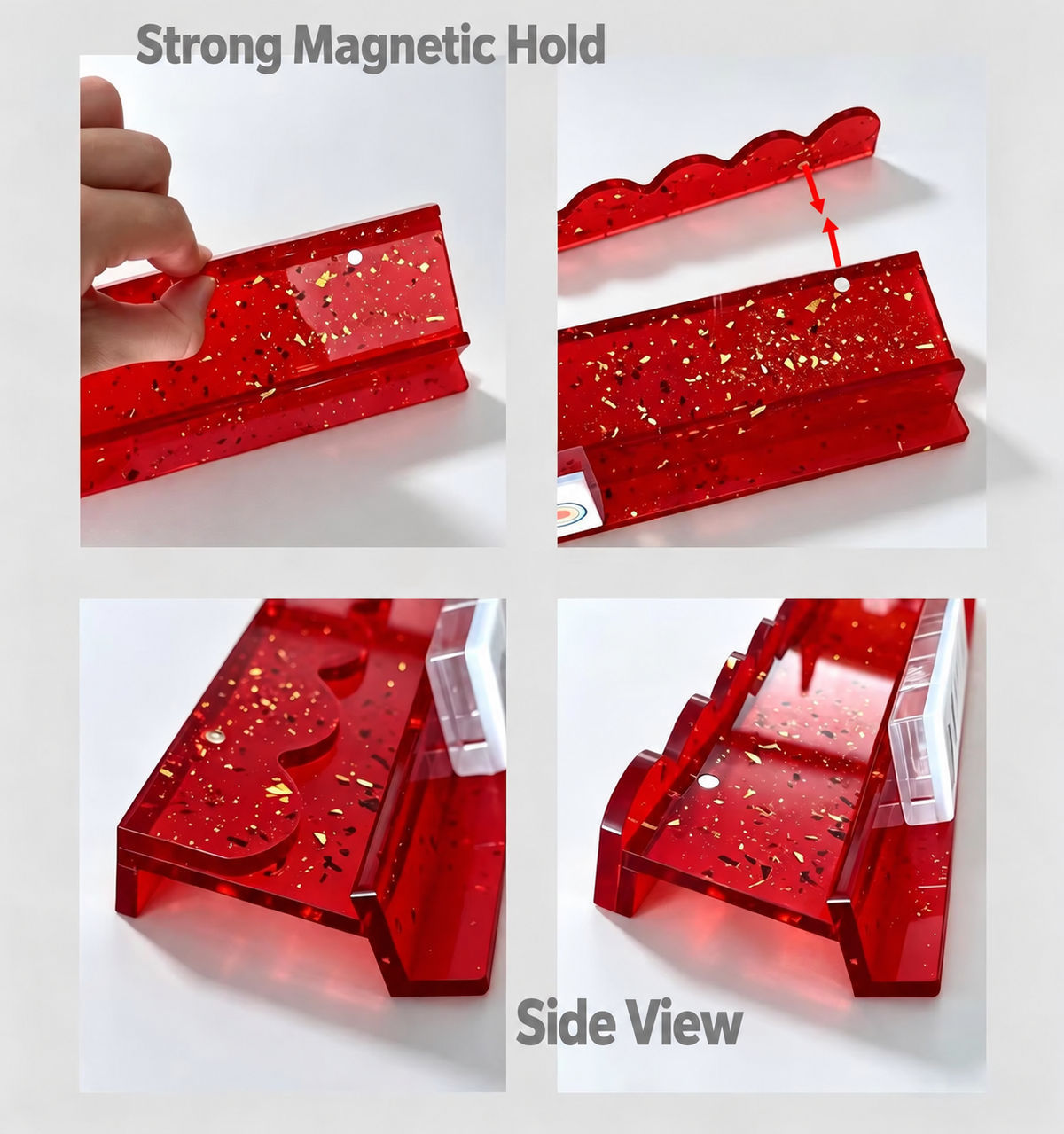
A rack with pushers is a wooden or acrylic stand that holds your 13 tiles upright and includes a small stick (pusher) to nudge tiles forward as you discard or draw. Beginners use them to prevent tile mixing, keep hands private, and speed up play. They come in two main designs: simple open racks (lighter, quieter, good for casual games) and enclosed racks with lips or walls (better for hiding your hand in competitive play). Most beginner racks measure 10–15 inches wide, hold a full hand comfortably, and cost less than a full tile set. The key mistake beginners make is buying a rack too small for their tiles or one without a pusher—many sellers offer them separately, which adds expense and confusion. Mahstead offers racks matched to standard tile sizes so you avoid that trap. Start with an open design if you play informally; upgrade to an enclosed style once you join a weekly game and want better hand privacy.
Why do beginners really need a rack?
Your hand sits face-down on the rack—not on the table or in your lap. This keeps tiles organized, prevents fumbling during draws, hides your count from other players, and stops tiles from sliding around when someone bumps the table. Without a rack, new players mix up tile order, accidentally expose their hand, and slow down the game. A pusher lets you move tiles forward one at a time as you discard or draw, so you never handle more than you need. It's the difference between looking like you've played before and searching your scattered tiles for a single Bam.

What's the difference between open and enclosed racks?
An open rack has a simple trough or groove—tiles sit in a line with nothing between you and the table. Light, compact, easy to clean, and ideal for casual home games where speed isn't critical. An enclosed rack has walls, a lip, or a slide cover that shields your tiles from view. Better for league play or if you're playing against people you don't know. Enclosed racks are slightly heavier and cost more, but they level the playing field—no one can count your tiles by shape or guess your hand. Most beginners start open and upgrade to enclosed once they realize how much tile-counting goes on in a real game.
Type | Best for | Pusher included? | Privacy | Portability |
Open trough | Casual home play, family games | Usually yes | Low | Very easy |
Enclosed with lip | Weekly games, mixed skill levels | Usually yes | Medium | Easy |
Enclosed with slide cover | Competitive league play | Usually yes | High | Slightly heavier |
🀄 Shop best-selling mahjong sets →
What size rack should you choose?
A rack must be wide enough for 13 tiles laid flat without crowding. Standard Bam, Crak, and Dot tiles are roughly the same width as traditional mahjong tiles; many racks are built for them and work fine. If your set uses larger or smaller tiles (compare your tiles to a measuring tape), measure the rack's interior width and add a few millimeters of clearance. A rack that's too tight forces tiles to stick or pop up as you draw—annoying and slow. Too loose and they slide around. Most beginner racks are 11–14 inches inside; that's a safe middle ground. Check the product listing or photo before ordering. If the seller doesn't list interior width, ask or assume it won't fit without testing.
How to pick between bamboo, wood, and acrylic racks?
Bamboo and natural wood racks look warm and traditional—they're quiet, pleasant to touch, and fit well on a mahjong mat in any room. They're durable and won't scratch tiles. Acrylic racks are lighter, easier to clean (just wipe them), and modern-looking; they work well if you move your game between rooms or travel. Acrylic can squeak slightly when tiles slide, but some players like the sound—it signals a move clearly. Wood racks are quieter and feel more traditional; many longtime players prefer them for home games. If you host multiple games a week, choose whichever you'll enjoy handling most. Either material will last years if you don't drop them.

What mistakes do beginners make when buying a rack?
Buying a rack without checking tile size compatibility. Your tiles are unique to your set. A cheap universal rack might work—or might be too narrow and jam tiles sideways. Ordering a rack without a pusher included. Some sellers market racks and pushers separately to seem cheaper. You'll end up ordering twice or using a chopstick as a pusher (awkward). Choosing an open rack for competitive play. If you're joining a league or a neighbor's serious weekly game, an enclosed design pays for itself in confidence—you won't feel watched or second-guess your hand privacy. Skipping measurement. A rack that looks fine in a photo might not fit your tiles. Before you order, measure the width of 13 tiles laid edge-to-edge, then verify the rack interior is at least that wide. Mahstead's racks with pushers collection lists dimensions and includes pushers, so you skip these steps.
🎁 See our most-loved mahjong sets & accessories →
What to check before you buy
Interior width: Measure your 13 tiles side-by-side; the rack interior must be at least that wide (add 5–10 mm comfort margin).
Pusher included: Confirm the listing states "pusher" or "pusher stick" in the description. If not listed, assume it's sold separately.
Tile grip: Open racks rely on a groove or felt lining to keep tiles from sliding. Check for felt or texture in the photo.
Height and angle: A gentle slope (20–30 degrees) is easier on the wrist than a flat surface. A rack too tall will strain your arm.
Privacy level: Honest question: will you play casually or competitively? Open racks are fine for friends; enclosed racks for leagues.
Weight and portability: If you travel to games, choose lightweight wood or acrylic. If it stays on one table, weight doesn't matter.
Care requirements: Bamboo and wood need occasional oiling or dusting. Acrylic needs a soft cloth. Pick based on your patience for maintenance.
Setting up your rack for the first time
Unpack it gently—racks can shift in shipping. Place it on your mahjong mat or table at a comfortable arm height (usually 4–6 inches above the playing surface). Insert the pusher into its slot or holder—most racks have a small pocket on one side. Lay your 13 tiles in the groove with the face-down side touching the rack. The pusher should glide smoothly without catching. If it sticks, remove one or two tiles, apply light pressure, and check for warping or dust. A small graphite pencil mark on the pusher slot (if wood) helps you remember which end is "forward." Practice pushing one tile at a time—you're not meant to shove; just nudge. New players often grip the pusher like a tiny sword. Hold it gently; you'll feel more in control.
✨ Find your Mahstead set — free US shipping →
Once you've chosen a rack, pair it with engraved American mahjong sets and a high-quality mat to create a complete, confident setup. A good rack transforms tile management from frustrating to automatic—and frees your brain to focus on reading the card and planning your hand.
FAQ
Do I need a rack if I'm just learning at home?
Yes. A rack teaches proper tile organization and keeps your hand hidden, even in casual games. Practice with one from day one so hand management feels natural before you join a game.
Can I use a rack made for a different tile size?
Not safely. Tiles that are too loose will slide; tiles too tight will jam or crack. Always match the rack interior width to your specific set's tile width before ordering.
What if my rack pusher breaks?
Most pushers are replaceable sticks that slot into the rack. Check if your rack has a removable pusher or a fixed design. If removable, order a spare; if fixed, the whole rack may need replacement—choose removable-pusher models for that reason.
Should I oil or treat a wooden rack?
Not necessary for normal play. Dust it occasionally with a soft, dry cloth. If it dries out after years of use, a light application of linseed oil or furniture wax keeps it supple, but don't overdo it—excess oil can transfer to tiles.
How do I know if a rack fits my mahjong set before I buy?
Compare the product's interior width (in inches or centimeters) to your 13 tiles measured edge-to-edge. Mahstead's listings include interior dimensions; if a competitor's doesn't, ask the seller or measure the rack in person before committing.


View More
View More
View More
