
Mahjong Lessons in Atlanta: Where to Learn & How to Start
Last updated: Nov 23, 2026
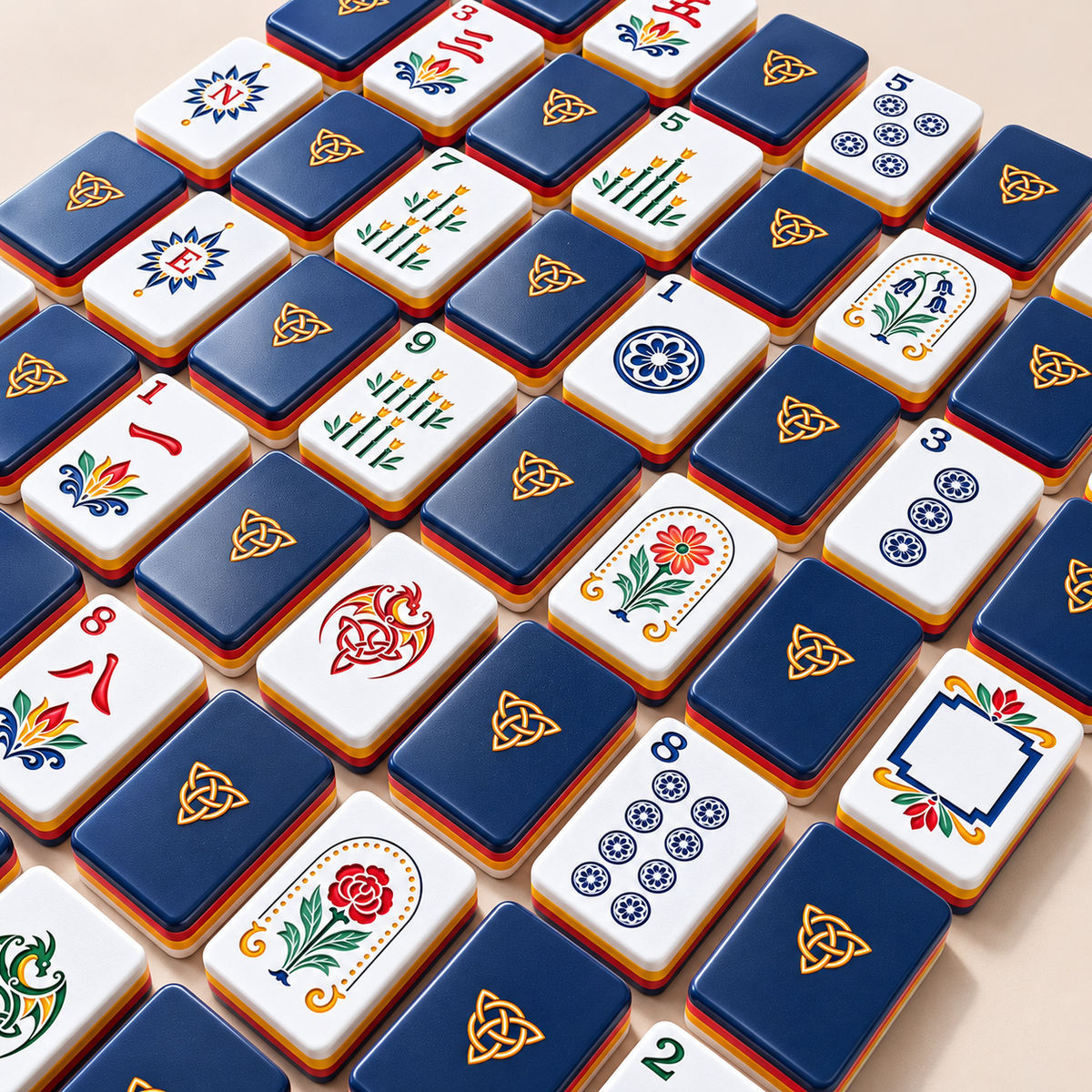
Mahjong lessons in Atlanta are available through community centers, libraries, synagogues, country clubs, and informal meetup groups—search your neighborhood's recreation department website or Meetup for "mahjong Atlanta." Most beginner classes meet weekly for 6–8 weeks and teach American mahjong (the most common variant in the US). Lessons typically cover tile recognition, hand-reading using the National Mah Jongg League card, the Charleston (tile-passing ritual), and basic strategy. Cost varies by venue; many recreation classes charge per session, while club memberships may include lessons. Before joining, ask whether the group plays American mahjong, what equipment is provided, and whether newcomers need to bring their own set or mats. Mahstead mahjong sets are ideal for practice at home between lessons.
Where can I actually find mahjong lessons in Atlanta?
Atlanta's mahjong community is strongest in three channels. First, search your city recreation department or Parks & Recreation website for "mahjong" or "Asian games"; many offer drop-in or session-based classes, especially in neighborhoods with larger Asian populations. Second, check local libraries—branches often partner with community volunteers or host flyer boards advertising game nights. Third, look for synagogues, community centers, and country clubs; mahjong remains popular among multigenerational Jewish families and retirees, and these venues frequently post lesson schedules. Meetup.com and Facebook community groups are reliable for finding active game groups; search "mahjong Atlanta" or your neighborhood name. Ask whether lessons teach American mahjong specifically, since rules vary by variant.

What will I learn in a beginner mahjong class?
A typical 6-week beginner course covers four essentials. Week 1–2: tile names (suits: Bams, Craks, Dots; honors: winds and dragons; flowers and jokers), hand structure (exposed pungs, kongs, quints), and how to read the National Mah Jongg League card. Week 3: the Charleston—the three-pass tile exchange ritual before each game—and proper discard etiquette. Week 4–5: recognizing simple hand patterns from the card, understanding joker placement rules, and tracking discards. Week 6: full-game play with scoring basics. Most classes assume no prior experience; bring a notepad and expect to hear unfamiliar terminology repeated often—that's normal. By week three, you'll recognize pung from kong and understand why your hand doesn't work. Many instructors provide a teaching set; ask beforehand so you know whether to bring your own.
Which variant of mahjong should I learn in Atlanta?
American mahjong is the standard in Atlanta—it's what 99% of organized U.S. lessons teach. If you're joining an established game group, they play American unless explicitly stated otherwise. American mahjong differs from Chinese, Hong Kong, Riichi, and Taiwanese variants in three ways: hands are drawn from a published card (issued yearly by the National Mah Jongg League), jokers are wild and fill blank spaces in exposed sets, and you can only make and expose pungs (three identical tiles), kongs (four), quints (five), and sextets (six)—never sequences. Once you're comfortable with American rules, learning a second variant is easier; many Atlanta clubs have both American and Chinese night games. Start with American, master the card, and branch out if your group invites you.
Should I buy a set before or after lessons start?
Buy after your first class or two. Most instructors provide loaner sets for beginners, and borrowing one lets you confirm you enjoy the game before investing. After 2–3 sessions, if you're hooked, invest in your own set so you can practice at home—that's where real skill develops. When you do buy, choose a set with clear, readable tiles (no tiny fonts), durable construction, and include a quality mat if you'll be playing on unfamiliar tables. Our best-selling mahjong sets are designed for weekly play and come with everything beginners need except a separate mat. Once you own a set, you can host your own practice games or join weekly groups faster—having your own tiles signals serious commitment and speeds invitations.
🀄 Shop best-selling mahjong sets →
What equipment do I need to practice at home?
Equipment | Why It Matters | Start With? | Upgrade Later? |
American mahjong set (152 tiles + jokers) | Tile recognition, hand-building muscle memory | Yes—essential | No—keep one good set forever |
Mahjong mat | Protects tiles, defines discard area, speeds play | Optional; use clean table | Yes—better tile visibility and durability |
Racks with pushers | Organize hand, hide tiles from opponents | Optional; hold tiles in hands | Yes—speeds play, reduces errors |
2026 League card (printed or app) | Reference for legal hands | Yes—required | Yes—print extra for each player |
Dice (pair) | Roll for seating and first draw | Optional; any pair works | Yes—dedicated mahjong dice are easier to read |
At-home practice is most effective when you replicate actual game conditions. Use a mat to define the table boundary, set up racks if you have them, and play with the current year's card in front of you—don't memorize hands yet. Your first 20 games, you'll reference the card constantly; that's correct. The mahjong for beginners guide walks through building a full practice setup.

What mistakes do new players make in their first month?
Mistake 1: Assuming you need to memorize the card. You don't. Every experienced player keeps the card visible and references it every hand—even after years of play. Reading the card quickly is a skill; memorization comes naturally over time.
Mistake 2: Misunderstanding joker rules. Jokers fill missing tiles in exposed sets only—never use one as a single tile or as half of a pair. A pair must always be two identical tiles.
Mistake 3: Confusing pungs with sequences. In American mahjong, there are no sequences (1-2-3 are not a legal set). A pung is always three identical tiles—three 5 Dots, not a 4, 5, 6. This breaks most new players at first.
Mistake 4: Keeping too many honor tiles early. Winds and dragons are harder to match than numbered tiles; new players hoard them and clog their hand. Discard excess honors by the third turn.
Mistake 5: Not tracking discards. Pay attention to what others throw. If no one has discarded a 7 Bam by turn four, someone is likely holding them.
Attend class, ask questions when confused, and play slowly your first 10 games—speed comes naturally once you stop doubting yourself.
🎁 See our most-loved mahjong sets & accessories →
How long before I'm ready to join a real game group?
After 8–10 supervised games, you're ready. By that point, you'll recognize a pung instantly, understand the card well enough to spot a legal hand in 30 seconds, and follow the flow of play without slowing the table. Join a beginner-friendly group (not a competitive club yet) and play one night a week for a month before graduating to faster, more experienced tables. Many Atlanta groups have separate beginner and intermediate nights—start in the beginner slot and listen for an invitation up. Never rush into a "any player welcome" game at a club until you've confirmed the pace; experienced tables move quickly, and fumbling through the card every turn frustrates everyone. Real players remember their first game and welcome thoughtful beginners; they spot the nervous ones who've never held tiles before.
What to check before you join a lesson or group
Which variant? Confirm it's American mahjong (American Mahjong League rules), not Chinese or Hong Kong.
Meeting time and frequency: Weekly commitment vs. monthly; morning vs. evening; how many weeks.
Cost structure: Per-session, monthly, or membership? Do learners pay differently?
What's provided: Are tiles, mats, cards, and instruction included, or do you bring your own?
Beginner vs. mixed tables: Is there a separate beginner night, or will you play with experienced players?
Player count: Most games need exactly four; confirm the group accommodates your party size.
Card year: Always confirm they use the current 2026 National Mah Jongg League card.
Once you've played 10 games comfortably, you're ready to invest in a personal set for home practice. Start with a best-selling set from our collection—clear, durable tiles make learning faster and mistakes obvious.
How do I host my own practice games at home?
You'll need four players, a set, and a flat table. Shuffle tiles face-down, each player draws 34 tiles and arranges them on a mahjong mat (or clean table surface), and follow the Charleston: each player passes three tiles to the right, then three to the left, then one to the right. Use racks with pushers to keep your hand tidy and hidden from opponents. Place the printed 2026 card face-up in the center so all players can reference it. Play at a relaxed pace—new groups should allow 30–45 minutes per game. Host weekly if you can; consistency builds confidence faster than sporadic play. After three months of weekly home games plus one night at a club, you'll be fluent enough to join any beginner table confidently.
✨ Find your Mahstead set — free US shipping →

FAQ
Do I need to own a mahjong set before I take my first lesson?
No. Most Atlanta classes provide loaner sets for beginners. Borrow one or two to confirm you enjoy the game, then invest in your own set around lesson 3 or 4. Having your own tiles opens doors to home practice and weekend game invites.
What's the difference between American and Chinese mahjong?
American mahjong uses a published card (one per year) and wild jokers; hands are fixed patterns, not free combinations. Chinese mahjong has no card, no jokers, and players can score a wider variety of hands. Atlanta teaches American unless otherwise stated.
How much does it cost to join a mahjong lesson or club in Atlanta?
Recreation department classes typically charge per session; club memberships vary. Ask the venue directly. Many are affordable (equivalent to a movie ticket per week), and some community centers offer free drop-in nights or scholarships.
Can I play mahjong with only two or three people?
Standard American mahjong requires exactly four players. Two and three-player variants exist but are uncommon in Atlanta; ask your group. Most weekly games have a waiting list, so finding a fourth is usually easy.
How often should I play to get good at mahjong?
Once weekly for three months builds real competence. Daily is better, but weekly consistency beats sporadic marathon sessions. Host or join home games between club nights for fastest improvement.
What's the hardest part of learning mahjong as a beginner?
Reading the card quickly and trusting your hand. New players doubt whether a set is legal and check repeatedly; that doubt disappears after 15 games. The card is your friend—reference it without shame.
Should I buy an expensive mahjong set or a budget one?
A mid-range set from our best-selling collection outlasts cheap plastic. Avoid sets with unreadable tiles or flimsy cases. One quality set lasts decades; it's a one-time purchase worth doing right.


View More
View More
View More
