
Where to Play Mahjong in St. Louis: Clubs, Groups & Getting Started
Last updated: Nov 23, 2026
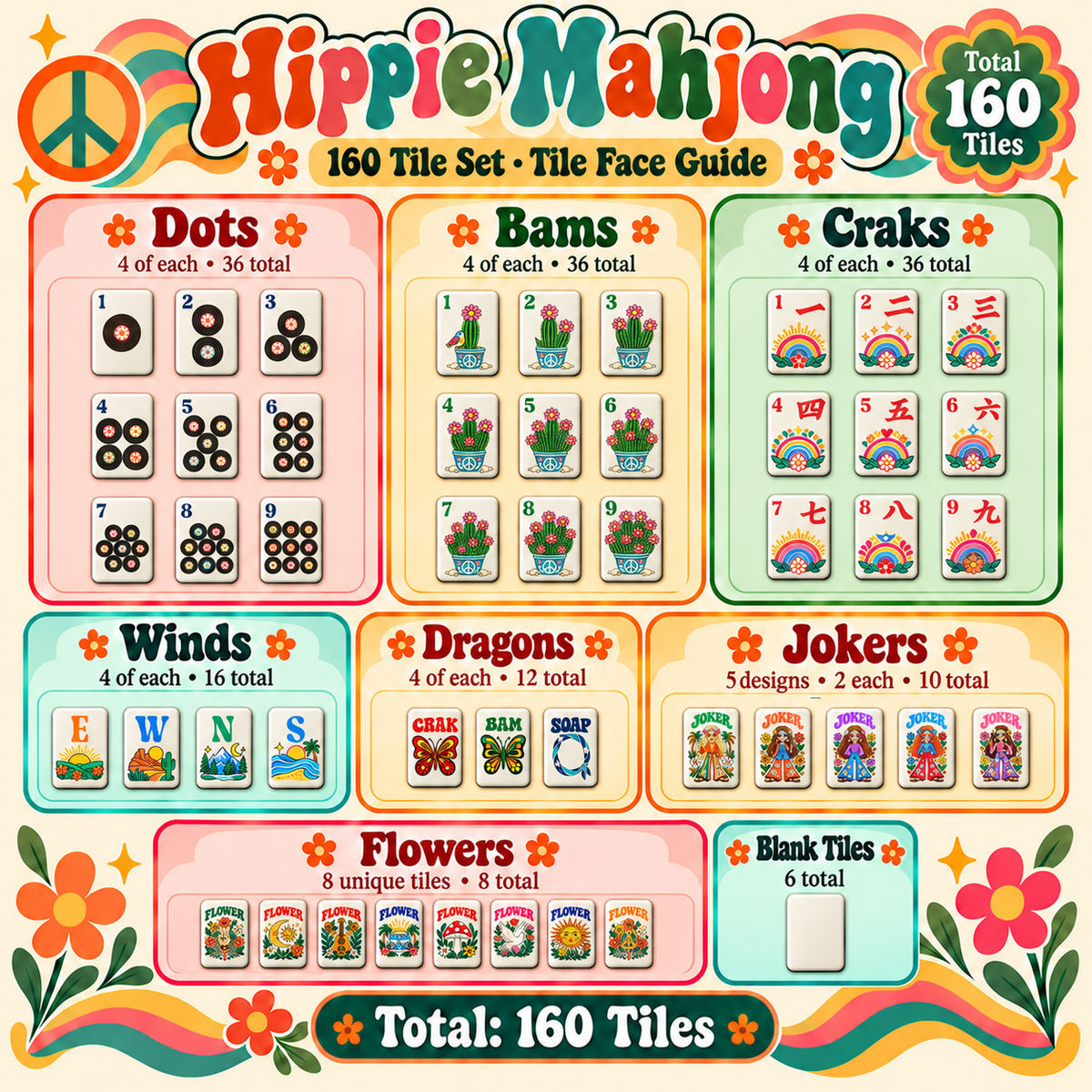
St. Louis mahjong players gather at community centers (check your neighborhood rec department and library systems first), country clubs, synagogues, and through Meetup boards. American mahjong typically meets weekly; most groups are beginner-friendly and teach the National Mah Jongg League card rules. To join: ask the host about dress, tile requirements (you'll need a 152-tile set with 8 jokers), and whether to bring a personal set or use the house set. Cost is usually free or a small table fee. Before your first game, learn the Charleston tile-passing ritual and how jokers function in American play—most groups are forgiving of new players but a few basics save embarrassment. Bring snacks or drinks to share; it's a social game first. 🀄 Shop best-selling mahjong sets →
Where do St. Louis players meet regularly?
Community centers across the city host open and club mahjong most weekdays and weekends. Call your neighborhood rec center or check their website for "mahjong" or "game nights"; libraries also post class schedules. Larger synagogues in the metro area often run mahjong groups on Tuesday or Thursday evenings—ask the events coordinator. Country clubs with active membership bases frequently host Thursday or Friday games. Check Meetup, Nextdoor, or Facebook groups for "St. Louis mahjong"—local players post weekly sessions and welcome newcomers. Many groups meet year-round; fall and spring see peak attendance.

What's the difference between beginner and experienced groups?
Beginner groups teach how to play American mahjong from scratch and allow slower play and questions mid-game. Experienced groups assume you know hand patterns, tile notation, and game flow; they play faster and enforce strict rules. Ask the host or coordinator before showing up: "Is this group right for someone on week two?" Most groups have a beginner table and an advanced table, or rotate beginners through teaching shifts. Don't feel pressured to jump into a rapid game if you're still learning the National Mah Jongg League card—good hosts always have room for learning players.
Do you need to own your own tiles?
No, but it helps. Most St. Louis clubs and community centers provide house sets (usually older or mixed tile styles) for players who don't own one. If you attend weekly, owning a personal set saves setup time and ensures you're comfortable with tile weight, size, and how jokers are handled. A best-selling acrylic set ships with all 152 playing tiles plus spares and is durable through years of weekly play. If you're serious about joining a regular group, budget for one; it becomes part of your player identity and shows you're committed. Ask the host what tiles they use before buying—some groups prefer bamboo, others acrylic; acrylic is louder but easier to handle.
What should a new St. Louis player bring to their first game?
Pack a checklist for success:
The current year's National Mah Jongg League card (updated every spring; ask the host where to buy or print)
A personal set (optional first time, essential if you join regularly)
Pen and paper for scorecard
Snacks or drinks to share (cookies, fruit, coffee, soda—ask the host if there's a rotation)
A notepad to jot questions about hand patterns or rules
Comfortable chair clothing (you'll sit for 2–3 hours)
A mat if you own one (not required, but nice for protecting the playing surface and speeding setup—our mahjong mats guide walks you through options)
Don't bring: assumptions about Chinese or Hong Kong mahjong rules (St. Louis groups play American, which has no sequences or calling). Most groups provide score sheets, pencils, and chips; always confirm with the host first.

What to check before your first game
Item | What to verify | Why it matters |
Game type | American, not Chinese or Riichi | Rules vary drastically; American uses the NMJL card only |
Start time & location | Address, parking, entry time | Arriving late disrupts tile draws and throws off the Charleston |
Beginner-friendly | Does the host teach new players? | Some groups don't tolerate learning; find one that does |
Tile style & set | Do you bring your own or use theirs? | Comfort and consistency help you learn faster |
Cost | Free or table fee; what's included? | Avoid surprises; some groups charge snacks or donations |
Schedule | Weekly, monthly, or seasonal? | Commitment and availability matter for improvement |
🎁 See our most-loved mahjong sets & accessories →
How to actually show up without panic
Call or email the host a few days before. Say: "I'm new to American mahjong and want to try your Thursday game. Do you have room? Should I bring anything?" Listen for tone—a welcoming reply means a good fit. Show up 10 minutes early to watch the Charleston and ask questions quietly. Don't memorize the full card yet; just know the patterns your table is working on that night. Smile, laugh at mistakes (everyone makes them), and treat it as a social night—winning is secondary. Most St. Louis groups are multigenerational, warm, and patient with new blood. You'll improve fastest by playing weekly, even if you lose the first three games.
If you join a regular group and fall in love with the game, invest in your own acrylic American mahjong set. The consistency, durability, and pride of ownership speed your learning and make you a more confident player. Pair it with a travel bag or case so you can carry it to your group without worry. After six weeks of weekly play, you'll spot hand patterns instantly and start strategizing—that's when you'll feel like a real mahjong player.
Beginner's resource hub
Once you've found your St. Louis group, use these guides to level up:
How to play American mahjong: step-by-step rules and turn structure
What's in an American mahjong set: learn every tile and its role
The Charleston explained: master the pre-game tile pass
Mahjong for beginners: full fundamentals guide
✨ Find your Mahstead set — free US shipping →

FAQ
How do I find a mahjong group if I don't know anyone in St. Louis?
Start with your local library or rec center—ask about game nights or classes. Check Meetup, Nextdoor, and Facebook groups for "St. Louis mahjong." Call nearby synagogues or country clubs; many host weekly games and welcome visitors. Don't be shy—mahjong communities actively recruit new players.
Can I play mahjong in St. Louis if I only know the Chinese rules?
Most St. Louis groups play American mahjong exclusively, which uses the National Mah Jongg League card and has different hand patterns, no sequences, and unique rules. Ask the host upfront. If you're set on Chinese or another variant, ask if they have a separate table; St. Louis groups occasionally do, but it's rare.
What does a typical St. Louis mahjong night cost?
Many community centers and beginner groups charge no table fee. Some charge a small fee (ask the host for their policy). You may chip in for snacks or donations. Always ask in advance so there are no surprises—it's good etiquette and helps you budget.
Do I have to buy a set to play in St. Louis?
No. Most groups provide house sets for players without their own. However, if you join a regular weekly group, owning a personal set helps you learn faster and shows commitment. A quality acrylic set ships with all tiles and spares—see current price on the product page.
What's the age range in St. Louis mahjong groups?
Groups vary widely. Some skew multigenerational (college-age through retirees); others are mostly seniors or professionals. Call ahead and ask—finding a group that matches your vibe makes the game more enjoyable. Beginners of all ages are welcome at most clubs.
How often do St. Louis groups meet?
Most meet weekly (Tuesday, Thursday, or weekend afternoons). Some have seasonal schedules (heavier fall and spring). Ask the host for their calendar before joining so you can commit to regular attendance—consistency is how you improve and build friendships at the table.


View More
View More
View More
