
Mahjong Tile Sound: Why It Matters & How to Choose
Last updated: Nov 23, 2026
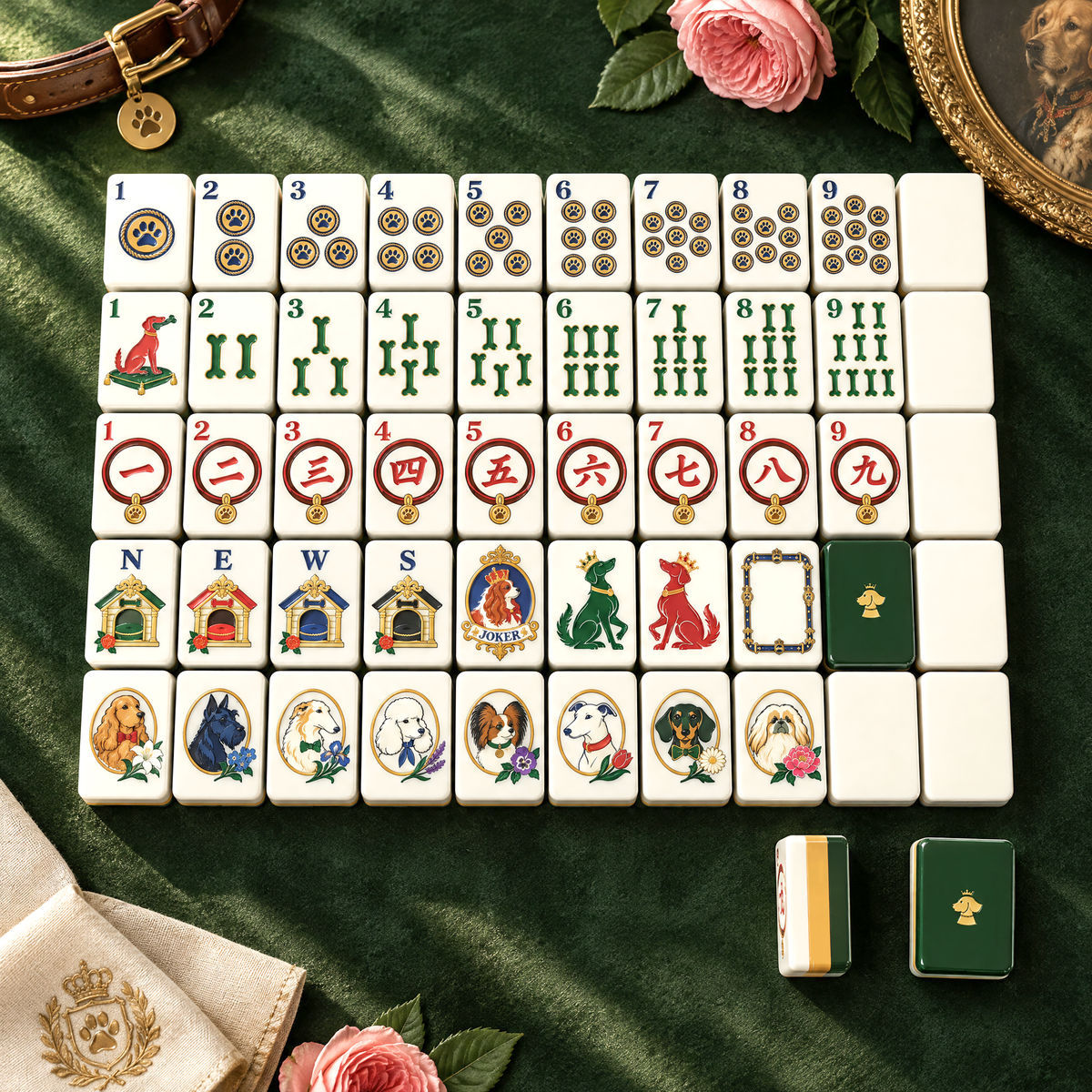
Mahjong tile sound comes from the material (bone, bamboo, acrylic, or plastic), thickness, and surface finish striking the table or rack during play. Acrylic tiles produce a clean, uniform click; bone and bamboo give a warmer, more organic tone; plastic tiles sound hollow or muted. The deck shuffles (the Charleston, tile draws, building the wall) and the regular tapping of tiles into racks create most of the auditory experience. Sound quality matters because it signals tile quality to experienced players and heightens engagement during long games. At Mahstead, we design engraved American mahjong sets with acrylic tiles selected for consistent, satisfying click—a practical choice for weekly home games where durability and clear feedback matter as much as aesthetics.
The sound of tiles shuffling and clicking is part of mahjong's ritual. Material, thickness, and surface finish striking the table or rack during play determine whether your set sounds crisp or dull—and experienced players choose accordingly. Acrylic tiles produce a clean, uniform click; bone and bamboo give a warmer, more organic tone; plastic tiles sound hollow or muted. The deck shuffles (the Charleston, tile draws, building the wall) and the regular tapping of tiles into racks create most of the auditory experience. Sound quality matters because it signals tile quality to experienced players and heightens engagement during long games.
What creates that satisfying mahjong tile click?
The sound comes from three sources: material hardness, tile thickness, and surface texture. When you shuffle tiles face-down on a mat, draw from the wall, or place tiles into a rack with pushers, each impact produces a note. Harder materials (acrylic, bone, bamboo) transmit vibrations cleanly; softer materials (plastic resin, PVC) dampen sound. Thicker tiles—standard American mahjong tiles are typically around 0.3 inches (roughly 7.5 mm)—resonate longer than thin ones. A smooth gloss or matte finish carries sound differently than embossed or engraved surfaces. Together, these factors create the acoustic signature players associate with quality.

How does acrylic compare to bone, bamboo, and plastic?
Acrylic tiles offer a bright, consistent click—each tile sounds identical to the next, which experienced players appreciate because it provides reliable feedback during rapid play. Bone and bamboo tiles (traditional in Chinese and professional sets) produce a softer, warmer tone with slight variation from tile to tile, reflecting natural material variance; they're also heavier and more fragile. Plastic or PVC tiles sound dull and sometimes plasticky, which many players find discouraging because the lack of resonance can feel cheap. Acrylic wins for home weekly games: it's durable, washes clean, engraves sharply (great for personalized sets), and reproduces that click without requiring hand-crafted care. Our best-selling mahjong sets use acrylic for exactly this reason.
Material | Sound Character | Durability | Cost Basis | Best For |
Acrylic | Clean, uniform click | Very high | Mid-range | Weekly home games, custom engravings |
Bone | Warm, organic tone | High | Premium | Collectors, professional play |
Bamboo | Soft, natural resonance | Moderate | Premium | Traditional players, display |
Plastic/PVC | Dull, hollow | Low-moderate | Budget | Casual play, travel only |
🀄 Shop best-selling mahjong sets →
Why does tile thickness affect the sound?
Thicker tiles vibrate longer when struck, producing a deeper, more sustained note. American standard tiles are uniform in thickness (built into the 152-tile specification), which means all tiles in a deck sound consistent. Thin tiles (sometimes found in budget or travel sets) click briefly and weakly, signaling low material density. Thickness also correlates with durability: thinner tiles crack or chip after years of shuffling and stacking. When you build the wall at the start of each hand or draw tiles rapidly during play, you want that solid acoustic feedback—it means the tile is there, it's real, and it will last. Check the weight and thickness before buying; a quality set should feel substantial in your palm.

How does a mahjong mat or rack affect the sound you hear?
The surface beneath your tiles shapes the acoustic experience as much as the tiles themselves. A hard, flat table produces a sharp, loud click; a padded mat (often bamboo or felt underside with a microfiber playing surface) dampens and softens the sound, creating a more muted, professional tone. A mahjong rack with pushers holds tiles vertically, and when you tap a tile with a pusher to "knock" it (indicating you're passing on your turn in some variants), the frame can amplify or absorb the sound depending on material and construction. Acrylic and wooden racks produce clearer feedback than plastic ones. If you want to control the soundscape during your weekly game, pairing a quality mahjong mat with well-chosen tiles is the first step. The mat itself doesn't make tiles louder or softer, but it does change the overall acoustic character of your table.
🎁 See our most-loved mahjong sets & accessories →
How do engraved tiles compare to plain tiles for sound?
Engraved tiles—where the design is incised or etched into the surface—can have slightly different acoustic properties than plain tiles because the surface is no longer uniform. However, the effect is minimal; the core material and thickness matter far more than engraving. Engraved designs do slow down tile wear by protecting the artwork from fading under repeated shuffling and hand oils. At Mahstead, our engraved American mahjong sets use precision engraving that doesn't alter the click—it sharpens the visual identity of your set without compromising playability or sound. If you're hosting weekly games and want a set that looks custom and sounds professional, engraved acrylic sets deliver both. The personalization becomes part of the ritual: your group recognizes the set by sight and by ear.
What should you listen for when choosing a mahjong set?
Before you buy, ask the seller if you can hear or feel a sample tile (many shops allow this). A quality tile should:
Sound crisp and clear, not hollow or muted.
Feel substantial in weight (not light or flimsy).
Have a smooth surface without rough seams or burrs.
Resist chipping or cracking when gently tapped on a table edge.
If you're ordering online and can't test a tile, read reviews from players who describe the sound (words like "satisfying," "solid," "dull," or "plasticky" are red flags or green lights). Weight and thickness are listed specs; American sets are all 152 tiles, so if a set claims to be "full-size," it should include exactly 152 playing tiles. Our sets are shipped with care to prevent damage; acrylic is durable enough to survive travel and storage, so long-term playability is reliable.
✨ Find your Mahstead set — free US shipping →
What to check before you buy
Material: Ask if tiles are acrylic, bone, bamboo, or plastic. Acrylic is the sweet spot for home play.
Weight & feel: A tile should feel heavy enough to signal quality, not light or hollow.
Sound sample: Request a photo or video of tiles being shuffled if buying online.
Durability specs: Check if the set includes jokers and spares (a 160-tile set has 152 for play plus spares).
Engraving quality: If personalized, ensure the design is sharp and won't wear off after a season of play.
Return or satisfaction policy: Confirm you can return if the sound or feel isn't what you expected.

FAQ
Do acrylic tiles sound as good as bone tiles?
Acrylic produces a brighter, more uniform click; bone gives a warmer, more organic tone. "Better" depends on preference. Most home players prefer acrylic because every tile sounds identical, which means consistent feedback during fast play and shuffling.
Why do some mahjong sets sound hollow?
Thin tiles or plastic materials lack density and dampen vibrations, producing a muted, hollow tone. This signals lower material quality and often correlates with poor durability. Thickness and material hardness are the main culprits.
Does engraving change how a tile sounds?
Minimally. The core material and thickness determine sound; engraving alters the surface but not the acoustic properties. Our engraved sets sound identical to plain acrylic sets of the same thickness and material.
How does a padded mat affect the tile sound?
A mat with a soft underside dampens sound, creating a softer, more professional tone than playing on a bare table. A hard surface amplifies the click. Choose based on whether you prefer crisp feedback or a quieter game.
Can I test a mahjong set's sound before buying online?
Ask for a video or audio sample of tiles being shuffled. Review descriptions that mention sound quality (crisp, solid, satisfying, or dull). Check material and thickness specs; acrylic at standard American thickness usually delivers a good click.
What's the difference between a 152-tile and 160-tile set?
A 152-tile set contains exactly the tiles needed for American mahjong (108 suited tiles, 16 winds, 12 dragons, 8 flowers, 8 jokers). A 160-tile set includes 152 playing tiles plus spare jokers and blanks. Mahstead sells 160-tile sets to ensure you always have backups for lost or damaged tiles.


View More
View More
View More
