
Where to Play Mahjong in San Francisco: Clubs, Groups & Getting Started
Last updated: Nov 23, 2026
San Francisco mahjong players gather at community centers (check your local Recreation & Parks site for drop-in or league games), libraries (many host casual groups in meeting rooms), Chinese cultural associations, synagogues, country clubs, and senior centers throughout the city. The best way to find active groups is to search "mahjong club near me" on social meetup boards, ask at your local community center's front desk, or join online Bay Area social groups dedicated to mahjong—you'll find regular weekly games, often on weeknight evenings or weekend afternoons. Games are typically open to beginners; most players happily teach. You'll need a set and a mat or table. Expect to spend a few hours per session; most games are social and cost-free or involve nominal snacks-and-supplies shares rather than money stakes. Start by asking what variant the group plays—American mahjong is common but not universal in Bay Area groups.
How do I find mahjong groups near me in San Francisco?
Start with three proven channels: your neighborhood community center (check SF Recreation & Parks online schedule or call), your local library's events calendar (many branches host weekly or monthly games), and online meetup platforms where Bay Area mahjong groups post regular sessions. Ask the staff directly—many groups meet at these venues but aren't heavily advertised online. Chinese cultural associations, synagogues, and country clubs in your area often host games; a quick phone call asking "do you have a mahjong group?" will connect you. Join Bay Area social media groups or forums focused on games and hobbies; active players post schedules and recruiting calls. Most groups are welcoming to beginners and will teach you the rules during the first session.

What's the difference between American and other mahjong variants in local groups?
San Francisco groups play American, Chinese, Hong Kong, and Riichi mahjong depending on their membership and tradition. American mahjong uses the official National Mah Jongg League card (updated each year) and requires specific tile combinations to win—no improvisation. Chinese, Hong Kong, and Taiwanese variants follow different scoring and hand rules, often allow sequences (chows), and don't use a card. Riichi mahjong (Japanese) is fast-paced with unique melds and betting. Before joining a group, ask which variant they play; if they say "American," clarify whether they use the current year's card, and ask if beginners are welcome. Most groups teaching a specific variant will provide the card or rules sheet at your first session. If you're learning how to play American mahjong, look for groups that explicitly offer American lessons or beginner nights.
What should I bring to a mahjong game in San Francisco?
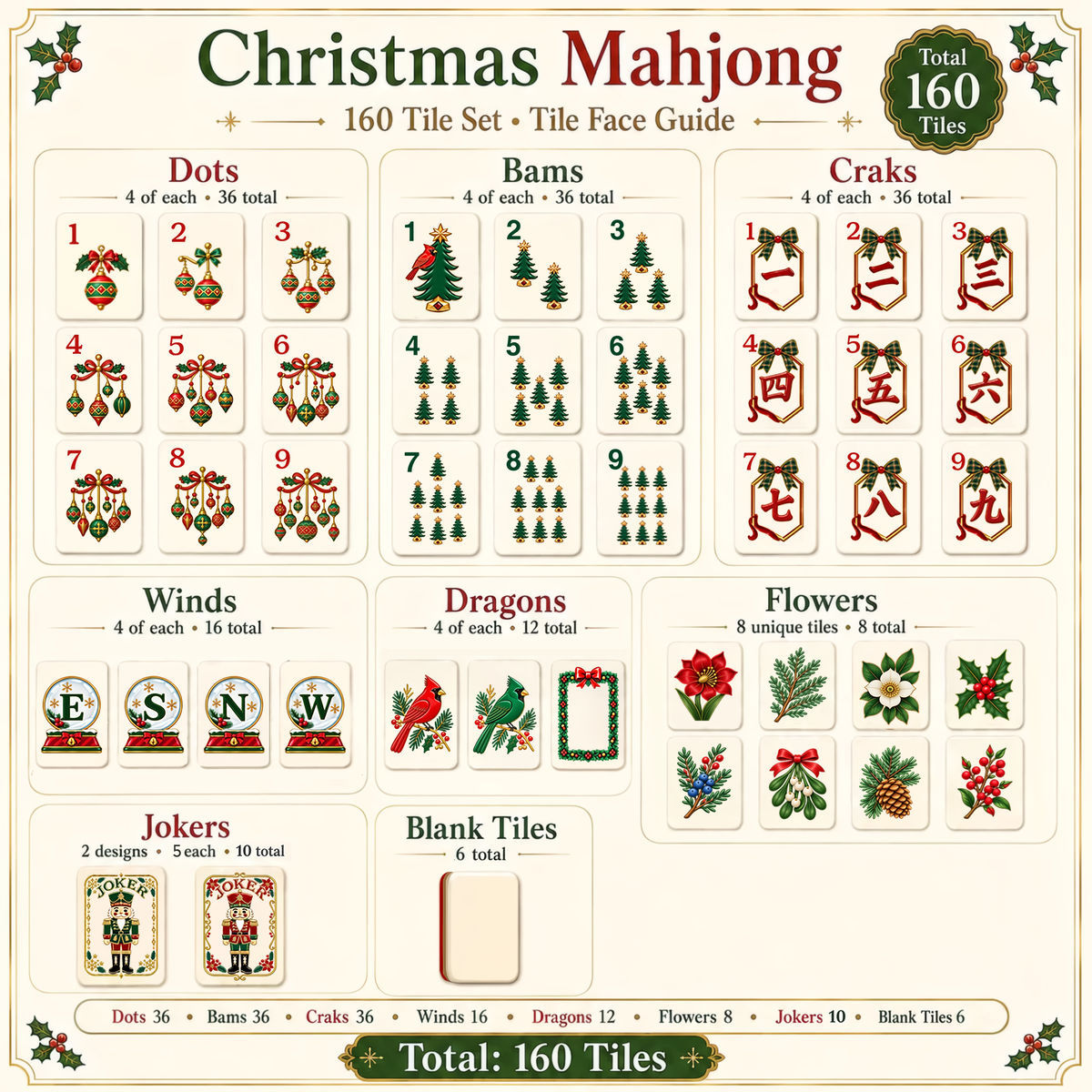
Bring a notebook or phone to track scores if the group doesn't have a official scorepad, a beverage if the venue permits it, and a willingness to learn—most groups have all equipment on hand. Some players bring snacks to share; ask beforehand. If you're hosting your own game or the group meets informally (at your home or a friend's place), you'll need a mahjong set with 160 tiles, a mat or table cover to protect the surface and keep tiles from sliding, and ideally a set of racks with pushers so each player can organize tiles comfortably and draw smoothly. A mahjong bag or case makes transport to venues easy, especially if you're a regular. A deck of dice (usually included in sets) randomizes the starting position. If the group is large, multiple sets ensure enough tiles for everyone to practice while waiting.

Which San Francisco neighborhoods and venues host regular games?
Community centers across San Francisco—in the Mission, Richmond, Sunset, Downtown, and other neighborhoods—host drop-in mahjong groups, especially on weekday evenings and Saturday afternoons. Call ahead or check the SF Recreation & Parks website for current schedules. Libraries in the Presidio, Sunset, Mission, and other branches often dedicate meeting rooms to hobby groups; ask the librarian whether a mahjong club meets there. Chinatown has cultural organizations and senior centers with long-standing games; these are excellent for both American and Chinese variant players. Country clubs and private clubs (if you're a member or know someone who is) often host games on weekends. Synagogues and Jewish community centers in the greater Bay Area frequently sponsor American mahjong leagues and drop-in sessions. University extensions and continuing education programs sometimes offer paid beginner courses; check SFSU, UC Berkeley, and private schools' course catalogs each semester.
Venue Type | Typical Schedule | Best For | How to Find |
Community Center | Wed/Thu eve, Sat afternoon | Beginners, casual players | SF Parks & Rec website or call local center |
Library | Monthly or weekly | Drop-in, flexible hours | Check library events calendar online |
Cultural Association | Weekends | Heritage learners, specific variants | Ask Chinatown or ethnic center directly |
Senior Center | Weekday mornings/afternoons | Experienced players, social | Call or visit center in your district |
Home group (private) | Rotating or fixed night | Close-knit, teaching-friendly | Word-of-mouth, online meetup boards |
How do I host my own mahjong game in San Francisco?
Hosting a home game starts with recruiting: tell friends, post on neighborhood apps or social media, or invite a group you've already joined to rotate to your place. You'll need a mahjong set (160 tiles minimum; buy spares if hosting often), a clean flat surface, and a mat or table cover to protect furniture and keep tiles from sliding. Racks with pushers make the game smoother—players can organize tiles tidily and draw from the wall without fumbling. Decide in advance whether you're teaching beginners or hosting experienced players; if teaching, have the rules sheet or card visible (for American mahjong, print or display the current year's National Mah Jongg League card). Provide water or light snacks, clear the game area of distractions, and plan for 2–3 hours. Tell players the start time, end time, and which variant you're playing. Many first-time hosts find that investing in quality engraved sets or sets with a theme they love—like a Christmas or seasonal set if hosting during holidays—makes the game more inviting and memorable.
🀄 Shop best-selling mahjong sets →
Common mistakes when joining or starting a mahjong group
Assuming all groups play the same rules. They don't. Always ask what variant and which rules card (for American mahjong) before you arrive. Bringing a set without a mat or racks. Tiles slide on bare tables, games slow down, and disputes arise. A mat costs little and prevents chaos. Skipping the Charleston. If the group plays American mahjong, the tile-passing ritual before the game (called the Charleston) is non-negotiable—don't skip it or rush it. Not asking whether beginners are welcome. Some high-speed veteran groups won't pause to teach; always ask if it's a beginner-friendly session or if they prefer experienced players. Forgetting to bring scoring supplies. Most groups have paper and pencil, but if scoring is unfamiliar to you, write down scores so you learn; revisit American mahjong scoring afterward. Buying an incomplete set. Make sure your set has 160 tiles and includes everything needed—learn what's in a proper American mahjong set before purchasing. Hosting without joker understanding. If teaching newcomers, demonstrate how jokers work early; it prevents confusion mid-game.
What to check before you buy a set for your home games:
Does the set have 160 tiles (not 144)?
Are all tiles visible and legible (no chipped edges or faded markings)?
Does it include racks and pushers, or will you need to buy them separately?
Is the carrying case durable enough for weekly transport?
Will you play American or another variant? (American sets differ from Chinese-style sets.)
Do you have space for a mat or table cover?
🎁 See our most-loved mahjong sets & accessories →

FAQ
Do I need to know how to play before joining a San Francisco mahjong group?
No. Most groups welcome absolute beginners and teach during the first session. Tell the host or coordinator you're new; they'll assign you a mentor or teach you the basics. American mahjong has straightforward rules—you'll learn by playing. Bring a note pad to track scoring if that's unfamiliar.
What's the cost of joining a mahjong group in San Francisco?
Most drop-in groups at community centers, libraries, and cultural organizations are free or charge a small annual membership (under $20–50). Home groups typically split snacks or supplies informally. Paid classes through university extensions or dedicated clubs may range higher, but social games are rarely expensive.
Can I play American mahjong if I speak only English?
Yes, absolutely. American mahjong uses an English-language card, numbered tiles (1–9), and English suit names (Bam, Crak, Dot). You don't need to know Chinese terms, though some players use them for speed. Any group teaching American mahjong to English speakers will use English throughout.
How often do groups meet, and can I attend once a week?
Frequency varies by group—some meet weekly on one fixed night, others meet twice a week or monthly. Many regular players attend one group weekly and occasionally join others. Ask the coordinator for their schedule; most groups welcome consistent attendance and are flexible about occasional absences.
What if I want to start a mahjong group but don't know anyone who plays?
Post on Bay Area meetup sites, neighborhood apps, or Facebook groups offering "beginner mahjong game" at your home or local venue on a set day each week. Many newcomers search for groups the same way. Start with 4 people (the minimum for a standard game) and recruit friends or colleagues; most groups grow to 6–8 regulars through word-of-mouth. Buy a quality set and mat first to show you're serious.
Should I buy my own set or use the group's set?
If you're a casual player joining an established group, you can start with their set. If you're hosting, attending multiple groups, or playing weekly, buy your own best-selling set. Owning a set gives you control over quality, cleanliness, and tile condition—especially important for frequent play. Many longtime players own two sets for backup.
Are there American mahjong leagues in San Francisco?
Yes. The National Mah Jongg League sanctioned clubs operate in the Bay Area; search online for "NMJL club near me" or check the league's official website for local chapters. Leagues hold tournaments, teach official American mahjong rules, and provide the current year's card. Some community centers and senior centers run informal league-style points systems too. ✨ Find your Mahstead set — free US shipping →


View More
View More
View More
