
Modern Mahjong Card Holder: Types, Comparison & How to Choose
Last updated: Nov 23, 2026
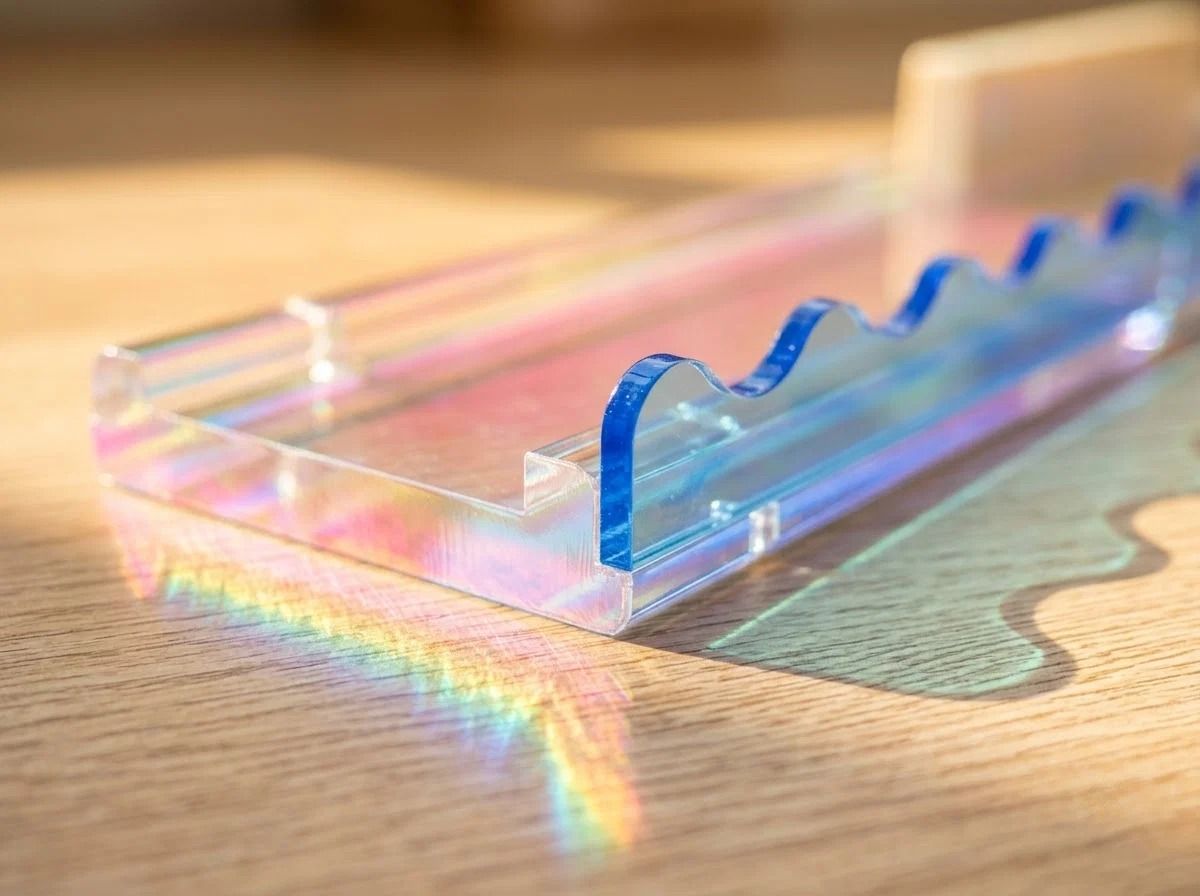
A modern mahjong card holder is a stand, frame, or mount that displays the current year's National Mah Jongg League card upright or flat so all four players can reference hand patterns without folding or losing your place. Most holders sit in the center of the table or hang on a wall near the play area. Plastic tabletop stands are lightweight and portable; wooden racks offer durability and aesthetic appeal; wall mounts save table space. Prices vary from basic to premium depending on material and finish. The best holder for you depends on whether you host casual weekly games or semi-formal gatherings, how often you travel with your set, and your table's layout. Mahstead's best-selling mahjong sets pair well with tabletop or wall card holders to create a complete, organized play environment.
What is a mahjong card holder and why do you need one?
The National Mah Jongg League publishes a new card every spring with that year's legal hands. During a game, all players must reference this card constantly—it's not optional, and you can't memorize it. A card holder keeps it visible, protected from spills, and positioned so no player has an unfair sightline advantage. Without a holder, the card gets bent, lost, or accidentally rotated, which derails the game. A good holder also signals to guests that you're serious about organized play, not casual dabbling.
🀄 Shop best-selling mahjong sets →

Which card holder style fits your setup?
Style | Who it's for | Footprint | Portability | Durability |
Plastic tabletop stand | Weekly casual players | 4–6 inches | Excellent (fits any bag) | 2–4 years |
Wooden frame or rack | Semi-regular hosts | 6–8 inches | Good (lightweight wood) | 5+ years |
Wall-mounted acrylic | Limited table space | Wall-only | Static (stays put) | 5+ years |
Laminated card in sleeve | Traveling players | Card-sized | Excellent (pocket-fit) | 1–2 years |
Plastic stands are cheapest and travel best; wooden frames add elegance and outlast plastic; wall mounts vanish from the table entirely, useful if your mat or racks claim center space. Laminated cards in protective sleeves are not true holders but work for players who move sets between homes weekly.
How do you set up a card holder for fair play?
Position your card holder so that all four players—North, East, South, West—can read it without standing or leaning hard. Place it slightly off-center or at a 45-degree angle to the table so the dealer and opposite player both see the same information. Never prop it behind one player or on a shelf behind one seat; that creates a sightline advantage. If using a wall mount, mount it at eye level when seated, about 2–3 feet from the table's edge. Test the angle with all four players seated before your first game. If you host games on a mat with racks with pushers, leave 6–8 inches of clear table space in the center for the card holder so it doesn't obstruct the wall or racks.
What makes a card holder durable and easy to clean?
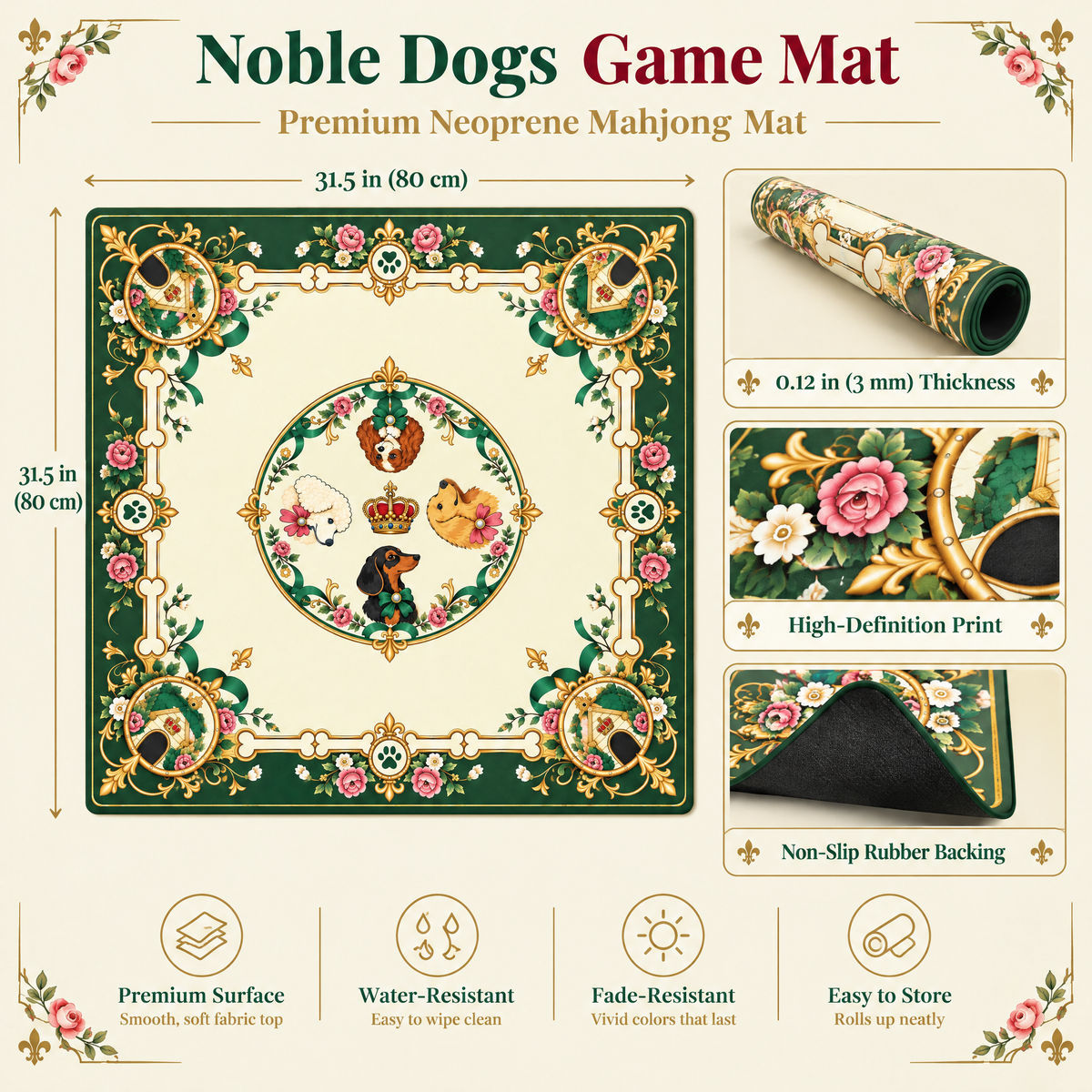
Plastic stands survive accidental spills better than paper or cardboard but yellow and crack after 2–3 years in direct sunlight or heat. Wooden frames must be sealed or waxed to resist moisture; unsealed wood swells and warps. Acrylic mounts are nearly indestructible but can scratch if you drag tiles across them. To clean any holder, wipe with a soft, lint-free cloth slightly dampened with water—never use harsh chemicals or bleach. If your card gets stained or creased inside a holder, slip out the card and replace it; the holder itself is reusable. Mahstead's mahjong mats pair seamlessly with any holder style because they reserve table space and reduce the chance of spills reaching your stand.
🎁 See our most-loved mahjong sets & accessories →
How do you choose between a tabletop and wall-mounted holder?
Tabletop holders work for any table (permanent or temporary) and require no drilling or installation. They're ideal if you rent your home, rotate game locations, or play on a console table that's not a dedicated mahjong surface. Trade-off: they consume 4–8 square inches of table real estate and must be stowed after play.
Wall mounts suit a dedicated game room or permanent setup where your table doesn't move. They free the entire tabletop for tiles and racks, create a polished look, and let players see the card without bending their necks. Trade-off: installation requires wall space above or beside your table, and moving to a new house means leaving it behind. If you own your home and play 2+ times weekly, wall-mount pays off; if you're nomadic or rent, go tabletop.
What should you check before you buy a card holder?
Card size & format. The current League card is a standard 8.5" × 11" sheet. Confirm your holder fits that size or has an adjustable frame.
Material & finish. Plastic, wood, or acrylic? Will it match your set's aesthetic? (e.g., if you own engraved American mahjong sets, a wooden holder may complement it better than clear plastic.)
Angle & visibility. Test the viewing angle for all four seats. Can you read text from 2 feet away?
Stability. Does it tip if a player leans on the table? Will it survive bumps from mahjong bags?
Replacement card access. Can you swap in next year's card without tools or re-framing?
Installation (if wall-mounted). Do you have a stud to mount on? Is the wall behind your table secure?
✨ Find your Mahstead set — free US shipping →
Why Mahstead's approach to table setup matters
We design our best-selling mahjong sets and matching mahjong mats to work together in a real game room. A card holder is one piece of that ecosystem. Your set, mat, racks, and card holder should all coexist without fighting for space. We recommend measuring your table (length and width), deciding whether you'll use racks with pushers, and then choosing a card holder that fits the remaining real estate. If your table is 40 inches wide and your mat is 28 inches square, a small tabletop stand fits above the mat; if your table is 36 inches, a wall mount makes more sense. This backward-planning avoids frustration and last-minute rearrangement during your first game.

FAQ
Can you use a card holder with a folded or rolled-up card?
Yes, but it defeats the purpose. A folded card exposes only part of the patterns, forcing you to unfold it mid-game (messy, error-prone). Always keep the card flat and full-size in your holder. If space is tight, opt for a wall mount instead of cramming a folded card into a small stand.
Do you need a separate card holder if you have a mahjong table with a built-in card slot?
No. Many mahjong tables have a carved or inlaid slot designed to hold a card upright. Use that built-in slot; it's usually better-positioned than a separate stand. If your table lacks one and you're considering a table purchase, inquire about card-slot availability before buying.
Can a card holder double as a display stand for mahjong decorations?
Absolutely. Many players use a wall-mounted card holder with a polished wood or acrylic frame as both functional and decorative. Between games, it showcases your Christmas mahjong sets or a rotating collection of cards from past years, adding to your game room's aesthetic.
What's the difference between a card holder and a card protector sleeve?
A holder is a stand or frame that props the card upright for viewing during play. A protector sleeve is a clear plastic pocket that you insert the card into, which prevents stains and creases but doesn't stand on its own. Many players combine both: they place a sleeved card into a tabletop holder for maximum protection and visibility.
Should you buy a card holder as a gift for a new mahjong player?
Yes, especially paired with a set. A new player often receives a set but may not have organized their card display, and a thoughtful holder signals you expect them to host or play regularly. Choose a style that matches their table aesthetic and whether they're likely to move their set around or keep it stationary.


View More
View More
View More
