
Where to Play Mahjong in Plano: Local Groups & Getting Started
Last updated: Nov 23, 2026
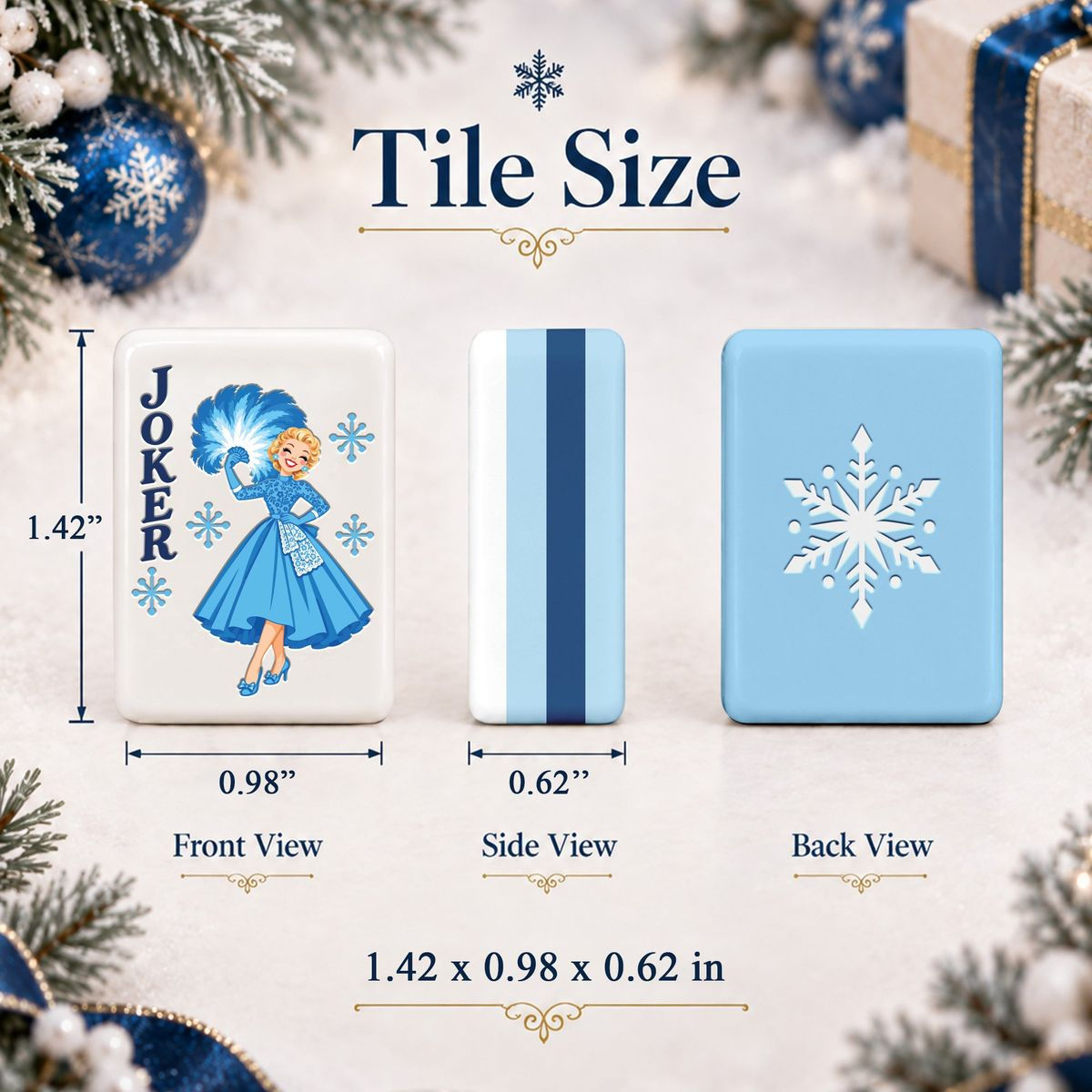
Plano doesn't host a dedicated mahjong venue, but the greater Dallas area offers multiple paths to find games. Search community centers, public libraries, and recreation departments for open game nights or clubs—many run weekly American mahjong. Country clubs and Jewish community centers often host players or can refer you to groups. Online platforms like Meetup let you search "mahjong" near your zip code to find active four-player groups meeting in homes or leased spaces. If no group fits your schedule, host your own: you'll need a best-selling mahjong set (160 tiles including jokers), a mat, four racks, and four players ready to learn the National Mah Jongg League card. Starting a weekly game with friends is often faster than hunting for an existing one.
How do I find existing mahjong groups near Plano?
Begin with Plano Parks and Recreation—call or check their website for game nights, senior programs, or community classes that mention mahjong. Public libraries often host clubs or bulletin boards listing local groups. Search Facebook groups for "Plano mahjong," "Dallas mahjong," or "DFW mahjong"—active communities post meeting times and locations there. Meetup.com's search tool filters by distance from your zip code; many groups meet weekly and welcome newcomers. Ask at country clubs or synagogues; they frequently host regular games or have member networks. Join one or start fresh—both work equally well.

What's the difference between joining a club and hosting your own game?
Joining a club means showing up on their schedule with established players and agreed-upon stakes. You'll learn house rules quickly and meet people who've played for years. Hosting your own game gives you control over timing, house rules, learning pace with the mahjong card, and whether scoring is competitive or social. Club players often expect you to bring your own set and understand the Charleston; hosting lets you teach everyone together. Neither is better—choose based on your schedule and comfort level with the game's pace.
What equipment do I actually need to start hosting weekly games?
You need one complete 160-tile American mahjong set, a mat to play on, four player racks with pushers, and (optional) a travel bag if you move the set between locations. The set includes 152 playing tiles plus spare jokers. A mat protects tiles, organizes the discard pile, and keeps games from sliding. Racks hold your tiles upright so others can't see your hand; pushers keep tiles in place during the Charleston. Dice roll to determine who plays which seat. If you're hosting monthly or traveling to tournaments, a sturdy bag protects everything. Don't buy more than one set—you'll always play with exactly 152 tiles, and spare jokers are included. Check out our best-selling sets collection to see what works for regular hosting.
🀄 Shop best-selling mahjong sets →

Do I need to learn American mahjong rules before joining a group?
Not fully, but knowing the basics helps you enjoy your first game. Spend 15 minutes reading about the National Mah Jongg League card, the Charleston tile-passing ritual, and how jokers work in American mahjong. Understand that American mahjong differs from Chinese or Hong Kong variants—we use a published card of legal hands, no sequences (chows), and jokers can never be a single tile or pair. Watch a five-minute YouTube demo of a complete hand. Most groups expect players to learn by watching the first few games; if they're patient with newcomers, you'll pick up scoring and strategy in two or three sessions. Our mahjong for beginners guide covers everything a first-timer needs.
Should I buy my own set or use someone else's?
Buy your own if you're serious about playing weekly or hosting. A personal set means you control the tile quality, tile weight, and racks—comfort matters over 20-30 hands per session. You'll also show up ready instead of waiting for a host to pull out their set. Used sets are common at thrift stores or online resale; new sets from Mahstead ship free across the US and include everything you need to start immediately. Borrow if you're testing the game with one friend session. If you're joining a club, ask what the group expects; many players bring their own, but some share a club set.
🎁 See our most-loved mahjong sets & accessories →
Where to get your equipment
Item | Why you need it | How to choose |
160-tile American set | Contains all 152 playing tiles plus spares; required for every game | New sets include tiles, winds, dragons, jokers, and flowers; check it ships with racks or buy separately |
Rack with pusher (×4) | Holds your 13 tiles upright; hides your hand from others | Bamboo or acrylic; must accommodate 13 vertical tiles; pushers keep tiles secure during Charleston |
Mat | Organizes discard pile; protects tiles from scratches | Folds for storage; leather or felt top; at least 36" to 40" square for four players |
Dice (×2) | Rolls determine seating and wall break | Standard six-sided; included in most sets or buy separately |
Bag (optional) | Carries set between home games or tournaments | Structured cases protect tiles; soft bags work for occasional moves; not needed if you host at home |
What to check before you buy
Set completeness: confirm the purchase includes all 152 playing tiles (36 Bams, 36 Craks, 36 Dots, 16 winds, 12 dragons, 8 flowers, 8 jokers) plus spares. Don't assume extra tiles are blanks—they're usually spare jokers.
Tile weight and finish: heavier tiles (usually bamboo-faced or bone-composite) feel better during long games and shuffle more naturally than light plastic. Test if you can, or read descriptions carefully.
Rack compatibility: your racks must hold 13 tiles vertically without them falling. Bamboo racks are traditional but scratch easily; acrylic racks are durable and cheaper but can feel plastic-y. Pushers should grip the tiles, not slide past them.
Shipping and arrival: verify the set arrives complete and undamaged before your first game. Keep the original box or bag until you've sorted all tiles.
✨ Find your Mahstead set — free US shipping →

FAQ
Can I play mahjong in Plano with only three people?
Yes, with house rules. American mahjong is designed for four players, but 2- and 3-player variants exist—you'll use fewer tiles and modify scoring. Standard four-player rules don't work for three; agree on house rules before starting.
Where do I find the current year's National Mah Jongg League card?
The League publishes a new card every spring. Buy a laminated printed copy at game shops, online retailers, or print one yourself from the official PDF (league membership includes digital access). Every American mahjong hand must come from that year's card only—no hands from prior years.
How much does it cost to join a Plano mahjong club?
Most clubs charge $5–$10 per session or a monthly membership fee ($20–$50); some charge nothing if you play at a member's home. Always ask about stakes and whether hosts expect players to share cost—we can't list other venues' fees, but calling local community centers gets you exact pricing.
What if I'm completely new to mahjong—can I still host?
Absolutely. Host a "learning game" where everyone reads the rules together first; most players remember their first session was slow, and patience is expected. Have the mahjong card visible; pause to look up hands. You don't need to be an expert—you need four people and one complete set.
Should I buy an engraved or personalized mahjong set?
Engraved sets are excellent gifts for players you know well or if you want to mark your set as yours (helpful if multiple sets rotate through a hosting group). For your first set used for learning, a standard set works fine; upgrade to engraved later if you're hosting regularly and want to stand out.


View More
View More
View More
