
How to Store Mahjong Card Holders: Protection & Organization
Last updated: Nov 23, 2026
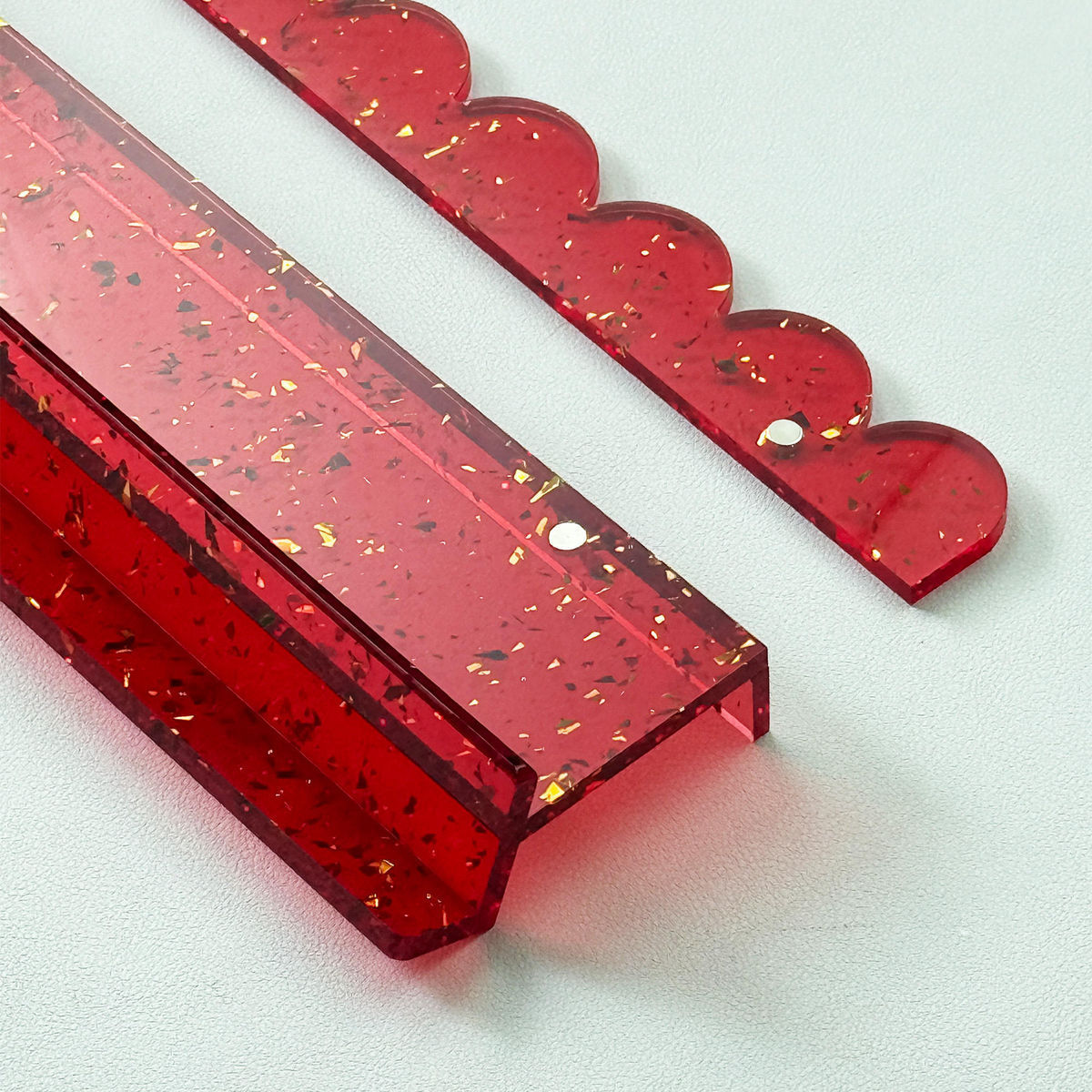
The card holder itself is your first defense: slip the current season's National Mah Jongg League card into a rigid plastic or acrylic sleeve, stand it upright in a dedicated box or drawer compartment away from humidity, and store it flat or spine-up—never rolled. Keep it at room temperature, away from direct sunlight and moisture. Many of us store our card holders inside the mahjong set bag or case alongside the tiles, since the bag seals out dust and keeps everything together before game night. If you host weekly games, a small plastic filing box with dividers works well; label each slot by year. Avoid paper sleeves, rubber bands, and damp basements. Most players replace their card annually when the National Mah Jongg League releases the new version each spring, but older cards stay readable if stored flat and dry. A mahjong travel bag with a flat document pocket is ideal for active players who transport cards between homes. 🀄 Shop best-selling mahjong sets →
Where should the card holder live between game nights?
Most of us store the card holder inside our mahjong set's travel bag or case—it's the safest spot because the bag protects it from dust, spills, and sunlight. If you don't have a bag yet, a small plastic document box with a tight seal works equally well. Keep it in a cool, dry room (bedroom, study, closet) rather than the kitchen, garage, or basement, where humidity and temperature swings warp the sleeve and fade the print. Label the outside of the storage container with the year so you can quickly grab the right card when it's time to play.
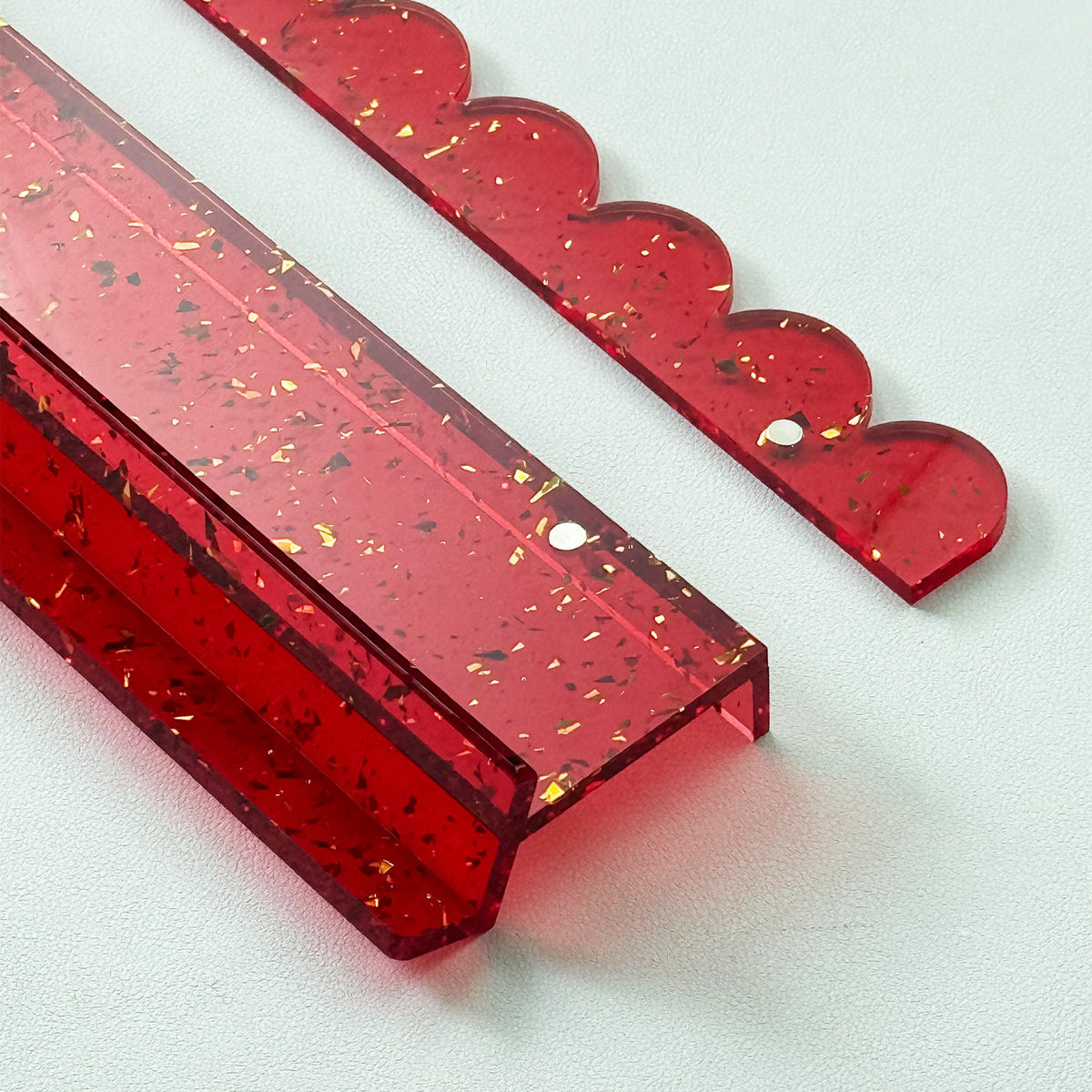
What's the difference between card sleeve types?
Sleeve Type | Material | Best For | Lifespan | Downsides ---|---|---|---|--- Rigid plastic | Polypropylene or PVC | Weekly players | 2–3 seasons | Can crack if bent; too stiff for some hands Soft acrylic | Flexible acrylic sheet | Casual players | 1–2 seasons | Scratches over time; offers less structure Paper | Cardstock or kraft | Budget option | 6–12 months | Absorbs moisture; yellows; creases easily Laminated card | Card stock + sealed laminate | Frequent players | 3+ seasons | Cannot be replaced if card updates; bulk storage issue
The rigid plastic sleeve is our default: it's durable, won't wrinkle, and lets you read the card clearly without glare. Avoid paper sleeves entirely—they absorb humidity and will warp your card within months.
How do you organize multiple years of cards?
If you've played for more than one season, keep old cards in a separate labeled box or file folder. Number each sleeve by year (2026, 2025, 2024, etc.) on the outside with a permanent marker. Store them upright in a small filing box with dividers, or lay them flat in a shallow drawer. This way, if a visiting player asks to see last year's hand patterns or you need to reference a historical card for teaching, you'll find it instantly. Many of us also photograph the card each spring and save it to a phone folder as a backup—no substitute for the physical card at the table, but useful for quick reference or travel when you forget the card holder at home.
What mistakes ruin mahjong cards fastest?
Rolling the card damages the crease and makes it impossible to lay flat at the table. Storing it in a hot car or damp garage accelerates fading and causes the plastic sleeve to warp. Rubber bands leave permanent creases; paperclips create puncture marks. Stacking heavy objects on top of the card bends the sleeve and can compress the folds into the cardstock itself. Leaving it near a window lets UV light bleach the printed numbers and suit symbols until they're unreadable mid-game. Finally, loose storage without a sleeve or case invites dust, pet hair, and accidental spills—we've all seen a coffee ring ruin a card mid-season. Use a rigid sleeve, seal it in a protective bag, and store it flat in a cool closet.
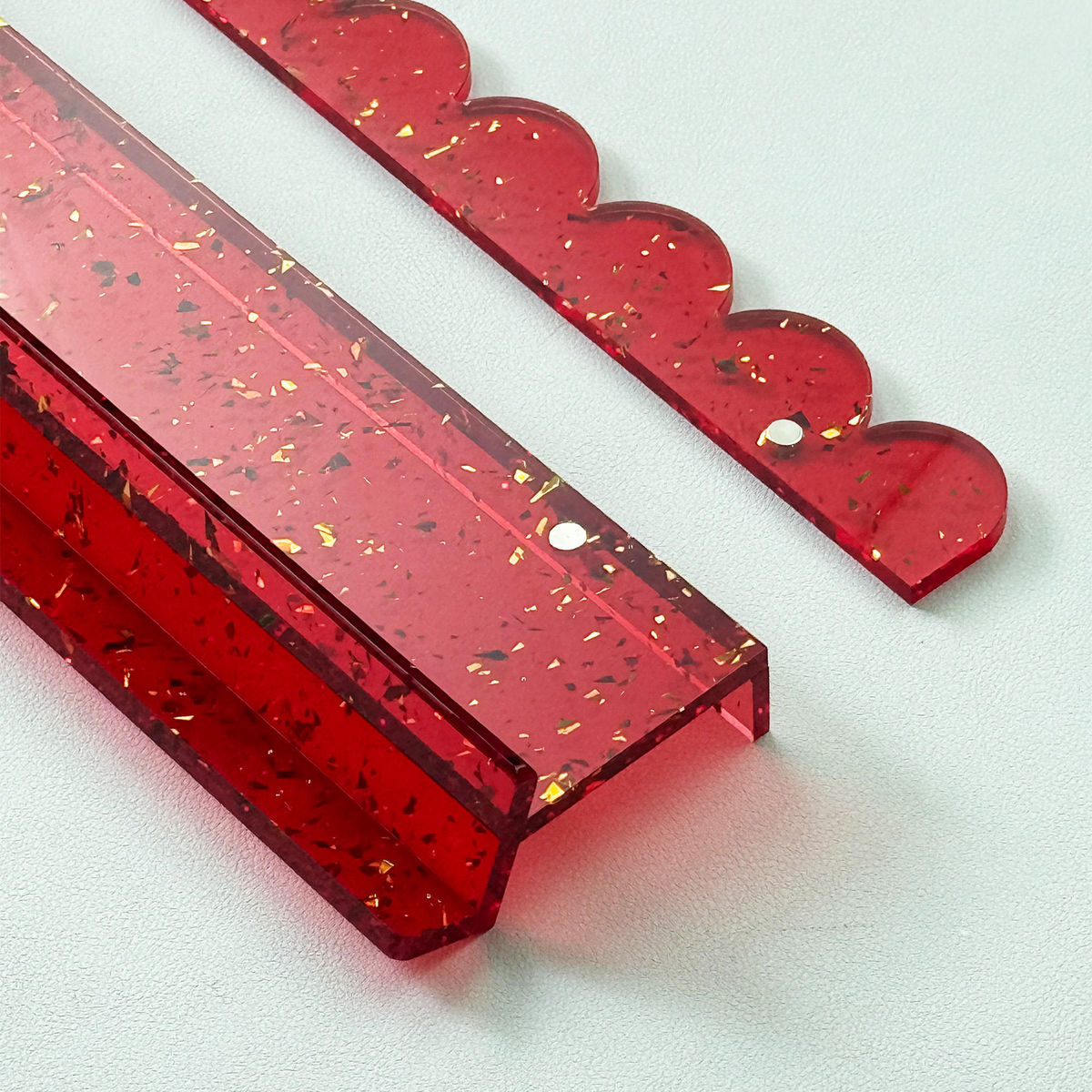
Should you laminate your card to make it waterproof?
We don't recommend full lamination because the National Mah Jongg League releases a new card every spring, and a laminated card cannot be updated or replaced without replacing the whole sheet. Some players laminate a printed backup copy for casual play or teaching, but the official card should stay in a rigid plastic sleeve instead. If you're worried about spills at the table, keep a clear protective sleeve nearby and swap the card into it during drinks or snacks. Many venues use mahjong mats with raised edges that catch spills before they reach the card holder.
What's the best card holder setup for weekly hosting?
Set up a small desk or shelf near your table with a labeled card holder for each player—this way no one wastes time searching for their card, and you avoid mixing up copies from different years. Stand each holder upright or prop it at a 45-degree angle so players can see the printed grid without leaning in close. If you host regularly, engraved mahjong sets and matching racks with pushers signal professionalism and make the game feel intentional. Between games, stack the card holders in a plastic file box and store it inside your travel bag so everything travels together next week. This eliminates the chaos of forgotten cards and torn sleeves.
🎁 See our most-loved mahjong sets & accessories →
What to check before you buy
Sleeve thickness: Rigid plastic should be at least 0.5mm thick to prevent bending when inserted or removed.
Card dimensions: Standard U.S. National Mah Jongg League cards are 8.5" × 11"—confirm your sleeve fits before ordering.
Material durability: Acrylic and polypropylene last longer than PVC; avoid brittle or cloudy plastics that crack easily.
Seal quality: If you're buying a storage case or bag to hold the card, check that zippers close smoothly and corners are reinforced.
UV protection: Some sleeves offer tinted or UV-blocking material—useful if you store near a window.
Backup plan: Keep one blank rigid sleeve on hand so you can immediately protect the new card when it arrives each spring.
✨ Find your Mahstead set — free US shipping →

FAQ
Can I store my card in a regular office file folder?
Yes, if the folder is kept dry and stored flat in a cool place. However, a rigid plastic sleeve inside a file folder is more durable and easier to grab at game time—no fumbling through papers.
How long does a card last if I play every week?
A card in a rigid sleeve typically stays crisp and readable for a full season (spring through winter). Repeated handling, creasing, and spills can fade numbers faster; storing it sealed between games extends its life.
Should I buy a new sleeve every year?
Only if the old sleeve is cracked, cloudy, or permanently bent. Most rigid sleeves are reusable—just transfer the new card into the same sleeve each spring. Keep a spare sleeve on hand in case the old one breaks.
What's the difference between storing a card at home vs. at a club venue?
Home storage lets you control temperature and humidity; most of us keep our cards in bedroom or study closets. Club venues often store cards in bins or file drawers in the common room. Either works if you keep the card in a sleeve and away from moisture and heat.
Can I store multiple cards in the same bag as my mahjong set?
Yes. A mahjong travel bag with a flat document pocket is designed for this—card holders sit flat in the pocket while tiles, racks, and dice go in the main compartment. This keeps everything organized and prevents the card from bending or shifting during transport.
Is it worth buying a special card storage box instead of using a folder?
Only if you host regularly or collect multiple years of cards. A small plastic file box with dividers is inexpensive and keeps old cards organized by year. Casual players who store just one current card do fine with a sleeve inside a travel bag or closet shelf.


View More
View More
View More
