
Where to Play Mahjong in Philadelphia: Local Groups & Game Nights
Last updated: Nov 23, 2026
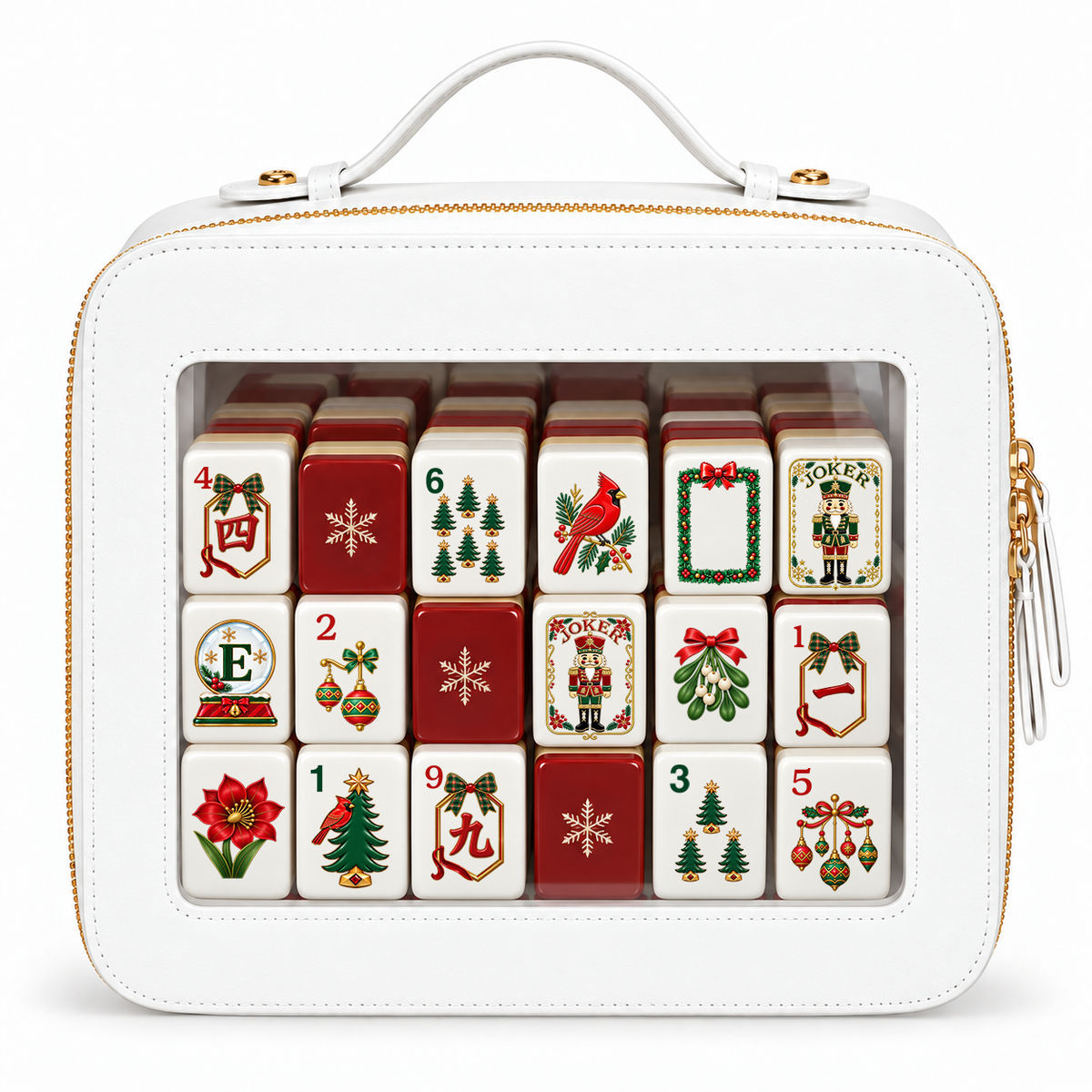
Philadelphia's mahjong scene centers on community organizations and social clubs across the city. Check with your local community center (many in neighborhoods like Center City and University City host weekly games), public libraries (ask the reference desk for game group schedules), and Jewish community centers and synagogues, which often run traditional American mahjong groups. Casual meetups happen year-round; most games run Thursday or Friday evenings, typically 7–9 p.m., and cost little or nothing. Beginners are almost always welcome—call ahead to confirm skill level and whether they provide tiles or ask you to bring a best-selling mahjong set. A few players also post on Meetup or Facebook groups dedicated to Philadelphia game nights; search "Philadelphia mahjong" to find current groups.
Philadelphia's mahjong community is active and welcoming. Check your local community center (many in neighborhoods like Center City and University City host weekly games), public libraries (ask the reference desk for game group schedules), and Jewish community centers and synagogues, which often run traditional American mahjong groups. Casual meetups happen year-round; most games run Thursday or Friday evenings, typically 7–9 p.m., and cost little or nothing to join. Beginners are almost always welcome—call ahead to confirm skill level and whether they provide tiles or ask you to bring a set.
🀄 Shop best-selling mahjong sets →
Where do Philadelphia players actually meet?
Your best bets are community centers, libraries, synagogues, and country clubs. Community centers in neighborhoods across Philadelphia (Center City, University City, Northeast neighborhoods) often host game nights or club meetings; call their front desk or check their event calendar online. Public libraries—especially larger branches—sometimes have listings for community game groups or host game nights themselves; librarians are a goldmine for connecting you. Jewish community centers and Reform/Conservative synagogues frequently sponsor American mahjong groups, often on weeknight evenings. Country clubs and athletic clubs in the area occasionally run mahjong nights; if you're a member or have a friend who is, ask about their schedule. The easiest way: search "mahjong Philadelphia" on Meetup.com or Facebook groups to find current gatherings.

What's the typical game schedule and cost?
Most established groups meet once weekly on Thursday or Friday evenings, usually 7–9 p.m., though some have daytime sessions on weekends. Games typically run four rounds (about 90 minutes total) or continue by the clock until 9 p.m. Cost ranges from free to a small table fee (a few dollars) to cover organization or snacks; some groups play for modest stakes, so ask upfront. Many groups are organized by season (fall through spring), with summer breaks or casual play. When you call or message, confirm the skill level they welcome (beginner-friendly groups are common), whether they play American or Chinese mahjong, and whether they supply tiles or expect you to bring a 160-tile set.
Should you bring your own set or use theirs?
If you're new, it's wise to ask before showing up. Most established groups have their own sets they've used for years, and mixing sets mid-game can cause confusion (different tile sizes, wear patterns, or missing pieces throw off play). If you're invited to a regular table, offer to ask; hosts usually say "please bring your own if you have one" or "we'll supply tiles." If you do bring a set, make sure it's complete with all 152 playing tiles plus jokers—check your tile count before you go. Bring your best-selling set or a trusted backup. New to owning a set? Many players appreciate a complete, durable acrylic set for portability; ours ships free across the US.

How do you find games as an absolute beginner?
Start by calling community centers or your local library and explicitly ask, "Do you know of any beginner mahjong groups?" Many staff have lists or can connect you to organizers. Look for groups that advertise "beginner-friendly" or "teaching welcome" on Meetup or Facebook. Attending a beginner session is usually low-pressure—most players remember learning and will walk you through how to play American mahjong and the current year's tile patterns. Bring a notebook to jot down hand patterns from the National Mah Jongg League card. If a group feels too fast or competitive, keep looking; Philadelphia has enough tables that you'll find one matching your pace.
What to bring and how to prepare for your first game
Pack: a complete American mahjong set (152 tiles + jokers), your own rack with pushers if you have one (or the group will provide), pen, notepad, and a printed or phone copy of the current year's National Mah Jongg League card (available free online from the League). Wear comfortable clothes—you'll sit for 90+ minutes. Review the Charleston (the tile-passing ritual at the start) and how jokers work before you go so the opening doesn't feel chaotic. Bring water and maybe a small snack. Arrive 10 minutes early to meet the group, ask questions, and let the organizer know it's your first time. Most hosts pair new players with patient seatmates or will slow the first round to explain calls and scoring.
🎁 See our most-loved mahjong sets & accessories →
What to pack | Why it matters | Notes |
Complete 160-tile set | Ensures 4 players each have enough tiles; missing pieces halt play | Verify all 152 + jokers before leaving home |
Rack with pushers | Organizes your hand on the wall; speeds up play | Ask the host first; many groups loan racks |
Pen & notepad | Track hands you learn; jot down patterns from the card | Helps you remember which suits go with which dragons |
Current-year NMJL card | Reads the legal hand patterns for this season; game changes annually | Free to download; bring it on your phone or printed |
Water & light snack | Sustains focus during 90-minute sessions | Avoid sticky snacks near the tiles |
What to check before you go
Call or message the host (or the group's organizer) at least 24 hours in advance and confirm: (1) the exact time and location; (2) whether beginners are welcome; (3) whether they play American or Chinese rules; (4) whether you should bring your own set or tiles are provided; (5) the cost (free, donation, or table fee); (6) parking and entry instructions. Ask whether there's a skill ladder or whether seating is rotated so you play with different people. Clarify the dress code—casual is standard, but some groups have house rules about jewelry near the tiles. If you have a disability or access need, let them know so they can help you get comfortable. A good host welcomes these questions; red flags are groups that are cagey about cost, discourage questions, or seem closed to newcomers.
✨ Find your Mahstead set — free US shipping →
Once you've found your table, owning your own durable set means you can play anywhere—home, tournaments, or friends' houses. Our best-selling collection includes acrylic sets designed for players who host or travel regularly. If you're new to mahjong, start with mahjong for beginners to understand the rules before your first night.

FAQ
Can I play mahjong if I've never played before?
Yes. Most Philadelphia groups have beginner tables or patient players willing to teach. Attend a group advertised as "beginner-friendly," arrive early, and let the host know it's your first game. You'll learn by playing.
Do I need to own a mahjong set before joining a group?
No, but it helps. Many groups provide tiles, so ask first. If you join regularly, owning a set means you can play anywhere and contribute to the group.
What's the difference between American and Chinese mahjong?
American mahjong uses a printed card of legal hands that changes yearly; no chows (sequences) are allowed, and jokers are wild tiles. Chinese mahjong uses traditional hand patterns and allows sequences. Ask your host which they play.
How much does it cost to join a Philadelphia mahjong game?
Most beginner and social games are free or charge a small table fee ($2–5) for organization and snacks. Some groups play for modest stakes; ask upfront so there's no surprise.
What if I live outside Philadelphia but want to play there?
Many groups meet weekly at the same venue. Search online, call ahead, and ask whether drop-ins are welcome. Bring your own set to be safe, and arrive early to introduce yourself.
Where can I learn the rules before I show up?
Read how to play American mahjong and the Charleston explained. Most hosts also expect to spend the first 15 minutes orienting new players.


View More
View More
View More
