
Where to Play Mahjong in Orange County: Finding Games & Building Your Skills
Last updated: Nov 23, 2026
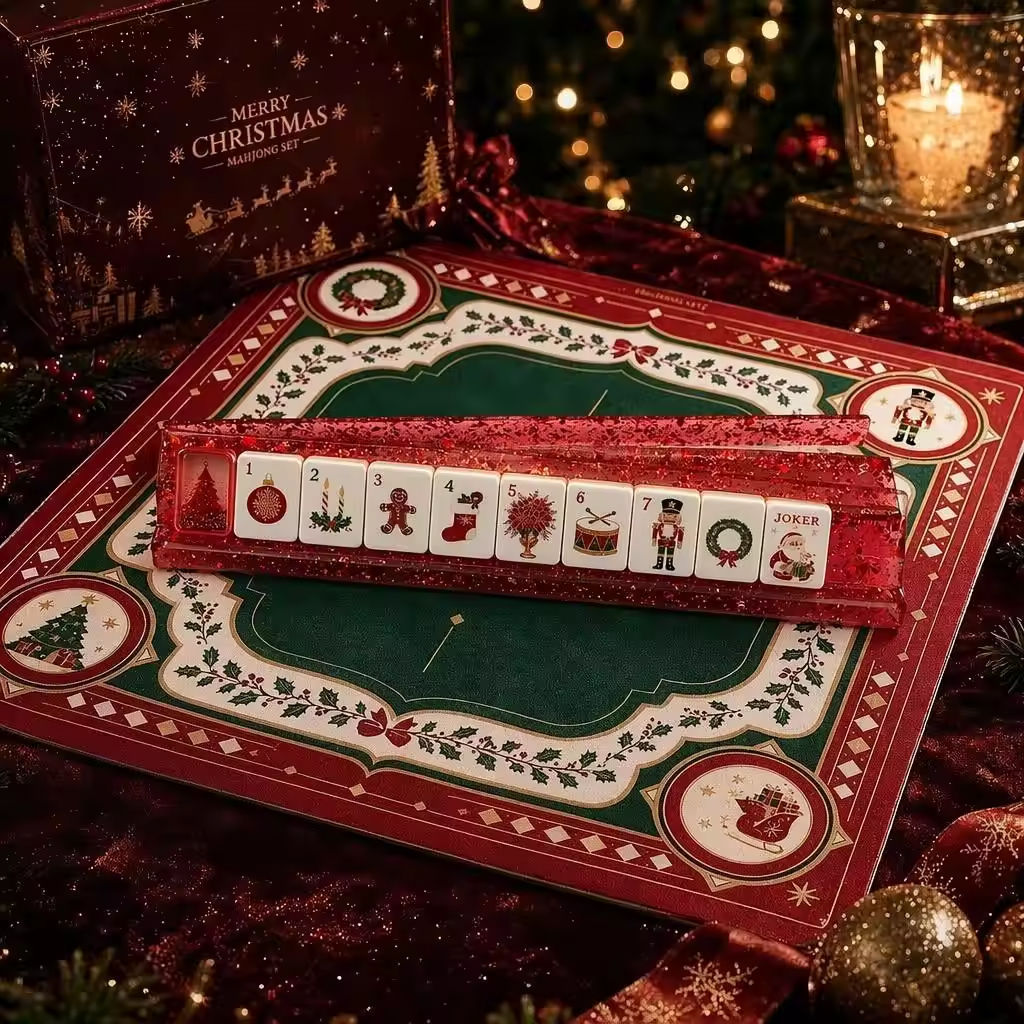
Orange County mahjong players gather at community centers (ask parks & recreation departments in your city), public libraries, Jewish community centers, country clubs, and informal home games advertised on meetup boards and Facebook groups. No single official league controls all games, so your first step is calling your local library or senior center to ask about mahjong groups—most operate year-round with flexible schedules. Home games typically run Wednesday or Thursday evenings for 2–4 hours; public venues often offer open-play sessions or lessons for beginners. American mahjong requires the current year's National Mah Jongg League card and one 160-tile set per table. If you can't find a game nearby, starting your own weekly table with friends or neighbors is straightforward: you'll need our best-selling mahjong sets, a mat to protect your surface, and a few hours. Most players join a game because a friend invites them; your local Facebook group or Nextdoor board is often the fastest way to find a seat. 🀄 Shop best-selling mahjong sets →
Where do Orange County library systems offer mahjong?
Call your city's public library and ask the reference or program desk about mahjong games or classes. Many Orange County libraries—especially those in communities with large retiree or Asian populations—host weekly open-play sessions or beginner lessons, often free or for a nominal drop-in fee. Sessions vary by location; some run daytime hours (ideal for retirees), others early evening. Start with the main branch; staff can direct you to the most active group.

Which community centers run regular mahjong tables?
Your city's parks and recreation department publishes a seasonal program guide online or in print. Search "[Your City] Parks and Recreation classes" and filter for "mahjong" or "games." Many centers offer instructor-led beginner classes (typically 6–8 weeks) followed by open-play times where you can keep playing at your level. Costs range from modest class fees to free drop-in; verify current schedules directly, as they change quarterly.
What about senior centers and adult communities?
Senior centers throughout Orange County run the most consistent mahjong programs because regular play is a cornerstone of their social offerings. Even if you're under 55, many welcome younger players or have separate "all-ages" time slots. Call ahead or visit in person to observe a game before committing; the table culture and house rules can vary significantly between locations.
Can I find private games or home-based groups?
Yes—many Orange County players prefer home games for consistency and friendship. Facebook groups dedicated to Orange County mahjong, Nextdoor neighborhood boards, and Meetup.com sometimes list private games; word-of-mouth through friends is equally common. When you join a home game, ask about house rules (score tracking, variant house rules, tile refresh frequency) so you're not surprised. Bring cash if there's a kitty or small stakes involved.
Should I start my own weekly mahjong table?
Absolutely. You need four committed players, a quality mahjong mat, one 160-tile set, the current year's National Mah Jongg League card (issued every spring), and a flat surface. Hosting at home, rotating among players' homes, or booking a community room gives you full control over schedules and atmosphere. Many of our customers start weekly games with neighbors or coworkers after one or two visits to a public table teach them the basics.
🎁 See our most-loved mahjong sets & accessories →
Getting Started: A Beginner's Checklist
If you're new to the game, follow this step-by-step path before stepping up to a table:
Learn the rules – Read mahjong for beginners or watch a video explanation; focus on tile names, hand structure, and the Charleston (tile-passing ritual).
Understand the equipment – Get familiar with what's in a 160-tile American mahjong set: four copies of each number tile (1–9) in three suits (Bams, Craks, Dots), winds, dragons, flowers, and jokers. A spare joker or two is normal in purchased sets.
Study the card – Each year the National Mah Jongg League publishes a card showing every legal hand. Learn how to read the mahjong card; hands are organized by pattern and hand type.
Practice scoring basics – Understand American mahjong scoring so you know what constitutes a winning hand and how payment works.
Attend a game – Sit in as an observer first; most players welcome newcomers and will explain calls and strategy in real time.
Join or host – Once comfortable, find a seat at a public game or invite friends to start a home table.
What You'll Need to Host or Join a Game
Item | Why It Matters | Where to Get It |
160-tile American set (one per table) | Must match National Mah Jongg League tiles (1–9 in three suits, winds, dragons, flowers, jokers) | Mahstead best-selling sets or local game shops |
Current year's NMJL card | Legal hands only—card changes annually | Request from host or order online |
Mahjong mat (optional but highly recommended) | Protects table surface, keeps tiles organized, makes play smoother | |
Racks with pushers (optional) | Holds your hand neatly, helps prevent accidental exposures | Mahstead or game shops |
Pen and scorepad | Tracks points across rounds | Any stationery |
Four players | Minimum; no 1–3 player variant in American mahjong | Find via library, senior center, or home group |

Comparing Public Games vs. Hosting at Home
Factor | Public Table | Home Game |
Schedule | Fixed (e.g., Wednesdays 1–4 PM) | Flexible; you set it |
Cost | Often free or small drop-in fee | Depends on stakes (if any) |
Players | Mix of regulars and newcomers | Your friends or neighbors |
House rules | Venue rules (ask before joining) | Your house, your rules |
Setup time | None; table is ready | 5–10 minutes |
Consistency | Reliable but may vary quarterly | Consistent if players commit |
✨ Find your Mahstead set — free US shipping →
Orange County Community Resources
Public Libraries: Check your city's library website for "mahjong" under classes or activities. The main branch is usually the hub for game programs.
Senior & Adult Centers: City parks and recreation websites list senior center mahjong schedules. Most welcome drop-ins; call ahead to confirm days and times.
Cultural Organizations: Jewish community centers, Chinese cultural associations, and Asian community nonprofits often sponsor or host mahjong groups open to the public.
Social Media: Search Facebook for "Orange County mahjong," "Orange County games," or your specific city name. Nextdoor, Meetup.com, and Craigslist community boards frequently list games.
Game Shops: Ask at local board game cafes or game shops if they host mahjong or know of home groups; staff can connect you to the community.
What to Check Before You Buy a Set (If Hosting)
Tile clarity – Numbers and suit symbols should be easy to read from across the table, especially if players wear glasses.
Joker distinction – Jokers must look visually different from regular tiles so no one accidentally uses them in a pair (a common rule violation).
Tile weight and feel – Lighter tiles are easier to shuffle and move; heavier tiles feel more premium but can tire your hands during a long session.
Set completeness – Verify you have all 152 playing tiles plus spare jokers before opening a 160-tile set; count before your first game.
Storage and portability – If you'll move the set between homes, look for bags and cases that protect tiles and fit your space.
Spare parts – Ask if replacements are available if a tile cracks; Mahstead offers spare tiles for their sets.
Joining an Established Group: What to Expect
Your first visit to a public game or hosted table may feel overwhelming. Here's what actually happens:
Introduction (5 min): Players introduce themselves; someone explains the house rules and current year's card.
The Charleston (2–3 min): Tiles are shuffled, dealt, and passed to the right, across, and left in ritual fashion. This sets the game's randomness.
Hand building (5–10 min per hand): Players pick up tiles from the wall, discard unwanted tiles, and call "pung" (three matching tiles), "kong" (four matching), or "mah jongg" (winning hand).
Scoring (2–3 min): Winner is paid by losers based on hand value; scorekeeper tracks cumulative scores.
Repeat: Most sessions run 8–12 hands over 2–4 hours.
Don't worry about speed or strategy your first time; experienced players expect and welcome beginners. Ask questions between hands.
Common Mistakes Newcomers Make (and How to Avoid Them)
Forgetting the Charleston is mandatory – It's not optional; every hand starts with a three-step tile pass. Read the Charleston explained before you play.
Using jokers in a pair – Jokers can only appear in exposed melds (pungs, kongs, quints, sextets), never in a pair or hidden hand. Most tables have a rule against it.
Not knowing the card – Bring a printed copy or view it on your phone. You can't invent hands or use ones from last year's card.
Accidental exposure – Be careful when organizing your tiles so you don't tip your hand. Racks with pushers help keep your hand hidden.
Unclear discard – Always place discards clearly in the center; muddled discards lead to misreads and disputes.
Starting Your Own Game: The Practical Path
Once you understand the basics, gather four committed players and set a regular day and time (consistency is key—people plan their week around it). You'll need one 160-tile set, a mahjong mat (highly recommended to protect furniture and keep the table tidy), and a printed or digital copy of the current year's card. Many new hosts worry about scoring, but the scorekeeper role rotates each hand; after two hands, you'll have it down. Decide upfront whether stakes are involved (many social games are free; some have a small kitty for snacks or a charity pot). Word spreads fast in neighborhoods—one successful game often attracts neighbors who've wanted to play but had no table.

FAQ
Do I need to be part of the National Mah Jongg League to play in Orange County?
No. The League publishes the annual card that defines legal hands, but casual home games and most public venues don't require membership. Only organized tournaments may require it.
What if I find a game but don't know how to play yet?
Tell the host or table clearly: "I'm a beginner." Most players welcome newcomers and will teach you during the first hand or two. Observe one hand silently before playing if you're very nervous.
Can I play American mahjong with 2 or 3 people?
American mahjong is designed for exactly four players. Variants for fewer players exist but follow completely different rules. Stick with 2 and 3 player mahjong rules if your group shrinks temporarily.
How much does a mahjong set cost, and is it a one-time buy?
Sets vary in design and material; see current pricing on the product page. One 160-tile set lasts many years with proper care and storage, so it's a one-time investment for a table.
What if I host a game and someone disputes a hand or score?
Have the current year's card visible and reference it calmly. Most disputes come from misread patterns or misunderstanding joker rules. Discuss after the game; don't stall play. Pre-agree on house rules (e.g., whether walls must be fully shuffled, whether a player can ask you to announce discards aloud) before you start.
Is mahjong played the same way everywhere in Orange County?
American mahjong rules are standardized via the League card, but house rules vary. Some tables play with or without "all hands" (where all melds must be exposed), different scoring multipliers, or strict tile-wall procedures. Always ask the host or table captain about house rules before committing to three hours.


View More
View More
View More
