
Mahjong Classes for Beginners in Portland: Where to Start
Last updated: Nov 23, 2026
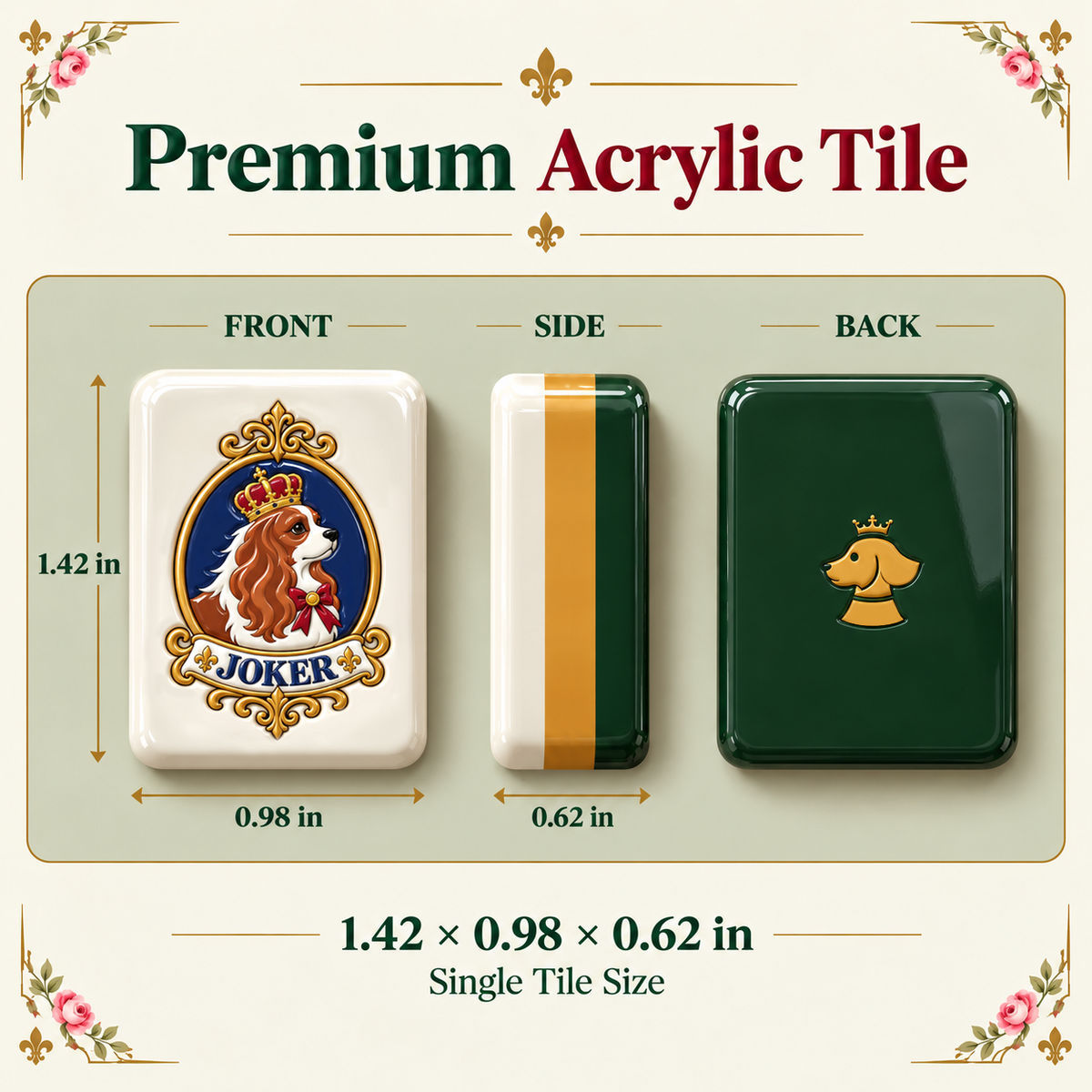
Portland beginners can find mahjong classes at community centers (Parks & Recreation, especially northwest and northeast branches), public libraries (ask reference staff about game groups), and local clubs listed on Meetup or through synagogues and country clubs in the metro area. Classes typically run 4–8 weeks, meeting once or twice weekly for 90 minutes to 2 hours, covering tile recognition, hand patterns, the Charleston, and play rules—often free or for a modest materials fee. Most beginner programs provide demo sets during instruction; you'll need a 160-tile American mahjong set, the current National Mah Jongg League card (free online), and a mat for home practice after your course ends. Start by calling community centers directly or browsing local Meetup groups; many groups welcome walk-ins to open play nights where you can observe or join a beginner table.
Where do Portland beginners find organized mahjong classes?
Portland's public library system and Parks & Recreation departments are your fastest entry points. Call the main branch or log into your city's community center website; most post game group schedules quarterly. Libraries often host weekly open mahjong evenings or monthly beginner workshops—staff can direct you to the right day and room. Meetup.com is equally reliable: search "mahjong Portland" to find groups that explicitly list "beginner-friendly" sessions. Synagogues, country clubs, and senior centers (especially in the Pearl District, Southeast Portland, and suburbs) frequently sponsor lessons in spring and fall. You can also walk into open play nights, watch a round, and ask players how they learned—most will happily tell you about the class or instructor that taught them.
🀄 Shop best-selling mahjong sets →

What do beginner mahjong classes actually teach?
A typical Portland beginner course covers four core skills: recognizing and sorting the 152 tiles (three suits, winds, dragons, flowers, jokers), understanding the Charleston (the three-round tile-passing ritual that starts every game), reading the National Mah Jongg League card to spot winning hand patterns, and the basic rules of play—how to draw, discard, call exposures, and complete a hand. Most classes spend week 1 on tile anatomy, week 2 on the Charleston and card reading, weeks 3–4 on hand patterns and scoring basics, and weeks 5–8 on supervised play with gentle correction. Instructors will show you how jokers work (they substitute for any tile you're missing but cannot be used alone in a pair) and why certain tile combinations are illegal. You'll practice the same 2–3 easy hands until you can spot them without hesitation. No beginner class teaches betting strategies or memorization tricks—those come later, from club play and older players.
How long until a beginner is ready to play in a real game?
Most Portland classes prepare you for your first real game in 4–6 weeks of consistent attendance. After week 3, many beginners can play a round without stopping to ask rules every turn—they know the sequence of draw-discard-call, understand how to use the card, and recognize basic pung and kong exposures. However, you'll play slowly (a 4-handed game might take 90 minutes instead of 30), and you'll miss hands you could theoretically see. Most experienced players expect this and enjoy teaching newcomers. Attend at least one supervised "open play" session before playing in a club, so you practice with real players at full speed. After two months of weekly play, you'll recognize 60–70% of patterns on the card and be comfortable enough to join casual home games. Competitive club play (scoring, speed, strict rules) typically requires 6 months of regular play—but you don't need that to have fun.

What gear do beginners need before starting a class?
Bring a notebook, pen, and your phone (to reference the free National Mah Jongg League card online during breaks). Your instructor will provide tiles and mat during class. Once you commit to playing at home or in a club, you'll want to own a durable 160-tile American mahjong set with acrylic tiles (they last years and feel professional), a padded mat to protect the tiles and contain noise, and ideally racks with pushers to organize your tiles neatly. Many beginners buy a basic set and mat first, then add racks after their first month. Don't rush: borrow a set from class for as long as you can. If you're invited to play at someone's home before you own gear, ask if they have a spare set—most players do.
🎁 See our most-loved mahjong sets & accessories →
How do Portland beginner players transition from class to club play?
After your class ends, stay connected with your instructor and classmates—most form informal home game groups that play monthly. Simultaneously, visit an open-play session at a local club (ask your instructor for the name, or find one via Meetup). On your first visit, observe one full game and chat with players before asking to join a beginner table. Club play moves faster and follows stricter rules (you cannot take back a discard, for example), so the first night feels intense. Play conservatively: focus on completing one hand pattern well rather than chasing multiple patterns. After 3–4 club visits, you'll understand the rhythm and start enjoying the speed. Many Portland clubs have designated beginner-friendly nights (usually early in the week); ask the host when those are. Keep your instructor's phone number or email; experienced players are generous with one-off questions.
Step | Timeframe | What You'll Do | Typical Cost Basis |
Find a class | Week 1 | Call libraries, Parks & Rec, search Meetup | Free to modest fee |
Attend weeks 1–3 | Weeks 1–3 | Learn tiles, Charleston, basic rules | Covered by class |
Practice at home | Weeks 4–6 | Use borrowed or purchased set with friends | Own set: varies by collection |
First club visit | Week 6–7 | Observe, then join beginner table | Varies by club (ask host) |
Regular play | Month 2+ | Weekly or bi-weekly club or home games | Set + mat already purchased |
What should you check before choosing a beginner class?
Before enrolling, verify these details: Is the class American mahjong (not Chinese, Hong Kong, or Riichi)? Does it use the current National Mah Jongg League card? Will the instructor provide a demo set, or do you need to bring one? Is the class designed for absolute beginners or players with prior tile-game experience? How many students per session (fewer than 8 is ideal)? Can you attend at least 4 consecutive weeks without gaps? Does the class include supervised open play, or only instruction? Ask if the instructor has handouts on tile names and basic patterns. Most instructors are flexible about missed sessions—just ask ahead. Avoid classes that promise you'll "master" mahjong in 3 weeks or teach only one hand type; real beginners need breadth and repetition, not speed.
✨ Find your Mahstead set — free US shipping →
Portland's beginner mahjong community is genuinely welcoming. You can start learning for free at a library, progress to an inexpensive community class, and then choose whether to play casually at home or join a club. The learning curve is real—you won't feel confident for 4–6 weeks—but every player in Portland started exactly where you are. The key is showing up consistently. Once you own a set and understand the core rules, the game becomes a social anchor: you'll play every week, make new friends, and spend the rest of your life joking about that one hand you almost won. Start by calling your local library this week.

FAQ
Can I learn mahjong without a class?
Yes. Buy a set and card, watch online tutorials, and ask an experienced player to coach you through one game. Expect slower progress and possible rule confusion, but it's free and doable if you're disciplined and patient.
What's the difference between American mahjong and other versions?
American mahjong uses 152 tiles, no sequences (chows), only 3-tile pungs and 4-tile kongs from the card, and jokers as wild tiles. Chinese and Hong Kong mahjong use different tile counts, allow sequences, and have entirely different hand patterns. Always ask which version a Portland class teaches—American is most common in the US.
Do I need a mat and racks before my first class?
No. Your instructor provides both during class. A mat protects your tiles at home and keeps noise down; racks organize tiles neatly but aren't required. Buy them after your first month if you play regularly.
How much does a beginner class typically cost in Portland?
Most library and Parks & Recreation classes are free or charge a modest materials fee. Private instructor courses vary; ask directly. Club membership or open-play fees vary by venue—contact them for specifics.
What if I'm older or worried about keeping up?
Mahjong is a game built for players of all ages. Most beginner classes in Portland have participants from their 20s to 80s. Take your time, ask questions, and play at your own pace—no one rushes during a beginner night.


View More
View More
View More
