
Play Japanese Mahjong Online: Platforms, Rules & Real Tips
Last updated: Nov 23, 2026
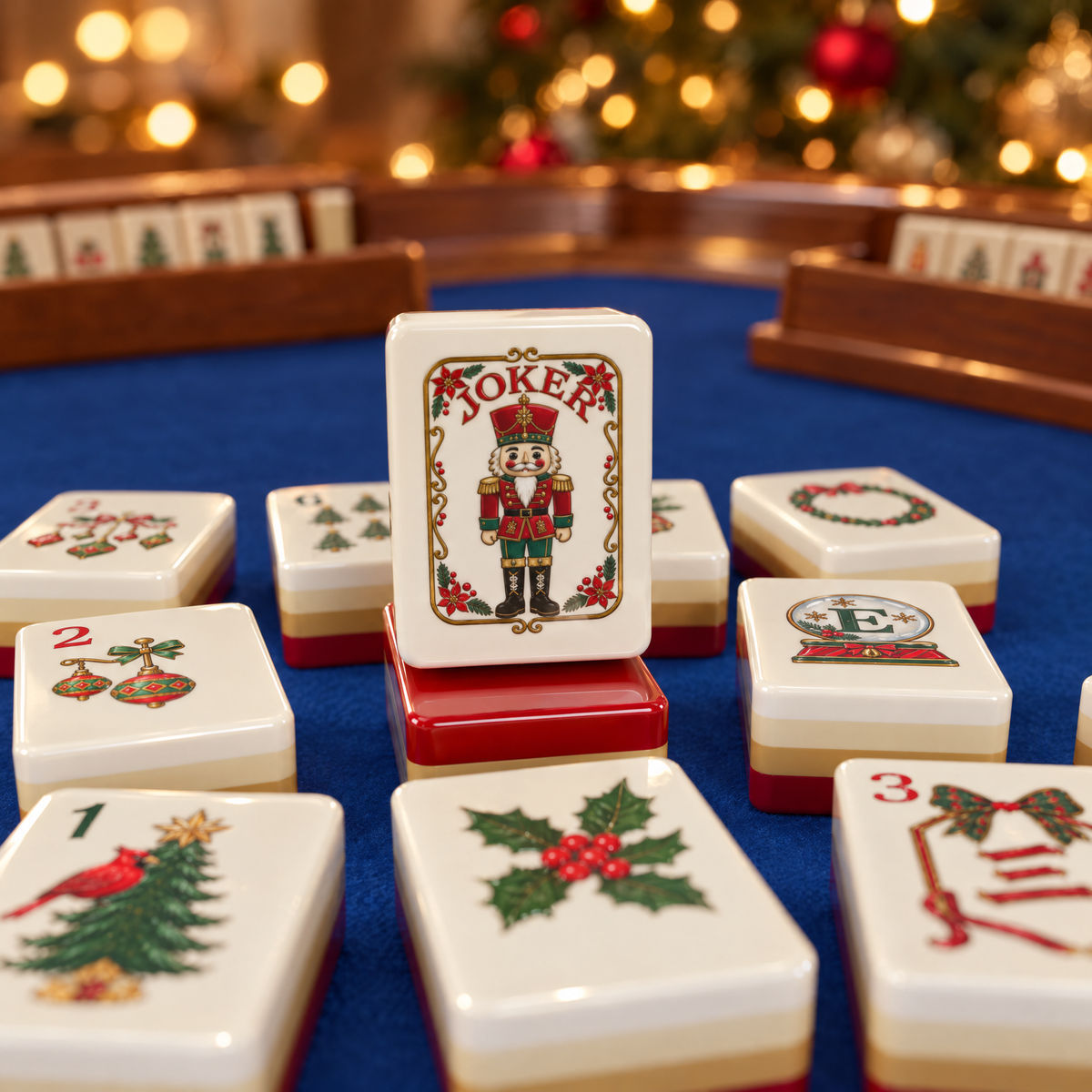
Japanese mahjong (Riichi mahjong) is played on platforms including Tenhou, Mahjong Soul, and Mahjong Paifu—all free or freemium, browser-based or app-based, with ranked and casual lobbies open 24/7. The game uses 136 tiles (four each: 1–9 Bams, Craks, Dots; four winds; three dragons; four flowers), plays with four players, and draws one tile and discards one per turn until someone melds a hand or wins off another player's discard. Scoring is complex (point calculations based on tile patterns, wait type, and dora/multipliers), rounds last 10–20 minutes, and no National Mah Jongg League card exists—hands are memorized or studied from pattern libraries. Most online platforms enforce rules automatically, making them ideal for learning. American mahjong, by contrast, uses 152 tiles, follows one annual card, plays four players with a ritual tile-passing Charleston, and scores by matching exact published patterns. Online Japanese mahjong is free entry; live American mahjong requires a physical tile set. 🀄 Shop best-selling mahjong sets →
Which platform should a beginner choose?
Tenhou and Mahjong Soul dominate English-language play. Tenhou is text-heavy, unmoderated, and steep-learning; Mahjong Soul has a gentler UI, tutorial rooms, and active English communities. Both are free. Mahjong Paifu (Majan.jp) offers slower, more social play. Choose Mahjong Soul if you're new; switch to Tenhou once you know basic hand patterns and scoring algebra.

How do the tiles differ from American mahjong?
Japanese mahjong uses 136 tiles: 108 numbered (1–9 in three suits, four copies each), 16 winds, 12 dragons, four flowers—no jokers, no honor tiles beyond winds and dragons, no blanks. American mahjong uses 152 tiles including jokers and a White/Soap dragon that doubles as zero. Japanese sets cannot be substituted for online play; online software renders tiles digitally. If you later buy a physical American mahjong set from Mahstead's best-selling collection, keep it separate from any imported Japanese hardware.
What are the core rule differences?
Japanese mahjong requires a winning hand to be tenpai (one tile away) before declaring; you cannot win on your own drawn tile unless you announced tsumo territory. Melds are limited to pung (three identical), kong (four identical), and chow (three consecutive numbers in one suit)—chows can be called off other players' discards, unlike American mahjong, which forbids sequences entirely. Scoring uses a point multiplier called dora and uradora (revealed bonus tiles), and hands are categorized by pattern complexity, not by matching a card. Rounds rotate dealer seat and wind after each hand; games end after four dealer rotations. American mahjong has no chows, no dealer rotation mid-game, and hands must match the current National Mah Jongg League card exactly.
Aspect | Japanese (Riichi) | American |
Tile count | 136 | 152 |
Chows allowed? | Yes, callable | No |
Hand reference | Pattern memory | Annual league card |
Scoring basis | Complexity × multipliers | Hand type match |
Jokers used? | No | Yes, 8 tiles |
Dealer rotation | After each hand | Once per round |
Win requirement | Tenpai + call | Exact pattern + call |
Play length | 10–20 min/round | 15–45 min per hand |
How do you score in Japanese mahjong online?
Scoring combines hand fu (base points), han (fan/complexity level, 1–13+), and dora (bonus tiles). A player with a one-fan, 30-fu hand earns fewer points than a three-fan, 30-fu hand. The dealer pays double; non-dealers pay single. Online platforms calculate scores automatically, so beginners can learn by example—watch your point total after each win and reverse-engineer the algebra. Mastery takes 30–50 games. American mahjong scoring, by contrast, assigns fixed point values per hand type on the card; no algebra required.

Can you play alone to practice, or only in multiplayer lobbies?
Most platforms require four players for ranked or casual lobbies; solo practice is limited to pattern drills or AI-bot games (offered by Mahjong Soul). Solo bots are weak and uninstructive; join a lobby with real players or use YouTube tutorials to study hand shapes and dora rules. Once confident, jump into casual rooms where players tolerate slow play and mistakes.
Real obstacles and how to avoid them
Dora confusion. New players miscalculate how many dora tiles activate a hand's point multiplier. Before you play, memorize that dora are pre-drawn bonus tiles at the side of the wall, not tiles you collect during the hand. Mahjong Soul's UI highlights dora in red; use that visual cue every turn.
Chow misjudgment. You can call a 5-6-7 Dots as a chow (meld) if another player discards the 7; you cannot in American mahjong. Many American players trying online fail on their first ranked round because they assume chows are forbidden. They aren't—and calling them is often faster than waiting for another pung opportunity.
Scoring gaps. A two-fan, 40-fu hand and a three-fan, 20-fu hand score very differently. Tenhou shows raw fu and han for every win; study the pattern until the math clicks. Expect 50–100 games before scoring intuition develops.
Language barriers on Tenhou. Tenhou has minimal English. Mahjong Soul's lobby chat is English-dominant. Start there, or use a browser translator.
What to check before you buy or commit
Do you have 30 minutes free per session? Ranked Riichi sessions can lock you in. Casual lobbies let you quit after one or two hands.
Can you handle real-time decisions? Japanese mahjong is faster than American; there's no card to consult. Expect pressure.
Do you want to play live later, or just online? Online play doesn't prepare you for physical tile feel or live etiquette. If you plan a live table, buy a sturdy mahjong set after your first 10–20 online wins so you can practice tile mechanics in parallel.
Do you prefer American mahjong rules? If yes, online Japanese platforms won't help. Stick to American mahjong clubs, meetups, and home games. You'll need a physical 160-tile set and the current National Mah Jongg League card.
Should you buy a Japanese mahjong set to practice at home?
Online play costs nothing; physical Japanese sets cost more and occupy space. Buy one only if you plan to host live games or want authentic tile-shuffling feel. Acrylic Japanese sets are rarer in North America; standard American mahjong sets from Mahstead won't work for Riichi play due to tile composition and count differences. If you eventually want both variants, budget for two separate sets.
🎁 See our most-loved mahjong sets & accessories →
Why some players fail at online Japanese mahjong
Impatience is the top reason. Players jump into ranked lobbies after one tutorial, underestimate hand complexity, and lose 20 ranked games in a row. Take 10–15 casual games first. Second: American players assume sequences are illegal. They are legal in Japanese mahjong—and critical to winning hands. Third: they confuse dealer rotations and wind rounds, getting tilted when the game ends unexpectedly. Read Tenhou's or Mahjong Soul's rule summary (both provide one) before your first lobby. Fourth: they ignore dora and uradora tiles, missing easy points. Dora tiles sit visibly at the side; check them every turn.
✨ Find your Mahstead set — free US shipping →
Bridge online play to live American mahjong
If you've mastered Japanese mahjong online and want to try American mahjong—the opposite rule set—join a local American mahjong club or league. Search community centers, synagogues, libraries, and country clubs in your city; many host beginner nights. You'll need the current National Mah Jongg League card (revised every spring) and a 160-tile American set from our best-selling collection. Mahjong Soul and Tenhou teach you discipline and hand-reading; those skills transfer, even though American rules feel alien at first.

FAQ
Is online Japanese mahjong free?
Yes. Tenhou, Mahjong Soul, and Mahjong Paifu are free-to-play, ad-supported or freemium (optional cosmetics for purchase). No pay-to-win mechanics exist; ranking is based on skill alone.
How long does one game take online?
A typical four-player ranked session is 10–20 minutes. Casual lobbies vary: players can concede early, so games range from 5–40 minutes. American mahjong live games average 15–45 minutes per hand.
Can I play Japanese mahjong with three or two players?
Dedicated online platforms require four players for ranked and most casual lobbies. Some AI modes allow 1v3 bot games, but they're not instructive. American mahjong also requires four players for standard rules, though 2 and 3-player variants exist with house rules.
Do I need a physical Japanese mahjong set to learn online?
No. Online platforms render tiles digitally; thousands learn on Tenhou and Mahjong Soul without owning hardware. Buying a set is optional, for tactile practice or hosting friends only.
Will online Japanese mahjong help me play American mahjong?
Partially. Both games teach hand-reading, tile tracking, and mental math. However, American mahjong forbids chows, uses jokers, follows an annual card, and scores by pattern matching—not fan and fu. American rules feel like a different game. Practice American-specific moves (Charleston, joker placement, card reading) separately with an American set and league card.
Which platform is best for ranking up fastest?
Mahjong Soul's casual rooms are beginner-friendly; Tenhou's ranked lobbies are more competitive. Speed ranking depends on your tile-reading speed and willingness to lose 50+ games before winning consistently. Most players plateau at dan 1–3 after 200–500 games.
Can I play on my phone?
Yes. Mahjong Soul has iOS and Android apps. Tenhou has a web app. Mahjong Paifu works in mobile browsers. All support full play on small screens, though a tablet or desktop is easier for beginners.


View More
View More
View More
