
Where to Play Mahjong in New Orleans: Local Spots & How to Start
Last updated: Nov 23, 2026
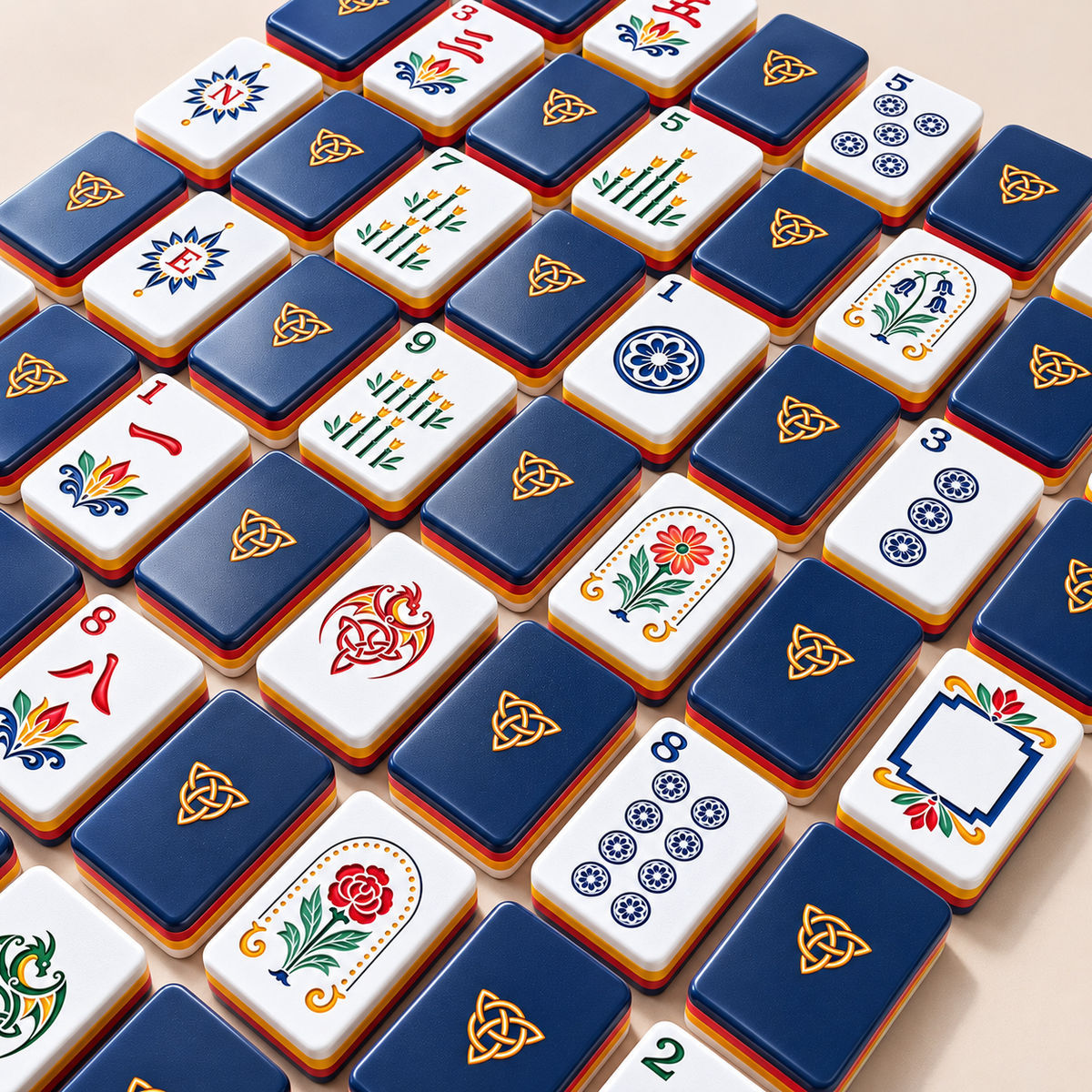
Mahjong in New Orleans lives in community centers, country clubs, libraries, and synagogues—particularly in neighborhoods with strong Jewish, Vietnamese, and Chinese communities. Start by calling the New Orleans Public Library main branch and branches in Mid-City and the Marigny area to ask about regular game groups; many host weekly or monthly meetups. Check Meetup.com and Facebook community boards for "New Orleans mahjong" or "NOLA mahjong club" to find current groups. Country clubs often run games on weekday afternoons; call directly to ask about open or beginner-friendly sessions. Synagogues frequently host games, especially on Sunday mornings—ask the administrative office about schedules and whether visitors can join. Most groups play American mahjong (using the National Mah Jongg League card), and many welcome beginners; bring a best-selling mahjong set or ask if the host supplies equipment. Games typically last 2–3 hours and cost nothing or a small shared-pot fee for snacks. Plan to arrive 15 minutes early, bring your League card if you have one, and ask about the house rules before the Charleston begins.
Mahjong in New Orleans isn't hidden—it's woven into the fabric of neighborhood life. From the French Quarter's cultural centers to Mid-City's established clubs and the Vietnamese community hubs on the East Bank, games run most days. The city's mahjong tradition spans generations: players learned from parents and grandparents, and that welcoming attitude means newcomers find a seat. We'll walk you through exactly where to look, who plays what variant, and what you need to bring on day one.
Where do most mahjong groups meet in New Orleans?
The city's strongest clusters are in Mid-City (near libraries and community centers), Marigny (residential neighborhoods with multigenerational players), and the French Quarter (cultural organizations). Country clubs in Uptown and Metairie host regular games. Libraries—particularly the main branch downtown and neighborhood branches in Mid-City and Marigny—often post flyers and host drop-in games. Synagogues, especially Touro Synagogue and Beth Israel, run weekly Sunday sessions. Vietnamese community centers on the East Bank (New Orleans East and Algiers) maintain active groups. The best starting point: call your nearest public library branch and ask, "Do you know of mahjong groups that meet here or nearby?"

What's the difference between American and other mahjong variants in New Orleans?
Most New Orleans groups play American mahjong, using the official National Mah Jongg League card (issued yearly in spring). American mahjong has 152 tiles, no sequences (chows), and requires hands only from the current year's card. Some players host Chinese mahjong games (136 tiles, chows allowed, different scoring), especially in Vietnamese and Chinese community spaces; ask before you arrive. Hong Kong mahjong (also with chows) appears less often but occasionally shows up at larger clubs. If you're new, American is the safest bet—it's the majority variant in Louisiana and the League card is widely available. Understanding the rules of American mahjong before your first game removes anxiety and makes learning at the table much faster.
🀄 Shop best-selling mahjong sets →
How do you find beginner-friendly games vs. competitive tables?
Library groups and community center sessions are almost always beginner-welcoming; players teach as they go and expect new people. Synagogue games range from casual to serious—call and ask about their experience level and whether they have a beginner table. Country clubs may have open play or scheduled beginner nights; inquire when you call. Facebook groups and Meetup boards often tag games by skill: "beginner," "intermediate," or "all levels." When you reach out, be direct: "I'm new to American mahjong—would I fit in?" Experienced players appreciate honesty and will either invite you to the right table or recommend a better starting group. Avoid jumping into high-stakes games your first month; stick with friendly, social play while you absorb the Charleston, hand recognition, and scoring rhythm.
What should you bring to your first mahjong game in New Orleans?
Bring three things: (1) yourself, with a willingness to ask questions; (2) the current year's National Mah Jongg League card, if you have one (the host usually supplies spares); (3) a pen, to write down scores. Many hosts provide full sets, so you won't need your own tiles unless you're joining a regular group and want to bring equipment you know. If you do bring a set, a best-selling mahjong set in acrylic or bamboo works best—durable, easy to clean, and easy to read under typical lighting. Wear glasses if you need them; older tile sets can be harder to see. Bring a small amount of cash (a few dollars) for shared snacks or a pot that funds player prizes. Arrive early, introduce yourself, and watch one hand before you sit down; that five minutes cuts nervousness in half.

How do you handle the social rhythm—scoring, passing, and etiquette—at a New Orleans table?
Games unfold in a rhythm: players buy in, perform the Charleston (tile pass), draw tiles, and play hands in rotation. Scoring is done after each hand; the winner collects points from the other three players based on tile count and complexity. Etiquette is low-key: announce your tile draws and discards clearly, keep your racks neat so neighbors can see tiles, don't touch other players' tiles, and mute your phone. Most tables don't allow phones on the mat. If you're unsure of a hand, ask—experienced players expect questions and answer kindly. Joker rules can vary by house; always confirm before play starts (for instance, some groups allow joker substitution only in exposed sets, not in your hand). The New Orleans game culture is chatty and forgiving; mistakes are learning moments, not shaming moments.
Factor | Library/Community | Synagogue | Country Club | Vietnamese Center |
Typical day/time | Weekday afternoon, sometimes evening | Sunday morning | Weekday afternoon, weekends | Evening, weekends |
Variant | American (mostly) | American | American or mixed | Chinese or Vietnamese |
Experience level | All, strong beginner welcome | Mixed, call to confirm | Often intermediate+ | Mixed, call to confirm |
Cost | Free or donation | Free or small donation | Membership may apply | Free or small fee |
Bring your own set? | Optional; host supplies | Optional; host supplies | Ask when you call | Ask when you call |
Best for first-timers? | Excellent | Good (if beginner session) | Depends on club | Good if you know Chinese rules |
🎁 See our most-loved mahjong sets & accessories →
How do you find games online before visiting in person?
Start with Meetup.com (search "mahjong" + "New Orleans"). Filter by group activity level and read the group description—most state "beginner-friendly" or "competitive" clearly. Facebook: search "New Orleans mahjong," "NOLA mahjong," or "mahjong + [neighborhood name]"; join community groups and post a polite hello. Ask: "New to the area and interested in learning American mahjong—anyone hosting games?" Locals reply fast. NextDoor (the neighborhood app) often has mahjong posts; check your area. Email your local library directly; ask to be connected with their game organizer. Many groups don't advertise online but are happy to talk by phone. Call synagogue offices, country clubs, and community centers during business hours and ask directly for the mahjong coordinator or game schedule. Once you find one group, ask them to recommend others; players know each other and can point you to tables that fit your schedule and style.
What do you need to know before your first visit?
Before you go:
Call ahead (don't just show up); confirm the day, time, and whether newcomers are welcome.
Ask about the variant (American is standard in NOLA; Chinese, Hong Kong, or Riichi is rare).
Confirm house rules: Are jokers wild in your hand or only in exposed sets? Do players rotate seats or stay fixed? How much does it cost?
Ask if the host supplies tiles or whether you should bring your own.
Inquire about the experience level and whether there's a beginner table.
Confirm the address and parking situation, especially in the French Quarter or downtown.
What to bring:
The current-year National Mah Jongg League card (host often has extras; ask).
A pen and small notepad for scoring.
Cash for small buy-in or shared snacks (optional; confirm first).
Your phone (silenced), glasses if you need them, and a small bag for tiles if you're returning regularly.
What to expect:
Introductions and a warm welcome (mahjong players love teaching newcomers).
A quick hand to watch before you join the rotation.
Questions about your experience level and which seat fits you best.
2–3 hours of play, with breaks for snacks or conversation.
Scoring done by hand or simple notation; rarely complex gambling.
If you're building a regular game or hosting friends, engraved mahjong sets add personality and make setup feel intentional. A quality mat also protects your table and makes tile play smoother—worth the investment if you're hosting monthly.
✨ Find your Mahstead set — free US shipping →
Why mahjong in New Orleans fits the local culture
Mahjong thrives in New Orleans because the city values community, multigenerational connection, and spending afternoons together. The game fits perfectly: it's social but strategic, fast enough for an afternoon, and has no age limit. Neighborhoods from Mid-City to the East Bank have hosted games for decades. The welcoming ethos—part of New Orleans' DNA—means a stranger walking into a mahjong table is usually treated as a future regular, not an outsider. That generosity is one reason the game has survived and grown in the city. If you're new to New Orleans or new to mahjong, you're joining something already alive and happy to have you.

FAQ
What's the best first step if I've never played mahjong before?
Call your nearest public library branch and ask if they host mahjong groups or can recommend one. Most library-based games welcome complete beginners and teach as you play. Alternatively, search "mahjong + New Orleans" on Meetup.com or Facebook to find groups directly, then call the organizer to confirm they're beginner-friendly.
Do I need to own a mahjong set to play in New Orleans?
No. Nearly all groups and hosts supply full sets for play. Bring your own only if you're joining a regular group and prefer tiles you know. If you do buy a set, the best-selling collections include durable acrylic and bamboo options suitable for any table.
Is American mahjong the only variant played in New Orleans?
American mahjong is the dominant variant in New Orleans, especially at libraries, synagogues, and community centers. Some Vietnamese and Chinese community spaces play Chinese or Vietnamese mahjong, which uses different rules and tiles. Always ask the host which variant they play before you arrive so you can prepare.
How much does it cost to play mahjong at a New Orleans group?
Most games are free or ask for a small optional donation (a dollar or two) to cover snacks or supplies. Some country clubs may require membership, and high-stakes games in private settings vary by house rules. Call ahead to confirm costs; beginner-friendly groups are almost always free or very low cost.
Where do I get the National Mah Jongg League card for American mahjong?
The card is issued every spring by the League and costs a small amount per copy. You can order directly from the National Mah Jongg League website, or ask your local game host—most have spares and will lend or sell you one cheaply. Many groups photocopy cards for players, so you may not need to buy your own immediately.
What's the etiquette if I make a mistake during a hand in New Orleans?
Mistakes are treated as learning moments, not penalties. Ask experienced players how to fix it, apologize briefly, and move on. The mahjong culture in New Orleans is forgiving and chatty; nobody expects perfection from newcomers, and even veteran players ask for clarification on house rules.
Can I host my own mahjong game at home in New Orleans after learning the basics?
Absolutely. Once you've played a few hands at a group table and learned the rhythm, hosting friends is straightforward. You'll need a set, a mat or card table, the current-year League card, a pen for scoring, and a willingness to teach. Mahjong mats protect your furniture and make play more comfortable, especially if you plan to host regularly.


View More
View More
View More
