
Mahjong Clubs in the Hamptons: Where to Play & What to Bring
Last updated: Nov 23, 2026
The Hamptons—particularly East Hampton, Southampton, and Bridgehampton on Long Island's South Fork—hosts active mahjong players through community centers, country clubs, libraries, and informal weekly home games. Most Hamptons groups play American mahjong using the current National Mah Jongg League card, which changes each spring. To find a game, contact your local library's programming desk, ask at synagogues or Unitarian churches (traditional mahjong hosts), check community center bulletin boards, or search Meetup for "mahjong Hamptons" or nearby postal codes. Most weekly games run Tuesday through Thursday evenings or weekend afternoons; newcomers are welcome, though many groups ask that you know basic American mahjong rules or are willing to learn quickly. Bring your own set if you have one, or ask the host in advance—most established groups have spare equipment. Costs are typically nominal (a few dollars per player per game or a small entry fee for tournament events).
Where Do Hamptons Players Actually Meet?
Your best bets are public libraries (many run open mahjong sessions or host club coordinators), community centers (often have dedicated game nights), country clubs with social programs, and synagogues or interfaith centers. Libraries typically maintain bulletin boards and host or advertise mahjong coordinators who can connect you to ongoing groups. Country clubs in the area often welcome social members for mahjong nights. Start by calling or emailing your local East Hampton, Southampton, or Bridgehampton library directly—ask the programming coordinator if they host mahjong or know an active group leader.

What Skill Level Do You Need to Join?
Most Hamptons clubs welcome beginners, but it helps to know the fundamentals of American mahjong before your first game. You should understand how the Charleston works (the tile-passing ritual before each hand), how to read a hand from the current year's card, and how to recognize a pung, kong, or exposed meld. A few groups offer quick refresher sessions; others assume you'll learn while playing. Call ahead and ask the host what they expect. If you're new to the game, spend an afternoon learning—it takes most people one or two sessions to feel comfortable at the table.
How Do You Find an Active Game in Your Area?
Search Method | Best For | How to Start |
Local library | Established, vetted groups; often weekday afternoons | Call programming desk; ask for mahjong coordinator contact |
Meetup.com | Casual players; Hamptons + nearby areas searchable | Search "mahjong + [your zip]"; join group; RSVP to events |
Community center | Structured classes or drop-in play; all skill levels | Check website; call activity coordinator for schedule |
Synagogue/church | Social, mixed-skill groups; often Thursday evenings | Call office; ask about mahjong night or club leaders |
Word of mouth | Long-standing home games; invite-based | Ask library staff, other players, or local community boards |
Meetup is often fastest for spotting active games within 20 miles. Many Hamptons players post recurring Thursday evening sessions, weekend tournaments, or seasonal game nights. Libraries and synagogues tend to run the most stable, long-term groups; they're where newcomers are most expected.
What Equipment Should You Bring or Own?
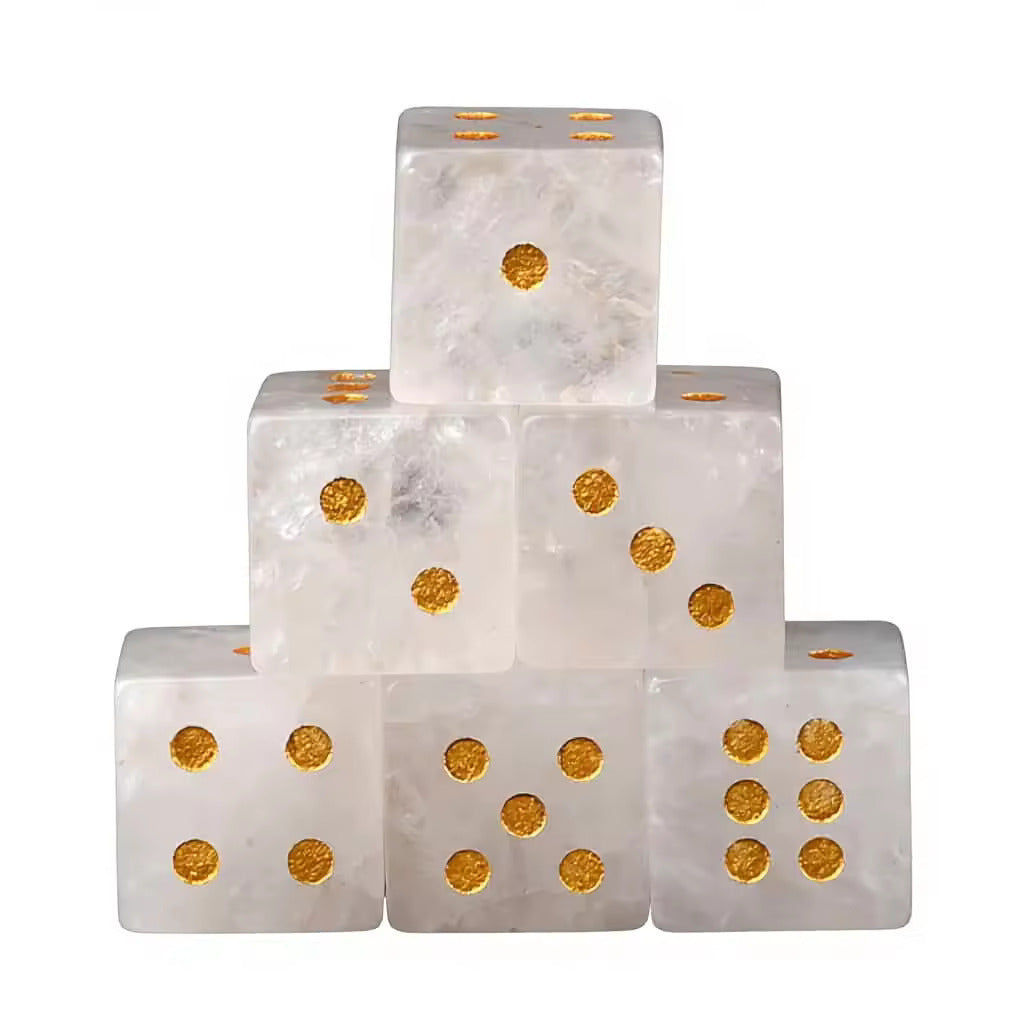
If you're a regular, owning your own American mahjong set becomes practical. Most Hamptons game hosts have extra sets, but a personal set means you never worry about borrowing. American mahjong sets contain 152 playing tiles plus spare jokers and tiles, and most groups use acrylic tiles because they're durable, easy to shuffle, and quieter than bamboo. A mahjong mat is optional but helpful—it keeps tiles organized, quiets play, and travels easily if you rotate between homes. If you own a set, bring it in a padded case; a bag or travel case protects tiles from scratches and keeps them sorted. Bring your own current year's National Mah Jongg League card (updated annually each spring); hosts usually have extras, but having your own means you know the layout. Small dice are part of any set. Wear comfortable clothing and expect to sit for 1.5 to 3 hours per session.
🀄 Shop best-selling mahjong sets →

What Should You Learn Before Your First Game?
Before sitting down with a Hamptons group, spend time on three topics: how to read the National Mah Jongg League card, how the Charleston works, and the basic rules of melding and winning. The card is your rulebook—it lists all legal winning hands for that year. The Charleston is a ritualized pass of tiles before each hand that ensures randomness and strategy. Most players spend their first evening learning while playing slowly; the Hamptons community is generally patient with newcomers. Watch one hand silently if the host permits. Ask questions during play—experienced players enjoy teaching. One common beginner mistake: holding onto tiles too long hoping for a specific card instead of discarding early and building flexibility. Another: not paying attention to what other players discard, which tells you what melds they're avoiding.
🎁 See our most-loved mahjong sets & accessories →
What Costs Should You Expect?
Most Hamptons groups charge nothing to join or ask for a voluntary dollar or two per game to cover snacks or a small prize pool. Some tournaments (seasonal or holiday events) may charge an entry fee, typically modest. If you're joining regularly, owning a set of your own becomes worthwhile—it's a one-time investment that lasts for years. Many Hamptons players rotate hosting duties, so costs share naturally. Call the group coordinator before your first game and ask point-blank: "Is there a fee to play, and if so, what's typical?" Most groups are transparent about cost.
What to Check Before You Buy or Join
Know the game version. Nearly all Hamptons clubs play American mahjong (not Chinese, Hong Kong, or Riichi). Ask the host to confirm.
Confirm skill expectation. Some groups welcome absolute beginners; others assume intermediate play. Ask if they'll slow down for you or if you should watch a few hands first.
Check the schedule. Days, times, and frequency vary. Find one that fits your week.
Ask about equipment. Will they provide a set, or should you bring one? Do they use mats or play on a bare table?
Understand the card. Each year the National Mah Jongg League updates the official card. Ask if the group uses the current year's card and whether they have spares to lend.
Plan for duration. Most games run 1.5 to 3 hours. Bring water and plan accordingly.
✨ Find your Mahstead set — free US shipping →

FAQ
How do I know if a Hamptons mahjong club is right for me?
Call ahead and describe your skill level honestly. Ask the host if they welcome beginners, how long sessions run, and what the social tone is. Most groups will tell you if you're a fit. Visiting as an observer first is always acceptable—ask if you can watch a hand or two before committing.
Do I need to own a mahjong set to play in the Hamptons?
No. Most established clubs have spare sets, and hosts expect borrowing. But if you play weekly, owning your own set means you're never caught without equipment. Our best-selling collection offers durable acrylic sets suitable for regular play.
What's the difference between American mahjong and other versions I might see online?
American mahjong uses a specific card (updated each spring by the National Mah Jongg League) with 152 tiles, and hands can only be formed from that card. Chinese, Hong Kong, and Riichi mahjong have different tile counts, hand rules, and scoring. Nearly all Hamptons groups play American. If you're new, confirm with the host.
Should I bring a mahjong mat, or do Hamptons hosts provide them?
Most hosts have mats or play on a bare table—either works. If you're hosting or rotating homes, a mat protects tiles and organizes play, especially if you play frequently. Mats are portable and quiet.
What's the most common beginner mistake in a Hamptons game?
Holding tiles too long, hoping for one specific card instead of building flexible options. New players also miss the value of watching discards—what other players throw away tells you what melds they're avoiding. Play looser, discard sooner, and pay attention.
How often do Hamptons clubs meet?
Most meet weekly—typically Tuesday, Wednesday, or Thursday evenings, or weekend afternoons. Some groups play multiple times per week. Call your library or local coordinator for schedules. Summer may bring seasonal gaps as players travel.


View More
View More
View More
