
Where to Play Mahjong in Nashville: Beginner's Guide
Last updated: Nov 23, 2026
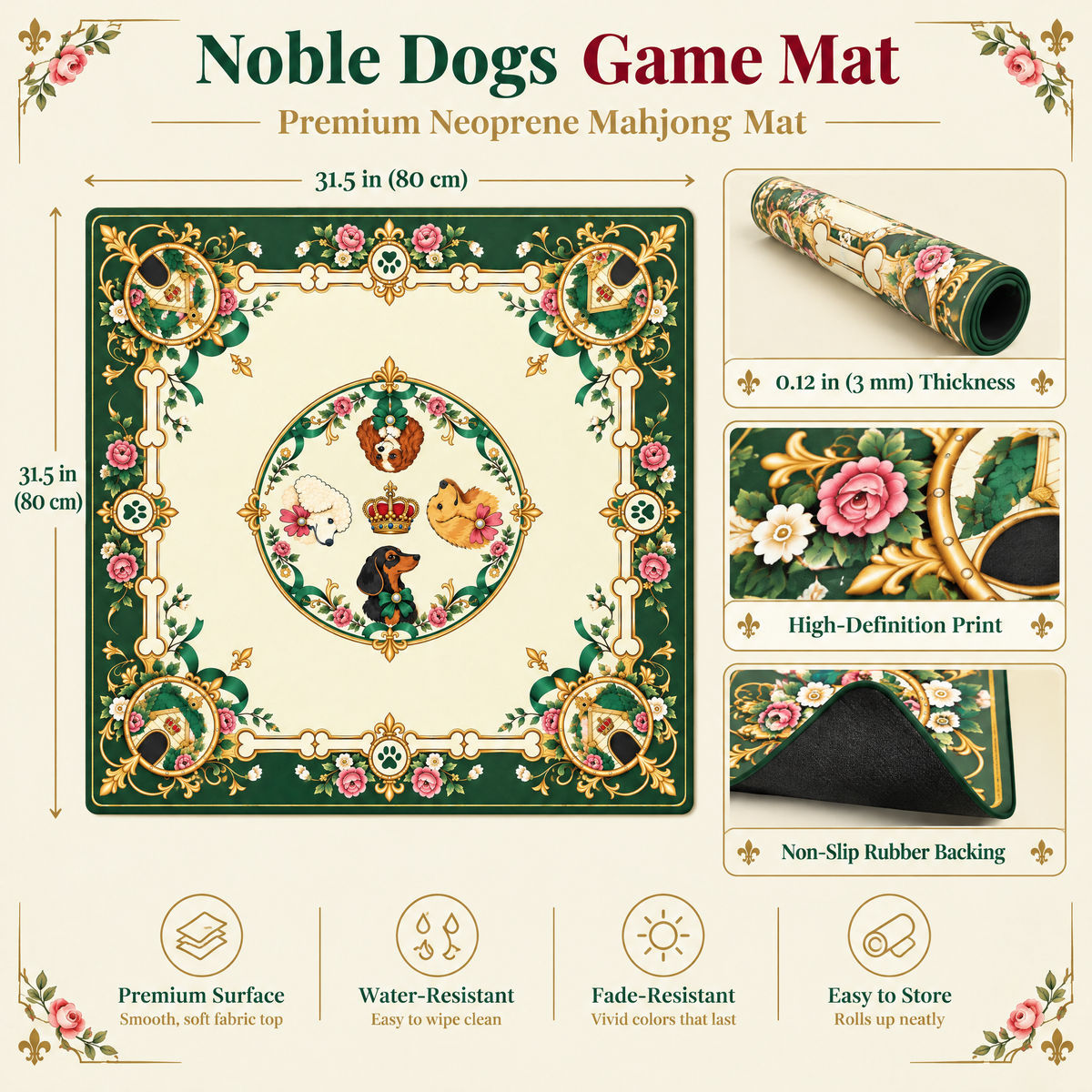
Nashville's mahjong scene clusters in three main channels: public spaces (libraries, community centers, rec departments) host drop-in games and lessons; private clubs and synagogues run weekly games for members; Meetup boards, Facebook groups, and tile-shop bulletin boards advertise new tables. Start by calling your local library or visiting the Parks and Recreation office to ask about mahjong hours—most run weekday afternoons or weekend mornings. If you're in a suburb, check Meetup for "Nashville mahjong" or expand to nearby towns; the community often overlaps. Once you locate a game, bring a tile set and a mat if you have one (or ask what to bring), arrive 15 minutes early to learn their variant and scoring, and introduce yourself as new. Most groups welcome beginners and loan gear if needed. If no public games fit your schedule, start a home table with friends—we recommend a best-selling acrylic set and a play mat to make the first session smooth.
Where do Nashville players gather?
Libraries and community centers are your fastest entry point. Call ahead to ask if they host mahjong; many run weekly games led by volunteers or staff. Parks and Recreation departments sometimes run beginner lessons in spring and fall—check their seasonal program guide online or by phone. Synagogues in the Nashville area often open mahjong nights to the broader community, not just members; search your neighborhood for Jewish community centers or call to ask their social calendar. Country clubs and social clubs occasionally run mahjong tables; membership is usually required, but some allow trial visits. Your goal is to ask, not guess—a five-minute phone call answers whether a venue plays and when.

What should I bring to my first game?
Most established groups have shared tile sets, so you may not need your own. However, bringing a notebook, pen, and the current National Mah Jongg League card (issued each spring) shows readiness. Ask the host in advance what variant they play—American, Chinese, Hong Kong, or Riichi rules are all different, and equipment can vary. If you own a set, bring it to show respect; groups appreciate players who invest in the game. A cushion or small pillow helps if you'll be sitting for 2–3 hours. Most games run 90 minutes to 2.5 hours, so plan your schedule and let the host know you're coming so they can arrange seating.
How do I find games if public venues don't work?
Meetup is the fastest online tool—search "Nashville mahjong" and filter by game type and distance. Facebook groups for "Nashville games," "Tennessee hobbies," or city-specific pages often have game posts or members who organize. Ask at tile shops, board game cafes, or hobby stores if they know active players or host tables. Nextdoor app posts reach your immediate neighborhood. If you're willing to start your own game, invite friends or coworkers; we host weekly tables and can confirm that a solid beginner's set and mat remove friction on game one. Post the game time, location, and rules clearly, and players will come.
What's the difference between American, Chinese, and Riichi mahjong in Nashville?
Variant | Tiles | Hands per year | Scoring system | Learning curve |
American | 152 tiles, 8 jokers | One card (updated spring) | Points + exposure | Moderate; card-driven |
Chinese | 136 tiles, no jokers | Flexible | Points + flowers | Steep; memory-heavy |
Riichi | 136 tiles, no jokers | Flexible | Points + wait patterns | Very steep; complex melds |
Hong Kong | 144 tiles, no jokers | Flexible | Points + speed | Steep; fast-paced |
Ask the host which variant the table plays before you arrive. Most Nashville groups play American mahjong because it's rule-standardized and beginner-friendly. If the group plays Chinese or Riichi, be honest that you're new and ask for a slower first round to learn. Many groups are mixed-skill and happy to teach.
🀄 Shop best-selling mahjong sets →
How do I learn the American mahjong rules before I play?
Read how to play American mahjong and what's in an American mahjong set on our blog to understand tiles, melds, and the Charleston hand-passing ritual. Watch a 15-minute video on YouTube (search "American mahjong tutorial") to see tiles in motion. Learn how jokers work and how to read the card so you recognize valid hands. Skim American mahjong scoring to understand points, but don't memorize—your group will teach scoring on game day. Most Nashville groups run a casual first game where mistakes don't count, so you'll learn by playing. Bring one question per round, and players will answer.
🎁 See our most-loved mahjong sets & accessories →
What if I want to start a home game but have no experience?
Host a beginner-friendly first night by setting clear expectations: American mahjong, no betting or points that matter, and one slow practice game. Invite 3–4 people you know (coworkers, neighbors, friends with game interests). Send a prep email with links to mahjong for beginners so everyone arrives with basic knowledge. Set up a table with a play mat to keep tiles organized and racks with pushers so tiles don't scatter—this cuts confusion in half. Have snacks and water available; games run 2–3 hours. Run two games: the first as learning, the second as "real." Tell everyone the goal is fun, not winning, and plan 10 minutes of teaching between rounds. By game two, most players will feel confident. Once your group finds a rhythm, you can meet weekly and invite others to join.
✨ Find your Mahstead set — free US shipping →
What to check before you buy or borrow a set
If you're borrowing a set from a game host, ask: Are all 152 tiles accounted for? Are the Jokers usable (not faded or stuck)? Is there a card for the current year? Most groups have well-maintained sets; if one looks worn, politely ask for another table or bring your own next time. If you're buying a set, pick an acrylic design from our best-selling collection that matches your style—they ship with all 152 playing tiles, a mat, and racks with pushers so you're ready to host immediately. Check that the tiles are readable (not too dark or too small for your eyesight) and that the case closes smoothly. Our sets include free shipping across the US, so factor that into your timeline—plan a week for delivery if you're hosting a first game.

FAQ
How much does it cost to join a Nashville mahjong game?
Most public library and community center games are free or cost a small drop-in fee (ask when you call). Private clubs may charge membership; synagogue games typically cost nothing for guests. Home games usually involve no money—just snacks and friendship. Ask the host before your first visit.
Can I play mahjong if I've never played before?
Yes. Nearly every Nashville group welcomes beginners. American mahjong has clear rules printed on an annual card, and most players enjoy teaching. Arrive early, ask questions, and expect a learning game. You'll be competent by round two.
What's the difference between American mahjong and the mahjong my grandmother played?
Your grandmother likely played Chinese or Hong Kong mahjong, which use 144 or 136 tiles, no printed card, and memory-based hands. American mahjong uses 152 tiles, 8 jokers, and the National Mah Jongg League card published every spring. Rules are very different, so confirm which variant the Nashville group plays before you arrive.
Do I need to own a set to play?
No. Most established games provide sets. If you want to host a home game or play regularly, owning a set is convenient. Our best-selling sets include everything a beginner needs and ship with free US delivery.
How often do Nashville groups meet?
Public games typically run once or twice a week (weekday afternoon or weekend morning). Private clubs and home groups vary—ask the host. Most groups meet weekly at a set day and time so players can commit.
If I start a home game, how many people do I need?
American mahjong is designed for four players. If you have exactly three or two, special rules apply; see 2 and 3 player mahjong rules. Ideally, invite four regulars and one backup in case someone cancels.


View More
View More
View More
