
Where to Play Mahjong in Detroit: Clubs, Groups & Getting Started
Last updated: Nov 23, 2026
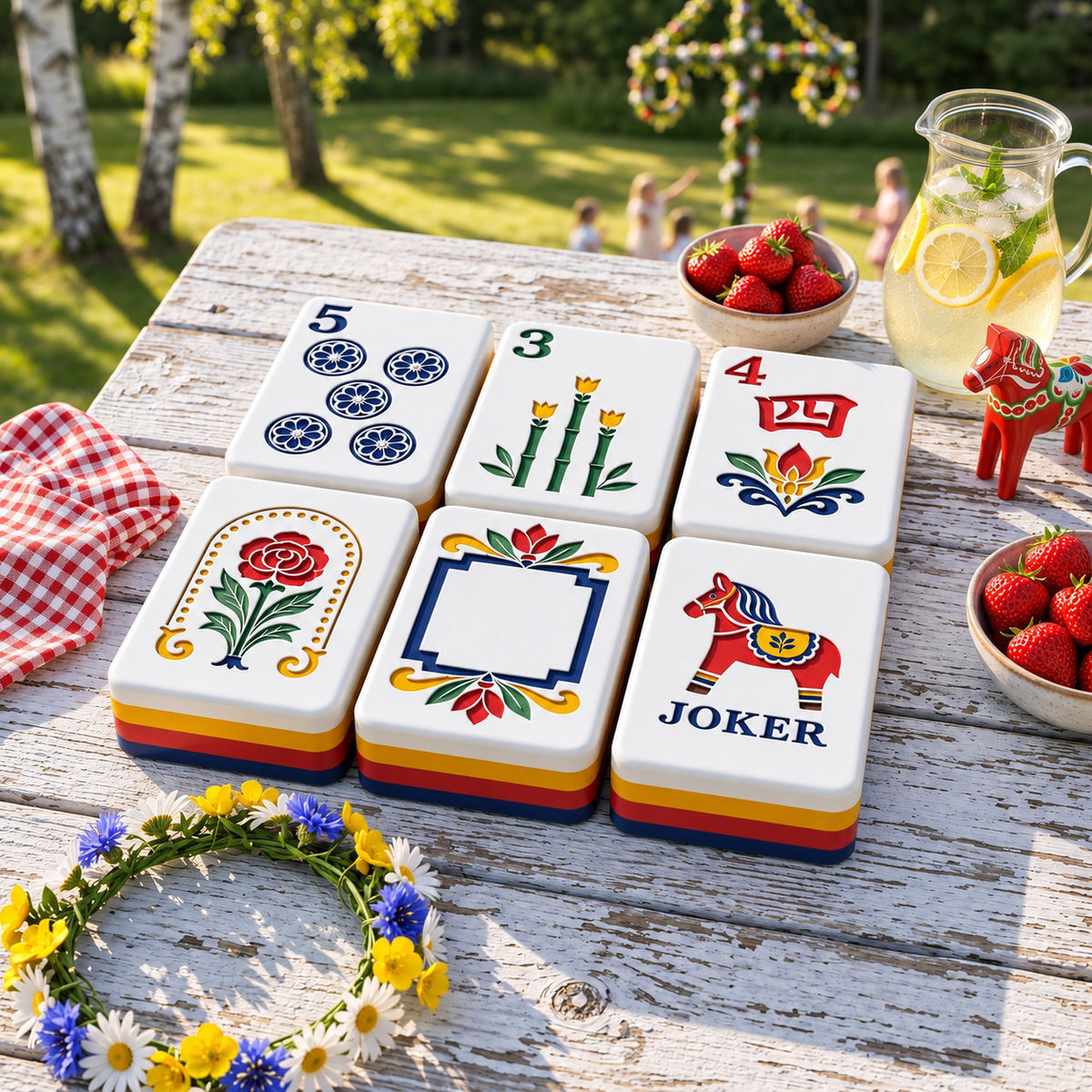
Detroit mahjong players gather at community centers (especially on Detroit's northwest side near libraries and Jewish community spaces), synagogues hosting weekly games, country clubs with game rooms, and casual meetup groups coordinated through Facebook and Nextdoor. Most play American mahjong using the National Mah Jongg League card updated each spring. Games typically run Thursday or Friday evenings and Sunday afternoons, lasting 2–4 hours. The cost ranges from free (casual home games) to modest table fees at organized venues. Before your first game, confirm whether they supply tiles or you bring your own—many groups appreciate players who arrive with a 160-tile acrylic set and a mat. Contact your local library or community center directly; ask for "mahjong" by name, not "tiles" or "dominoes."
Detroit has an active mahjong community spread across community centers, synagogues, and private clubs. Most play American mahjong using the National Mah Jongg League card updated each spring. Games typically run Thursday or Friday evenings and Sunday afternoons, lasting 2–4 hours. The cost ranges from free at casual home games to modest table fees at organized venues. Before your first game, confirm whether they supply tiles or you bring your own—many groups appreciate players who arrive with a 160-tile acrylic set and a mat.
Where are Detroit's regular mahjong games?
Detroit's active mahjong scene clusters around three venue types: synagogues (especially in the northwest suburbs), community recreation departments, and informal home-game networks. Detroit Public Library branches and the Detroit Institute of Arts community bulletin boards sometimes post announcements. Check your neighborhood library first—librarians know local game schedules better than online directories. Synagogues often hold Tuesday or Thursday evening games open to members and guests. Country clubs with game rooms host weekend groups, though you may need an invitation or membership. Start by calling the main community center nearest you and asking directly: "Do you host mahjong games?" You'll often speak to someone who plays or knows the organizer personally.

How do I find beginner-friendly games in Detroit?
New players should look for groups that explicitly welcome learners, rather than joining a table mid-season. Many Detroit synagogues run beginner sessions in fall before the new National Mah Jongg League card arrives each spring. Post on local Nextdoor or Facebook groups asking, "Where do beginners play mahjong in Detroit?"—this usually draws replies within hours from long-time players happy to mentor. When you call a venue, ask: "Is this a beginner-friendly group, or do I need experience?" Honest venues say so. Home games are often less intimidating than tournament-style clubs; friends of current players are usually welcome. If you're brand new to the game, read how to play American mahjong before attending; even 20 minutes helps. Bring a notebook and a willingness to sit out a hand while someone explains the card and tile-calling rules.
🀄 Shop best-selling mahjong sets →
What do I need to bring to my first Detroit mahjong game?
Most Detroit groups supply tiles and racks if you ask ahead, but arriving with your own set shows you're committed and removes friction. A complete American mahjong set includes 152 playing tiles plus 8 jokers—four of each number in three suits, winds, dragons, flowers, and blanks. Bring a mat (especially if you host or play regularly—it protects the table and makes tile movement quieter). A pen and scoring sheet matter more than you'd think; many games use paper scoring rather than tablets. If you're a regular player moving between groups, a case keeps your set safe during travel. A current National Mah Jongg League card (issued every spring) is essential; if you don't own one, ask the group to share or purchase one before you play. Wear comfortable clothes; games last 2–4 hours and you'll sit the whole time.
What's the difference between Detroit casual games and organized clubs?
Casual home games (Friday night with friends, Sunday family gatherings) have flexible rules, house variants, and zero entry fees. Organized clubs follow the National Mah Jongg League card strictly, collect small table fees (covering rental or refreshments), and often keep season-long scores. Club games feel more formal—you're expected to know basic how the Charleston tile-passing ritual works and call tiles clearly. Home games let you ask questions between hands and laugh at mistakes. Both teach you, but casual games suit anxious beginners and organized clubs suit players ready to focus. Ask ahead which style the group plays: "Is this a casual or league-based game?" Organized clubs rarely mix the two in one evening. If you're building a home group, stick to casual house rules at first; add rigor later as everyone improves.
🎁 See our most-loved mahjong sets & accessories →

What gear helps you host regular mahjong in Detroit?
If you're starting a weekly home game, a quality mat keeps tiles organized and prevents wear. Acrylic tiles are louder and more durable than bamboo—ideal for beginners who fumble or for a kitchen table. Racks with pushers reduce hand strain during long games and let players see all their tiles at once. A mat vs. bare table changes the comfort level significantly; even casual groups notice the difference. If you move your set between homes, a padded bag or case keeps tiles from chipping. Buy once; a durable set lasts decades. Host a small mahjong for beginners session before inviting seasoned players, so everyone's on the same page. Paper scoresheets, a current year's card, and snacks complete the setup.
Quick Setup Comparison: Home vs. Club Game
Aspect | Casual Home Game | Organized Club |
Venue | Your home or friend's kitchen | Community center, synagogue, club |
Schedule | Ad hoc, you choose | Fixed weekly time |
Table fee | None | Modest (covers space/refreshments) |
Tiles | You supply or share | Organizer supplies |
Rules | Flexible, house variants OK | Strict National League card only |
Score-keeping | Paper or casual | Official scoresheets, season tally |
Best for | Learning, low pressure | Serious play, seasonal rankings |
Setup time | 5–10 minutes | Organized, pre-arranged |
What should you check before you buy a set for Detroit play?
Before purchasing a mahjong set specifically to play in Detroit groups, ask your venue three questions:
Do they provide tiles? Many clubs have house sets. If they do, you don't need to buy one for a trial period.
What tile material do they prefer? Acrylic is louder but durable; bamboo is traditional but chips easily. Some groups have strong opinions.
Will your set work at their table? Older tables may be smaller. Ask about mat size and whether pushers fit in their racks.
If you're hosting or playing multiple venues, invest in a durable best-selling acrylic set with a mat and carry case. Avoid buying an expensive set only to discover your group supplies everything—talk first, buy second.
✨ Find your Mahstead set — free US shipping →
How to find games: a step-by-step checklist
Call your nearest Detroit Public Library branch and ask if they know of mahjong groups.
Contact community centers in your neighborhood (Parks & Recreation websites list evening classes and game groups).
Search "[Your neighborhood] mahjong Detroit" on Facebook Groups or Nextdoor.
Visit local synagogues' websites or call their office asking about game nights.
Ask at country clubs you know; game rooms often host mahjong.
Post your own question: "Looking for beginner mahjong games in Detroit—anyone playing Thursday nights?"
Confirm: venue, day, time, whether to bring a set, and whether beginners are welcome.
Arrive 10 minutes early the first time so you can watch a hand and ask the organizer questions.

FAQ
Do I need to own a mahjong set to play in Detroit?
No. Most organized groups and casual home games supply tiles. However, owning a set lets you join multiple groups without asking, host your own games, and practice between sessions. Many regular players eventually buy their own.
What's the cheapest way to start playing mahjong in Detroit?
Find a casual home game through friends or Nextdoor (free), or attend a synagogue group with a modest table fee. Borrow or share a set initially. Buy your own only after you've played a few times and confirmed you like the game.
Are there online mahjong groups in Detroit I can join before showing up in person?
Yes. Facebook groups for Detroit mahjong, Michigan board gamers, and neighborhood Nextdoor pages often have threads about games. Post asking where beginners play; locals will invite you or point you toward welcoming groups.
Can I bring my own tiles to an organized club game?
Ask first. Some clubs mandate their own tiles to ensure consistency. Others let you bring a set as long as it has the standard 152 tiles and follows National League standards. Calling ahead prevents friction.
What's the biggest beginner mistake when joining a Detroit mahjong game?
Not asking the group whether they use house rules or strict league rules. Casual games have variants; league games don't. Arriving unprepared for the rule level wastes everyone's time. Ask: "Is this casual or league play?"
How often do Detroit mahjong groups meet?
Most meet weekly (Thursday or Friday evenings, or Sunday afternoons). Some run seasonal games with breaks in summer. A few host monthly tournaments. Call or visit their page to confirm the current schedule—groups adjust seasonally.


View More
View More
View More
