
Mahjong Groups in Louisiana: Where to Find & Join Players
Last updated: Nov 23, 2026
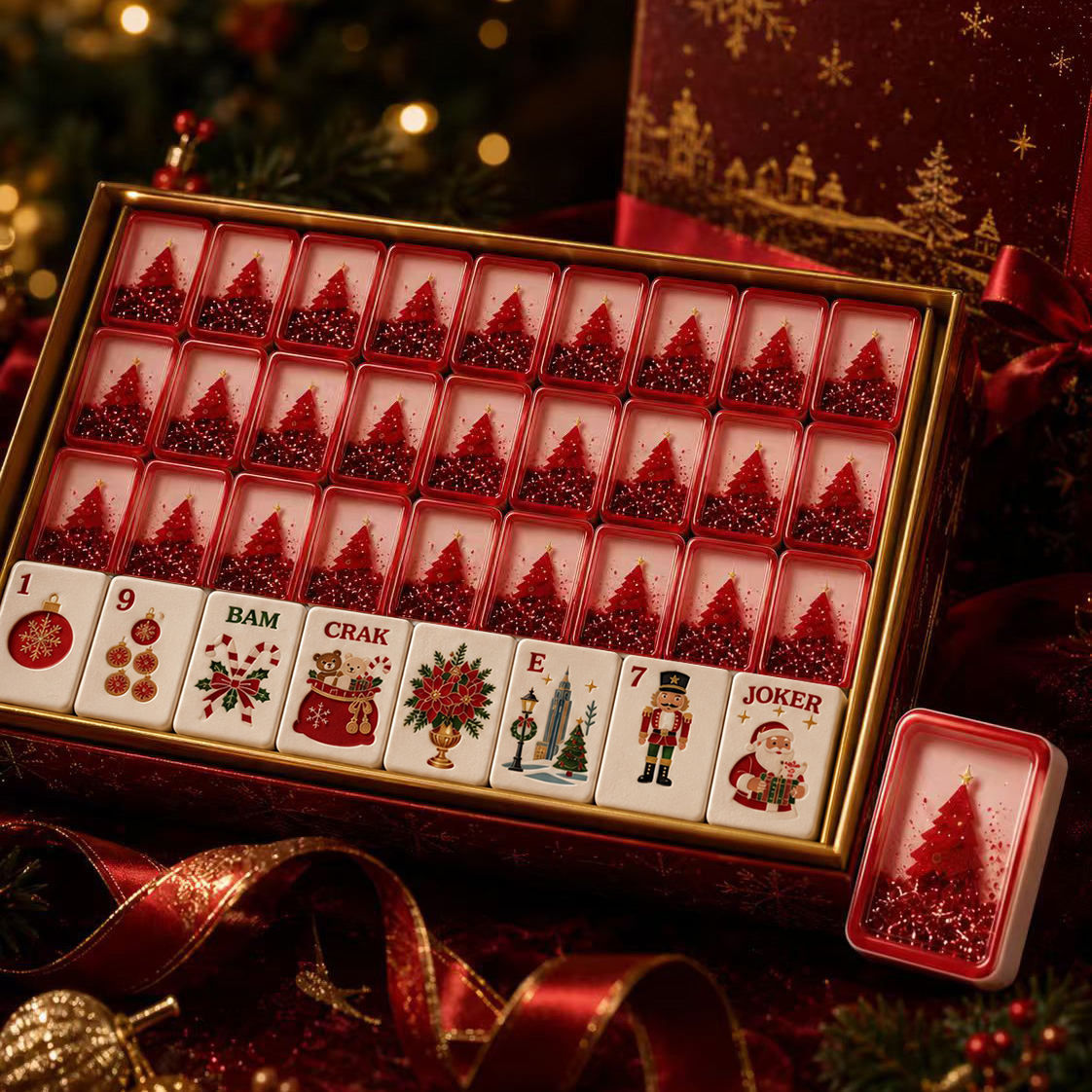
Mahjong groups in Louisiana gather primarily through community centers, libraries, synagogues, senior centers, and country clubs—especially in the New Orleans metro and Baton Rouge areas. Search Meetup.com, Facebook community boards, and local recreation department websites by city. Call ahead: most groups meet weekly or bi-weekly and welcome beginners, though some require familiarity with American mahjong rules. Expect to bring or share a 160-tile set (152 playing tiles plus spares), a mat, and racks if the host hasn't supplied them. Many Louisiana groups play American mahjong using the National Mah Jongg League card updated yearly. Start by visiting a drop-in game rather than committing to membership; most play for fun or token stakes, not gambling. Mahstead ships complete sets with mats and accessories across Louisiana with free US shipping, so you can show up ready.
Louisiana has a strong mahjong community spread across New Orleans, Baton Rouge and smaller towns. Search Meetup.com, Facebook community boards, and local recreation department websites by city. Call ahead: most groups meet weekly or bi-weekly and welcome beginners, though some require familiarity with American mahjong rules. Expect to bring or share a 160-tile set (152 playing tiles plus spares), a mat, and racks if the host hasn't supplied them. Many Louisiana groups play American mahjong using the National Mah Jongg League card updated yearly. Start by visiting a drop-in game rather than committing to membership; most play for fun or token stakes, not gambling. Mahstead ships complete sets with mats and accessories across Louisiana with free US shipping, so you can show up ready.
How do you find a mahjong group near you in Louisiana?
Start by searching Meetup.com with keywords "mahjong Louisiana" or "[your city] mahjong." Check Facebook groups for "New Orleans Mahjong," "Baton Rouge Games," or local neighborhood pages. Call community centers, public libraries, senior centers, and country clubs—many host weekly games or can refer you to private groups. Ask at any synagogue in your area; mahjong remains popular in Jewish communities. Post on neighborhood Nextdoor boards asking where locals play. Once you find a lead, text or call the organizer; established groups are usually welcoming and can explain their house rules and meeting times.

What should you bring to your first mahjong game in Louisiana?
Most groups have shared sets and equipment, but bringing your own signals you're serious and removes ambiguity. A best-selling mahjong set with clear tile markings helps everyone read the board quickly—critical in humid, bright outdoor or poorly lit indoor venues. A personal mat protects tiles and speeds play. If you're nervous about forgetting rules, print a guide to reading the mahjong card and bring it folded in your bag. Wear comfortable clothes and bring water; games last 1–3 hours. If the group plays for stakes, clarify the amount beforehand—most Louisiana groups play casually for nickels or dimes, some for fun only.
Which Louisiana cities have the most active mahjong groups?
City | Primary Venues | Player Density | Notes ---|---|---|--- New Orleans | Community centers, synagogues, private homes | High | Most active metro; year-round games; mix of longtime and newer players Baton Rouge | Libraries, senior centers, country clubs | Medium | Growing; check LSU area and Mid-City | Lafayette | Community centers, libraries | Low–Medium | Smaller but welcoming; fewer formal groups; try Facebook first Shreveport | Senior centers, clubs | Low | Less visible; ask at libraries and synagogues Smaller towns | Private homes, church halls | Low | Often word-of-mouth only; call neighbors or local retiree networks
New Orleans remains the hub. If you live outside these cities, start with Facebook or ask at your local library—many librarians know quiet games happening in back rooms or private homes.

What rules variant do Louisiana groups use, and how does it differ from other mahjong types?
Nearly all Louisiana groups play American mahjong, which uses a yearly card issued every spring by the National Mah Jongg League. American mahjong has four copies of each tile and only three suits (Bams, Craks, Dots) plus honors and flowers. You cannot call or expose runs (chows); only pungs (three identical), kongs (four), quints (five), and sextets (six) can be shown. Jokers are wild but never used alone or in a pair—a strict rule that trips up newcomers. Hand patterns come only from the current card; you cannot invent combinations. This differs sharply from Chinese mahjong, which allows runs, uses no yearly card, and plays with 144 tiles. If you encounter a group playing Chinese or Hong Kong rules, ask for a tutorial first—the pivot is significant. Most Louisiana groups post their variant on Meetup or Facebook; if unclear, email the organizer.
🀄 Shop best-selling mahjong sets →
What's the unspoken etiquette and rhythm of a Louisiana mahjong game night?
Arrive 10–15 minutes early to greet the host and get seated. During play, do not announce your hand—call "ready" or "closed" when you have fourteen tiles matching the card, then draw one more tile and declare your win silently or by placing tiles face-up. Touching tiles excessively or hesitating overly long slows play and annoys experienced players; be deliberate. Discard face-up into the center so discards are readable. If someone calls your discard (to complete their hand), stop immediately—do not draw a replacement. Honor the Charleston, the pre-game tile-passing ritual: pass right, left, center, and across in sequence. If you're new, ask the host to walk you through it once. Never touch tiles in play once the round starts unless it's your turn. Between rounds, chat freely. Respect scoring—keep a running tally if using the league card's point system, or agree beforehand on a flat payout per win. Most Louisiana groups are relaxed; genuine mistakes are forgiven, but rushing or breaking focus annoys neighbors.
How do you transition from beginner to regular if you love the group?
After your first 2–3 visits, ask the organizer or most talkative player about membership, fees (if any), and frequency. Many groups operate drop-in style with no formal membership. If there's a fee, it often covers the host's snacks, rent, or set maintenance. Offer to bring snacks or donate toward the next event—generosity earns respect. Begin memorizing the current year's card patterns; ask experienced players to quiz you on common hands. Suggest meeting times you can commit to, and follow through. Ask experienced players one focused question per game ("Why did you hold that pung?"); too many interruptions during play frustrate others. Join a second group if time permits—different circles teach different strategies. After 10–15 games, you'll spot your preference: faster-paced competitive games, social slow-play, or mixed. Stick with your tribe.
✨ Find your Mahstead set — free US shipping →
What to check before you buy a set or mat to bring to Louisiana games
Tile readability: Verify tiles are engraved or printed clearly enough to read from across a 36-inch mat in natural light and lamplight. Acrylic tiles with sharp engraving stand up better than soft bamboo or plastic in humid Louisiana summers.
Mat size and portability: A standard 27" × 27" or 34" × 27" mat fits most tables. Check weight and whether it rolls or folds for car transport in New Orleans traffic.
Set completeness: Confirm your set includes 152 playing tiles plus spares (8 jokers and blanks vary by design). Never add spares to play; always use exactly 152 tiles per hand.
Rack stability: If you buy racks with pushers, test them on an uneven table—Louisiana restaurant tables and church folding tables often tilt. Stable racks prevent tiles spilling mid-game.
Travel durability: If you drive between venues, invest in a padded bag or case. Louisiana heat and humidity can warp bamboo tiles; acrylic and sealed cases minimize damage.
🎁 See our most-loved mahjong sets & accessories →

FAQ
Do I need my own mahjong set to join a Louisiana group?
No. Most groups have shared sets and mats, especially if hosted at a community center or synagogue. Bringing your own set is optional but appreciated—it shows commitment and avoids confusion over house sets' quality or tile clarity, which matters in the humidity.
How much does it cost to play mahjong in a Louisiana group?
Most groups charge nothing or a small voluntary contribution ($2–5 per session) for snacks or facility use. Some play for token stakes (nickels to quarters per hand). Ask the organizer upfront; nearly all groups accommodate players who prefer fun-only games.
What is the National Mah Jongg League card, and do Louisiana groups use it?
It's an annual card published each spring listing all legal hand patterns for that year. Nearly all Louisiana American mahjong groups use it exclusively. You cannot play a hand not on the card. Download or print the current card free from the league's website before your first game.
Can I learn American mahjong from scratch at a Louisiana group?
Yes, but prepare first. Watch a tutorial video or read the beginner's guide to understand the Charleston, tile suits, and turn structure. Groups expect newcomers to know basics; showing up completely blank slows everyone. Most hosts will answer rule questions during play.
Are Louisiana mahjong groups competitive or casual?
Mix of both. New Orleans metro groups range from ultra-casual (fun only, no stakes, loose play) to semi-competitive (weekly scorekeeping, small stakes, strict timing). Ask the organizer about table speed and stakes before attending. Try a casual group first to build comfort, then explore faster tables.
What's the difference between American and Chinese mahjong, and which do Louisiana groups play?
American uses a yearly card, no runs, exactly 152 tiles, and very strict joker rules. Chinese allows runs, uses 144 tiles, and plays year-round with no card. Over 95% of Louisiana groups play American. If a group mentions Chinese, Hong Kong, or Riichi rules, clarify before attending—switching styles mid-learning is frustrating.


View More
View More
View More
