
Where to Play Mahjong in Chattanooga: Local Groups & Getting Started
Last updated: Nov 23, 2026
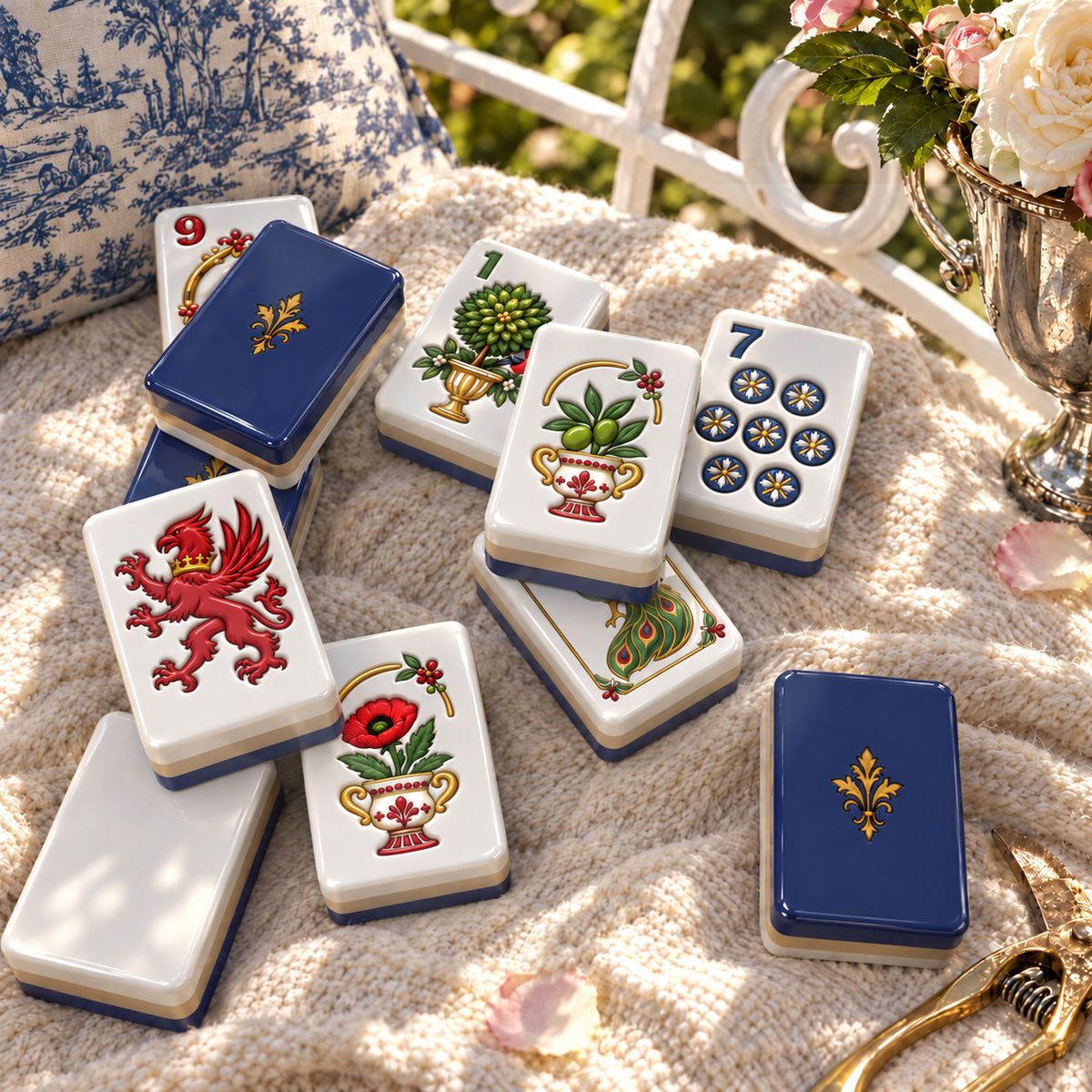
Chattanooga players gather at community centers, senior centers, libraries, and private game groups—most welcoming beginners year-round. Start by checking the Chattanooga Public Library's event calendar and asking staff about club listings; most groups post on Meetup or neighborhood Facebook pages. Senior centers like those run by the Parks and Recreation Department host regular mahjong hours, often Friday afternoons or weekday mornings. Country clubs and synagogues in the area also sponsor casual games. Expect to find games ranging from beginner-friendly once-weekly sessions to competitive weekly tournaments. Before your first game, learn the American mahjong basics—the 152-tile deck, how the Charleston works, and how to read the current National Mah Jongg League card. Many groups loan tiles to newcomers, but owning a best-selling set gives you confidence and lets you practice at home. Cost to play is typically a small ante or potluck contribution, not a fee.
Where do most Chattanooga mahjong groups meet?
Public libraries and senior recreation centers host the most consistent open games. Chattanooga Public Library branches often have bulletin boards listing weekly mahjong meetups; call ahead to confirm current schedules, as groups shift seasonally. The city's Parks and Recreation Department runs senior-focused programs at neighborhood centers—ask which ones have mahjong tables. Facebook neighborhood groups and Meetup.com ("Chattanooga" + "mahjong") show private player networks. Some groups rotate between homes; joining one regular game is the fastest path to an invitation-only circle.
🀄 Shop best-selling mahjong sets →

How do I actually join a Chattanooga mahjong group?
Attend an open session at a public venue—no signup needed. Introduce yourself to the organizer and ask where the group meets next. Most welcome observers for a hand or two to learn the pace. If a group feels too advanced, ask the librarian or center staff for a beginner circle; Chattanooga has several. For private groups, attend once publicly, exchange contact info, and wait for an invitation. Honest groups vet new players to ensure compatible skill levels and game culture (some play for money, others just points). Never pay an upfront fee to join a Chattanooga group—red flag for scams.
What skill level do I need before showing up?
You don't need to know the rules yet, but spending 30 minutes learning American mahjong basics helps enormously. Understand that we play with 152 tiles, not sequences (chows)—only pungs, kongs, and quints count. Know that the Charleston is the tile-passing ritual at the start, and that hands come only from the current year's National Mah Jongg League card. Read our guide to how American mahjong works and watch one video before you go. Experienced players expect you to ask questions freely during play—that's normal. Most Chattanooga groups average 1–2 learning hands before a newcomer settles in.
🎁 See our most-loved mahjong sets & accessories →
What should I bring or buy before my first game?
Bring a notebook, pencil, and water; the group will provide tiles. If you plan to play weekly, buy your own best-selling American mahjong set so you can practice at home and host games yourself. A set with a clear mahjong mat makes learning tile sorting much faster. Many players also add racks with pushers to organize their hand neatly—especially helpful when you're new and reading tiles slowly. If you travel between game locations or want to bring your set to a friend's house, a padded case protects your investment. None of these are required for your first session, but all make the second and third games less stressful.
Beginner Setup Checklist:
Item | Why It Helps | Priority |
American mahjong set | Learn at home; build muscle memory | High |
Mahjong mat | Organize tiles visually; sort faster | Medium |
Racks with pushers | Read your hand without fumbling | Medium |
Padded case | Protect tiles; transport easily | Medium |
Note cards for hand patterns | Study between games | Low |
What happens if I'm shy or worried about making mistakes?
Every player at your first Chattanooga game has forgotten a rule, missed a tile, or called a hand incorrectly. Mistakes teach faster than lectures. Sit next to a patient player (ask the organizer for a "buddy" match if you're nervous) and announce "I'm new" at the start—the table will adjust pace and explanation. You won't be asked to play money rounds on day one. Most Chattanooga groups assume newcomers need 3–5 sessions to feel comfortable; that's normal. If someone is impatient or dismissive, that's a sign you've found the wrong group, not that you're slow.

Finding Your Game This Week
Start here: Visit Chattanooga Public Library's website → events calendar → ask staff in person. If you live in North Shore, Southside, or downtown, ask at your local branch first. Check Meetup.com for "Chattanooga Mahjong" to see upcoming sessions—many post 1–2 weeks out. Join a Facebook neighborhood group and post "New to Chattanooga, looking for a weekly mahjong game"—responses come fast. Call the Parks and Recreation main office and ask which senior centers run mahjong. You'll have a lead within two days.
✨ Find your Mahstead set — free US shipping →
What to Check Before You Buy a Set
If you decide to buy tiles for home practice, pick a design or theme that makes you smile—you'll look at it every week. Confirm it includes all 152 playing tiles plus 8 jokers (our 160-tile sets include extras for spares). Make sure the tile size feels comfortable in your hand during testing if possible; most players prefer standard or slightly larger acrylic tiles. Check that the case or bag fits your car or bag if you'll transport to games. We ship free across the US, so you can order from home and have it before your first session.
Real Talk: How Often Do Chattanooga Players Actually Meet?
Public groups meet 1–2 times weekly; private circles often gather weekly or bi-weekly. Some play year-round; others take summer breaks. Expect games to run 2–4 hours. If you commit to one group for 4 weeks, you'll know whether it's your speed. Chattanooga's mahjong culture is steady and welcoming—player counts stay stable because games are fun and low-pressure, not cutthroat.
Starter Gear for Confident Play at Home
Once you join a game, practice the Charleston and how jokers work at home. A full set lets you drill hand patterns without stressing real players. Pair your tiles with a mat for clean tile arrangement, and you'll read positions instantly. Racks with pushers let you organize your hand like experienced players do—builds confidence before your next game. Start with best-selling designs and add a nicer set later if you fall in love with the game.

FAQ
Do Chattanooga mahjong groups charge to join?
No. Open public games are free or ask a small potluck contribution. Private circles sometimes collect a small ante for prize chips, but never a membership fee. If anyone asks for upfront payment to join, that's a scam.
Can I play mahjong if I've never played before?
Yes. Spend 30 minutes learning American mahjong basics, then show up. Tell the table you're new. Everyone learns by playing—experienced players expect and welcome questions during the game.
What's the age range at Chattanooga games?
Highly mixed. You'll find players aged 30–85 at most open public sessions. Senior centers skew older; community centers and library games include younger players too. Ask the organizer which group matches your age range if that matters to you.
Should I buy a set before or after my first game?
After. Attend 1–2 games to confirm you like the speed, people, and rules. Then buy a set so you can practice at home and play confidently. Many groups loan spare tiles to beginners.
How do I know which Chattanooga group is the right fit for me?
Attend once, then ask: Do I understand the house rules? Do players explain kindly? Is the pace comfortable? Do I want to come back? If yes to all four, that's your group. If no, try another one.
What's the hardest part for beginners at Chattanooga games?
Reading tiles fast and remembering which patterns are legal this year. Both improve in 4–5 sessions. Bring a notebook and jot down hands you see—muscle memory works fast with mahjong.


View More
View More
View More
