
Mahjong Practice Against Computer: Apps, Tools & Best Learning Path
Last updated: Nov 23, 2026
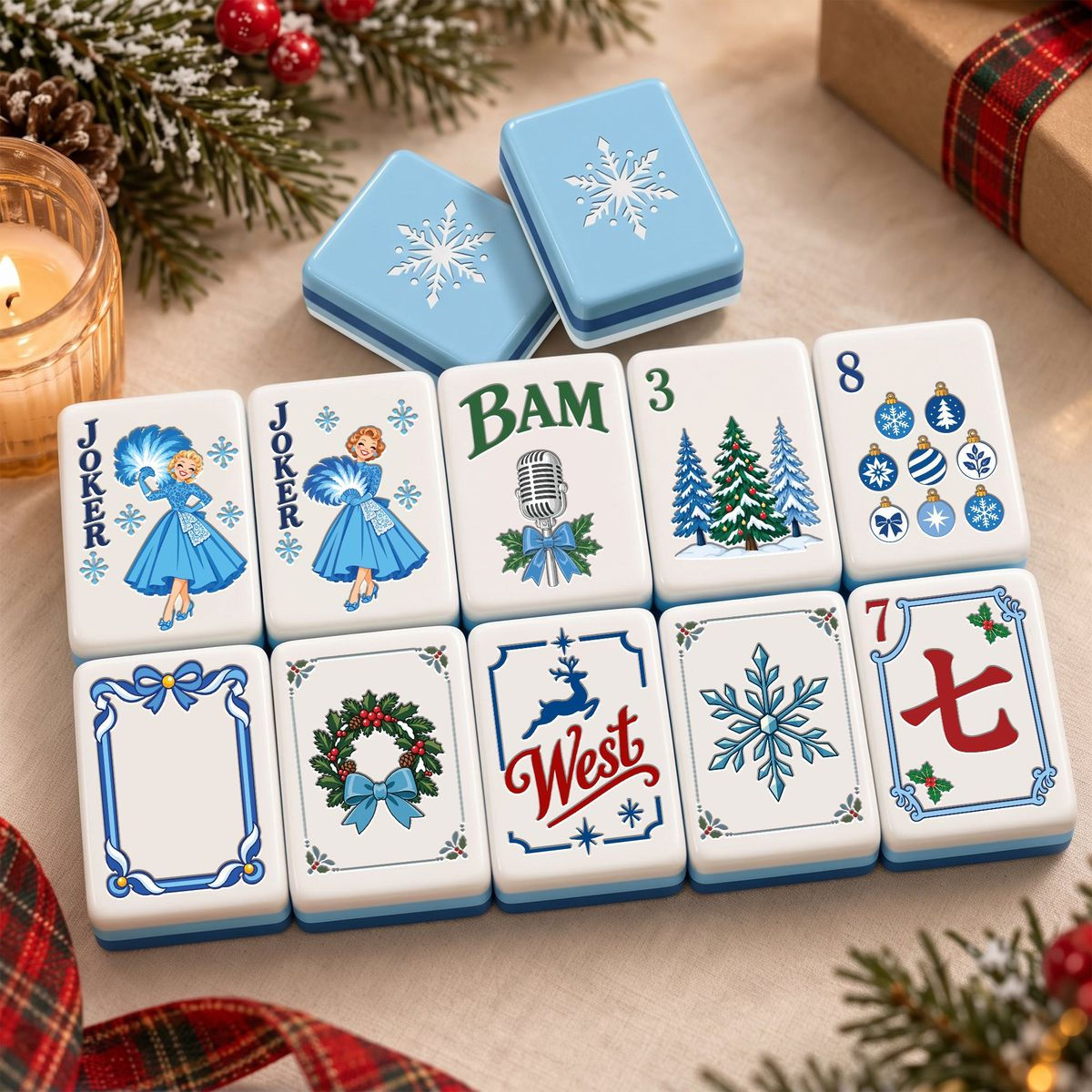
Solo computer practice helps you learn hand recognition and tile management, but American mahjong software lags far behind live play because computers can't teach the Charleston, live discard reading, or 4-player strategy nuance. Free or low-cost apps exist for Chinese mahjong (Mahjong Solitaire, for example) and some riichi variants, but genuine American rule engines are sparse. The best approach: use apps for speed drills and pattern memorization, then anchor your learning in weekly live games with real players and a current National Mah Jongg League card. Apps teach mechanics; tables teach mahjong.
Solo computer practice fills the gap between live games but comes with real limits—especially for American rules. Computers can't teach the Charleston, live discard reading, or 4-player strategy nuance. The best approach: use apps for speed drills and pattern memorization, then anchor your learning in weekly live games with real players and a current National Mah Jongg League card. Apps teach mechanics; tables teach mahjong.
Why computer mahjong practice alone isn't enough for American rules?
American mahjong exists as a social, card-dependent game: the National Mah Jongg League card changes every spring, hands shift, and no software can replicate the discard flow of four live players. You can't practice the Charleston (the ritual tile pass before play begins), you won't learn to read opponents' discards for defensive play, and you miss the live pressure of calling or passing. Most computer mahjong engines worldwide are built for Chinese, Hong Kong, or riichi rules—not American. A computer gives you isolated hand-matching drills, not the game itself. Translation: apps sharpen your recognition speed; live tables teach decision-making under real stakes.

What mahjong apps actually exist for solo practice?
Mahjong Solitaire (available on most app stores) is the most popular free option, though it's a one-player tile-matching puzzle, not competitive mahjong. Tile-laying games like this build visual memory but teach no hand selection or discard strategy. For riichi or Chinese mahjong, apps like Tenhou (online, riichi-focused) or Mahjong Soul offer multiplayer and single-player drill modes with AI opponents; both are free-to-play with optional purchases. American-specific software is rare—a few fan projects exist but lack polish and current League card support. If you find an app labeled "American mahjong," test it first: Does it follow the current year's card? Do hands require exposed sets (melds) only, never sequences? Can it handle quints and sextets? If the answers are "no," the app teaches the wrong game. For American learning, the League card itself (printable or as a physical deck) remains your best drill tool—spread it out, pick random hands, and build them from a pile of mixed tiles.
How can I practice hand recognition without other players?
Speed drills work. Print or display the current National Mah Jongg League card and set a timer: pick a random hand number, then gather that combination from a shuffled set in under two minutes. Repeat ten times. This builds the pattern recognition that live speed demands. Another drill: lay out thirteen random tiles and ask yourself which hands they could form—how many options exist? This trains flexible thinking. Work through the card's sections methodically: all-pairs hands, all-sequences, mixed patterns. Keep notes on which patterns trip you up. Use a best-selling acrylic set with clear, readable tiles—garbled numerals slow you down. Set a daily fifteen-minute drill into your routine: faster recognition translates directly to live table confidence.
🀄 Shop best-selling mahjong sets →
What should I focus on when solo drills are my only option?
Prioritize the three fundamentals: (1) Tile recognition—can you identify all 152 tiles on sight? Spend five minutes daily on the ones that confuse you (honor tiles often trip newcomers; flowers are easy). (2) Hand structure—understand the anatomy of a winning hand: all pungs, all pairs, mixed sequences and pairs. Know which hands require specific jokers and which allow flexibility. (3) Discard strategy logic—why players discard what they do. Build a mental library by studying recorded games or asking live players why they threw that tile. Computer practice can't replicate this, but your own note-taking can. Avoid the trap of playing endless Mahjong Solitaire puzzles—they're fun but teach zero strategy. Instead, use solo time to memorize, drill patterns, and prepare to absorb live play. Every hour of solo work should prep you for the table, not replace it.

How do I transition from solo practice to winning at the table?
Start by attending weekly games at local community centers, libraries, or synagogues—most have open tables and welcome beginners. Bring the current League card, a notebook, and humility. Watch before you play; ask questions between hands. In your first month, play defensively: pay attention to what players discard, don't push risky hands, and fold early if your draw is weak. Lose a few hands on purpose if it teaches you. After four to six weeks of weekly play, you'll recognize the live rhythm computers never show: the weight of a discarded Dragon, the speed of a winning table, the pressure of a competitor's near-win. Solo drills built your foundation; live play teaches you to use it. Most players who struggle at the table practiced apps too long before sitting down. Flip the ratio: play live, drill solo between sessions, and your growth accelerates.
Practice Mode | Builds | Limits | Best for |
Computer apps (Solitaire) | Pattern speed, visual memory | No strategy, no American rules, no opponents | Commute breaks, warm-up before live games |
League card drills (timed) | Hand recognition, card fluency | One-player isolation | Dedicated learners; proven faster path |
Live weekly games | Discard reading, decision-making, pressure | Time commitment | Real mahjong skill; essential for growth |
Video study (recorded games) | Strategy observation, expert thinking | No feedback, passive | Gaps in your game after playing live |
Coaching (ask strong players) | Personalized feedback, missing concepts | Availability, cost | Fixing specific weak areas fast |
🎁 See our most-loved mahjong sets & accessories →
What tools make solo and weekly practice more effective?
A high-quality tile set matters more than you'd think. Tiles that are hard to read or slip apart waste minutes per game and build bad habits. Acrylic American mahjong sets with embossed numbers and clear colors cut learning time and let you drill faster. A mahjong mat keeps tiles organized and visible during drills—better than playing on bare tables. Racks with pushers train your hand management; they're not essential for solo drills but they're essential for live table comfort, so practice with them from day one. Keep the current League card printed and laminated (or buy a durable tile-based card set) so you can drill anywhere. A notebook for strategy notes costs almost nothing but compounds your learning: write down hands that beat you, discard patterns you see, questions for stronger players. Most solo players skip these tools and learn slower. The investment is modest; the return is real.
✨ Find your Mahstead set — free US shipping →
What mistakes do solo learners make that hurt their live game?
The biggest mistake: drilling an app for weeks, then sitting at a table with players using the current League card you've never seen. The second: memorizing one year's card deeply, then a new one drops in spring and you panic. Prevention: always practice with the current year's card. Update the moment it releases. Another error: ignoring the Charleston. Solo drills skip it entirely, so players arrive at their first live game surprised and confused. Ask a player to teach you the Charleston before you sit down. A third trap: practicing "perfect play" on apps when real mahjong rewards fold-early wisdom. Don't get addicted to building every hand perfectly; learn when to throw in a bad draw. Finally, many solo learners skip discard notation—how other players track what's been thrown. This seems invisible in apps but dominates live play. Practice reading discards: write them down during your drills using the tile notation (e.g., "1 Bam," "Red Dragon," "East Wind"). These notebooks become gold.
What to check before you buy a set for solo practice?
Before investing in a set, confirm the tile count and quality. A full American mahjong set contains 152 playing tiles plus 8 jokers (160 total in a standard set). Count the tiles yourself on arrival—don't assume. Check that numbers are embossed or clearly printed, not stamped on weakly. Verify the backing color contrasts with the number: white numbers on light tiles are hard to read during timed drills. Test a few tiles to ensure they don't warp; humidity can bend cheap acrylic over time, making them harder to recognize quickly. If you'll drill on a mat, check that it's smooth enough that tiles slide without friction—rough mats slow you down. Read reviews from other learners, not just buyers seeking aesthetics. Solo practice is lonely enough without struggling to read your own tiles.

FAQ
Is there any American mahjong software as complete as the real game?
No recognized American-rules-compliant software exists that incorporates the current League card, the Charleston, and live strategy depth. Fan projects appear occasionally, but none are maintained annually with the new card. The real card and four players remain your best American mahjong engine.
Can I learn American mahjong faster with solo apps than by joining a live game immediately?
Partially. Four weeks of solo tile recognition drills before your first live game speeds up your comfort level. Beyond that, live play teaches you far faster. The optimal path is two to four weeks of solo card drill, then commit to weekly live games. Apps alone plateau quickly.
What's the fastest way to memorize the League card?
Timed drills. Set a timer for two minutes per hand—pick a random hand number and gather the tiles. Do ten reps daily. After two weeks, your brain will pattern-match automatically. Combine this with visual scanning of the card while sipping coffee. Passive reading alone is slower.
If I practice Mahjong Solitaire (the computer game), will it help my American mahjong play?
It builds visual pattern recognition and hand-eye coordination but teaches no American rules, strategy, or discard logic. It's a warm-up tool, not a foundation. Use it for fun before solo drills, but don't expect it to prepare you for the table.
Where can I find weekly games to transition from solo practice to live play?
Check community centers, libraries, synagogues, and country clubs in your area. Many host open mahjong nights or leagues. Online meetup boards and local senior centers are good starting points. Ask locals where regular games happen; word-of-mouth is faster than web searches. Bring the current League card and a humble attitude.
How long before I'm ready to play with strong players after solo practice?
Most beginners need six to eight weeks of weekly live play (not solo drills) before they're competitive with experienced players. Solo practice is the foundation; live games build the structure. Don't rush into a tournament or high-stakes game until your live experience shows you can fold early, read discards, and stay calm under pressure.


View More
View More
View More
