
Where to Play Mahjong in Boise: Clubs, Groups & Getting Started
Last updated: Nov 23, 2026
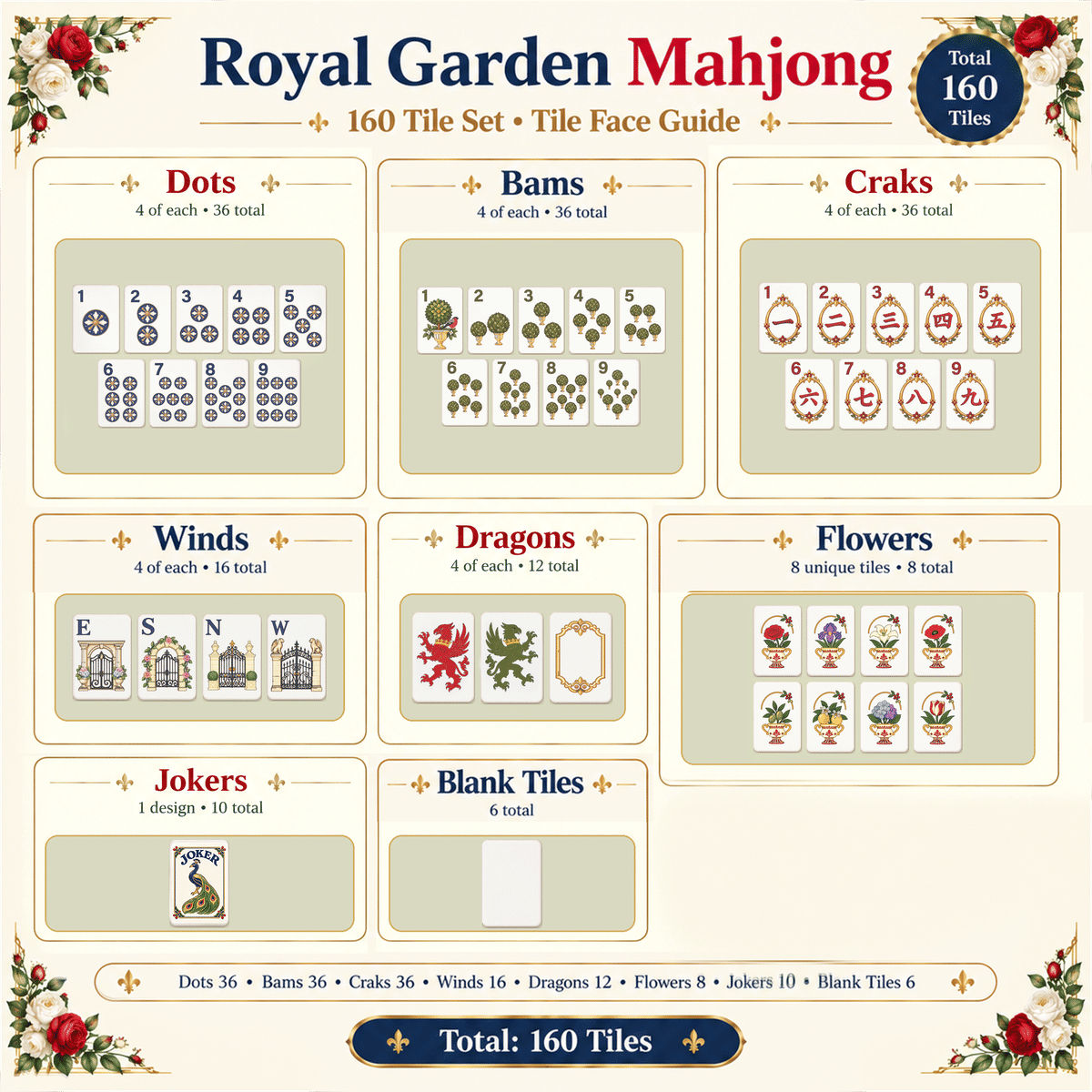
Boise's mahjong scene centers on community centers, libraries, and private clubs that host weekly or monthly games—check your local Boise Parks & Recreation calendar, library bulletin boards, and community center event listings. Most games are American mahjong, played with 152 tiles and the current National Mah Jongg League card. New players are welcome; beginner-friendly groups meet regularly and teach the Charleston and hand-reading basics. To join, bring a pen and notebook, learn how to play American mahjong, and come ready to listen—experienced players at the table will guide you through your first few hands. Many groups share sets, but owning your own best-selling mahjong set (with tiles, mat, and racks) means you're always ready to host or play confidently anywhere.
🀄 Shop best-selling mahjong sets →
Where do Boise mahjong games actually meet?
Community centers and public libraries in Boise are your first stops. Call or visit the Boise Parks & Recreation department website and search their event calendar for "mahjong" or "game groups." Many libraries host open game nights or maintain bulletin boards where local players post meeting times. Private country clubs and retirement communities in the Boise area also run regular mahjong tables; ask the front desk or check their activity schedules. Check community Facebook groups and Meetup.com (search "Boise mahjong") to find active players who announce games weekly. Senior centers often have standing games on fixed days—call ahead to confirm the skill level and whether newbies are invited.

What should I expect in my first Boise mahjong game?
You'll sit at a table with three other players, each with a rack holding 13 tiles face-down. The game starts with the Charleston—a tile-passing ritual that takes 2–3 minutes—then players draw and discard to build a hand from one of that year's National Mah Jongg League card patterns. A game lasts 20–40 minutes depending on the players' speed; a full round (four players, four games as East) is 90 minutes to two hours. Bring a pen, your phone or printed reference copy of the rules, and patience—experienced players are patient with questions. Most groups play for fun or small stakes (ask beforehand); bring cash if scores matter. Wear comfortable clothes; you'll sit and concentrate, so casual and relaxed is the norm. Arriving 10 minutes early shows respect and lets you meet the group before tiles fly.
How do I learn the rules before showing up?
Start with mahjong for beginners to understand the tiles, suits, and basic hand structure. Read how to read the mahjong card so you can spot a winning hand when you see one on the card—that's the single most important skill for your first night. Watch one or two hands at the table without playing; listen for calls ("Pung," "Kong," "Mahjong") and watch where tiles go. Ask one experienced player to be your "table buddy" for your first game; most players love teaching. Understand that jokers work as wild tiles and can be exchanged from other players' exposed sets—this rule confuses beginners the most. Practice hand-reading with a friend at home using a best-selling mahjong set for 20 minutes before you go; confidence comes fast once you see it in action.

Should I buy my own set, or can I use a group set?
Many Boise game groups share a set, so buying your own isn't required to start playing. However, if you plan to host games at home, practice alone, or play regularly, owning a set means you're never stuck waiting for someone else's tiles or mat. A quality best-selling mahjong set includes 152 playing tiles, racks with pushers, a mat, and a bag—all the tools you need. Some players prefer engraved sets with titles or names; others choose standard designs. A mat protects the tiles, keeps the table organized, and makes every game feel professional. Racks with pushers let you manage 13 tiles cleanly and avoid accidental reveals. Once you own a set, you'll host more games, invite friends, and often find yourself the table anchor—the person with the equipment.
What You Need | Who It's For | Why It Works |
Community center or library group | Beginners, no budget | Free, social, no commitment |
Private club membership | Weekly regulars | Consistent schedule, skilled players |
Your own mahjong set | Hosts, practice players | Control, confidence, easier to learn |
Mat + racks + bag | Serious players | Protects tiles, organizes play, portable |
🎁 See our most-loved mahjong sets & accessories →
What gear do I need to host my own Boise game nights?
A complete setup includes a best-selling mahjong set (152 tiles, eight jokers, racks, pushers, and a bag), a padded mahjong mat sized for your table (usually 36–40 inches square), and enough seating and light. A mat protects tiles from scratches and spills, marks each player's position clearly, and sets a professional tone. Racks with pushers keep hands organized and prevent accidental tile exposure—newer players especially appreciate this. A tile bag with compartments keeps your set tidy between games. If you host monthly, a mat and dedicated racks are worth the investment; if you play once or twice a year, borrowing is fine. For a Boise host, we recommend sizing your mat to fit your table snugly—measure before ordering. Print one copy of the National Mah Jongg League card for the current year (updated every spring) and keep it at the table; new players especially will reference it constantly.
What's the cost and commitment to get started in Boise?
Joining an existing group costs nothing—walk in, introduce yourself, and watch a game. Hosting at home requires a one-time investment in mahjong mats and a set; both are durable and will last years if stored properly. Most Boise groups meet weekly or biweekly and stay together for seasons; commitment is typically flexible—skip when you need to, come back when you can. Monthly rotating scores are common (the player with the highest total after four games wins or gets a prize), but many friendly groups play purely for fun and connection. If you play for money, stakes are usually modest and discussed upfront. Start by visiting one free public game, then decide whether to invest in your own set or just join established clubs. Many players in Boise host one home game a month and play in two or three other groups; the hobby scales to fit your calendar.
✨ Find your Mahstead set — free US shipping →
What to check before you buy your first set
Tile count: American mahjong always uses 152 playing tiles + 8 jokers; verify your set includes these.
Mat size: Measure your playing table; mats range from compact (for small tables) to full-sized (36+ inches square).
Rack comfort: Hold sample racks if possible; pushers should glide smoothly and tiles should sit securely.
Bag durability: Check that the bag has zippered compartments to keep jokers and tiles separate during transport.
Storage: Set aside a shelf or closet shelf; tiles and mats stay flat and clean when stored upright or in a box.

FAQ
Where exactly do I find mahjong games in Boise?
Start by calling Boise Parks & Recreation and checking their events calendar online. Visit your nearest public library and ask staff or check bulletin boards for game postings. Search Meetup.com and local Facebook groups for "Boise mahjong." Contact private clubs or retirement communities; many have standing weekly games and welcome new players.
Can I learn mahjong if I've never played any tile game?
Absolutely. American mahjong has simpler rules than poker or bridge. If you can read the National Mah Jongg League card and understand three suits, you can learn to play in one sitting. Watch one game, ask questions, and play your first hand. Most players pick it up after three to four games.
Do I need to own my own set to play in Boise?
No. Most established groups have shared sets and mats. Ownership matters only if you plan to host games at home regularly or want to practice alone. Once you're certain you'll play monthly or more, buying your own set makes sense.
What's the hardest part for new players?
Reading the card and spotting winning hand patterns. Spend 15 minutes before your first game learning to scan the card sections. Within two games, your eye adapts and hand recognition becomes automatic.
How much money should I bring if I play for stakes?
Ask the group organizer beforehand. Most friendly Boise games are either purely social or play for under five dollars per game. Never assume stakes; some groups play for fun only.
What's the difference between American mahjong and other variants?
American mahjong uses 152 tiles and hands only from the current National Mah Jongg League card issued each spring. Chinese and riichi mahjong use different tile counts and hand rules, but Boise groups play American almost exclusively. Ask which variant before you arrive.


View More
View More
View More
