
Where to Play Mahjong in Atlanta: Clubs, Groups & Getting Started
Last updated: Nov 23, 2026
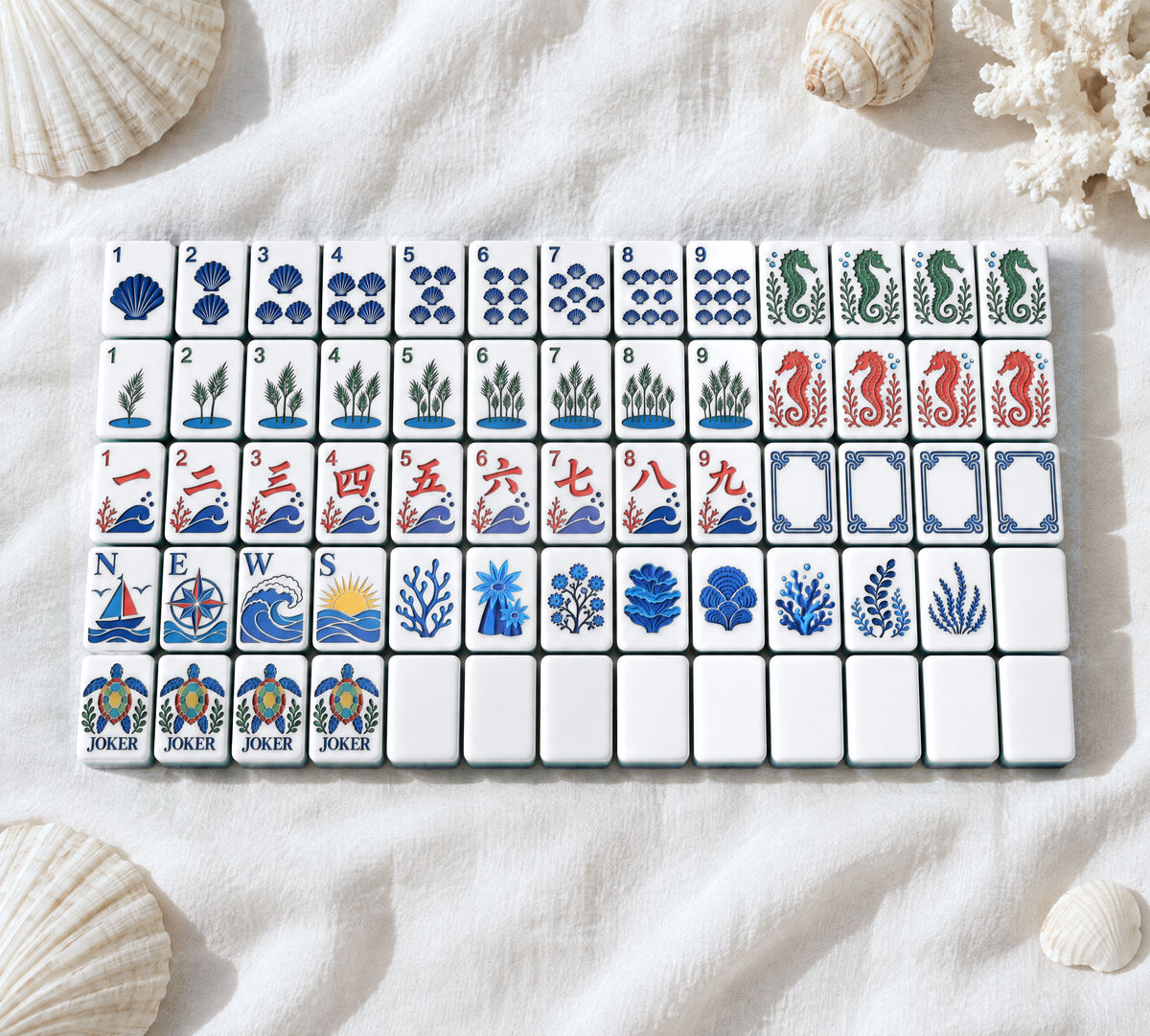
Atlanta's mahjong scene centers on community centers (especially in Midtown and Buckhead), Asian cultural centers, synagogues, country clubs and neighborhood meetup groups—many of which run weekly or biweekly games year-round. Most groups play American mahjong and welcome beginners, though a few specialize in Chinese variants. To join: search local community boards (Nextdoor, Meetup, Facebook groups with "Atlanta mahjong"), call your nearest recreation department, or ask at synagogues and cultural centers directly. Games typically run 2–4 hours on weekends or weekday evenings; cost ranges from free (casual) to modest fees (organized leagues). Bring a tile set if you have one—many venues loan them—and know the current year's National Mah Jongg League card rules (the official reference for American play. If you decide to buy your own set, Mahstead's best-selling mahjong sets travel well and hold up through weekly play.
What type of mahjong do Atlanta groups play?
Most public groups in Atlanta play American mahjong, which uses 152 tiles, the official National Mah Jongg League card, and a specific tile-passing ritual called the Charleston. Some cultural organizations and informal home groups may play Chinese, Hong Kong or Riichi (Japanese) variants, which use different tile sets, scoring systems and rules entirely. Always ask the host which variant and what rules version they use before you arrive—this saves confusion and keeps the game friendly. American mahjong is the easiest entry point for most Atlanta venues.

Where do Atlanta players congregate each week?
Community recreation centers, especially those serving North and East Atlanta neighborhoods, often host public or semi-public mahjong groups on weekends. Many run drop-in games (no registration required) or light membership fees. Synagogues throughout the metro area have long-standing women's and mixed mahjong groups—typically Wednesday or Thursday evenings—and nearly all welcome players of any faith. Country clubs, upscale retirement communities and private clubs in Buckhead and Inman Park occasionally host games, though you may need a member or friend's introduction. Meetup.com and Nextdoor are reliable for finding weekly neighborhood games and one-off tournament events. Search "Atlanta + mahjong" with today's date to catch seasonal games (holiday tournaments often run November–December). Facebook community groups (try "Atlanta Mahjong Players" or "Atlanta Game Night Groups") post weekly schedules and sometimes link beginners with mentors.
How do I prepare for my first game in Atlanta?
If you own a mahjong set, bring it—hosts often appreciate having an extra. If not, call ahead to confirm the venue loans or provides sets. Study how to play American mahjong online or watch a beginner tutorial; even 15 minutes helps you understand the tile names (Bams, Craks, Dots, Winds, Dragons), how to handle the Charleston hand-passing, and why jokers matter so much. Download or print the current year's National Mah Jongg League card (available free on the league website) so you recognize winning hand patterns. Wear comfortable clothes—games last 2–4 hours. Arrive 10–15 minutes early, introduce yourself to the host, and ask if anyone is willing to sit with you as a mentor for the first round. Experienced players love helping beginners because good newcomers become regular friends.
Item | Why You'll Need It | Bring It or Rent It? |
Tile set (152 tiles, 8 jokers) | Play requires all four copies of each tile | Many venues loan; consider buying if you'll play weekly |
Current-year NMJL card | Hands are only valid hands on the card | Print free from league; many venues post it |
Pen and scorepad | Track points each hand; venues usually supply | Ask host if they provide |
Comfortable chair | 2–4 hours of sitting and leaning forward | Venues provide; bring a cushion if you like |
Quiet focus | Mahjong demands concentration; minimize phone use | You provide this |
Getting started means showing up, listening more than talking in round one, and asking the host for a quick rule clarification if you miss something. Most players remember their first game and stay welcoming toward newcomers.
What should I look for in a group before I commit?
Before joining a regular group, attend once as a guest and note: Does the host enforce current rules or use outdated card versions? Are beginners welcomed and treated patiently, or is the group competitive and cliquish? What is the actual cost—up front, or do you pay each hand? How long do games run, and do they enforce a start/end time? Are the tiles, mats and racks in good condition, or do they feel flimsy and worn? A good group runs on time, keeps the energy friendly, and explains rule questions without condescension. If the first experience feels rushed or unwelcoming, try another venue; Atlanta is large enough that a better fit exists nearby. The best groups have a host who mentors new players and veterans who enjoy teaching.

What equipment should I own if I become a regular?
Once you're playing weekly, owning your own set saves you from relying on venue loans and lets you practice at home. Invest in a full 160-tile American mahjong set with clear tile markings—acrylic sets from reliable makers are durable and hold up through frequent play. If you host games at home or want to transport your set to different venues, a padded travel bag keeps tiles safe and organized. Mahjong racks with pushers help you organize your hand and signal to other players that you've counted correctly. A dedicated mahjong mat protects tile corners and gives the game a professional, pleasant feel—hosts notice and appreciate it. Start with a solid set; add a mat and racks as you settle into a group. Mahstead's best-selling sets and accessories are made for durability and ship free across the US, so they often arrive faster than special orders.
🀄 Shop best-selling mahjong sets →
What to check before you buy a mahjong set
If you're ready to own a set, use this checklist:
Tile clarity: Can you read the number and suit symbol from across the table without squinting?
Weight and feel: Tiles should have heft (plastic resin, not thin plastic) and not rattle when shaken in the case.
Joker count: American play requires exactly 8 jokers; a 160-tile set includes the right number plus spares.
Rack condition: Pushers should slide smoothly; cracked or warped racks are frustrating during play.
Case or bag: Will you transport this set, or leave it at a host's house? Travel bags protect acrylic from scratches.
Customization: Some makers offer engraved sets with your name or group name—great for a permanent home set or a gift.
New and returning players often think price is the main variable; it's not. A mid-range set that lasts five years beats a cheap set that cracks after six months. Ask your Atlanta group what sets they use and why; peer feedback is honest.
🎁 See our most-loved mahjong sets & accessories →
How to find Atlanta mahjong events and tournaments
Atlanta hosts seasonal mahjong tournaments, usually in fall and winter. These are advertised through community centers, synagogues, the National Mah Jongg League website (which lists sanctioned tournaments by state), and Facebook groups. Many are one-day or weekend events with prizes, and several offer divisions for beginners and advanced players, so you can compete at your level without embarrassment. Tournaments are also excellent ways to meet new players and learn regional strategy variations. Call your local parks and recreation office (Atlanta BeltLine, Midtown Community Center, and DeKalb parks departments are good starting points) to ask about upcoming sanctioned or friendly events. Synagogue groups and country clubs sometimes host holiday tournaments in November and December; these fill fast, so register early if you find one.
✨ Find your Mahstead set — free US shipping →

FAQ
Do I need to know how to play before I join an Atlanta mahjong group?
No. Most groups welcome complete beginners and have players willing to mentor. Spend 15 minutes learning tile names (Bams, Craks, Dots) and the goal of matching your hand to the current year's card. Arrive early, tell the host it's your first game, and ask to sit with a patient player. You'll pick up strategy after a few hands.
What's the difference between American mahjong and the Chinese game my grandmother played?
American mahjong uses 152 tiles, the National Mah Jongg League card (the official winning hands list), and no "chows" (sequences)—only groups of identical tiles (pungs, kongs) and jokers. Chinese and Hong Kong mahjong use different tile counts, hand patterns, and scoring systems entirely. Ask your group which variant they play before you join.
How much does it cost to play mahjong in Atlanta groups?
Cost varies widely. Casual neighborhood games may be free. Organized groups at community centers or synagogues often charge a small membership or per-session fee (ask the host directly, since policies differ). Tournament play usually has a registration fee. Never agree to money gambling, which is illegal in Georgia; friendly games are social and skill-based, not wagers.
Should I buy my own set, or is borrowing from the venue enough?
If you play once a month, borrowing works. If you play weekly or plan to host games, owning a set lets you practice at home and ensures you have reliable equipment. A good American mahjong set lasts years and is one-time cost; look for clear, durable tiles and a sturdy case or bag.
Where do I find the current National Mah Jongg League card?
The card is released every spring and is free to download from the National Mah Jongg League website. Many Atlanta venues post it on the wall or provide printed copies. Hands are only valid if they appear on that year's card, so using the current version is essential for any organized group.
What if I can't find a group near my house?
Try expanding your search to nearby suburbs or asking synagogues and community centers in adjacent neighborhoods. Atlanta's metro area is large, so there are often multiple groups. Meetup.com and Facebook groups update frequently, and hosts often carpool or offer meeting options if you're willing to travel 20–30 minutes.


View More
View More
View More
