
How to Value a Vintage Mahjong Set
Last updated: Nov 23, 2026
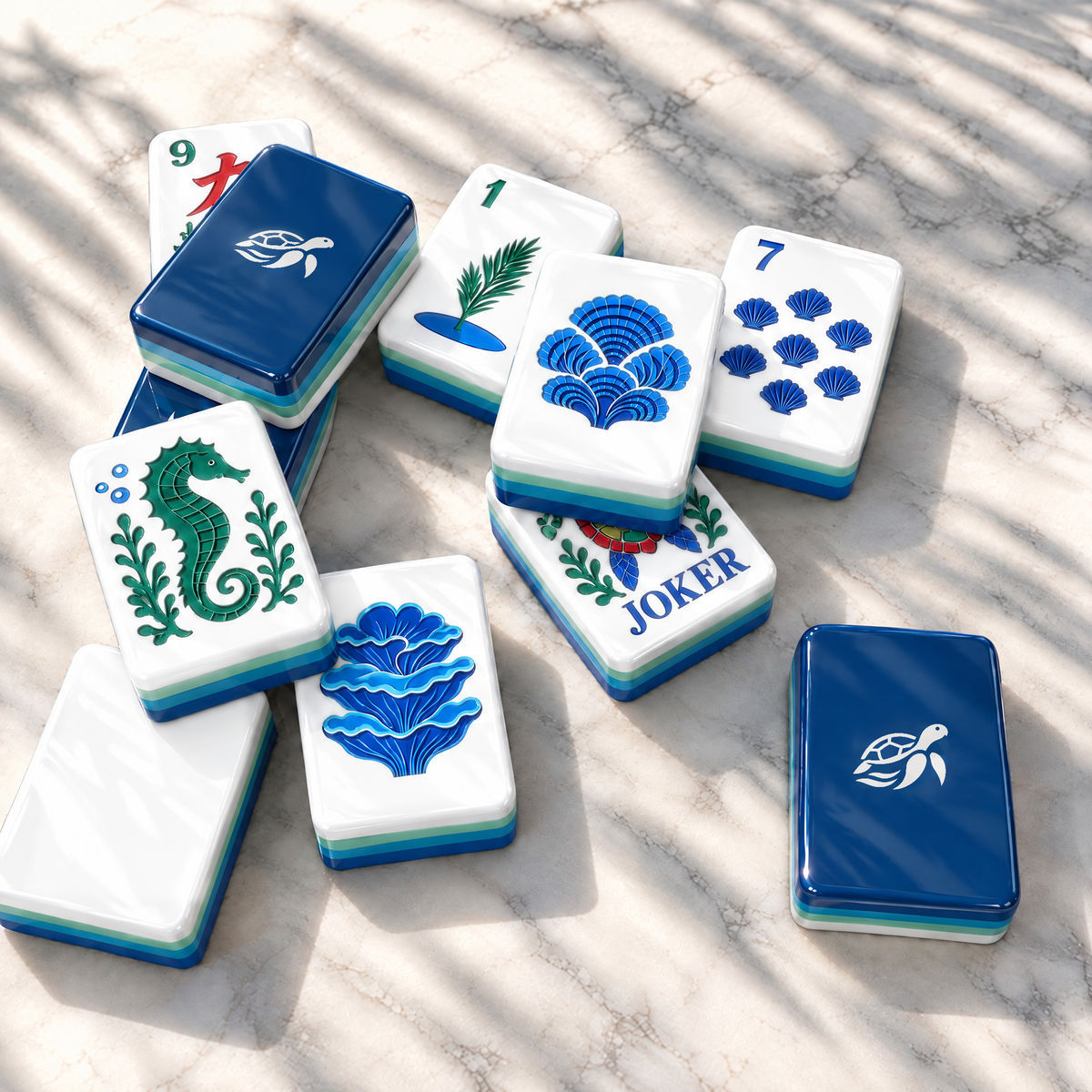
A vintage mahjong set's value depends on five factors: tile material (bone-and-bamboo commands premium prices; plastic is common and affordable), completeness (all 152 playing tiles plus spares present or missing), maker provenance (recognizable brands like early Bakelite sets are collectible), condition of paint and edges (chips lower value; luster matters), and playability versus display purpose. Sets from the 1920s–1960s in North America or ivory-inlaid Chinese sets from pre-1950 cost significantly more than mid-century plastic imports. To value yours honestly, photograph the tiles close-up, note any stamps or labels, count what's present, and compare similar completed sales on auction sites and collector forums—not asking prices, but actual sales.
What material is your set made from?
Tile material is the single strongest price signal. Bone-and-bamboo sets—tiles with animal bone faces inlaid on bamboo base, often hand-carved—date mostly to pre-1960 and command premium valuations among collectors. Bakelite or early phenolic resin sets (1930s–1950s) hold steady collector interest; they're dense, clatter beautifully, and show patina distinctly. Celluloid sets (1950s–1970s) are lighter, prone to warping and cracking, and worth less. Acrylic or modern plastic sets, common from the 1970s onward, are affordable to replace; value lies in maker reputation or sentimental weight, not rarity. Run your thumb over a tile edge: bone feels smooth and slightly warm; plastic feels cold and may show seam lines. Bone also shows subtle grain variation; uniform plastic tiles suggest modern manufacture.

Is the set complete, and do all tiles match?
American mahjong requires exactly 152 playing tiles. A complete set includes three suits (Bams, Craks, Dots) numbered 1–9 with four copies each, 16 winds (four each of North, East, West, South), 12 dragons (four Red, four Green, four White), eight flowers, and eight jokers. Missing jokers or flowers drop value sharply because players cannot easily substitute. A set with mismatched tiles—one suit darker or tiles from two different sets mixed—suggests incomplete restoration or poor care. Examine the back of every tile: color, gloss level, and any maker stamps should be uniform. Plastic replacement tiles exist but rarely match vintage bone sets perfectly. If spares or extra jokers are present in original packaging, note it; vintage sets often included extras.
Does the set have maker marks or documented provenance?
Sets stamped with maker names (Chinese factory marks, British retailers' stamps, or North American importer labels) often sell for 20–40% more than unmarked ones, assuming the maker is documented in collector guides. Early Bakelite sets with recognizable trade names or patents attract specialist buyers. Ivory-inlaid Chinese sets—even without marks—are sought if the carving quality is fine and the bamboo base shows no rot. Conversely, generic plastic sets with no stamps or identifying features are treated as commodity inventory. Search the maker or patent number on eBay's "sold" listings or collector forums (such as mahjong-collector communities on Reddit or dedicated Facebook groups) to see what similar marked sets actually fetched, not asking prices. Photocopy or photograph any marks and include them in your documentation.
What condition tells you about price and playability?
Condition dramatically affects value. A mint or near-mint vintage bone set with all original tiles, intact case, and no paint loss may be worth two to four times a heavily worn example. Look for:
Tile face paint: Faded or chipped numerals and suit symbols reduce value; deep cracks across tile faces signal hard play or age damage.
Tile edges: Chips, sharp cracks, or separating bamboo (on bone sets) indicate wear and lower playability.
Case or box: Original wooden boxes, cloth bags, or racks boost value if intact; missing case is neutral but not a penalty.
Gloss or patina: A consistent sheen across all tiles suggests careful storage; dull or streaky finishes suggest sunlight damage or storage in damp conditions.
Play-worn sets with good paint and intact edges retain 60–80% of mint value because players prefer used sets that have proven durability. Sets with water stains, mold, or loose tiles are difficult to sell and may only be worth salvaging for parts or display.

What's the difference between collectible and playable vintage sets?
Category | Best for | Typical wear | Why it matters |
Museum/collectible | Display, investment, rarity | Minimal; kept in case | Paint sharp, tiles tight, edges unworn |
Collector-player hybrid | Serious players who value history | Light-to-moderate use | Good paint, solid edges, case present |
Vintage playable | Weekly games, backup set | Moderate to heavy wear | Paint readable, no missing tiles, case optional |
Restoration project | DIY enthusiasts, parts salvage | Heavy wear, missing tiles, water damage | Bone still intact, maker identifiable |
Playable sets in good condition often underperform their "collectible" peers at auction because buyers assume used means compromised; in fact, many weekly mahjong players prefer proven vintage sets to untested modern acrylic. If you find a bone-and-bamboo set from the 1940s–1950s with readable tiles and a solid case, compare it on eBay against "sold" listings (not current asking prices) to estimate fair value. A modest collectible bone set in light play condition typically fetches 2–3× the price of a plastic set from the same era in identical condition.
🀄 Shop best-selling mahjong sets →
Should you restore a vintage set, and does it increase value?
Restoration is a delicate choice. Professional repainting or tile replacement almost always reduces collector value because originality is prized; a pristine unrestored set outbids a beautifully restored one. However, if your goal is to play with the set, minor repairs—replacing one missing tile, tightening a loose rack screw, or cleaning the case—are sensible investments. Do not strip, sand, or re-lacquer vintage tile faces. If a tile is irreplaceable, consider it a character mark rather than a flaw. Modern acrylic sets like those in Mahstead's best-selling collection offer the durability and appearance consistency that vintage enthusiasts sometimes seek in restoration; if your vintage set is damaged beyond comfortable play, a new set might be the practical choice.
How do you research comparable sales and avoid overpaying?
Use eBay's "Sold" filter (not "Active" listings, which are often inflated asking prices) to find completed auctions for similar vintage sets. Search by decade and material—e.g., "vintage mahjong set bone 1950s"—and note the final price, condition description, and whether the seller mentioned playability or completeness. Auction house catalogs (Sotheby's, Christie's, and regional antique auctioneers) also list sold prices for high-end bone sets, though these skew toward investment-grade collectibles. Mahjong collector forums and Facebook groups attract dealers and serious players who share realistic valuations. If you're considering purchase, ask the seller:
Is every tile original or are some replaced?
Are all 152 tiles present?
Does the set play (tiles move freely, no warping)?
Any maker marks or dated documentation?
Why is the seller pricing at this level?
Honest answers suggest a trustworthy seller. Vague replies ("I don't know," "it's been in my family forever") can mean the seller hasn't inspected carefully or is hiding issues.
🎁 See our most-loved mahjong sets & accessories →
What to check before you buy a vintage set
Count and photograph every tile.
Ensure 152 playing tiles are present. Use your phone camera to record the count by suit and wind/dragon/flower/joker. If tiles are missing, ask the seller what and how many before committing.
Feel the tile weight and density.
Bone-and-bamboo tiles are heavier (typically 1–2 pounds per set) and cool to the touch. Plastic feels light and warms quickly in your hand. Test a few to confirm consistency.
Inspect the case or rack for rot, mold, or odors.
Open wooden boxes can harbor mildew; smell the interior. Cloth bags should be dry and free of stains. If mold is present, the tiles may have absorbed moisture and could warp or crack during play.
Check one tile face under bright light.
Look for hairline cracks, paint loss, or ink fading. If this sample tile shows heavy wear, assume all tiles are similarly worn.
Verify the set plays (if selling or trading).
Shuffle a handful of tiles in your hands; they should slide and tumble freely. Sticky or warped tiles signal storage problems or age degradation that may worsen with play.
Document maker marks with a close-up photo.
Stamps, carved initials, or labels help establish provenance. Save these images alongside your tile count as part of your set's record.
Compare at least three completed eBay or auction sales before pricing.
Look for sets matching yours in decade, material, condition, and completeness. Average the final sale prices (not asking prices) to set a realistic asking price if you're selling.
✨ Find your Mahstead set — free US shipping →
For players who value modern reliability and customization, engraved American mahjong sets offer the craftsmanship of vintage designs with the durability of acrylic. Whether you're collecting vintage treasures or investing in a new set for weekly games, knowing these valuation principles protects your purchase and helps you appreciate what makes a set worth keeping.

FAQ
How do I know if my mahjong set is bone-and-bamboo or plastic?
Bone tiles are heavy, cool to touch, and may show slight grain variation or color streaks. Plastic tiles are lighter, warm quickly, and have uniform color. Flip a tile over; bamboo bases often show natural seams or wear patterns. Bone bases are smooth and dense. When you tap two tiles together, bone produces a sharp, resonant click; plastic sounds dull.
What's the actual value of a vintage mahjong set?
Mint bone-and-bamboo sets from the 1940s–1950s with original case sell for moderate four-figure sums on collector markets; play-worn examples, several hundred to low thousands. Bakelite sets range from hundreds to low thousands depending on maker and condition. Plastic vintage sets typically sell for fifty to a few hundred, unless they're rare imports or have celebrity provenance. Check eBay "sold" listings for your specific decade and material to see real market prices.
Should I clean or restore my vintage set to increase value?
No. Collectors value original condition; cleaning or repainting reduces value. If you want to play with the set, minor dusting or very gentle washing with a soft cloth is safe. Never strip tile paint, sand edges, or replace original tiles unless you're prepared to sacrifice collector value. If playability matters more than investment, consider a modern replacement.
How do I verify a vintage set is complete?
Count three suits (Bams, Craks, Dots) with nine numbers each, four copies per number = 108 tiles. Add 16 winds (four each of North, East, West, South), 12 dragons (four Red, four Green, four White), eight flowers, and eight jokers = 152 total. Compare your count to the seller's claim. Ask if jokers or flowers are missing, as these are hardest to replace and will drop playability.
Where can I sell or trade a vintage mahjong set?
eBay's auction and fixed-price listings reach broad audiences; photograph every tile and condition detail clearly. Facebook mahjong collector groups connect you with serious buyers who understand vintage value. Local antique shops or consignment dealers may accept high-end bone sets. Auction houses (Sotheby's, Christie's, or regional firms) handle investment-grade collectibles but charge commission. Always start with completed eBay or auction house sales to set a realistic asking price.
Can I play with a valuable vintage set, or should I keep it in the case?
If the set is museum-grade (bone, mint condition, rare maker) and you own it for investment, keep it stored safely. If it's in good play condition with readable tiles and solid edges, light use at home is reasonable; avoid tournament play or travel. Many weekly players prefer vintage bone sets because they're proven durable and feel superior to modern plastic. Use your judgment: a vintage set that brings joy through play retains emotional and practical value even if collector price stays flat.


View More
View More
View More
