
How to Clean a Mahjong Table: Mat & Tile Care
Last updated: Nov 23, 2026
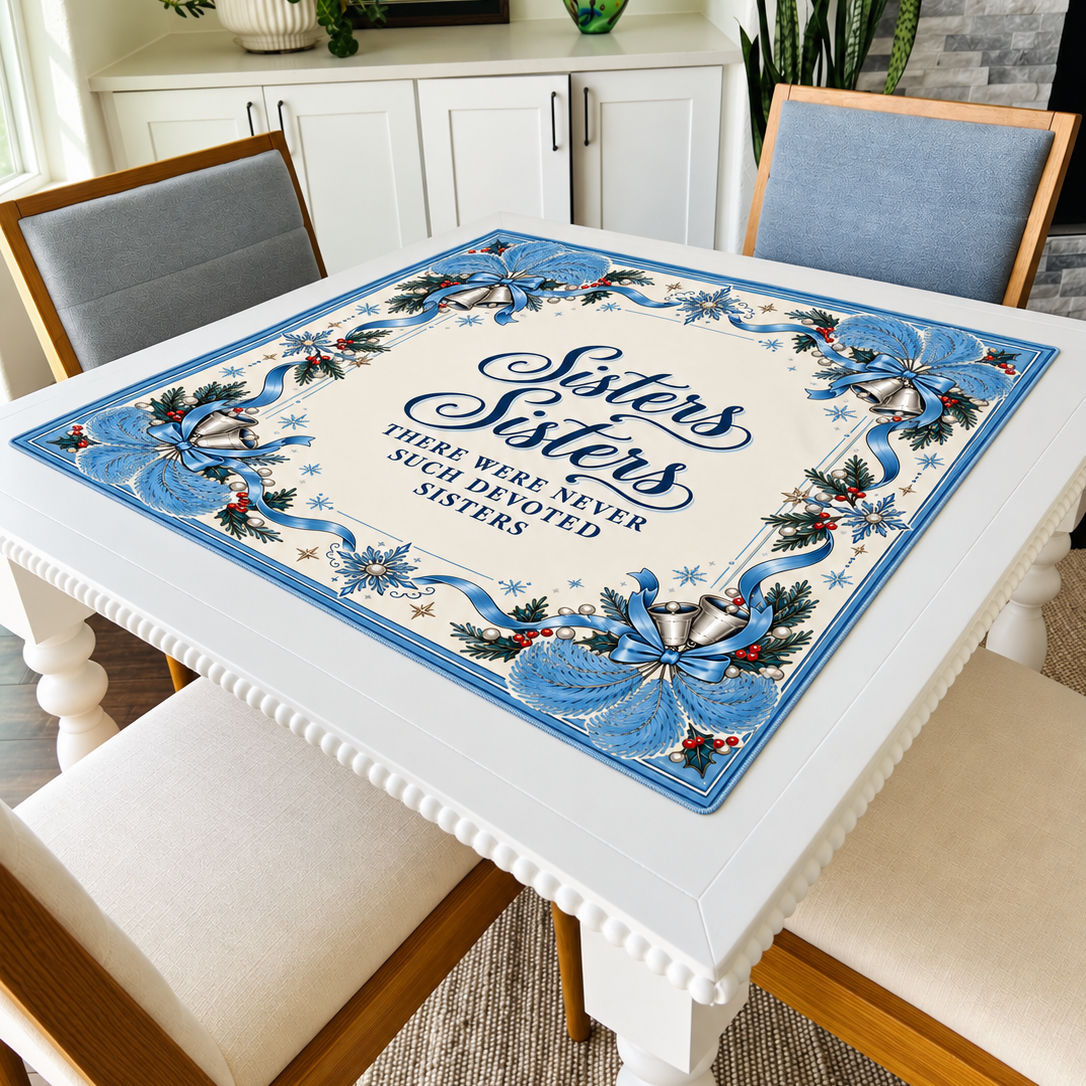
A mahjong table—whether a permanent table or a mat laid over furniture—needs gentle, regular cleaning to stay safe for play and tile preservation. Dust the mat weekly with a soft microfiber cloth; vacuum gently (not with a brush head) if debris collects in seams. For spills, blot immediately with a damp cloth and mild soap, then dry completely. Never soak, scrub hard, or use harsh chemicals: acrylic tiles can dull, felt backing can shrink, and glued seams fail. For tiles themselves, wipe monthly with a lint-free cloth to remove fingerprints and dust—do not immerse them. Replace your mat if creases won't flatten, seams separate, or the surface becomes sticky after cleaning. We recommend mahjong mats with nonslip backing and stain-resistant felt; quality matters because cheap mats fray and lose their playing surface within a season.
A clean playing surface protects tiles, prevents slip, and keeps your mat readable for years. We'll walk you through the right methods and mistakes to avoid.
Why does my mat look worn after one season?
Mat degradation happens when cleaning method and mat quality misalign. A thin felt backing with weak glue fails after ten spills and regular vacuuming; higher-grade nonslip backing resists creasing and liquid damage longer. Weekly dust, prompt spill cleanup, and air-drying (never heat or direct sun) extend life by years. Most worn mats we see were cleaned with the wrong tools—stiff brushes, hot water, or solvents—or left damp overnight, which causes mildew and seam separation.
What's the safest way to clean acrylic tiles?
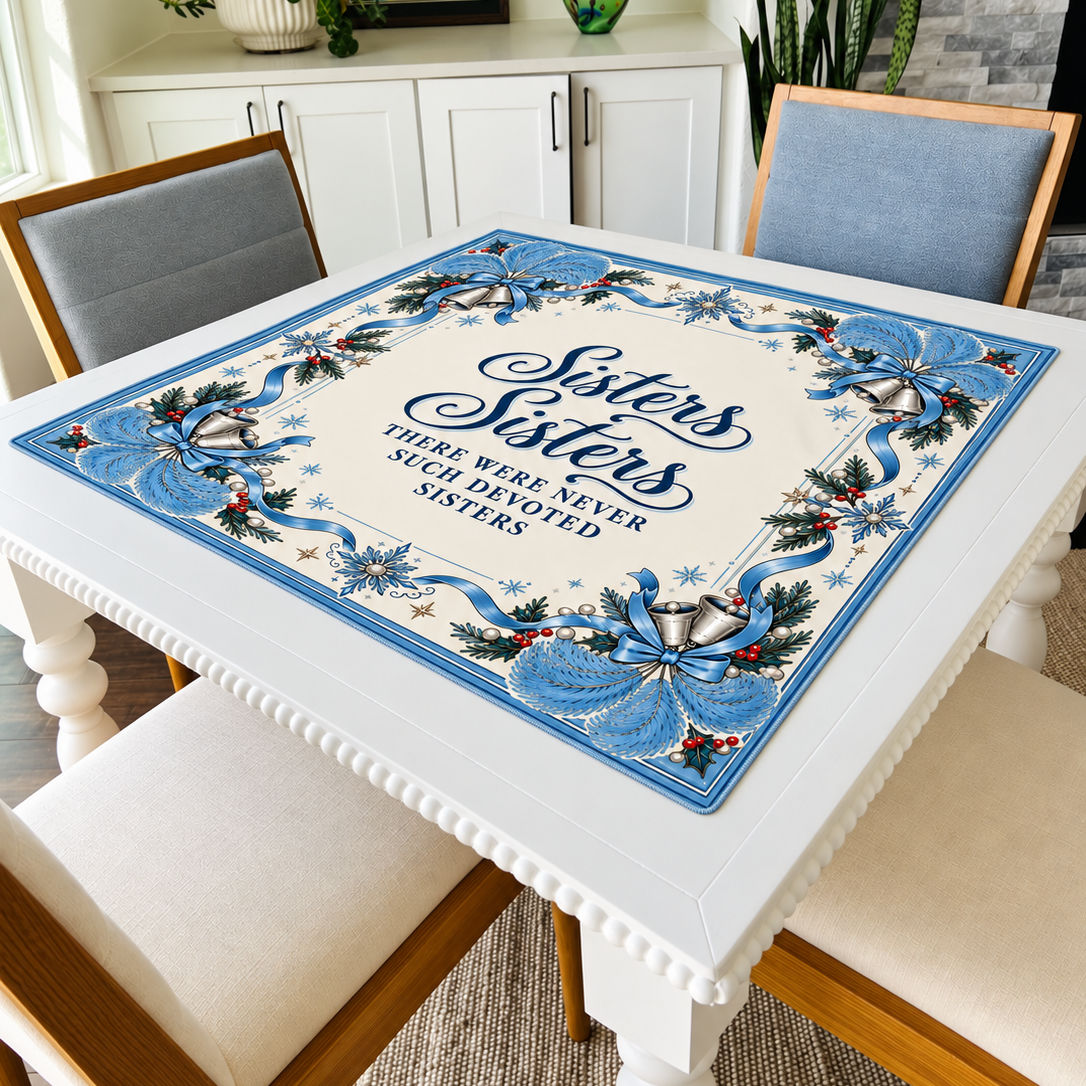
Acrylic tiles collect fingerprints and dust; gentle monthly cleaning keeps them playable without clouding. Wipe tiles with a dry microfiber cloth first to remove dust. For marks, use a cloth barely dampened with water and a drop of mild dish soap—never spray directly on tiles. Dry immediately with a second cloth. Never use alcohol, bleach, window cleaner, or abrasive pads; these dull the surface and can crack seams if liquid seeps into tile joints. If a tile has a sticky film from spilled soda or juice, rinse it individually under cool running water (not hot), pat dry, and let air-dry completely before returning to the set. Store tiles in a bag or case after each game to reduce dust exposure.
🀄 Shop best-selling mahjong sets →
How often should I deep-clean my mat?
Deep cleaning means more than a weekly dust—but it's not a monthly habit. Clean your mat thoroughly every 2–3 months, or sooner if you host weekly games with snacks and drinks nearby. Remove all tiles from the mat first. Lay the mat flat on a clean surface. Vacuum gently with a brush-free attachment (upholstery nozzle works) to remove crumbs, dust, and debris from seams. Mix warm (not hot) water with a small amount of mild dish soap. Dip a soft cloth in the solution, wring well, and wipe the entire playing surface in the direction of the pile. Avoid oversaturating; the mat should feel damp, not wet. Use a second damp cloth with plain water to remove soap residue. Lay flat or hang to air-dry completely (4–6 hours in dry air, longer in humid climates) before folding or rolling. Never use a dryer, direct sunlight, or radiator heat, which can warp the mat and weaken adhesive.
What mistakes ruin a mat fastest?
Mistake | Why it damages | What happens | How to prevent |
Scrubbing hard with a brush | Friction frays felt and pushes water into seams | Bald spots, mildew, separation | Use only soft microfiber cloth, dab don't scrub |
Spraying cleaner directly on mat | Liquid pools under tiles and in seams | Mold, warping, glue failure | Dampen cloth first, wring out excess |
Leaving mat damp overnight | Moisture trapped in backing and seams | Mildew smell, discoloration, structural failure | Air-dry fully before rolling; store in cool, dry space |
Using hot water or steam | Heat shrinks felt and warps mat edges | Curled edges, creases that won't flatten | Use only cool or warm water (never >105°F) |
Storing mat rolled while damp | Traps moisture inside; encourages mold growth | Permanent creases, odor, tile staining | Always dry completely before packing into a case |
When should I retire my mat and get a new one?
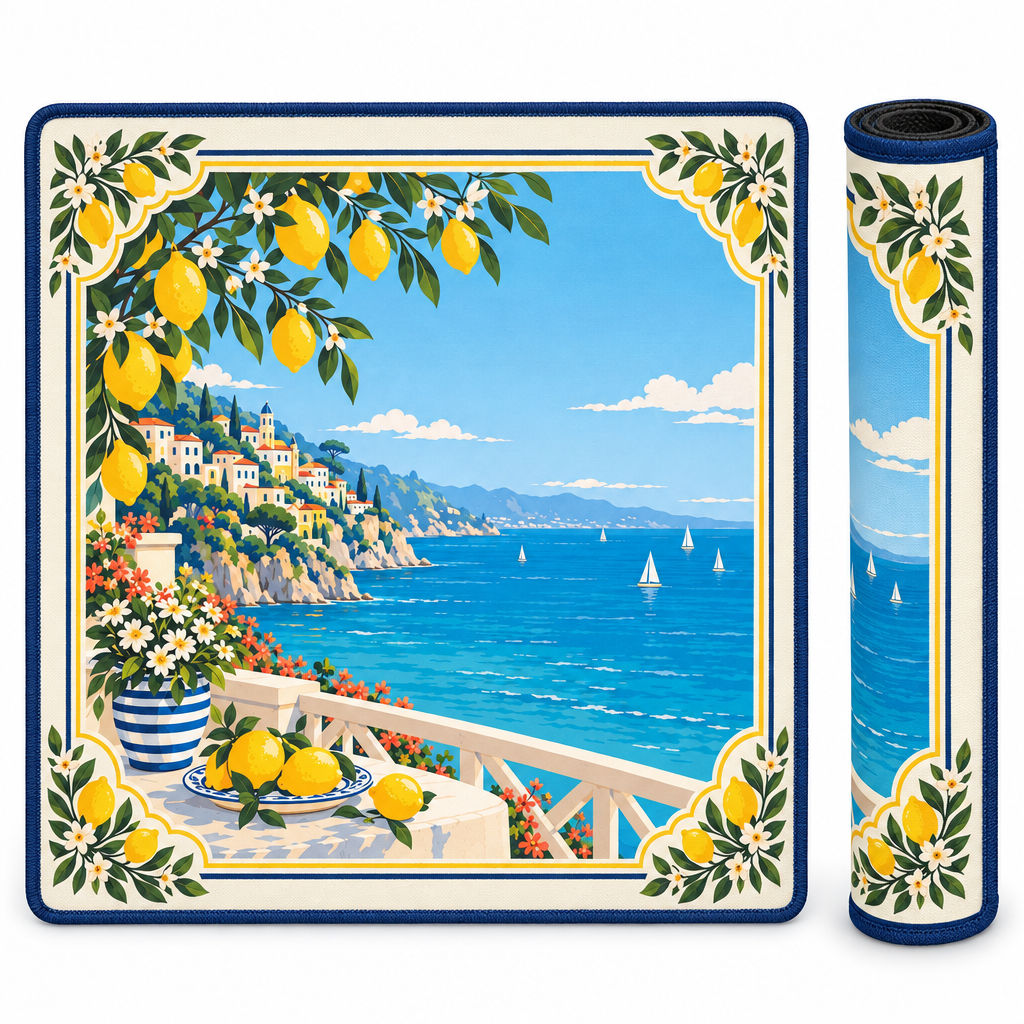
A mat has reached end of life when cleaning no longer restores its function or appearance. Replace it if: seams are visibly separating and won't reseal; the playing surface is sticky or tacky after cleaning and won't dry smooth; creases and wrinkles won't flatten even after lying flat for days; the nonslip backing is peeling away; or stains won't budge after gentle cleaning. A well-maintained mat lasts 3–5 years with weekly play; a neglected one fails in one season. Investing in a quality mat with reinforced seams, stain-resistant felt, and strong nonslip backing pays dividends—it tolerates spills, resists creasing, and keeps tiles from shifting during play. When you're ready to replace yours, measure your table first: standard mats are 36" × 36" or 42" × 42", and a larger mat gives more tile workspace without crowding.
🎁 See our most-loved mahjong sets & accessories →
What to check before you buy a replacement mat
Seam reinforcement: Look for mats with taped or sealed seams, not glued-only, to resist peeling from repeated cleaning and handling.
Felt grade: Mid-to-heavy-weight felt (not flimsy, not rubber-backed industrial felt) balances durability with quiet play and proper tile grip.
Nonslip backing: Mats with slip-resistant rubber or neoprene backing prevent tiles from sliding during draws and shuffles—essential for any table surface.
Stain resistance: Felt treated to repel liquids makes cleanup easier and reduces permanent discoloration from juice, wine, or tea.
Size and space: Measure your table width and length; a mat 2–3 inches smaller on each side fits without bunching and leaves room for score sheets and racks.
Thickness: A mat 0.5–0.75 inches thick provides cushioning and tile grip without creating an awkward height change from your table surface.
How do I keep tiles looking new?
Tile shine fades from dust, fingerprints, and UV light, not from age alone. Store your set in a bag or case out of direct sunlight between games. Wipe tiles with a microfiber cloth after each session to remove fingerprints. Every three months, inspect tiles for cracks, chips, or loose jokers—damaged tiles can catch on the mat or slip unpredictably, throwing off draws and exposures. If a tile is cracked or a joker wobbles, remove it from play; a single faulty tile disrupts the integrity of the entire game. Never store tiles in a damp basement, hot attic, or car—humidity warps acrylic and separates wood-and-acrylic hybrids, heat degrades plastic backing on jokers, and temperature swings cause expansion and contraction that weakens seams. A cool, dry closet or storage cabinet is ideal.
✨ Find your Mahstead set — free US shipping →
FAQ
Can I use Lysol or bleach wipes on my mahjong table mat?
No. Harsh chemicals damage acrylic, dull the tile surface, and can bleach or discolor felt. Stick to mild dish soap and water for all cleaning—it's safe, effective, and preserves the mat's grip and appearance long-term.
My mat has a sticky spot that won't come clean. How do I fix it?
Spilled soda or juice leaves residue even after wiping. Dampen a cloth with warm water and a tiny drop of dish soap, lay it on the sticky spot for 30 seconds, then wipe gently and dry thoroughly. If stickiness persists, let the mat air-dry in a warm room for a few hours—sometimes residue needs time to release.
Is it safe to fold my mat for storage?
Folding is fine, but only after the mat is completely dry and clean. A damp folded mat develops permanent creases and mold. Store folded mats flat or roll them loosely around a cardboard tube to minimize creasing; avoid tight, compressed storage that weakens backing and seams.
Can I wash my mahjong tiles in the dishwasher?
Absolutely not. Dishwashers use heat, pressure, and abrasive action that crack acrylic, separate tile layers, and loosen jokers. Hand-wipe tiles only, with a cloth barely damp with cool water and mild soap, then dry immediately.
How do I remove pen marks or permanent marker from a mat?
Test on a hidden edge first. If the mark is surface-level, try a tiny amount of rubbing alcohol on a cloth—dab gently, do not scrub—and dry immediately. If the mark is in the felt pile, alcohol may spread it; in that case, accept the mark or cover it by rotating the mat. Permanent marker on felt is nearly impossible to remove without damaging the felt itself.
What's the difference between a mat and a table cover?
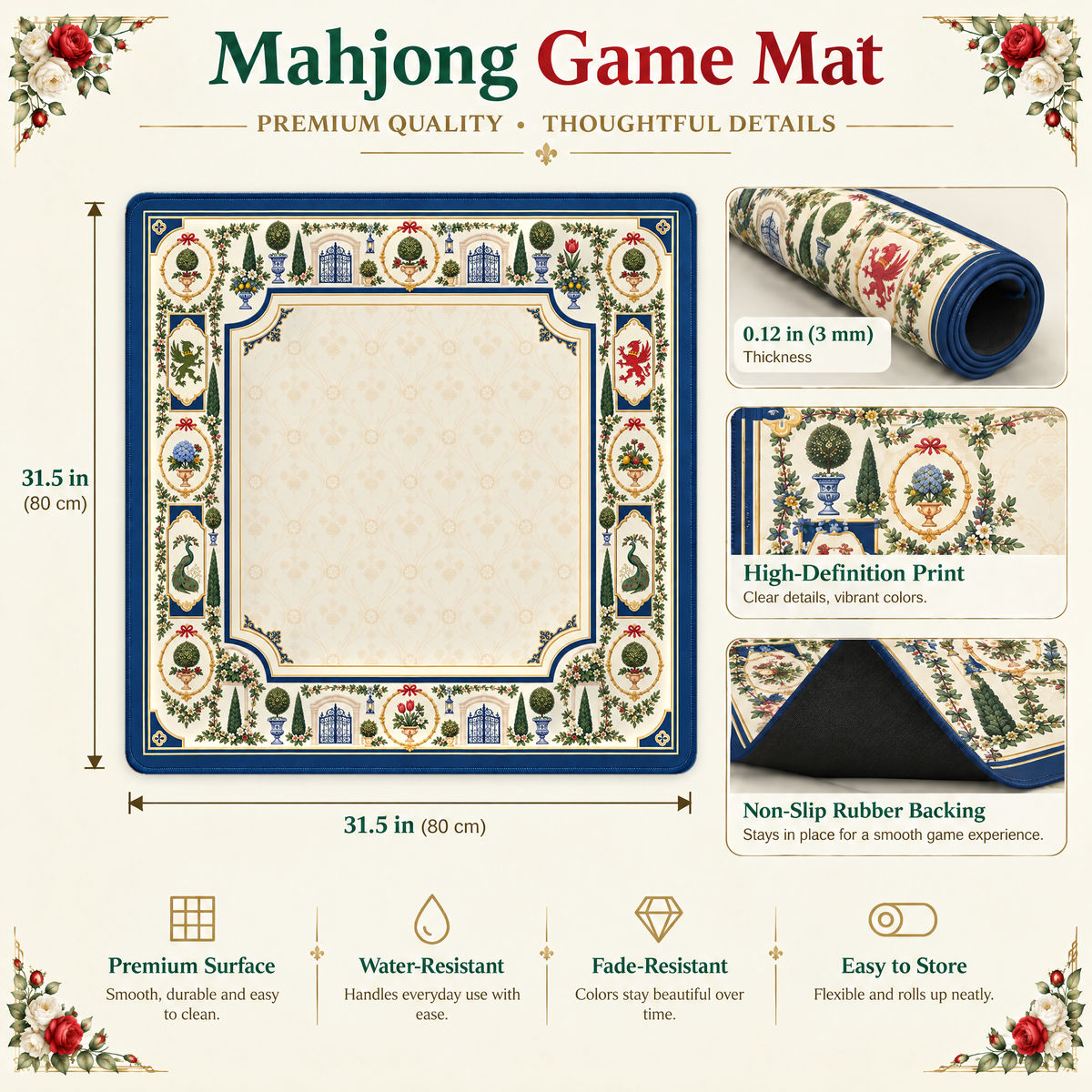
A mat is typically 0.5–0.75 inches thick with reinforced seams and nonslip backing, designed to be the sole playing surface. A table cover is thinner and usually glued or clipped to an existing table. Mats offer better tile grip and durability; covers are portable and fit any flat surface. Learn more about mat vs. table cover options to decide which fits your setup.


View More
View More
View More
