
What Is Stealing a Pass in American Mahjong?
Last updated: Nov 23, 2026
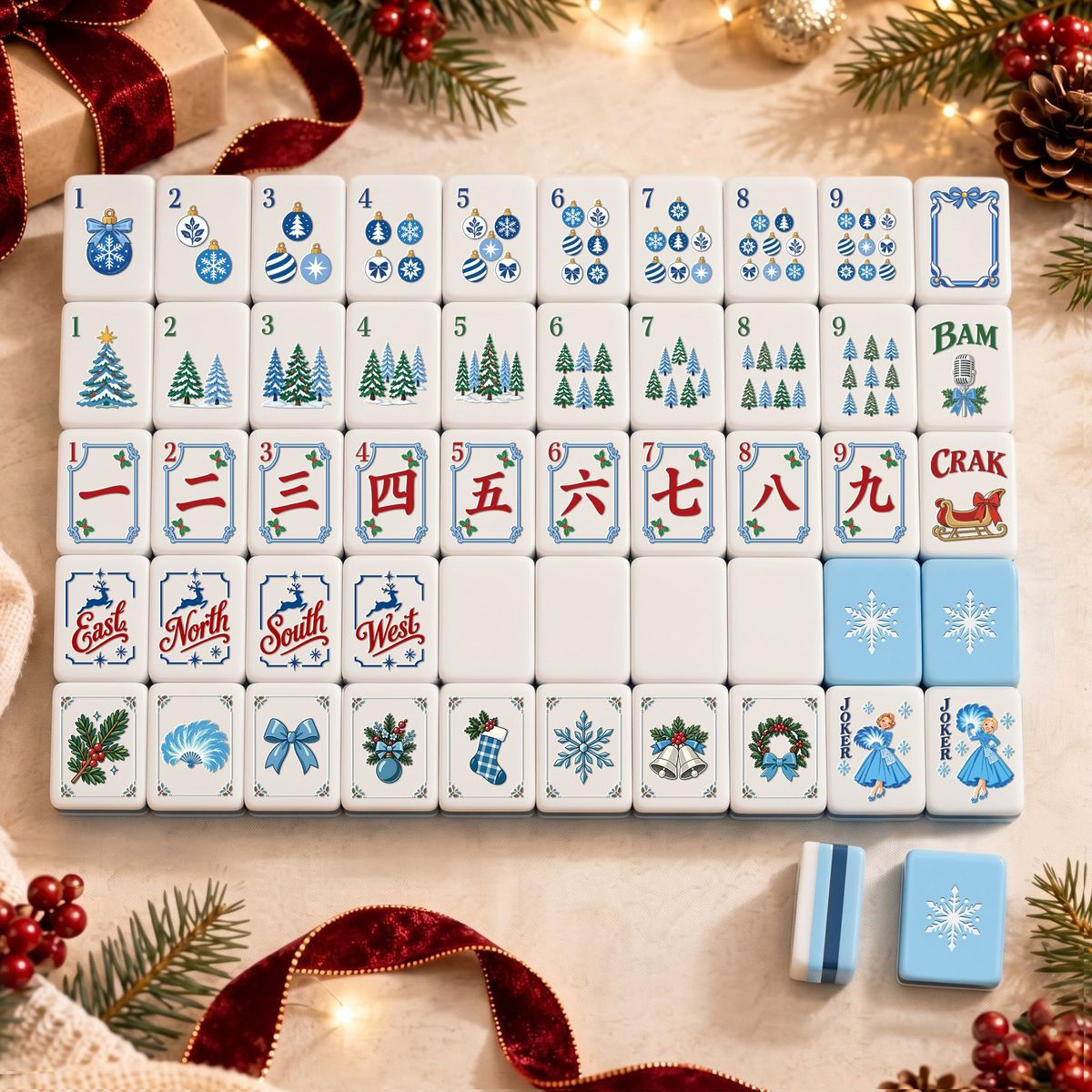
Stealing a pass (also called "robbing the kong") happens when a player discards a tile, and instead of the next player drawing from the wall, another player calls that discard to complete their winning hand. In American mahjong, you may steal a pass only to make a complete winning hand—you cannot call a tile to add to an exposed pung, kong, or any other incomplete meld. The player who steals plays immediately after the discard; they win, and the hand ends. This differs from other mahjong variants: in Chinese or Hong Kong mahjong, stealing applies to kong adds; in Riichi mahjong, it's called "ron." Timing matters: you have only a few seconds before the next player draws, and once they touch the wall, the discard is locked. Stealing a pass is one of the few ways a hand ends before all tiles are drawn.
Stealing a pass is when a player claims a discarded tile to complete a hand before the next player takes their turn—a crucial rule that can flip the game in seconds.
In American mahjong, you may steal a pass only to make a complete winning hand—you cannot call a tile to add to an exposed pung, kong, or any other incomplete meld. The player who steals plays immediately after the discard; they win, and the hand ends. This differs from other mahjong variants: in Chinese or Hong Kong mahjong, stealing applies to kong adds; in Riichi mahjong, it's called "ron." Timing matters: you have only a few seconds before the next player draws, and once they touch the wall, the discard is locked. Stealing a pass is one of the few ways a hand ends before all tiles are drawn.
When can you actually steal a pass?
You can steal a pass only when you have exactly one tile left to win and a player discards that tile. That discard must complete your hand—meaning it fills your final pung, kong, pair, or the last tile in a complete suit or pattern. You cannot steal to add a third tile to a pair or to begin a new meld. The moment someone discards, if you have a winning hand and that tile finishes it, you call "mahjong" or "I win" immediately—before the next player's turn starts. Speed is everything: once the next player touches the wall to draw, the window closes.

What's the difference between stealing a pass and other ways to win?
Stealing a pass is an active win—you claim a discard before the standard turn order resumes. Most hands win when you draw a tile from the wall during your own turn. A few hands on the National Mah Jongg League card require winning off the discard specifically; stealing a pass fills that requirement. In American mahjong, you do not call tiles to build exposed melds like you do in Chinese mahjong—you only expose pungs, kongs, quints, and sextets after you've drawn or won. Stealing is the only moment when exposing melds mid-hand is allowed, because you're declaring an immediate win. This makes American mahjong sharply different from open-hand variants where discards feed ongoing builds.
What mistakes happen at the table?
The most common error is calling a discard for an incomplete hand: you see a tile you need and forget that you must have all remaining tiles ready—one move away from the complete winning hand. Another mistake is hesitation: if you wait too long, the next player draws, and the discard is closed. Some players confuse stealing a pass with calling a discard to expose a meld (not allowed in American mahjong). A third trap is miscounting jokers: jokers can never replace a pair, so if your last tile is a pair and someone discards a joker, that joker does not steal the pass. At the table, we've seen players call a discard, flip their hand, and realize mid-reveal they're one tile short—that's a dead hand and a penalty. Double-check your count before you call.
How does the National Mah Jongg League card show stealing hands?
The League card lists hands you can win only off a discard in its designated sections—often marked clearly so you know which patterns are discard-dependent. When you study how to read the mahjong card, you'll notice some hands are marked for draw-only or discard-only wins. If a hand is marked as a "discard" hand and you have all your tiles except one, you're hunting for that single discard. You cannot win that hand by drawing from the wall—only by stealing a pass. This constraint makes discard hands feel different strategically: you're more exposed because other players see you holding back, and your timing is strict. Never assume a hand works for both draw and discard wins; the card is your law.

What's the table strategy around stealing?
Aggressive players hold back when close to a stealing hand—they don't expose melds, so no one suspects they're one tile away. Conservative players discard safely, avoiding tiles that could complete common hands on the card. If you're discarding, know which hands are "hot" that season (look at the League card) and avoid feeding them late in the hand. If you're hunting a pass, watch discards like a hawk; the moment your tile appears, call it. Some players use poker-face positioning: they act uninterested until the perfect discard lands. Others play openly, betting other players will mis-count their own hands and discard the wrong tile. Once you understand how jokers work, you'll see that many stealing hands avoid jokers—that's your edge. Jokers usually lock you into longer, harder hands because they can't be used as pairs.
Scenario | Your Hand Status | Can You Steal? | Why or Why Not |
You need one Crak; someone discards a 5 Crak | You have 13 tiles + jokers placed | Yes | One move from complete hand |
You have a pair; someone discards a joker | You need that joker as the pair | No | Jokers cannot replace pairs |
You need a pung of 8 Dots; someone discards one 8 Dot | You have 12 tiles + two 8 Dots exposed | No | You need three identical; one discard does not complete a pung |
You have a complete hand on paper; next tile would be a 13th | You already hold 14 tiles (winning) | N/A | Hand is already won; you cannot steal |
Someone discards a 2 Bam; you have 1 and 3 Bams | You're one tile from complete | No | American mahjong has no chows/sequences |
You hold one final tile to complete your pair + melds | You're one move from winning | Yes | That discard finishes your hand |
🀄 Shop best-selling mahjong sets →
How does stealing a pass compare to other game-ending rules?
In American mahjong, stealing a pass is one of three main ways a hand ends: (1) you draw a tile from the wall and win on your turn; (2) you steal a pass off someone else's discard; (3) the wall runs out and no one wins (a "dead wall"). Stealing is faster and more dramatic than waiting for your turn—that's why it's the most celebrated moment at the table. Unlike Chinese mahjong, where a discard can be called for many purposes (adding to a meld, robbing a kong), American stealing is binary: win or nothing. If you miss the steal, the next player draws and the moment is gone. This high-stakes timing makes American mahjong a faster, more tense game. When you play with a high-quality mat, the wall is crisp and the discard pile is clear, so you spot steals faster and no one has an excuse to delay.
What to check before you play with stealing rules
Read your League card before the game starts—know which hands are discard-only so you don't waste energy hunting tiles that can't win that way. Agree with your table on timing: how many seconds does the next player have to draw after a discard? Three seconds? Five? This prevents arguments. Watch your pile and your hand: count your tiles aloud or silently every few rounds so you know when you're one away from stealing. Never call a steal unless you're certain—a false call is a penalty in most games (replay the hand or sit out a round). If you're new to stealing, practice with a few hands first; ask your table to pause and let you verify your count before you commit. Use engraved sets or clear acrylic tiles so no one mis-reads a tile and delays the steal by accident.
🎁 See our most-loved mahjong sets & accessories →
How stealing changes your table's pace and tension
Stealing a pass is the moment the game shifts from calm to urgent. The moment a discard hits the table, all four players are alert, scanning for their win. This creates electricity—someone might steal, the hand ends, and you're reshuffled in seconds. At many tables, steal moments are the most remembered of the night; they're the stories you retell. Because stealing demands speed and attention, tables with clear tiles and good lighting get more steals than those where tiles blur or discards pile up. We've noticed that players with well-organized racks and pushers call steals faster because they see their hand clearly and hold their tile positions steady. If you host games regularly, investing in a setup that makes tiles legible and discards visible pays off—it accelerates steals, reduces disputes, and keeps everyone engaged.
✨ Find your Mahstead set — free US shipping →

FAQ
Can I steal a pass with a joker in my pair?
No. Jokers cannot replace a pair in American mahjong, so if your last tile is a pair and a joker is discarded, you cannot steal. You must wait for the matching Bam, Crak, or Dot (or a non-pair tile if your hand structure allows).
What happens if two players call steal on the same discard?
The player closest to the discarder in turn order (usually the player to their right or left, depending on house rules) has priority. Most tables follow: discarder's right > below > left > across. Agree on this before the game starts to avoid disputes.
If I call a steal and then realize my hand isn't complete, what's the penalty?
You've declared a dead hand. Most rules require you to sit out the next hand or play with a penalty (losing points or paying a fine). Check your table's rules before the game.
Do I need to call "mahjong" out loud or can I tap the table?
Call it out loud—"mahjong" or "I win"—so all players hear you immediately. A tap or gesture might be missed or misunderstood. Speed and clarity prevent disputes.
Can I steal a pass if I'm Kong-ing (adding a tile to a pung to make a four)?
No. In American mahjong, you cannot steal to add a tile to any exposed meld. You can steal only to win—meaning your entire hand is complete the moment the discard lands.
Is stealing allowed in all American mahjong variants?
Yes, stealing a pass is a rule in all American mahjong games played with the National Mah Jongg League card. However, house rules can vary—some casual tables may forbid it or limit it. Always confirm with your table before the first hand.


View More
View More
View More
