
What Is Picking Ahead in American Mahjong?
Last updated: Nov 23, 2026
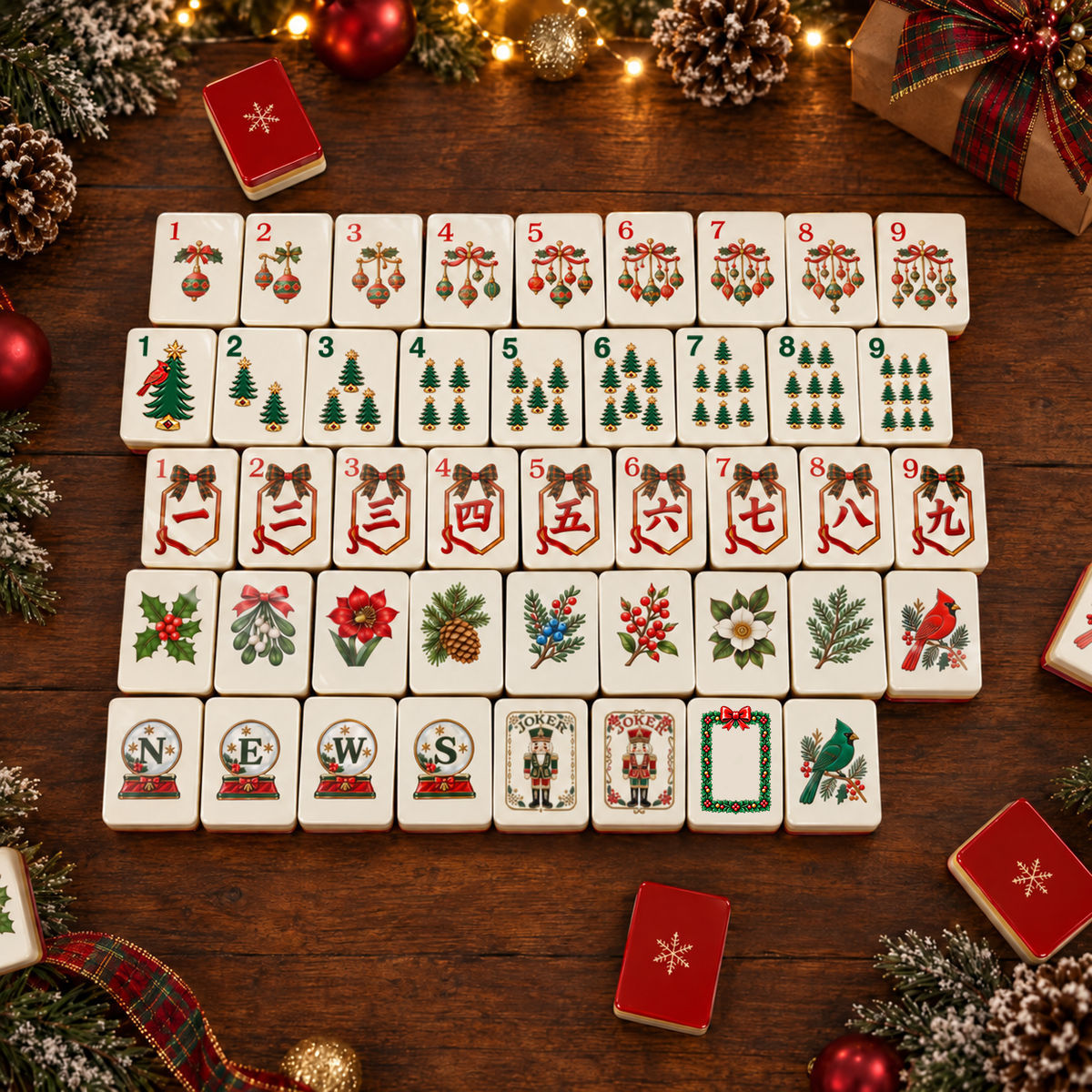
Picking ahead means drawing a tile from the wall before your turn, triggered when a discarder plays a tile that another player can use immediately. In American mahjong, if Player A discards a tile and Player B can use it (for a pung, kong, quint, sextet, or to win), Player B picks it—and also picks the next available tile from the wall in the same action. The sequence resets: play passes to the player whose turn comes next. This happens during regular play, not during the Charleston. Picking ahead lets you accelerate hand-building and sometimes steal a winning tile. You can only pick if the discard matches a tile you can legally expose or use to complete your hand; you cannot pick to hold a single tile. If multiple players want the same discard, the player closest to the discarder (in turn order) gets priority. Mastering these rules prevents table disputes and keeps games moving fairly.
Picking ahead is the legal move that lets you draw a tile from the wall before your turn, triggered when a discarder plays a tile that another player can use immediately. In American mahjong, if Player A discards a tile and Player B can use it (for a pung, kong, quint, sextet, or to win), Player B picks it—and also picks the next available tile from the wall in the same action. The sequence resets: play passes to the player whose turn comes next. This happens during regular play, not during the Charleston. Picking ahead lets you accelerate hand-building and sometimes steal a winning tile. You can only pick if the discard matches a tile you can legally expose or use to complete your hand; you cannot pick to hold a single tile. If multiple players want the same discard, the player closest to the discarder (in turn order) gets priority.
🀄 Shop best-selling mahjong sets →
When can you pick ahead, and what counts as a valid reason?
You pick ahead only if the discard lets you form an exposed meld or complete your hand. Valid reasons: building a pung (you hold two matching tiles and the discard is the third), extending a kong (you already have three and the discard is the fourth), forming or extending a quint or sextet, or declaring a win. You cannot pick ahead just to hold a single tile, to build a pair, or to store a joker replacement. The tile must fit into the hand you're actively playing from the current season's National Mah Jongg League card. If you pick ahead for an invalid reason, most tables rule it a dead hand—a steep penalty.

How does picking ahead change turn order?
When you pick ahead, you break the normal turn sequence. You take the discarded tile, then immediately pick a replacement tile from the wall (usually the next one in sequence from where the wall left off). After you expose your meld or declare your win, play passes to the next player in turn order—not back to the player whose turn it would have been if no picking had occurred. This can skip one or two players depending on where you sit relative to the discarder. If no one picks the discarded tile, play moves normally to the next player. Understanding this flow prevents confusion and keeps everyone clear on whose turn is actually coming.
What's the difference between picking ahead and robbing the wall?
Picking ahead uses a discarded tile from another player's hand. Robbing the wall (or drawing from the wall during a kong) happens when a player kongs a tile, draws a replacement from the end of the wall, and you immediately steal that drawn tile before they can use it—but this rarely happens in casual play and varies by house rules. Picking ahead is far more common and is always legal in standard American mahjong. Robbing is situational and conflicts can arise; picking ahead is clean and expected. Most tables focus on picking ahead as the main way to interrupt a turn.
How do you avoid mistakes when picking ahead?
Before you pick, confirm your tiles match a valid hand pattern on the current season's card. Don't reach for the wall if your reason is unclear. Announce what you're using the tile for: "Pung on 5 Bams" or "I'm out" (for a win). Make sure your melds are visible and organized so others can verify them quickly. Double-check that your hand still has a path to win after picking—an exposed pung takes up rack space and narrows your options. A common mistake is picking a tile and then realizing you've blocked yourself from the winning hand you were pursuing. Slow down, confirm the tile fits, then pick. If you're uncertain, ask the table before reaching.
What happens if two or more players want the same discard?
The player closest to the discarder in turn order (the next player after the discarder, then the one after, and so on) gets priority. If Player A discards and both Player B and Player C could use it, Player B (the next player clockwise) picks it. Player C does not get a second chance for that tile. Some tables announce "skip passed me" if you intentionally do not pick a usable tile, freeing the next player to pick if they want. Once a tile is picked, it's gone—the next player cannot claim it. This rule keeps play fast and prevents table chaos; establish it before the game starts.

Why is picking ahead crucial for winning hands?
Picking ahead accelerates your hand-build and sometimes delivers the exact tile you need to expose a meld or go out. If you're one tile away from a pung and that tile is discarded, picking it lets you expose immediately, signaling to other players that you're close to completion—or you might win on the spot. Strategic players track what tiles are discarded and what pairs or melds are visible, then pick ahead to gain an advantage. Conversely, knowing that picking is legal makes you think harder about what you discard; if you throw a 5 Crak and the player next to you has two 5 Craks showing, they might pick. Picking ahead transforms passive play into active, table-aware strategy. Our guide to reading the mahjong card helps you recognize the hands worth pursuing when a pick opportunity arises.
Table: Picking Ahead Decision Framework
Situation | Can You Pick? | What Happens | Common Error |
Discard matches a pung you hold | Yes | Expose pung, pick from wall, play passes to next player | Picking to store a single tile (invalid) |
Discard is a joker replacement you need | Yes | Use it to fill a slot, expose the set, pick from wall | Forgetting to announce which set it completes |
Discard completes your winning hand | Yes | Declare your win immediately | Pausing to decide—declare fast or the moment is lost |
Discard matches a single tile you hold | No | Cannot pick; play passes normally | Reaching for the wall out of habit |
Discard is a tile no one uses | N/A | Player discards as normal; next player in turn picks from wall | None—this is standard play |
Two players both want the same discard | First in turn order picks | Second player cannot claim the tile | Arguing after the fact instead of agreeing on priority beforehand |
🎁 See our most-loved mahjong sets & accessories →
How does picking ahead differ in other mahjong variants?
In Hong Kong mahjong and Riichi (Japanese) mahjong, the rule is similar but timing and meld types differ. Hong Kong mahjong allows sequences (chows) and has different hand requirements, so a "pick ahead" moment looks different. Riichi allows you to call tiles from the wall if they complete a winning hand, but the mechanism is stricter and melds are often concealed longer. Taiwanese mahjong uses jokers and picking rules that overlap with American play but with distinct hand patterns and scoring. Chinese classical mahjong has no jokers and uses sequences heavily, changing when and why you'd interrupt the turn. American mahjong's picking-ahead rule is straightforward: no sequences, only identical-tile melds, and picking is always public and exposed—making it easier for beginners to learn and for tables to verify fairness.
What table setup helps you spot picking opportunities?
Organize your tiles so your completed and near-complete melds are obvious to you and visible to the table. Use racks with pushers to keep your hand neat and your melds (when exposed) clearly separated from your live tiles. Watch the discard pile and the player opposite you; their exposed melds tell you what they're building. If three 7 Dots are already showing and a fourth is discarded, that player will almost certainly pick. Keep your own tiles organized so you can recognize a picking opportunity in a split second—hesitation costs the tile to the next player. A well-lit table (especially a durable mat with clear markings) makes it easier for all four players to track discards and exposed melds in real time.
What to check before you buy a set for serious picking play:
Tile clarity: Confirm each tile is easy to read at a glance (especially numbers and suit symbols). Picking fast depends on speed; a set with small or faded symbols slows you down.
Rack quality: If you use racks, ensure pushers slide smoothly and the rack is wide enough to spread your tiles comfortably. A cramped rack means you miss your own tiles and lose picking opportunities.
Joker count: Verify your set includes the right jokers for the hands you play. A 160-tile set is standard for American mahjong and includes spares—check that you have them.
Card accuracy: Use the current season's National Mah Jongg League card to practice recognizing hands. An outdated card costs you plays.
Table space: Picking ahead is faster on a large, uncluttered table. A crowded mat or small table increases errors.
✨ Find your Mahstead set — free US shipping →
How do house rules vary on picking ahead?
Most tables follow the standard rule: if a discard completes a legal set (pung, kong, quint, sextet, or a win), the next player in turn order picks it and draws from the wall. Some casual groups allow "soft picks"—using a discard to hold a single useful tile if you're working toward a specific hand, though this is not standard and often leads to disputes. A few tables impose a "no robbing" variant where if you pick, the next player cannot also pick from that same wall draw (though this is rare). The best practice: agree on picking rules before you start playing. Write them down if your group is new. Most experienced players stick to the standard because it's fair, clear, and fast. If someone claims a house rule you've never heard, politely ask them to explain it and verify it with the whole table before continuing.

FAQ
What's the fastest way to decide who picks when two players want the same discard?
Turn order decides it instantly—the player closer to the discarder (next in clockwise sequence) picks. No debate. Agree on this rule at the table's start to avoid mid-game arguments and keep play flowing.
Can you pick ahead if you have jokers in your hand?
Yes, but only if the discard lets you form a legal meld. Jokers are substitutes and don't change the rule; you still must expose a pung, kong, quint, sextet, or declare a win. You cannot pick a tile just to hold or swap a joker.
If I pick ahead and realize I made a mistake, can I undo it?
House rules vary, but most allow you to return the tile before the next player picks their wall tile. Once the wall tile is drawn, the pick stands. This is why confirming your hand before reaching is crucial—mistakes are costly.
Does picking ahead work the same way during the Charleston?
No. Picking ahead happens only during regular play after the Charleston ends. During the Charleston, tiles are passed in a specific ritual; no picking from discards occurs. Once play starts, picking ahead becomes available.
How do you know if a tile you want to pick is legal for your current hand?
Check the current season's National Mah Jongg League card. Find your target hand, verify the tile you're about to pick matches the pattern, and confirm the set it would form (pung, kong, etc.) is valid. If you're unsure, ask the table or wait—a missed pick is better than a dead hand.
What's the penalty if you pick ahead for an invalid reason?
Most tables rule it a dead hand, meaning you drop out of that round and score zero. Some groups impose smaller penalties (like a monetary fine). Always agree on penalties before play starts to prevent disputes.
Can you pick ahead out of turn if you're about to win?
Yes—that's one of the most common picking scenarios. If another player discards your final tile, you pick it and declare your win immediately. This is always legal and celebrated, not penalized.


View More
View More
View More
