
Japanese Mahjong Rules: Riichi, Hands & How It Differs from American
Last updated: Nov 23, 2026
Japanese mahjong, called Riichi mahjong in formal play, uses 136 tiles (four copies each of three numbered suits 1–9, winds, dragons, and seasons) plus two jokers. Unlike American mahjong, which draws hands only from the annual League card, Riichi relies on fixed hand patterns (yaku) worth points based on complexity and rarity. A winning hand requires four melds (pungs, kongs, or chows—sequences of consecutive numbers) plus a pair. The key difference: in Riichi, you declare your hand is "ready" (riichi), and melds can be called from any discard, not just from the player to your left. Scoring is dynamic and tile-driven; a hand worth more points beats one worth fewer, regardless of hand name.
What tile inventory does Japanese mahjong use?
Japanese mahjong starts with 136 tiles: three numbered suits (Manzu/balls, Pinzu/dots, Souzu/bamboo) each with numbers 1–9, four winds (North, East, South, West), three dragons (Red, Green, White), four seasons (Spring, Summer, Fall, Winter), and four jokers. Each tile appears exactly four times. This is smaller and more standardized than American mahjong's 152-tile base. The tile count never changes during a session—all 136 remain "live," and players draw and discard at a steady pace. Seasons are only used in some house rules; competitive Riichi omits them, keeping tiles at 136 total. Knowing the exact inventory helps you track discards and calculate winning odds as the game progresses.

How do melds and hand structure work in Riichi?
A completed winning hand in Japanese mahjong consists of four melds and one pair. A meld is either a pung (three identical tiles), a kong (four identical tiles), or a chow (a sequence like 3–4–5 of the same suit). Unlike American mahjong, chows are legal and commonly called. You build your hand openly by calling melds from other players' discards (an action called "calling out") or by drawing from the wall. When you believe your hand can win, you declare riichi, freezing your hand pattern: you can no longer add new tiles to melds, only draw and discard in search of the winning tile. A winning hand must satisfy at least one yaku (pattern worth points)—a naked four-meld-plus-pair hand with no yaku pattern cannot win, even if tiles match structurally. This forces strategic thinking: drawing a 7 Bamboo might complete your pair but break a high-value yaku, so you must choose whether to win small or wait for a bigger hand.
What are the main yaku (hand patterns) and point values?
Yaku are fixed patterns that determine hand value in Riichi. Common ones include:
Tanyao (All Simples): hand uses only tiles 2–8 of numbered suits, no winds or dragons.
Yakuhai (Value Honors): hand contains a pung of winds or dragons; stack three such pungs for "Sananko."
Itsuu (Pure Straight): all three suits present, each with a complete run 1–9.
Toitoi (All Pungs): all four melds are pungs, no chows.
Honitsu (Half Flush): hand uses only one numbered suit plus honors (winds/dragons).
Chinitsu (Full Flush): hand uses only one numbered suit—no other suits or honors.
Each yaku has a base point value; scoring multiplies based on how many yaku stack in a single hand. A hand with two yaku is worth more than one with a single yaku. A riichi declaration itself counts as a yaku. This differs sharply from American mahjong, where hands are named on the League card and scored by their specific row—Riichi scoring is additive and flexible, rewarding pattern recognition and risk judgment.
How does the riichi declaration change play and strategy?
When you declare riichi, you announce your hand is exactly one tile away from winning and you will not alter your meld pattern. You place a marker on the table (often a stick or token) and pay a small penalty (typically one point in friendly play, or 1,000 points in tournament format). From that moment, you can only draw from the wall and discard; you cannot call tiles from other players or rearrange your melds. This creates tension: declaring riichi early maximizes the chance an opponent discards your winning tile, but it telegraphs your readiness, so opponents become more cautious. Waiting longer before riichi lets you gather more options and yaku, but opponents' hands may also solidify. Once riichi is declared, if another player goes out before you, you still pay the riichi penalty even though you didn't win. This risk—paying without reward—is unique to Riichi and absent from American mahjong's closed-hand model.

What are the scoring differences between Riichi and American mahjong?
Aspect | Riichi Mahjong | American Mahjong |
Hand selection | Any yaku pattern (unlimited options) | Current year's League card only |
Melds allowed | Chows (sequences) + pungs + kongs | Pungs + kongs + chows forbidden |
Calling & exposure | Call from any player; open melds normal | No calling; all melds exposed by you |
Scoring basis | Yaku count & point value added | Hand row on League card fixed |
Winning tile source | Wall draw or called discard | Wall draw or tile from any player |
Hand freeze | Riichi locks pattern; no re-melds | No equivalent; hand stays open until win |
American mahjong players often find Riichi faster-paced and noisier—more tiles move, calling is constant, and games end in 15–20 minutes instead of 30. Riichi rewards memorizing yaku and calculating point increments; American mahjong rewards tile memory, card mastery, and reading opponents' racks. Both demand skill; they reward different strengths.
How do you adapt if you've only played American mahjong?
If you're fluent in American mahjong and want to try Riichi, start with these mental shifts:
Forget the League card. No named hands. Yaku are patterns, not rows. Learn the top ten yaku first.
Learn chows. Sequences like 4–5–6 are legal and common; in American mahjong they're forbidden.
Expect noise. Players call tiles frequently. Discards are often called immediately; silence doesn't mean safety.
Riichi changes hand-building. Declaring riichi is optional but often worth the penalty; it signals strength and can pay off quickly.
Scoring is additive. A hand with three yaku beats one with one yaku, period. No special ranked hands.
Tile math matters. Tracking discards and counting remaining tiles is critical—Riichi games move fast, and you can't rely on racks staying exposed.
Start with a single-table friendly game; the learning curve is gentler than American mahjong's first session because rules are fewer, but the pace takes adjustment.
🀄 Shop best-selling mahjong sets →
What equipment do you need for Japanese mahjong?
Japanese mahjong can be played with any 136-tile set labeled for Riichi or "Japanese" play. Many 160-tile sets sold in the US include both American and Riichi rules guides, making them adaptable. You'll need a mat to catch tiles and reduce noise—Riichi games are loud, and a padded mahjong mat protects both tiles and table. A set of four racks with pushers is standard for holding and organizing tiles during play. Four player winds (tokens or sticks) mark the dealer and wind positions. A travel bag or case is useful if you play at different locations; Riichi clubs often meet weekly, and portability matters. Dice are optional in casual play but required in formal tournaments to determine seating and first dealer.
What to check before you buy a Riichi mahjong set
Tile count. Verify it's 136 or 160 tiles—the latter has spares, useful for replacements.
Suit labels. Ensure tiles are marked Manzu, Pinzu, and Souzu (or numbers/symbols representing them) so you can spot sequences quickly.
Character clarity. Japanese character legibility matters; if you're new to Riichi, clearer text reduces confusion during fast play.
Material durability. Riichi games are intense and tiles are handled often; acrylic or bone-resin tiles withstand years of weekly play.
Mat included. Check if the set comes with a mat; if not, purchase one separately to keep noise low and tiles safe.
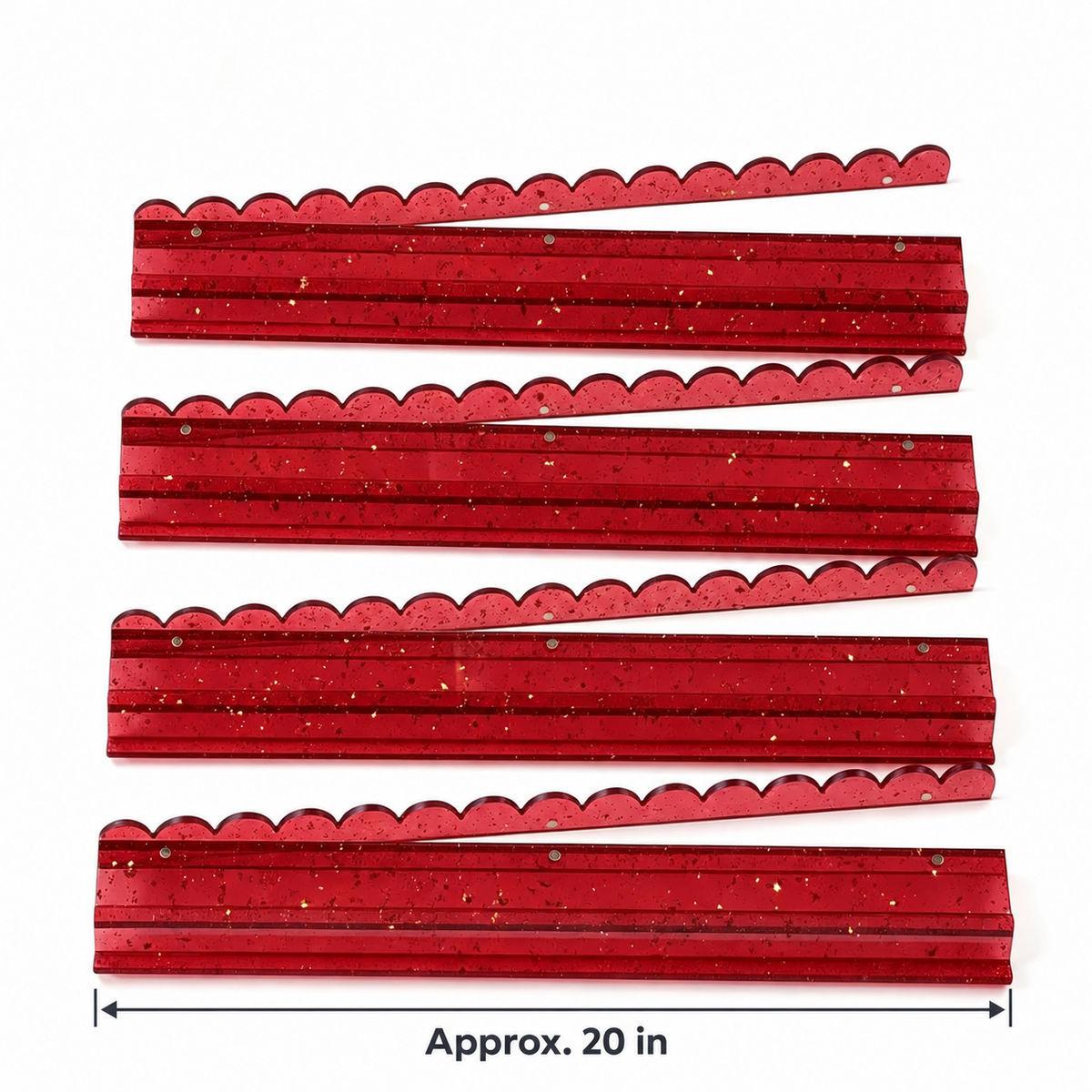
Pushers and racks. These are often sold separately; confirm they fit your tile thickness.
🎁 See our most-loved mahjong sets & accessories →

FAQ
Can I use an American mahjong set to play Riichi?
No. American sets have 152 tiles and include flowers and jokers that don't exist in Riichi. Riichi requires exactly 136 tiles with no flowers. You need a set designed for Japanese or Riichi play.
What's the difference between riichi and Riichi (capital R)?
Lowercase riichi is the declaration you make when your hand is ready to win. Capital Riichi refers to the overall game variant (Riichi mahjong). The declaration is part of the game.
How long does a Riichi mahjong game take?
One hand typically lasts 5–15 minutes, depending on how quickly winning tiles appear. A full session (multiple hands, four rounds) runs 1–2 hours, much shorter than American mahjong sessions.
Do I need to know Japanese characters to play Riichi?
Not essential, but it helps. Most competitive Riichi players learn the character names of tiles; casual play with clear English or pictorial labels is possible. Modern sets often include bilingual marks.
Is Riichi mahjong played competitively outside Japan?
Yes. International Riichi tournaments are held worldwide; online platforms support global play. Competitive Riichi has standardized rules overseen by international federations, unlike American mahjong's League structure.
What's the hardest part of learning Riichi after American mahjong?
Retraining your eye to spot chows (sequences) instead of avoiding them, and learning yaku point values rather than card rows. The pace is also faster; you must decide quickly whether to call a tile or let it pass. ✨ Find your Mahstead set — free US shipping →


View More
View More
View More
