
Your Turn: Drawing, Racking and Discarding — American Mahjong Level 3 Guide #14
Last updated: Nov 18, 2026
Mahjong Rules Guide › Level 3 — Play a hand · Guide 14 of 25
Every turn follows the same rhythm: draw one tile, add it to your hand, then discard one tile face-up to the center. You must draw before you discard, and you must discard on every turn unless you go Mahjong. The drawing player sets the tempo; clear, deliberate moves help everyone stay focused and catch errors early.
Step 1: Draw Your Tile from the Wall
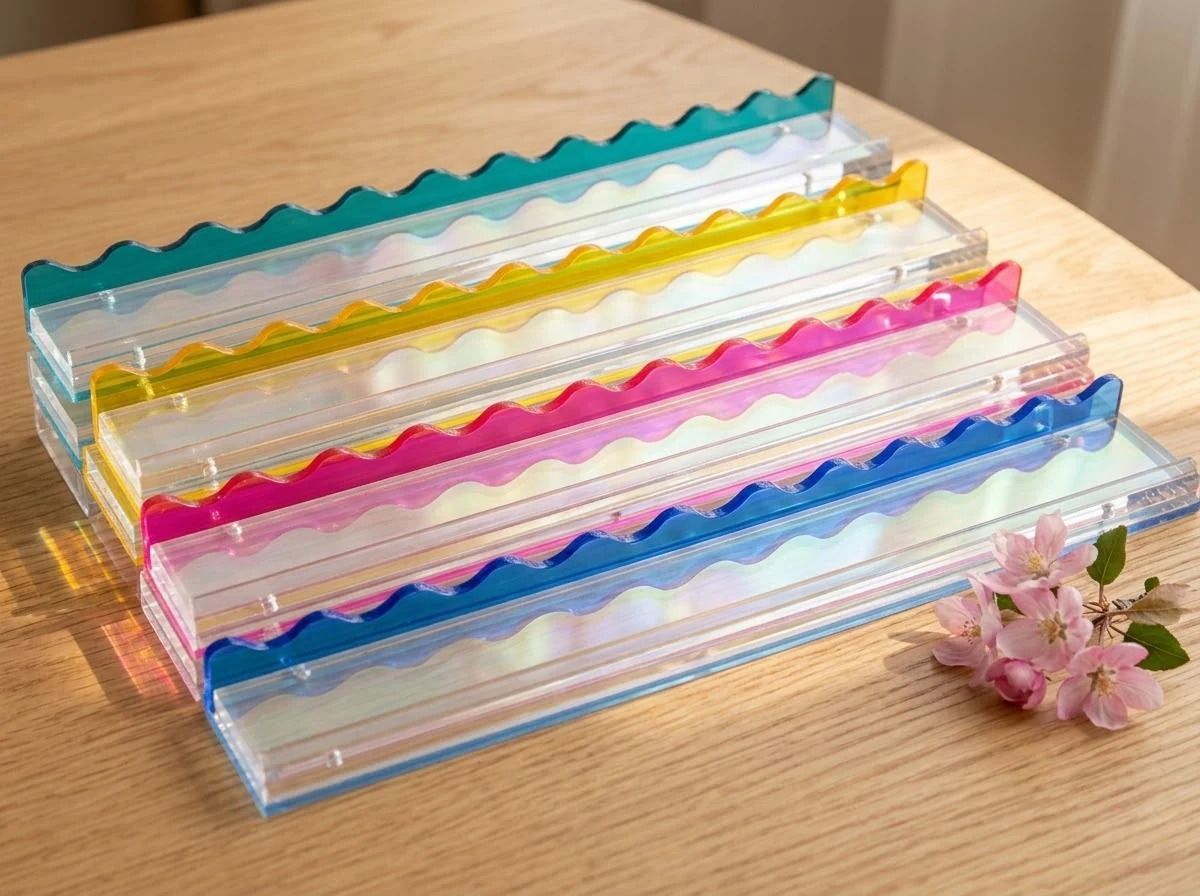
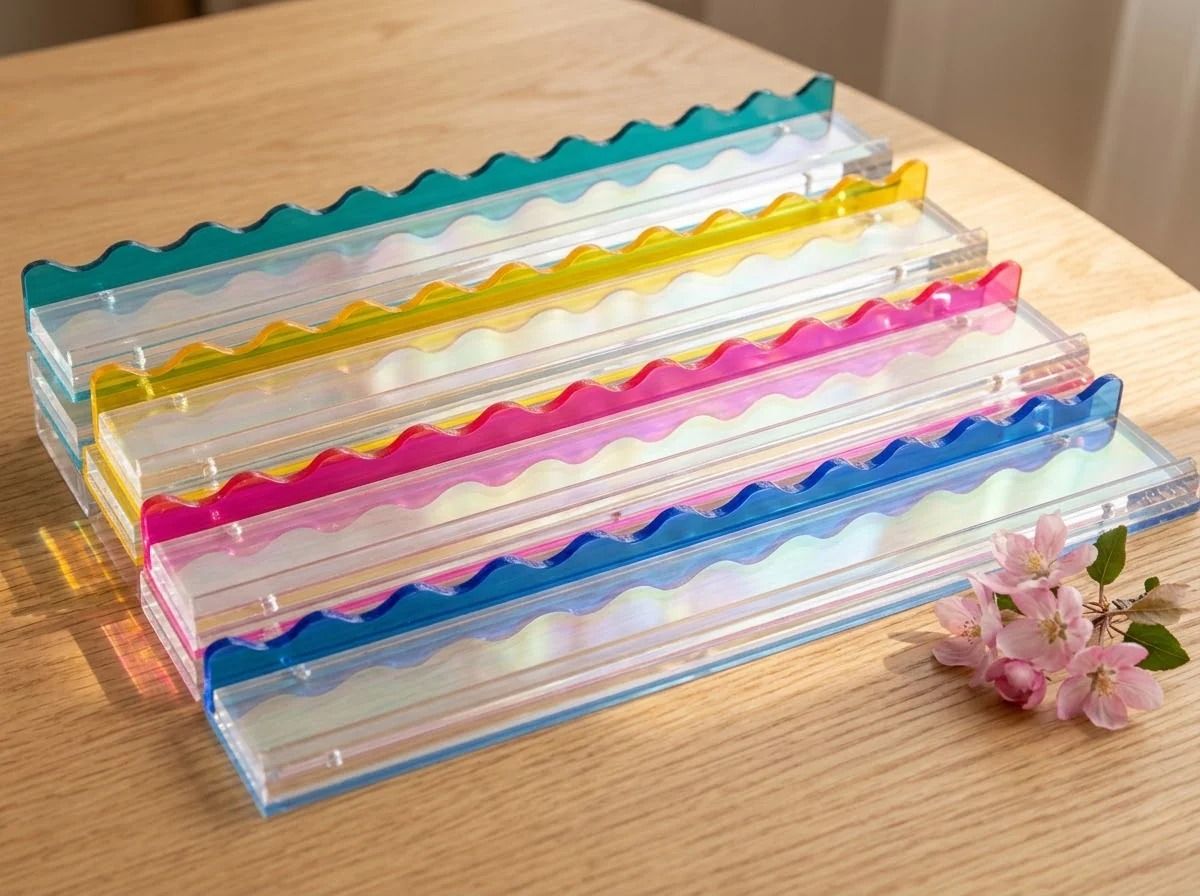
The player whose turn it is draws from the wall. In a typical game, East draws first (since East holds 14 tiles after the deal, while others hold 13). On a standard 4-player wall, tiles stack in groups of 2, face-down, and players take from the end nearest them. If you are at a table with a mahjong rack with pushers, use it to draw smoothly without fumbling; this keeps the wall organized and makes it harder for anyone to accidentally see an unexposed tile.
Keep your draw hidden until you add it to your hand. Never announce what you drew. If the wall runs out of tiles before anyone goes Mahjong, the game is a dead hand and no one scores—that is rare and usually happens when too many kongs are exposed early.
Step 2: Add the Tile to Your Rack and Organize
Once you have drawn, add the new tile to your hand. Now you have 14 tiles (or 13 if someone called your previous discard and you have not yet drawn). This is the moment to read the card and check what hands you can make with your tiles. Arrange your tiles so you can see the patterns clearly: group identical tiles together, put single Winds or Dragons on the edge, keep Flowers visible. A good rack layout is half the game.
If you hold a real tile that matches a Joker someone else has exposed, you now have the option to redeem that Joker on your turn—but that happens after you discard, not before.
Step 3: Decide What to Discard
Before you discard, ask yourself three questions:
Do I have a hand that is close to complete? If you are one tile away from Mahjong (14 tiles organized perfectly), hold your tiles. The next turn, a discard or your own draw might complete you.
What tiles am I keeping and what can I afford to lose? Discard tiles that do not fit any hand on the card, or tiles that fit only weak hands (low-value, or hands you are unlikely to finish). Slow-moving hands (Dragons in pairs, high Winds) are often safe discards.
Am I throwing a tile that helps my opponents? If two players have already exposed a pung of Dot 5s, do not discard a third Dot 5—they might call it and threaten Mahjong. Similarly, avoid throwing a tile that completes an obvious pattern for the player to your left.
There is no perfect discard in every situation. Tables vary in their play styles: some players discard high Winds early, others hoard them. What matters is consistency and observation—watch what other players keep and throw, and adjust your strategy as the hand develops.
Step 4: Place Your Discard Face-Up in the Center
Once you have chosen your tile, place it face-up and clearly visible in the center of the table. Ideally, discard tiles form a neat row or spiral so everyone can see what has been thrown and count how many of each tile remain. Do not hide your discards or stack them carelessly.
State the tile name aloud as you discard—for example, "Dot 3" or "South Wind"—so that all four players hear it and can react quickly. This prevents confusion, speeds up calls, and makes it harder for anyone to claim they did not see a tile they wanted to call.
Your turn is now complete. The player to your left (or the player who called your discard, if someone did) now goes.
Gear for this step
Practising your turn? It's easier with the right setup — see our mahjong racks with pushers.
Reading Your Rack: A Practical Example
Imagine you have just drawn and now hold 14 tiles:

You organized this into:

Now you check the card. You are looking for any hand that uses exactly these tiles (or these tiles plus a Joker in place of one group). Suppose the card has a hand that reads: D1 D1 / D2 D2 / D3 / C5 C5 C5 / B7 B7 B7 B7 / N N. You have a match! You are Mahjong—you do not discard; you declare immediately. See Declaring Mahjong and Checking a Winning Hand for next steps.
But suppose the card does not have that exact hand. You are one tile short. You need to hold your best combination and discard the tile that is least useful. If no other hand on the card uses the pair of North Winds, they are a good discard candidate. If you have a choice between discarding N or a single Dot 3, and several card hands use high Dots, keep the Dot 3 and throw N.
What Happens If You Discard a Tile Someone Wants to Call
If your discard completes an exposed group for another player (a pung, kong, quint, or sextet), they will call it immediately—usually by saying "Call" or "I take it." You cannot take that tile back. A called discard can only be used to complete an exposed group of three or more identical tiles, or to go Mahjong. If more than one player wants your discard, the first to call has priority; in rare ties, the player closest to the wall (or closest to your right) wins the call.
Once a tile is called, the calling player exposes the group and removes your tile from the center. The game continues with the next player's turn, not yours.
Common Mistakes
Discarding before drawing. Always draw first. If you discard, then draw, that is a rules error and usually results in a dead hand or a penalty.
Discarding a tile when you have Mahjong. If your 14 tiles match a hand on the card exactly, you declare Mahjong immediately and do not discard. Declaring late—after you have thrown a tile—is a dead hand.
Mumbling or not naming your discard. Say the tile out loud so all players hear it. Misnamed discards can trigger penalties (see Dead Hands, Misnamed Discards and Common Table Penalties).
Throwing a tile carelessly into the center. Place it clearly in the discard row. A tile that falls or gets mixed with the wall is confusing and may cause disputes.
Forgetting to check if you can redeem a Joker. After you draw, before you discard, see if any opponent has an exposed Joker and whether you hold the real tile. If yes, and if redeeming it helps you, do so on your turn—but after discarding, not before.
Tips for Smooth Play
Use a rack with pushers to draw cleanly and keep your hand organized. A neat rack makes discards faster and clearer.
Keep your discard pile in the center where everyone can see all the tiles at once. Messy piles lead to miscalls.
Watch the discards and the exposed groups to estimate what tiles are still in the wall and what your opponents might need. This helps you choose safer discards.
If you are not sure whether a hand is Mahjong, ask the table to wait while you recheck the card. It is better to be slow and correct than fast and wrong.
Next Step
You have now mastered the basic flow of your turn. Next, we cover calling a discard and making an exposure—what happens when someone else discards a tile you need, and how to expose your groups correctly so the table can see and verify them.
FAQ
Can I discard before I draw?
No. You must always draw first, then discard. If you discard before drawing, it is a rules error and typically results in a dead hand or a penalty.
What if I draw a tile and then realize I already have Mahjong?
Declare Mahjong immediately. You do not discard. If you have already discarded, your hand is dead and you lose the hand.
Do I have to say the name of the tile I discard?
Yes. Always name your discard aloud so all four players hear it clearly. Misnamed discards can cause disputes and may trigger a penalty.
Can I take back a discard if no one calls it?
No. Once a tile leaves your hand and is placed in the center, it is final. You cannot pick it up again.
What if I hold the real tile for an exposed Joker—when do I redeem it?
You redeem a Joker on your turn, after you discard. Draw first, discard, then exchange the Joker for your real tile if you want to. You cannot redeem before you discard.
Is there a "safe" tile to always discard?
No. Every discard depends on the table situation, the card, and what players have exposed. High Winds and high Dragons are often safer early, but nothing is always safe. Watch what others throw and learn your table's style.
More in Level 3 — Play a hand
Ready to play at your own table?
Engraved 160-tile American mahjong sets, mats and racks — free shipping across the US.


View More
View More
View More
