
American Mahjong Keeping Options Open: Strategy & Setup
Last updated: Nov 21, 2026
Keeping options open means holding tiles and jokers that work in multiple hands on the current year's National Mah Jongg League card, so you can adapt as other players discard. In American mahjong, you have 13 tiles in your hand (plus the 14th drawn each turn), and the moment you expose a pung, kong, or quint, your options narrow—so the earlier you commit, the riskier your hand becomes. The strategy depends on reading the card carefully: identify 3–5 hands that share common tile patterns (e.g., pairs of dragons, sequences of Bams), hold jokers and wild cards until the last possible moment, and track what others are building. Mahstead's best-selling mahjong sets come with 8 jokers, giving you maximum flexibility; the key is knowing which tiles to hoard and when to pivot. Most new players commit too early or discard promising tiles—we'll walk you through both mistakes and a concrete decision framework to stay agile.
What does keeping options open actually mean in play?
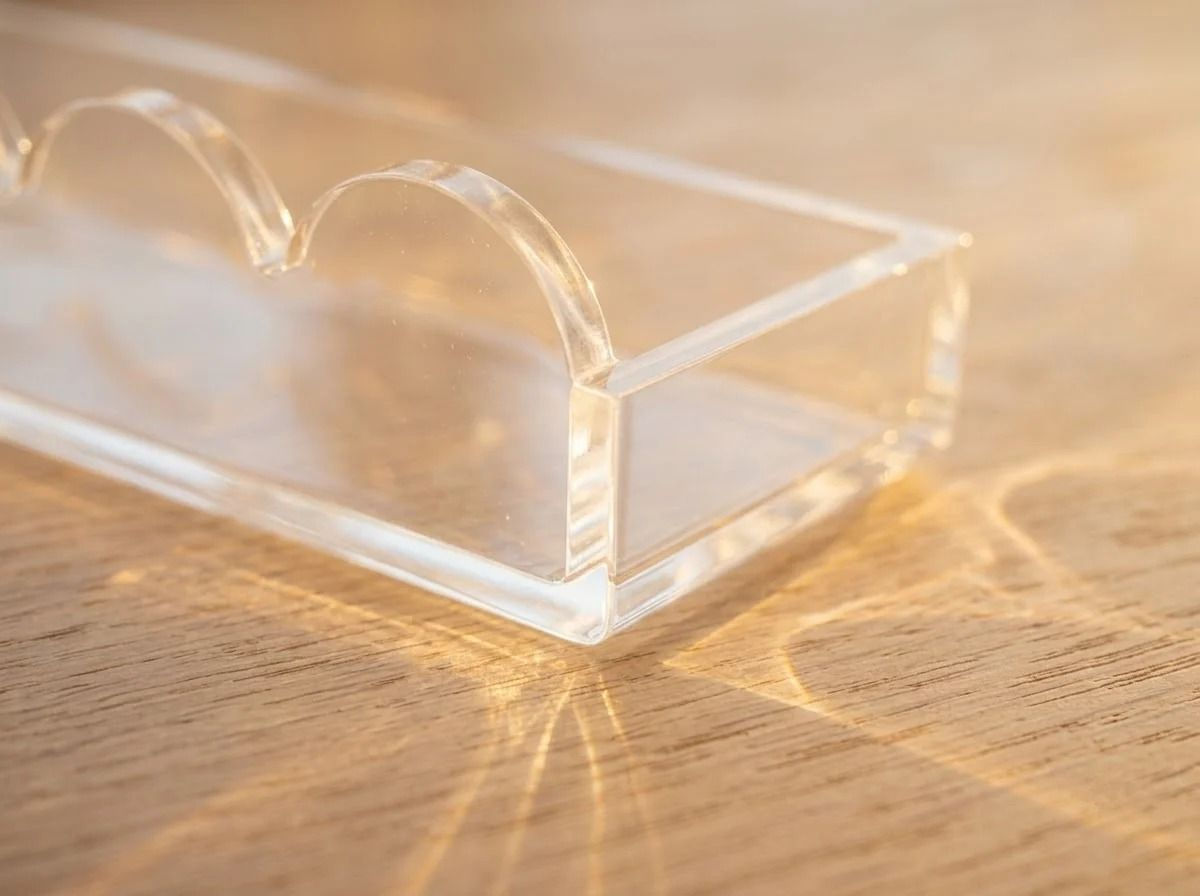
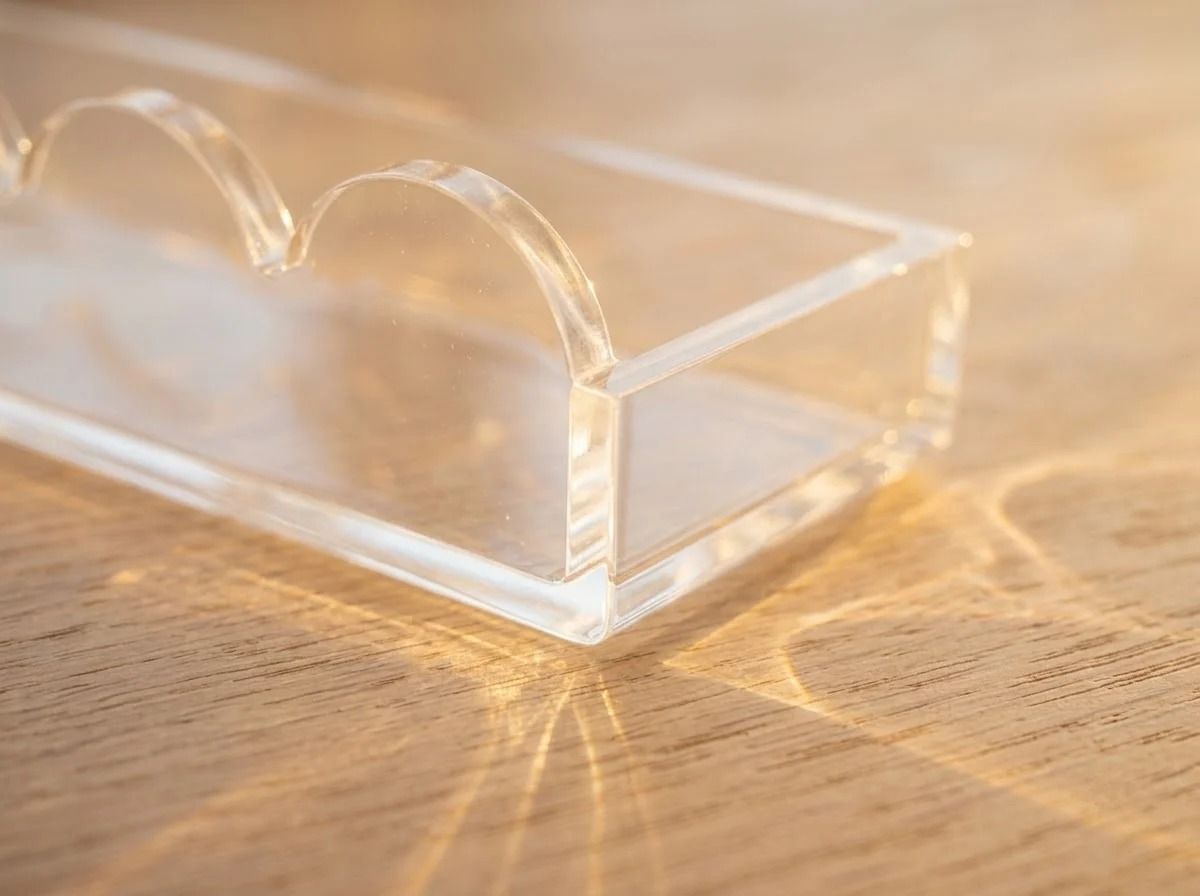
Keeping options open means you've mentally mapped multiple winning paths before exposing anything. You hold your 13 tiles in a mahjong rack with pushers—which lets you organize and hide tile backs from other players—and you study the card. You're asking yourself: "Which hands share my pair? Which two or three Bam sequences could I build?" Then you discard a tile you're least likely to need. The moment you expose a pung, other players see your intent and start hoarding the tiles you need. Until then, you're a ghost—no one knows whether you're chasing 3 hands or 1. This advantage evaporates the second you call "pung."
Why do jokers matter more than tile number?
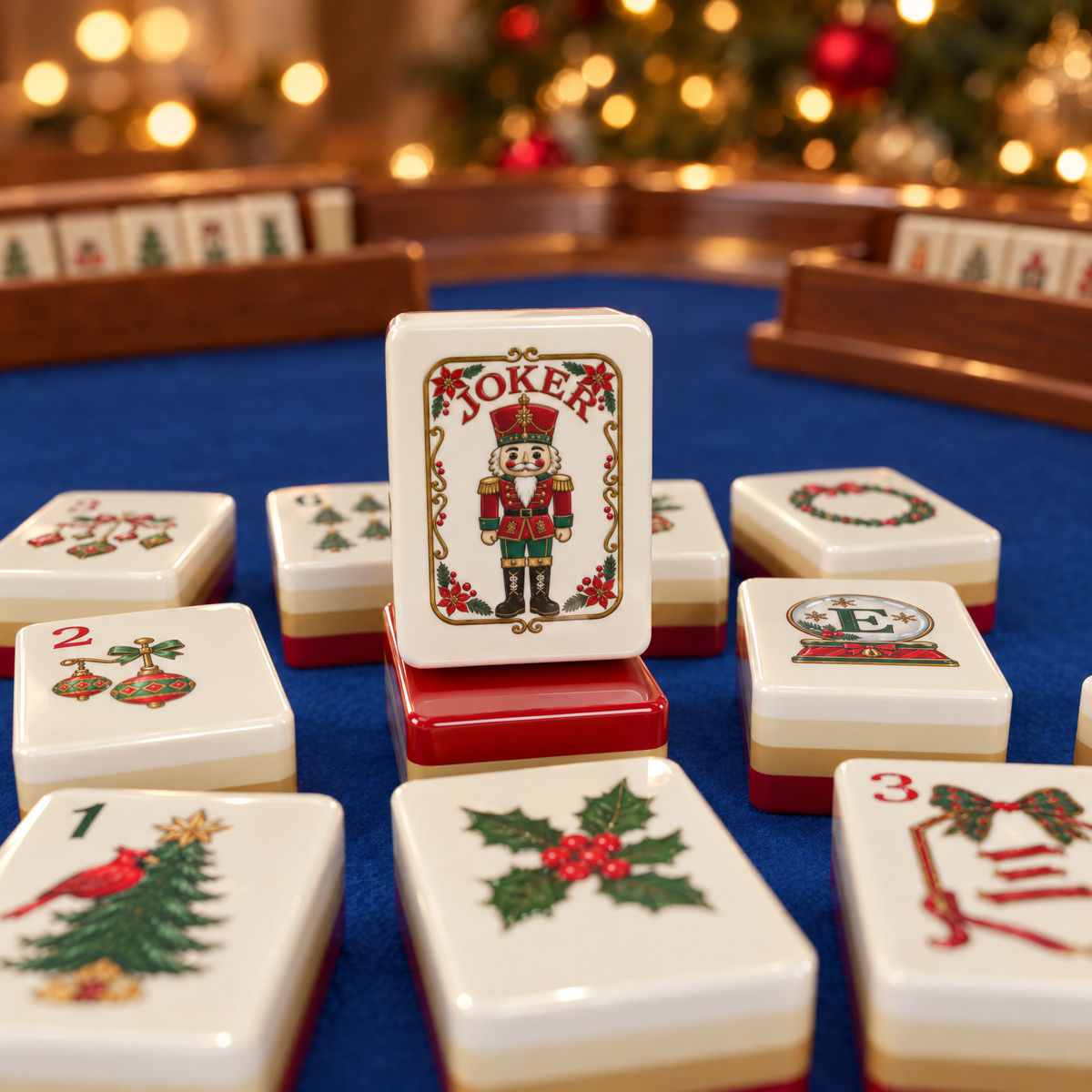
Jokers are the only truly universal tiles in your hand—they stand in for any tile in any position (pung, kong, quint, sextet). A 5 Dot is useful only if you need a 5 Dot; a joker can become any tile the card allows. In American mahjong, you draw 13 tiles and receive 1 joker (in most rule sets); as the game progresses, jokers get discarded and you must recover them. If you hold a joker early, you're not "committed" to any single suit or number—you can pivot instantly. Newer players spend jokers on obvious gaps (a missing 3 in a Crak sequence) instead of preserving them for the moment when they need to "plug" a rare tile. The practical rule: if you can build the current hand without the joker, don't use it yet. If discards suggest your first choice is impossible, you still have a live joker to unlock a second hand.
How do you balance multiple winning hands on the card?
The National Mah Jongg League card is issued every spring and contains dozens of legal winning patterns. Most have overlapping components—for instance, a pair of Red Dragons works in both "2024 Red Dragon pair + sequences" and "2025 mixed dragons + quint" hands (these are illustrative names; see the card for specifics). To keep options open, circle 3–5 hands that share either your pair, a suit run, or a dragon, then track which tiles other players discard. If the player opposite you is collecting Bams, the "all Bams" hand on the card becomes less likely for them—and more likely for you. If two players are collecting Dots, your Bam-heavy hand becomes safer; pivot toward the Bam-based patterns you've marked. This is active listening: every discard is data. Write down (mentally or on paper) which suits are "hot" (everyone wants them) and which are "cold" (no one's calling them). Steer toward cold hands.
🀄 Shop best-selling mahjong sets →
What tiles should you hold longest to stay flexible?
Hold dragons and Soap (white) longest—they are rare, appear in many hands, and cannot be swapped or replaced easily. If you have one Red Dragon early, keep it unless you're absolutely certain you don't need reds; same for Greens and Whites. Soap (White) is especially valuable because on many hands it stands in as "zero"—a wild multiplier tile—and also functions as a Dot dragon in certain patterns. Pair tiles are nearly as valuable: if you're hunting a specific pair, hold a potential backup pair (e.g., if your primary pair is 5 Bams and you draw a 6 Bam, keep the 6 in case 5s dry up). Suit number 1s and 9s are less flexible—1 Bam (the bird) and 9 Dots appear in fewer hands than mid-range tiles like 4s and 5s—so if you have a choice between discarding a 1 or a 4, and both are "cold," discard the 1. This is directionally true; check your specific card section for exceptions.
When should you stop keeping options open and commit?
Commit (expose a pung or kong) when: (1) you've collected 3 identical tiles and no other player has discarded that tile recently (meaning it's safe), (2) two players to your left have already exposed melds (the "heat" has moved away from that suit), or (3) you have 10+ turns left and still have no pair, forcing you to build fast. If you reach turn 13 (your final draw before the wall is picked bare) and you're still sitting on a hidden hand, you're likely to lose. Conversely, if you're on turn 4 and you're tempted to call pung on a tile because one player discarded it—don't. One discard is not safety; wait for a second or third confirmation. The classic mistake: new players expose a pung of 3 Craks because someone discarded one 3 Crak, then watch the next three players hoard 3 Craks and they never complete the hand. Expose only when you're confident the tile is truly cold.
The Decision Framework: When to Expose, When to Hold
Situation | Hold? | Expose? | Why |
You have 1 joker; 3 turns in; multiple hands fit your pair | Hold | — | Joker unlocks pivots; too early to narrow down |
Player 1 just discarded the exact tile you need; no one else has taken it | Hold (first time) | Expose on 2nd discard of same tile | Fluke discards happen; confirm it's safe |
You have 4 Craks and need 3 Craks for the pung; Crak-heavy hand is "hot" (multiple players collecting) | Hold | — | Your hand is visible; competitors know what you want |
Two players have exposed melds; it's turn 9; you have no pair yet | — | Expose your first safe pung immediately | Staying hidden is now a liability; you need to build fast |
You hold a Red Dragon; you have 3 hands that use Red on your marked list | Hold | — | Dragons are rare; one Red unlocks three paths |
What to Check Before You Buy a Set for "Options Open" Play
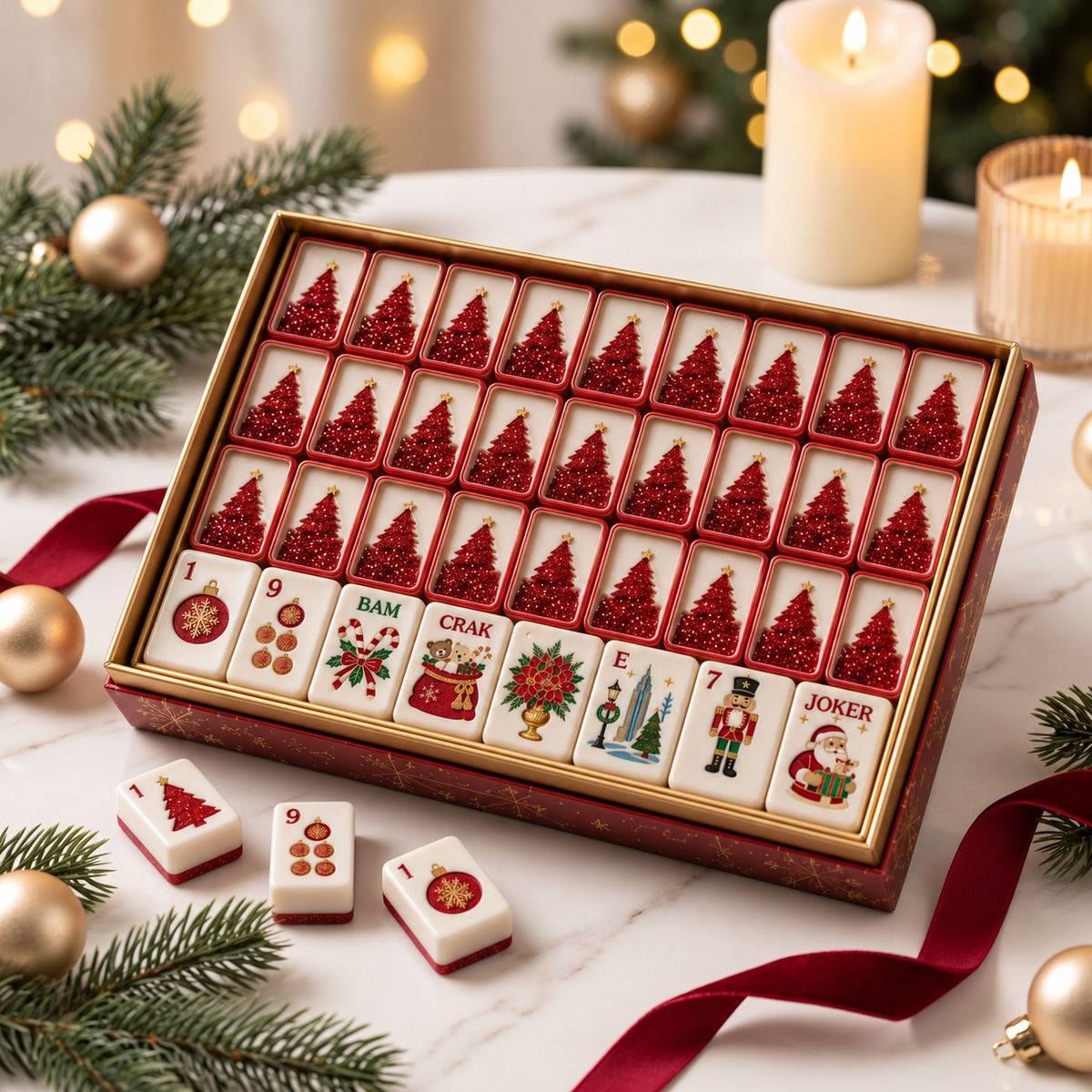
Joker count:American mahjong sets come with 8 jokers in standard play. A 160-tile set includes the 152 playing tiles plus spare jokers and tiles, so you always have replacements if one is lost. Confirm your set has all 8 jokers at the start of each game.
Tile visibility: Holding your hand in a rack hides tile backs from other players, which is essential for keeping options open. If you play with tiles in hand (risky for visibility), other players can see your tile arrangement and guess your holdings. Our mahjong racks with pushers keep your hand face-down and organized, making it harder for opponents to read your strategy.
Card clarity: You need the current year's National Mah Jongg League card at the table and a way to mark or circle your candidate hands. Bring a small dry-erase marker or pencil to annotate which hands you're tracking. If you can't read the card (tiny text, poor lighting), you can't keep multiple options alive.
Turn order: Always play in the correct sequence: East draws first, South draws second, West third, North fourth. If the drawing order gets confused, discard timing shifts and your "keeping options open" strategy collapses. Count turns out loud on the first few hands to keep everyone on track.
🎁 See our most-loved mahjong sets & accessories →
How Experienced Players Stay Flexible
Experienced players keep a mental stack of their 3–5 candidate hands, all pinned to a common pair or dragon. They never think, "I'm going for this hand"; they think, "I'm holding a Red Dragon and a 5 Bam pair. What hands use one of these?" As they draw, they physically reorganize their rack (pushing high suits to one side, low to another) so their brain stays organized and calm. They discard the coldest tile first—the one no one is chasing. If they draw a second joker, they mentally map where it might go. If a third player suddenly melds a 2 Bam pung, that player is now hunting Bams; any Bam hands just became higher-risk for everyone else. On the National Mah Jongg League card, they've pre-marked hands in different colored inks or pencil shades, so they can pivot without confusion. And crucially: they don't discard a joker until turn 10 or later, when the pool of options has shrunk enough that they know where it's going.
Keeping Options Open in Variant Rules
Chinese/Hong Kong mahjong: There are no fixed card hands. You can meld chows (1-2-3 sequences) openly and call tiles on your turn from the discard pile. This creates more flexibility, not less—you don't commit to a hand until the very end. Hold pungs (3 of a kind) and pairs; only meld chows when you're close to winning.
Riichi (Japanese mahjong): The hand is fully concealed until you draw your winning tile. You "declare" Riichi (a bet that you're one tile from winning and won't change your hand), which freezes your melds but tells opponents nothing. Flexibility ends the moment you call Riichi; you're committed to one path.
Taiwanese mahjong: Often uses sequences (chows) and melds them openly, similar to Hong Kong style. The "options open" principle still applies: hold rare tiles and jokers (if used) until late game.
American mahjong is uniquely rigid because the card is fixed and you cannot meld sequences—only identical-tile melds. This makes keeping options open even more critical: you have fewer chances to pivot, so every tile you discard is a permanent decision.
✨ Find your Mahstead set — free US shipping →
FAQ
How many hands should I mark on the card before play starts?
Mark 3–5 hands that share your pair or a rare dragon. More than five and you lose focus; fewer than two and you're overcommitted. Once play starts, you can unmark hands based on which tiles are discarded.
Should I discard a joker in the first three turns?
Almost never. Discarding a joker early is like throwing away your safety net. Hold it at least until turn 6–8, when the pool of possibilities has shrunk enough that you can see where you're headed.
What if another player melds a tile I need for all my candidate hands?
That's the game. Pivot to one of your backup marked hands immediately or, if you're truly stuck, start building a new hand based on what's still in the discard pile. Don't sit frozen; take action.
How do I know if a suit is "hot"?
Count how many players are collecting it. If Players 2 and 3 have both exposed Bam pungs and are discarding non-Bams, Bams are hot. If no one has called Bams by turn 6, Bams are cold—safe for you to build in.
Can I keep options open with a hand that has no pair yet?
Only until turn 7–8. After that, finding a pair becomes urgent and you must expose melds or risk running out of time. By turn 11, you need a pair in hand or exposed, or you've lost.


View More
View More
View More
