
6 Crak Mahjong Tile Meaning & How It Plays
Last updated: Nov 20, 2026
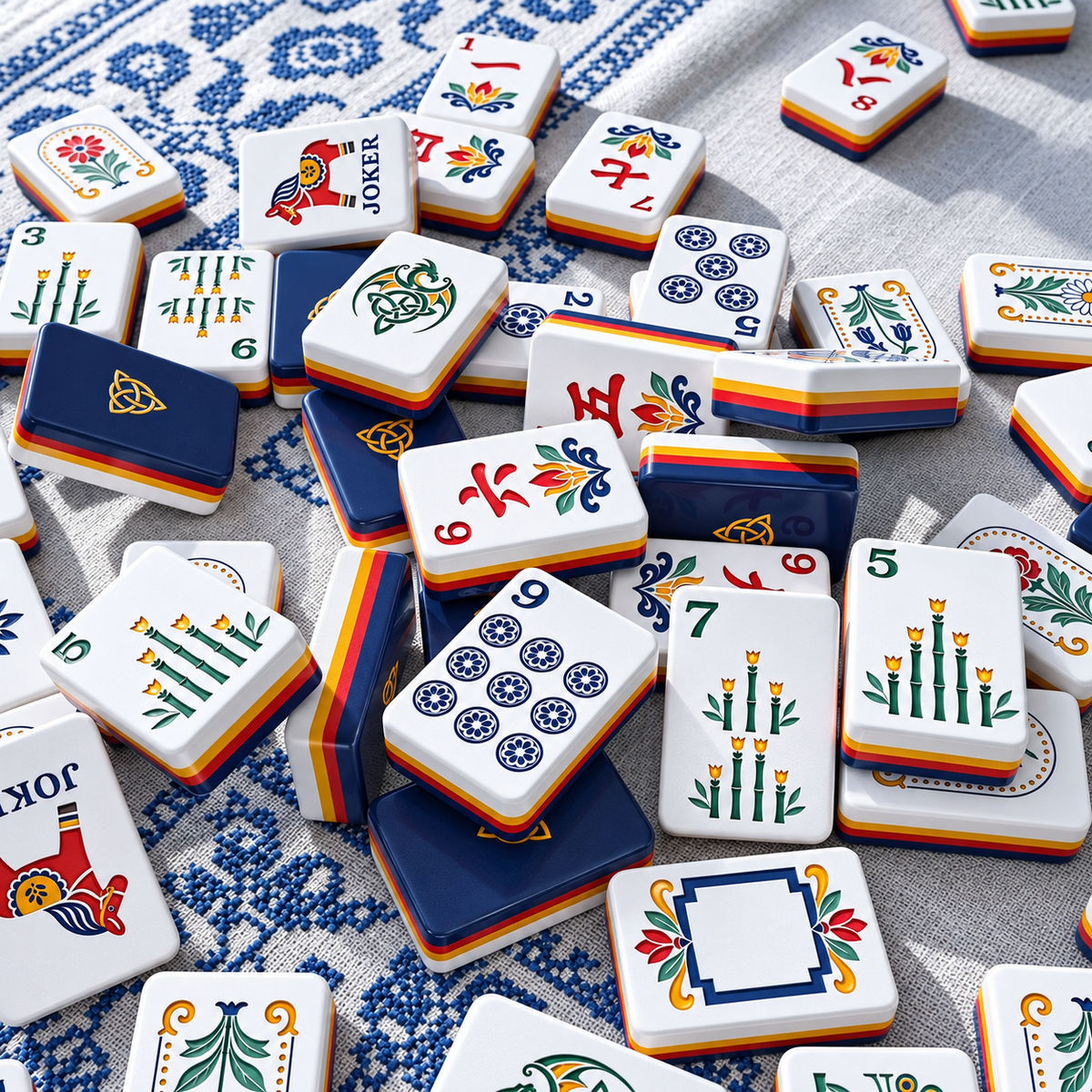
The 6 Crak is a suit tile in American mahjong, part of the Crak (or Crack) suit alongside tiles numbered 1–9, with four identical copies in every 152-tile set. In American play, the 6 Crak cannot stand alone or form sequences (chows)—it only belongs in exposed pungs (three identical 6 Craks), kongs (four), quints, or sextets, or as part of a hidden hand. The Green Dragon is also associated with the Crak suit, but the 6 Crak itself is a number tile with no special power. When you see a 6 Crak on the National Mah Jongg League card, it typically appears in combination with other numbers (like a 5-6-7 visual reference in some patterns) or as part of a pair or meld. Every hand written on the current year's card defines which 6 Craks count; learning to spot them quickly on the card is a core table skill. Whether you're building a complete American mahjong set or joining a weekly game, recognizing suit tiles like the 6 Crak keeps your calls clean and your winning hand valid. 🀄 Shop best-selling mahjong sets →
Why does the 6 Crak exist as a tile?
American mahjong inherited the three-suit structure from traditional Chinese play. The Crak suit represents coins, bamboo, or a connected rank in classical games. Each suit runs 1–9, and four copies of each number form a balanced draw. The 6 Crak, sitting in the middle of that 1–9 range, appears in roughly equal frequency as any other number tile during play. Beginners often ask why we have 36 tiles per suit instead of one or two—the answer is that four copies per number let all four players draw the same tile in a single game, and the extra copies fill the hand without duplicating a hand structure. The 6 Crak is neither rare nor special; it's a workhorse tile.
What hands include the 6 Crak on the card?
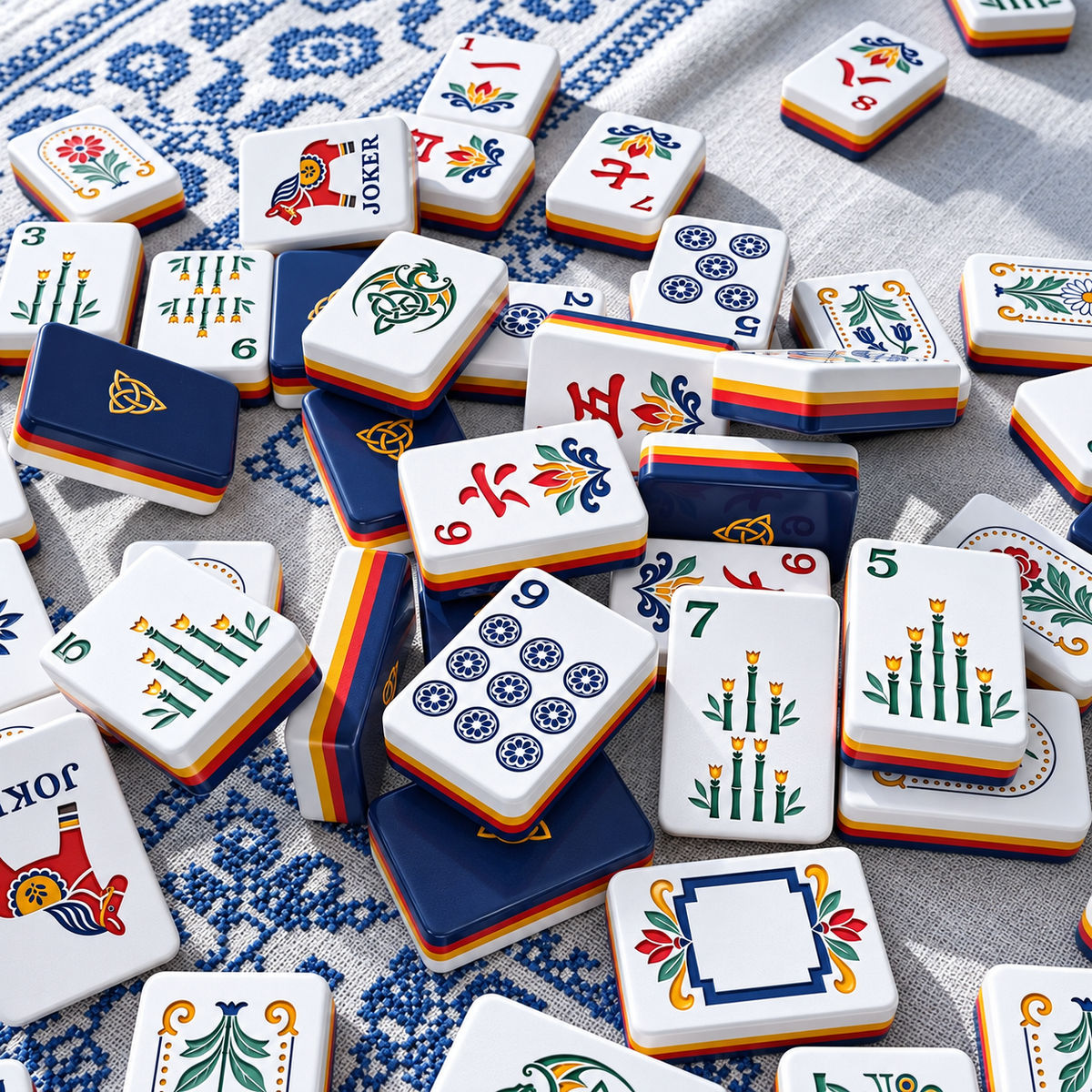
The National Mah Jongg League card rotates yearly and contains hands organized by tile value, suit, and type. Rather than listing specific hands here (the card is copyrighted), we can note that the 6 Crak appears in sections marked by number patterns, like "Like Numbers" (where all tiles in a hand are the same number across suits), "Consecutive Run" (where numbers 1–9 appear in order within a suit), and "Pair hands" (where a matched pair sits above other melds). To find hands that use the 6 Crak, open the current season's card and scan the left margin or numbered rows—any hand calling for a 6 Crak in the Crak suit will show that tile explicitly. Newer players often struggle reading the card; mastering how to read the card eliminates guessing and speeds up your calls at the table.
🎁 See our most-loved mahjong sets & accessories →
How do you use a 6 Crak in a meld or hand?
In American mahjong, the 6 Crak follows one rule: it can only appear as part of an identical group (pung, kong, quint, or sextet) or hidden in your hand. You cannot lay down a sequence like 5-6-7 Craks or mix it with different numbers in an exposed meld. If your hand calls for three 6 Craks, you expose all three face-up on the table; jokers can substitute for any of those three. If a hand needs a 6 Crak as part of a pair (two identical 6 Craks), you hold both in your hand until you win. A joker can never replace the 6 Crak in a pair, but it can fill a spot in a pung or larger meld. The key mistake: thinking the 6 Crak can mix with 5 Craks and 7 Craks in a line. It cannot. Only identical tiles group together in American play. Understanding this distinction separates confident players from hesitant ones—when you have three 6 Craks and your hand card shows a pung of that tile, you call it without doubt.
Why do beginners confuse the 6 Crak with other tiles?
New players often mix up the 6 Crak with the 6 Bam or 6 Dot because all three share the number 6 but belong to different suits. Each suit has its own symbol: Craks show a connected pattern (historically coins), Bams show a bamboo design, and Dots show circular pips. On a modern acrylic set from our best-selling collection, these symbols are clearly printed or engraved, making identification quick. The confusion grows when a hand calls for "any 6," meaning a 6 from any suit—in that case, a 6 Crak, a 6 Bam, and a 6 Dot all count equally. Seasoned players scan the hand card first, then the board, then their rack to match. Beginners sometimes reverse the process, grabbing a tile first and then checking the card, which costs time and confidence. The remedy: always read the card before you reach for tiles. Asking "What suit?" when you're uncertain is better than laying the wrong tile.
What tiles pair with the 6 Crak?
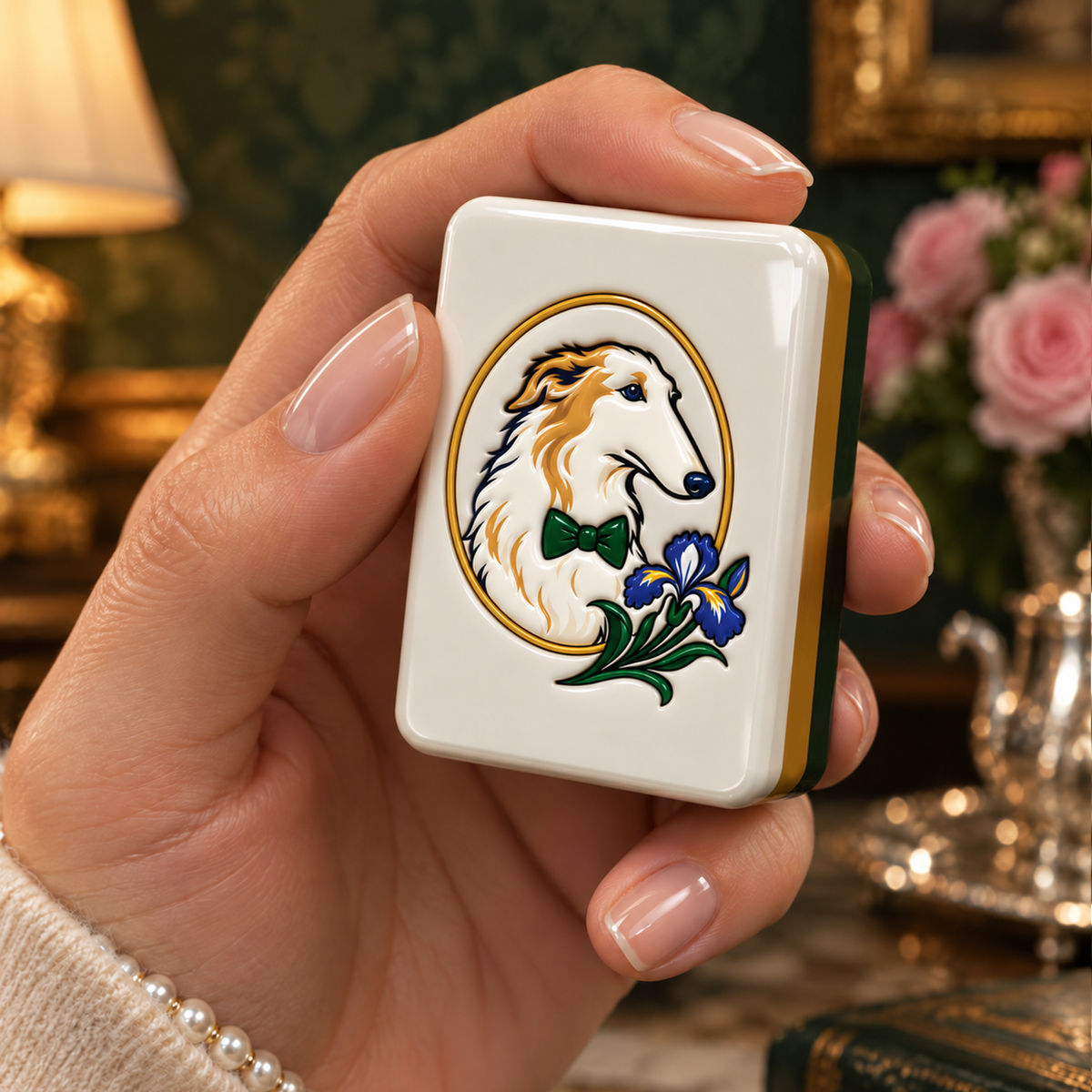
In any winning hand that includes a 6 Crak pair, that pair—two identical 6 Craks—sits separate from all melds and stays hidden in your hand until you declare a win. A pair is never exposed; it's your secret until you shout "Mahjong!" Only then do you reveal the pair. The 6 Crak pair typically appears in hands where the rest of the melds are all one suit, all one number, or a mix of pungs and kongs. For example, a hand card might show two 6 Craks as a pair, plus four 6 Bams (a pung and a joker), plus five tiles in another configuration. Once you match that exact structure in your rack, you have a valid winning hand. Many hands do not include a 6 Crak pair, so check the card every game rather than assuming. If you're learning American mahjong rules for the first time, the concept of a hidden pair is often the biggest mental shift—it's the one meld opponents never see until you win.
How does the 6 Crak fit into the whole set?
A complete American mahjong set contains 152 tiles: three suits (Bams, Craks, Dots) with numbers 1–9 and four copies each (36 per suit, 108 total), 16 winds (four each: North, East, West, South), 12 dragons (four each: Red, Green, White), 8 flowers, and 8 jokers. The 6 Crak is one of four identical 6 Craks in that 152-tile pool. Why four copies? Because in any given game, all four players may need the same tile, and the deck also discards tiles that are no longer playable. The 6 Crak appears with roughly the same frequency as the 6 Bam or 6 Dot—no tile is weighted or hidden. When you buy a set from Mahstead, every 6 Crak is identical to every other 6 Crak, with consistent sizing, weight, and finish so table play stays fair and smooth. If you're building a new set for a regular game, knowing that a full 152 tiles includes all four 6 Craks ensures you never run short or have an incomplete deck.
✨ Find your Mahstead set — free US shipping →
A Quick Comparison: Suit Tiles at a Glance
Tile | Suit | Count per Set | Common Role | Looks Like |
6 Crak | Crak | 4 | Pung, kong, or pair | Coin/connected pattern |
6 Bam | Bam | 4 | Pung, kong, or pair | Bamboo or stick pattern |
6 Dot | Dot | 4 | Pung, kong, or pair | Six circular pips |
Green Dragon | Crak suit | 4 | Pung, kong, or pair | Green square or letter |
White Dragon | Dot suit | 4 | Pung, kong, or pair | Blank square (Soap) |
Red Dragon | Crak suit | 4 | Pung, kong, or pair | Red square or letter |
Key takeaway: Suit tiles like the 6 Crak are interchangeable in structure but must match exactly in an exposed meld. Jokers can substitute for any of them in groups (never in pairs).
What to Check Before You Buy
Set completeness: Verify your set includes four 6 Craks (and four of every other number tile). A full 152-tile set guarantees this.
Card season: Confirm you have the current year's National Mah Jongg League card before playing. An old card may not match your tiles.
Tile clarity: Ensure the 6 Crak symbol is legible and distinct from 6 Bams and 6 Dots. Engraved or printed symbols reduce confusion.
Table space: Reserve room for your racks, exposed melds, and the discard pile. Crowded tables slow down tile recognition.
🀄 Shop best-selling mahjong sets →
FAQ
Can the 6 Crak form a sequence like 5-6-7 in American mahjong?
No. American mahjong has no exposed sequences (called chows in other variants). The 6 Crak only groups with identical 6 Craks in pungs, kongs, or larger identical melds. A 5-6-7 pattern is never exposed on the table.
If I hold three 6 Craks and a joker, can I use the joker as a fourth 6 Crak?
Yes. A joker can substitute for any tile in a pung, kong, quint, or sextet. Three 6 Craks plus one joker equals a valid four-tile kong. The joker acts as a fourth 6 Crak in that meld.
What's the difference between a 6 Crak and a Crak 6?
No difference—both names refer to the same tile. Some players say "6 Crak," others say "Crak 6." The order is a matter of habit, not rule. The suit name (Crak) and number (6) identify the tile.
Is the 6 Crak rarer or more common than other tiles?
The 6 Crak is no rarer or more common than any other number tile (1–9) in its suit. All 36 suit tiles (four copies each of 1–9 across three suits) appear with equal probability in a well-shuffled game.
How do I know which hands on the card include a 6 Crak?
Open the current season's National Mah Jongg League card and look at the hand patterns. Any hand showing a 6 in the Crak column includes a 6 Crak. Sections like "Like Numbers," "Pair Hands," and consecutive runs may contain the 6 Crak depending on the year's card.
Can I use a Green Dragon instead of a 6 Crak?
No. The Green Dragon and 6 Crak are separate tiles. The Green Dragon is associated with the Crak suit but is not interchangeable with any number tile. Only a joker can substitute for a 6 Crak within a valid meld.


View More
View More
View More
