
1 Bam Mahjong Tile: Meaning, History & Why It Matters
Last updated: Nov 20, 2026
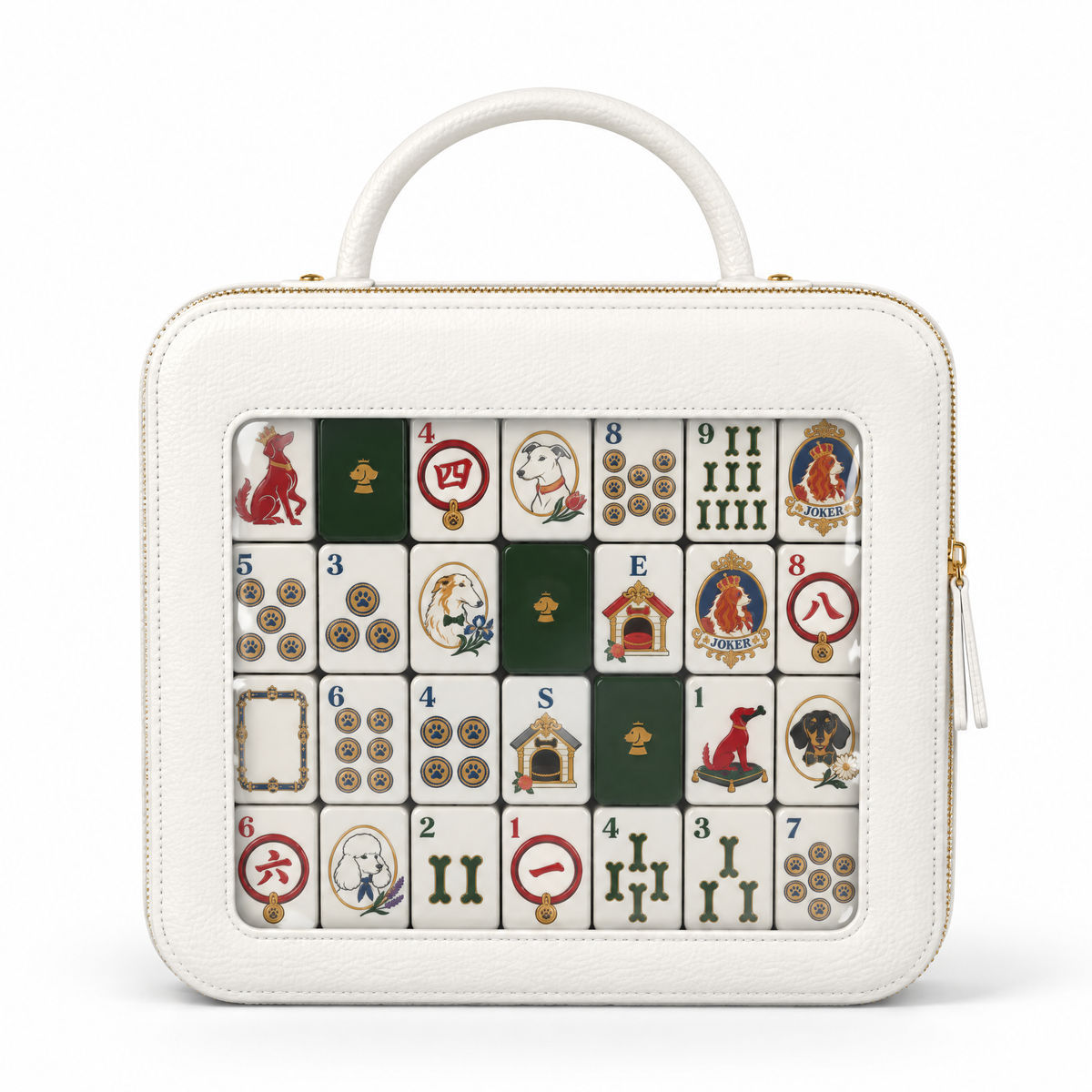
The 1 Bam is the first tile in the Bamboo suit and uniquely displays a bird rather than the numeral "1." In American mahjong, you'll see it marked as "1 Bam" on the National Mah Jongg League card and recognize it immediately by that bird image. It ranks lowest in its suit and combines with other Bams (2–9) to form melds. Like all numbered tiles in American play, the 1 Bam exists in four copies within a standard 152-tile set. When you're reading hands on the card or calling your discards, the 1 Bam behaves identically to the 1 Crak or 1 Dot—except for its suit-specific color and that memorable bird. Knowing the 1 Bam by sight, not number, saves confusion in fast-paced games and helps beginners learn suit recognition before memorizing numeric values.
The 1 Bam tile is often the first tile newcomers learn to identify, precisely because of that bird. Let's break down what it is, why it matters, and how to use it confidently at your table.
Why is the 1 Bam shown as a bird, not a number?
Mahjong tiles evolved from Chinese playing cards centuries ago, and the bird on the 1 Bam reflects that heritage. Early tile designs used pictorial symbols; the 1 Bamboo became a bird—often a crane or sparrow—rather than written numerals. This visual distinction made tiles readable at a glance in dim light and across noisy rooms. Today, American sets retain this tradition, and the bird is the fastest way to spot the 1 Bam during the Charleston or when building your hand. Players who recognize tiles by picture first, number second, read hands faster and call melds with confidence.
🀄 Shop best-selling mahjong sets →
What role does the 1 Bam play in American mahjong hands?
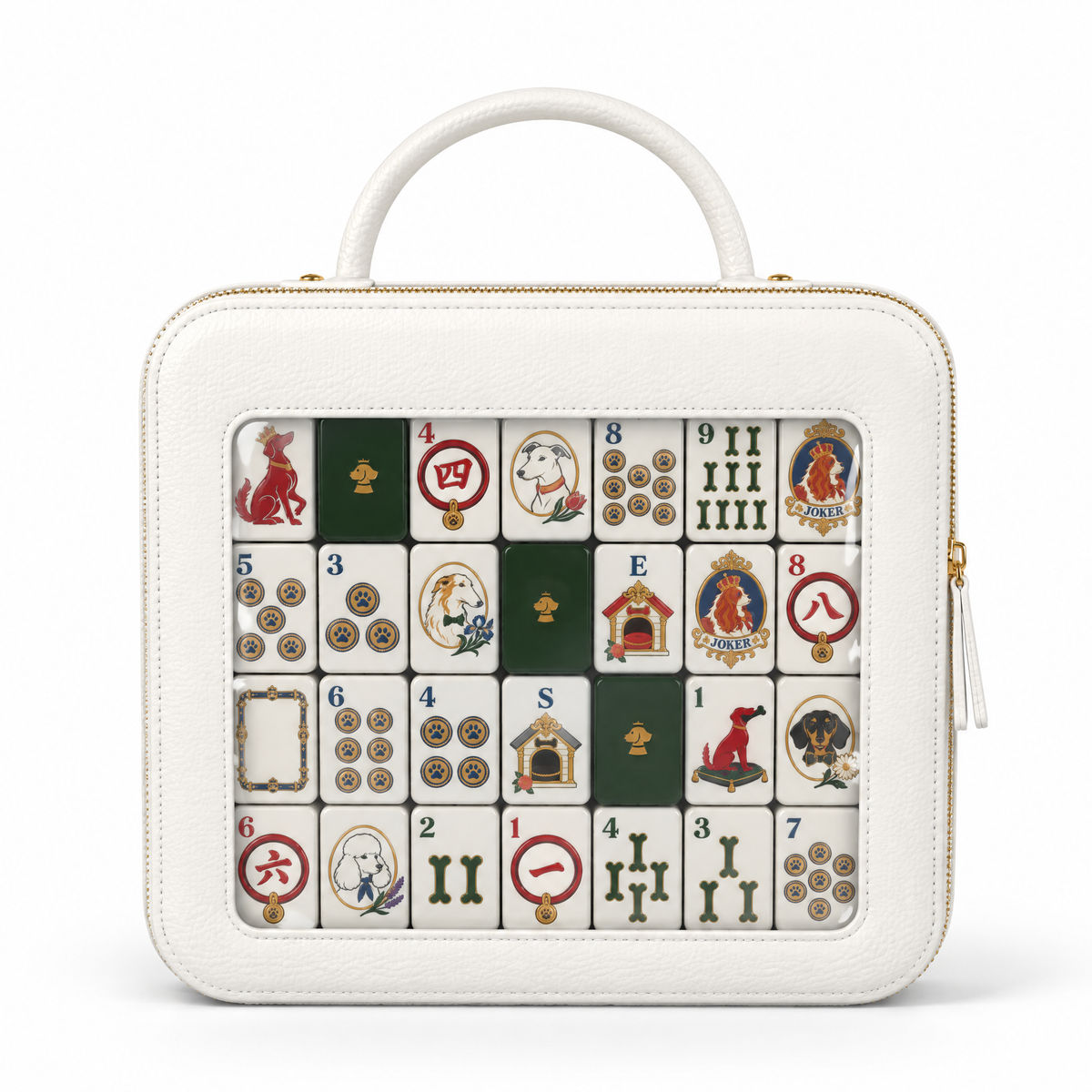
The 1 Bam functions as any other number tile in hand building. It can form a pung (three identical 1 Bams), a kong (four 1 Bams), or a longer run-like set on the card if the 1 Bam appears in a pattern. On the current year's National Mah Jongg League card, certain hands may require a "1 Bam pair" or include it in a larger combination. You cannot use it in a sequence (chow) in American mahjong—only in groups of identical tiles, with or without joker substitution. The 1 Bam is also frequently a discard early in play because players prioritize building higher-value melds first. Keeping a 1 Bam in your hand late-game signals to opponents that you're still working on a specific hand from the card.
How do you tell the 1 Bam apart from other suit tiles?
The Bam suit uses a specific color—typically green or a bamboo-inspired shade depending on the tile material and set design. The bird distinguishes it from the 1 Crak (which shows a numeral or symbol for the Crack suit) and the 1 Dot (shown as a single pip or dot). If you're using acrylic tiles, the color band and the bird image together make the 1 Bam unmistakable. Newer players sometimes confuse the 1 Bam with the 1 Crak at first glance, especially under poor lighting, so handling tiles before your game starts and walking through the suits builds muscle memory. Many of our players engrave their initials or house name on their sets, which reinforces tile recognition because custom designs often clarify suit colors and imagery.
What's the difference between 1 Bam and other numbered tiles?
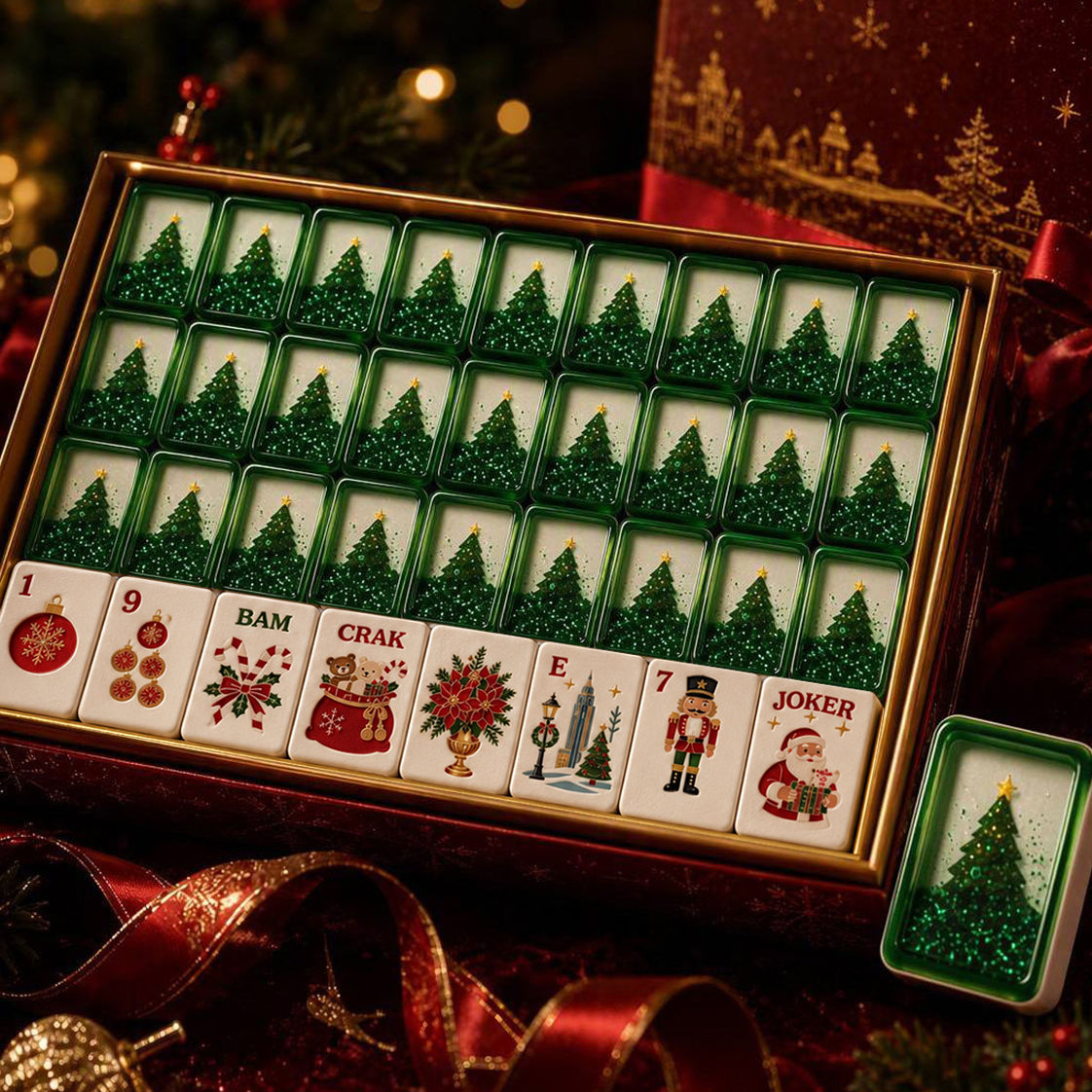
The 1 Bam stands alone because of its bird image. The tiles 2 through 9 in every suit display numerals or matching pips (e.g., 2 Bams shows two bamboo stalks, 5 Dots shows five pips). This consistency means once you learn the 1 Bam's bird, all other tiles follow a pattern: you simply count symbols or read numbers. The 1 Bam's exception makes it memorable, and that's intentional. Older players sometimes call it the "bird" casually to newcomers, and that shorthand speeds teaching. The bird also serves as a mental anchor: when someone says "bird," every player at the table knows they mean the 1 Bam, never a flower or special tile.
When should you keep or discard the 1 Bam?
Early in a round, discard the 1 Bam unless your hand card shows a specific pattern requiring it. Most hands don't call for 1 Bams, so holding it ties up valuable space and signals weakness to opponents. Mid-game, if you're building a hand that uses a 1 Bam pung or a specific combination from the card, keep it—but only if you have a clear path to winning. Late-game, holding a 1 Bam (especially unprotected, without a joker) is risky; opponents will recognize your hand and discard accordingly. The exception: if you're one tile away from mahjong and the card requires a 1 Bam pair or final set, hang on and hope for that winning tile. Always reference the current year's card to confirm whether your hand includes the 1 Bam; if it doesn't, discard confidently.
Quick Reference: When to Keep the 1 Bam
Situation | Action | Why |
Early round, no 1 Bam on your card | Discard immediately | Frees space for higher-value melds |
Mid-game, 1 Bam pung in your hand card | Keep if you have 2+ of them | Signals specific hand type, harder to read |
Late-game, need 1 Bam to win | Hold it; protect with joker if possible | One tile away from mahjong |
Holding 1 Bam, no card use visible | Discard to opponents' first discard | Prevents hand telegraphing |
🎁 See our most-loved mahjong sets & accessories →
What should you check before you buy a new set?
When shopping for a mahjong set, verify that the 1 Bam tile is clearly printed or engraved with a bird image—not a numeral or blurred design. Poor-quality sets sometimes obscure the bird, forcing you to read the tile label or count pips instead of recognizing it instantly. If your set is engraved with your name or design, confirm that the bird remains visible and large enough to spot during fast play. Acrylic tiles offer crisp, color-blocked suits and bold bird imagery; inspect samples or photos before ordering. Request that the seller confirm the 1 Bam design matches the current standard before purchase. A good mahjong mat with clear tile-holding grooves also helps you display and organize tiles so the 1 Bam's bird image faces clearly toward you. If you're new to the game, start with a best-selling set designed for durability and clarity—tile legibility directly affects your learning speed and game enjoyment.
✨ Find your Mahstead set — free US shipping →
For deeper context on how all tiles fit together, see our guide to what's in an American mahjong set. If you're just starting, our beginner guide walks you through tile recognition and first games. And learning how to read the mahjong card will show you exactly where the 1 Bam appears in real hands—so you'll spot it and understand it in context.
FAQ
Why does the 1 Bam have a bird instead of the number 1?
The bird is a historical carry-over from Chinese card games. It made tiles readable at a glance and became the standard. Today it's the fastest way to identify the 1 Bam in play.
Can I use the 1 Bam in a sequence (chow)?
No. American mahjong allows only identical-tile groups (pungs, kongs, quints, sextets) and pairs. Sequences don't exist in American play, so the 1 Bam works only in groups of identical 1 Bams.
What if my set's 1 Bam tile is unclear or faded?
Replace the tile if possible, or label it discreetly on the underside with a marker. Clarity during play prevents disputes and keeps the game moving smoothly.
Is the 1 Bam tile worth more points than other numbered tiles?
Not in standard American scoring. The 1 Bam counts identically to any other numbered tile; hand value comes from hand pattern rarity, not tile values.
How many 1 Bam tiles are in a complete mahjong set?
Four. Every standard American set contains four copies of each numbered tile (1–9) in each suit, so exactly four 1 Bams total.
What color is the 1 Bam tile?
Green or a bamboo-inspired shade, depending on the set design. The bird and color together distinguish it from the 1 Crak and 1 Dot.


View More
View More
View More
