
American Mahjong Joker Strategy: When to Use, When to Hold
Last updated: Nov 20, 2026
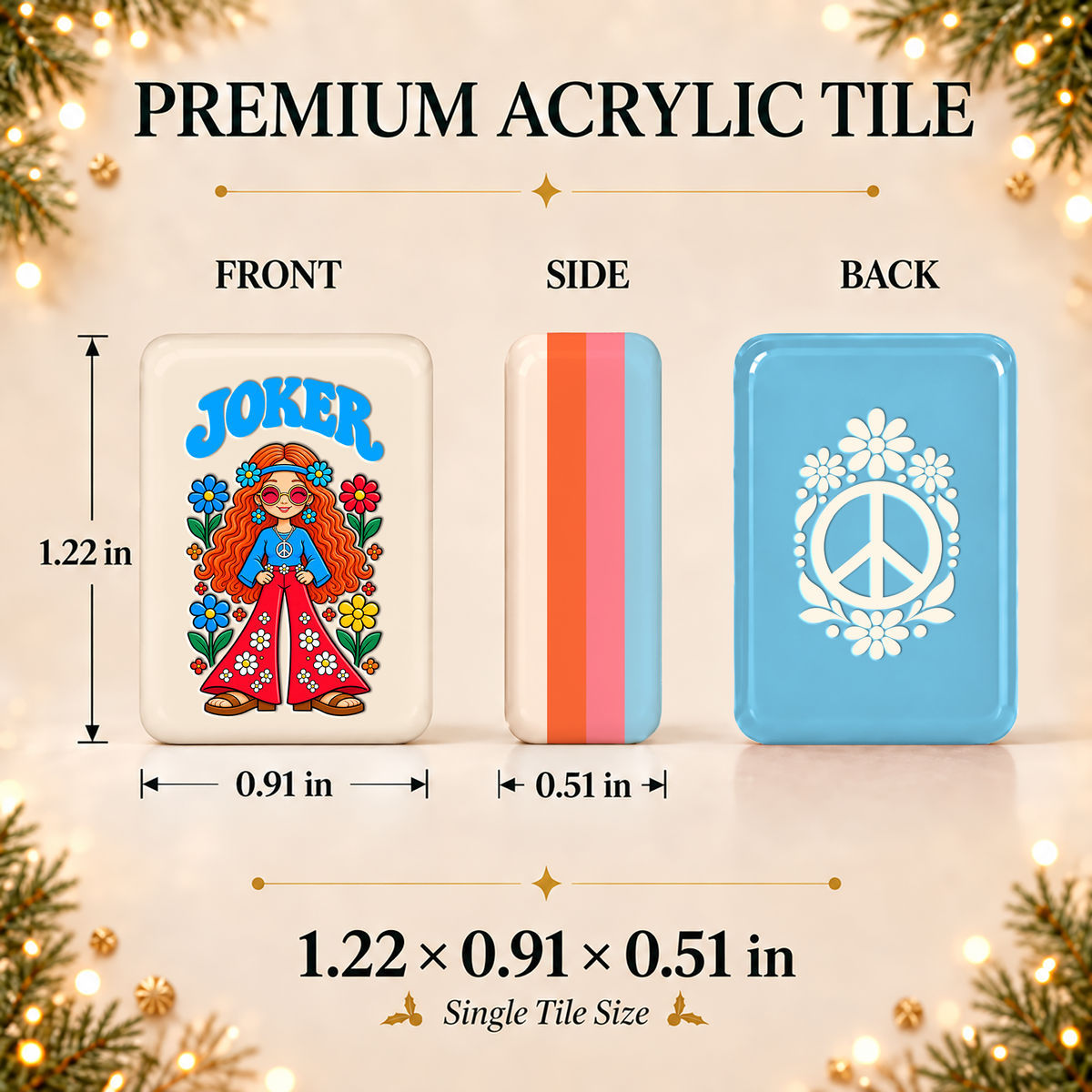
In American mahjong, you have 8 jokers to use across your entire hand: they substitute for any single tile within a pung (3), kong (4), quint (5), or sextet (6)—never as a single tile or in a pair. The core strategy is calculating tile cost (how hard a tile is to obtain vs. how many points it earns) and reserving jokers for high-value hands on the National Mah Jongg League card. Never use a joker on a common tile like 5 Dot that appears in many hands; save them for rare tiles (terminals, dragons, winds) that unlock expensive combos. Check the current year's card; if a hand requires three 1 Craks and you have only two real ones, a joker fills the gap—but only if that hand scores higher than your alternatives. New players waste jokers on low-point hands early and run dry mid-game; experienced players count remaining jokers, watch discards to predict opposing hands, and hold jokers in reserve until a clear winning hand emerges. Learn how jokers work in detail, then layer this strategy on top. 🀄 Shop best-selling mahjong sets →
Why isn't using jokers always the right move?
Jokers feel like a "use it or lose it" resource, but deploying one early on a mediocre combination locks you out of better hands later. You have only 8 jokers across 14 tiles; mathematically, you cannot afford to waste even one. If you expose a pung with a joker when you could have drawn a real tile next turn, you've reduced your flexibility. The real win comes from delaying exposure until you're certain a hand scores higher than your alternatives on the card—or until you run out of tiles and must commit.
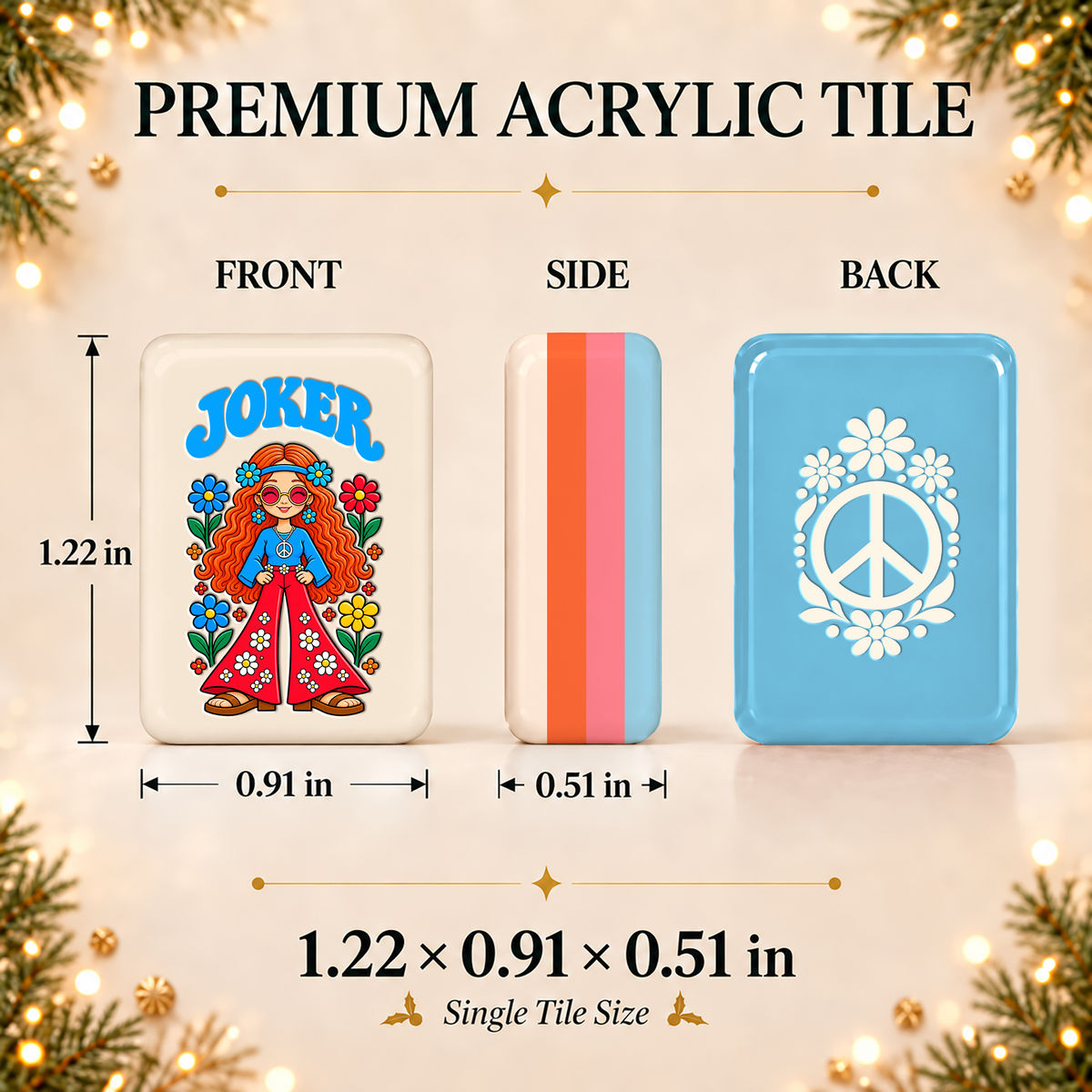
How do you measure if a hand is "worth" a joker?
Compare the hand's point value (look it up on the current NMJL card) against two things: the probability you'll draw the missing tile naturally, and the risk of being stuck with an incomplete hand if you don't expose it. High-value hands (8+ points) with rare tile requirements—like consecutive winds or matching dragons—almost always justify a joker. Low-value hands (3–5 points) rarely do, unless you're one tile away from meld and the discard pile shows that tile is gone. A practical rule: if the hand scores less than your other open options, hold the joker. If it's the only path to a win, use it. Keep a mental or written tally of which hands on the card give 8+ points; those are your joker-eligible candidates.
What's the biggest mistake players make with jokers?
New players expose pungs with jokers too early, trying to "lock in" progress. Experienced players see the card, calculate that you've committed to a low-value hand, and adjust their discards accordingly—they know you'll struggle to upgrade. The bigger trap: using a joker on a terminal or dragon in the first half of the game, then realizing mid-game that a completely different hand (one using two of those same rare tiles) scores 10 points instead of 6. Always scan the entire card before exposing anything. If the same rare tile appears in multiple hands at different point levels, reserve your jokers for the highest-scoring combo. Second biggest mistake: forgetting that jokers cannot appear in a pair. Players sometimes think, "I have one real 1 Bam and one joker—that's a pair"—wrong. A pair must be two identical real tiles. This means certain hands requiring a pair plus a pung are impossible if you lack two real copies of the pair tile.
🎁 See our most-loved mahjong sets & accessories →
When should you hold jokers in reserve instead of using them?
Hold jokers when:
You have multiple incomplete hands on the card (2+ options, each missing one or two tiles).
The discard pile shows the missing tile is still in play (no one has discarded it yet).
The game is in the first half, and you have time to draw naturally.
Your current hand scores ≤5 points; wait for a higher-value combo to emerge.
Use a joker when:
You have one clear winning hand and are one tile away.
The missing tile is high-risk (rare terminal, dragon, or wind matching no other hand you can play).
The hand scores 8+ points, and jokers are your only path to it.
Late in the game (13+ tiles exposed across the table), and you need to commit.
A worked example: You're holding 5 Bams (two real, need one more), 3 Craks (one real, two jokers), and a 1 Bam pung (all real). The card shows a 5-point hand using 5 Bams pung + other tiles, and a 9-point hand using the 1 Bam pung + two different rare winds. The 1 Bam hand is already complete (all real); the 5 Bam hand needs one more tile. You have only 2 jokers left. Hold the jokers—the 1 Bam hand is a guaranteed 9 points. Draw one more tile; if you get a 5 Bam, expose the pung without a joker. If not, you've kept your jokers dry for a true emergency (e.g., a hand requiring three different rare tiles).
How do you adapt joker strategy when opponents are close to winning?
Watch what tiles opponents discard and expose. If you notice one player has exposed two pungs already and is holding only four tiles, they're one meld away from calling "Mahj." At this point, joker strategy shifts from maximizing your score to blocking their win. If you have a joker and sense an opponent's hand, use it on any pung or kong that ties up a tile they need—even if it's a low-point hand for you. The cost of letting someone else win (you score zero) outweighs the benefit of saving a joker for a 6-point hand. Additionally, count the jokers remaining in play: if three are already exposed and five remain, the deck is joker-heavy, which means rare tiles are more likely to be covered by jokers elsewhere. Adjust by being more conservative with your own joker use early, knowing substitutes are available if you hit a bottleneck late.
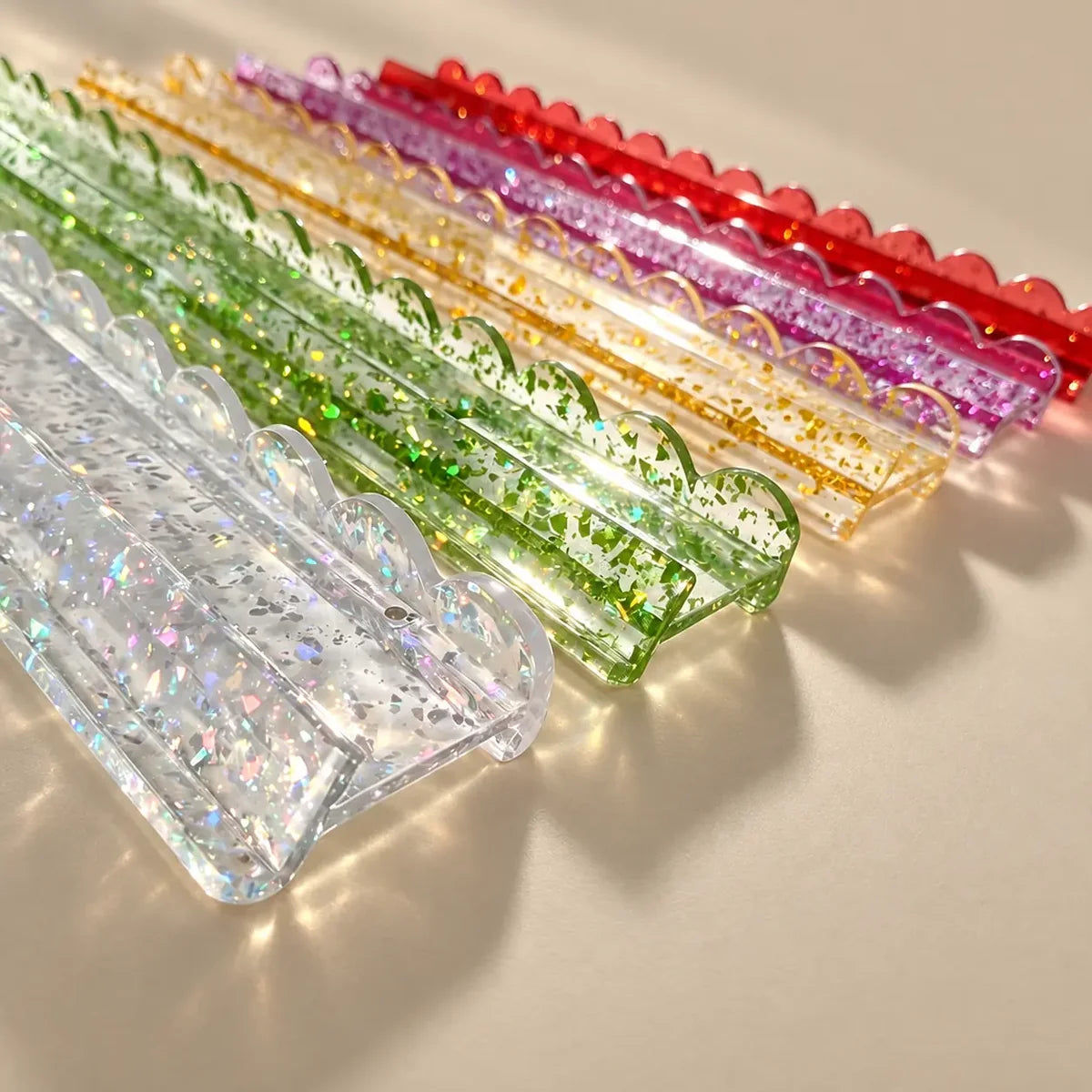
Joker strategy also hinges on set quality and visibility. When tiles are crisp and easy to read on a good mat, you spot jokers and real tiles instantly—no fumbles, no miscounts. This clarity lets you make faster, smarter decisions under pressure. Our best-selling mahjong sets come with clear acrylic tiles and easy-to-read characters; pairing them with a quality mahjong mat gives you the visibility edge to execute joker strategy perfectly.
What's the difference between American joker rules and other mahjong variants?
In American mahjong, jokers are wildcards tied strictly to closed melds (pung, kong, quint, sextet) and never appear in pairs or as single tiles. Chinese, Hong Kong, and Riichi mahjong often have no jokers at all, or use them differently—sometimes as flowers with special scoring rules, sometimes not at all. Japanese Riichi requires you to declare your hand early and cannot change it; no joker substitution helps you pivot mid-game. Taiwanese mahjong allows both sequences (chows) and joker substitution, giving you more flexibility than American rules allow. The takeaway: if you play multiple variants, American joker strategy is uniquely conservative—you must commit to specific hands on a fixed card, making joker selection a tactical puzzle rather than a fluid decision. This teaches sharper planning and tile-counting discipline.
✨ Find your Mahstead set — free US shipping →
Quick Joker Decision Checklist
Before the game: Print or memorize the 8+ point hands on this year's card; mark which ones use rare tiles.
On your turn: Count real tiles + available jokers. If jokers outnumber real tiles for a combo, skip it.
Before exposing: Scan the card for other hands using the same rare tiles at higher point values. If yes, hold the joker.
When an opponent nears Mahj: Shift from maximizing your score to blocking theirs. Use jokers defensively if needed.
In the last 8 tiles: Commit jokers to your best hand. Holding them past this point is usually a mistake.
Scenario | Joker Call | Why |
Two 1 Craks real, one missing; hand scores 5 points | Hold joker | Low points; draw more. |
Three winds in pung, all rare, hand scores 9 points | Use joker if needed | High points justify the cost. |
One real 5 Bam, one real 5 Dot, one joker; no other hand available | Use joker | Last resort; it's your only path. |
Three jokers left; opponent has 5 tiles showing + 2 in hand | Use joker defensively | Block their win > maximize your score. |
Quint (5 tiles) with one joker; alternative pung (3 tiles) all real | Expose the pung first | Preserve joker for higher-risk combinations. |
What to check before you buy your next set
Before investing in a new set or upgrading your current one:
Tile visibility: Can you spot jokers instantly from across the mat? Clear acrylic and high-contrast printing prevent costly misreads.
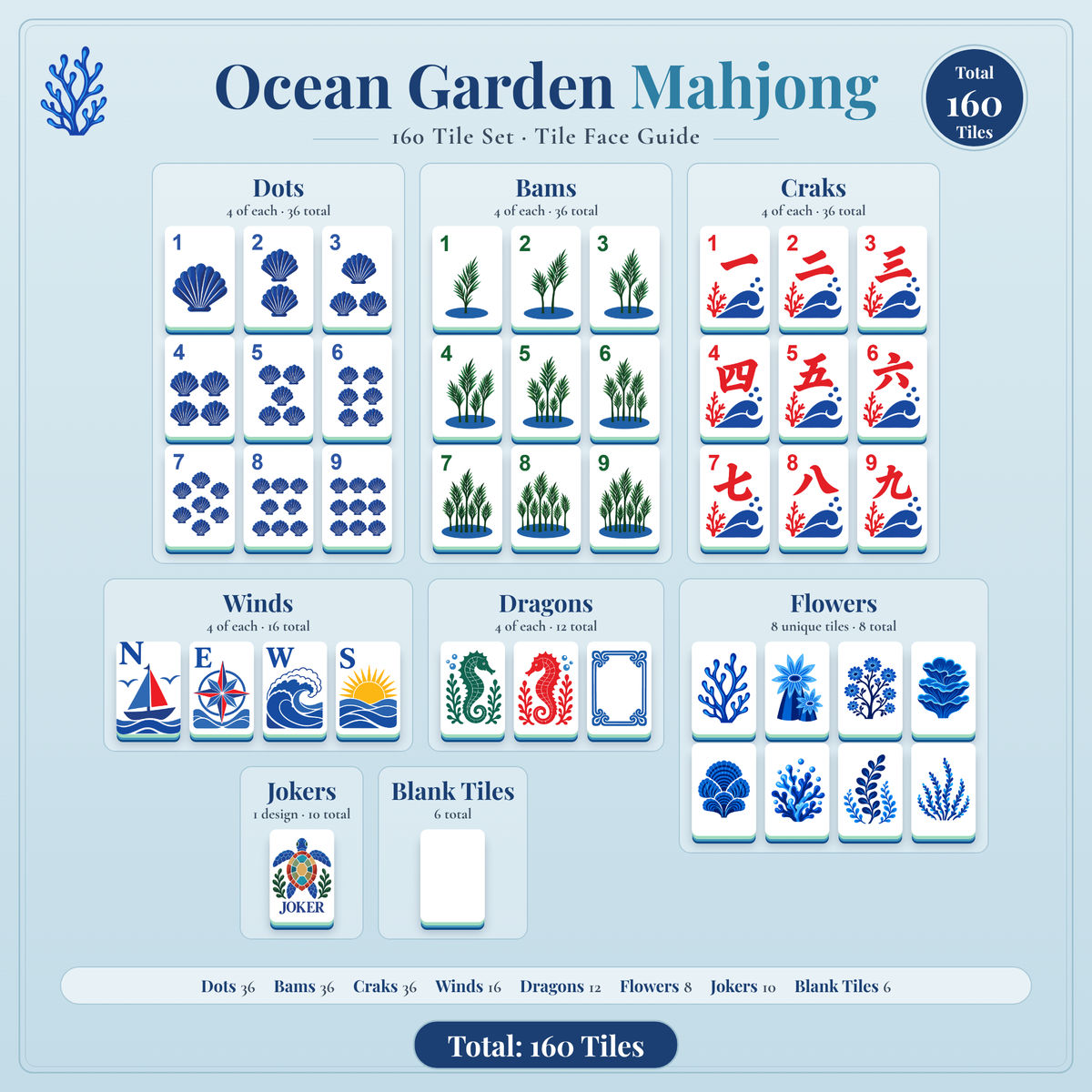
Joker count: A 160-tile set includes enough jokers for standard play; check that your current set isn't missing any.
Tile condition: Worn or faded tiles make it harder to count and plan. If your set is over five years old and sees weekly play, replacement tiles or a fresh set may pay for itself in fewer mistakes.
Mat quality: A skid-resistant, easy-to-read mat lets you execute strategy faster. Poor mats cause tiles to slide, breaking your mental tally.
FAQ
Can I use jokers in a pair?
No. Pairs must be two identical real tiles. Jokers can only substitute within groups of three or more (pung, kong, quint, sextet).
How many jokers do I have in a standard American game?
Eight jokers total. They are distributed across your hand during play; you do not have all eight at once.
If I discard a joker, does that count toward my "8 jokers used"?
Yes. Discarding a joker means you no longer control it. Most players never discard jokers intentionally unless forced to pass during the Charleston.
Is it ever smart to use two jokers in the same pung?
Rarely. It wastes joker utility—you could have separated them across two different melds. Only use two jokers in one pung if you have only one real tile for it and no other hand available.
What happens if I run out of jokers and need to complete a hand?
You cannot complete that hand unless you draw the missing real tile or find an alternative hand on the card using tiles you already have. Plan ahead to avoid this trap.


View More
View More
View More
