
Riichi Mahjong vs American Mahjong: Key Rule Differences
Last updated: Nov 23, 2026
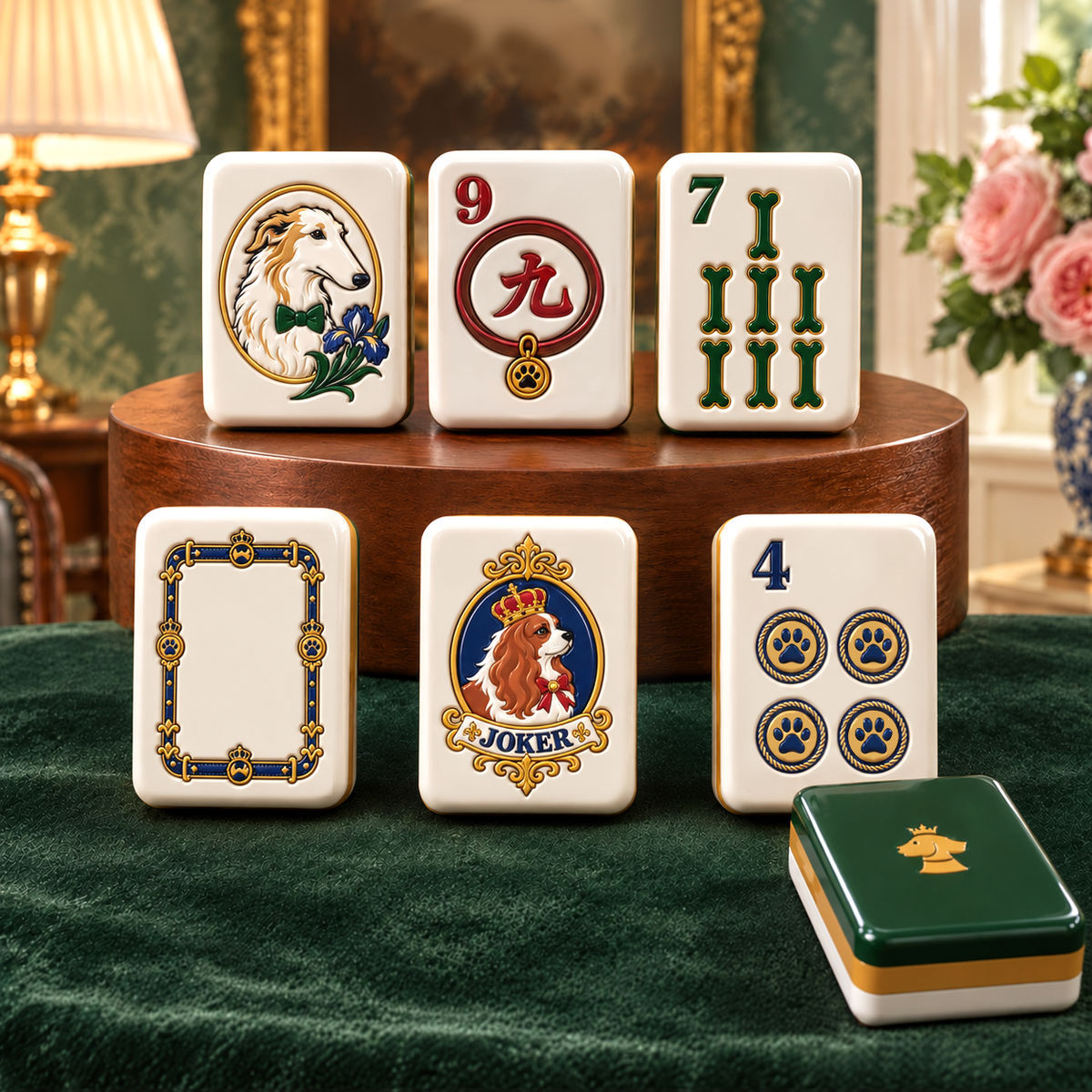
Riichi mahjong (played in Japan and East Asia) and American mahjong are two distinct games played with similar-looking tiles but opposite rule structures. Riichi uses 136 tiles (one set of 1–9 in three suits, four winds, three dragons, no flowers), allows sequences (chows) and sets of identical tiles (pungs), and scores via point multipliers based on winning conditions and closed vs. open hands; a win takes seconds, and rounds rotate. American mahjong uses 152 tiles (with flowers and eight jokers), forbids sequences entirely—only pungs, kongs, quints, and sextets count—and requires all winning hands to match the current year's National Mah Jongg League card; a full game lasts hours. Riichi employs betting; American uses no money. If you play casually with friends in North America, American rules dominate; riichi thrives in tournaments and among Japanese/Asian clubs. Mahstead's 160-tile acrylic sets are built for American play; riichi players typically use a separate 136-tile acrylic set.
Why riichi and American mahjong feel like different games—even though the tiles look alike—comes down to three core differences: hand validity, sequences, and scoring. Both games draw and discard 13 tiles per turn, both use winds and dragons, and both declare a win. But the resemblance ends there. Once you understand these gaps, choosing which variant to learn—or which set to own—becomes clear.
What makes a winning hand different between the two?
In American mahjong, every winning hand must appear on that year's National Mah Jongg League card. The card shows hundreds of legal hand patterns—all combining sets (a pung is three identical tiles; a kong is four) plus a pair. You cannot invent a hand, no matter how logical it feels. In riichi mahjong, a win requires four melds (three tiles each or one four-tile set) plus one pair, but the melds follow riichi-specific rules: a chow (three consecutive tiles like 2–3–4 in one suit) counts; a pung counts; a kong counts. You may never see the exact hand pattern written down—winning hands are generated by rule, not by a published list. This shift means American players must carry the current card to the table; riichi players memorize or learn patterns by play. For a group of two to four people playing once a week at home, American mahjong's card system creates a shared boundary everyone trusts. For tournament or club play, riichi's rule-based approach scales universally.
🀄 Shop best-selling mahjong sets →

Can you use sequences (chows) in both games?
No. This is the hardest mental shift for players switching between variants. In riichi mahjong, a sequence (chow)—three consecutive numbers in the same suit, like 3 Pins, 4 Pins, 5 Pins—is a legal meld. You can call it (claim a discard to complete it and expose it on the table) or keep it concealed. Sequences are essential to riichi hands. In American mahjong, sequences do not exist. A pung must be three identical tiles: 5 Dot, 5 Dot, 5 Dot. You cannot expose 4 Dot, 5 Dot, 6 Dot. This rule removes an entire dimension of strategy. Riichi players must track which numbers are close to your hand and which discarder holds them. American players track suits and numbers but never worry about a next-door tile. If you join an American game and forget this rule, you will feel like sequences "should" work—then watch your hand collapse. When learning how to read the mahjong card, you see only identical-tile sets and pairs; that visual habit trains your brain. This single rule creates two incompatible games.
How does scoring work in each variant?
Riichi scoring is mathematical: points accrue based on the number of melds (triplets) you show, the type of terminal or honor tiles involved, whether your hand was closed (no melds called) when you won, and your wind position (East player scores higher). A hand worth 3,000 points differs radically from 12,000 points. Winners and losers settle after each hand. American mahjong scoring follows the National Mah Jongg League card: each hand pattern on the card carries a fixed point value. You win that value from each opponent (or, in some games, all opponents chip in). There is no multiplier for "harder" plays; a hand either matches the card or it does not. Riichi games involve fast cycles—play a hand, tally points, rotate seats, restart. American games move slower: one hand per round, seats rotate at set intervals (often every game or every hand), and the full game ends when all players return to their starting seat (often 4 rounds). A riichi session lasts 30 minutes to an hour. An American mahjong game typically consumes 2–4 hours. If you play for sport or money, riichi's per-hand settlement fits fast casual play; American's fixed card system suits league-style fairness and long sessions.

Which variant is easier to learn for a beginner?
Riichi has simpler immediate rules: four melds and a pair, sequences allowed, every hand is potentially valid if you follow the pattern. But riichi demands you memorize winning shapes (yaku) and scoring multipliers—a novice faces a steep climb. American mahjong's tile count and jokers seem overwhelming at first—why 152 tiles instead of 136?—but the card removes the guessing: if your hand is on the card, you win; if not, keep playing. Most new American players feel lost for the first 5–10 games, then the card logic clicks and play accelerates. Riichi learners often need 20–30 games before they stop second-guessing hand validity. Neither is "easier" overall; American mahjong frontloads confusion (so many tiles, why jokers?) but rewards players with clarity. Riichi distributes complexity across memorization and pattern recognition. If your group is all beginners, American mahjong's card is a shared referee that prevents arguments; riichi requires someone experienced to validate winning hands. For mahjong for beginners, American rules are more forgiving because the card answers every "is this hand valid?" question.
What equipment do you need to play each variant?
Variant | Tile Count | Jokers | Suits | Key Gear | Best For |
American | 152 tiles | 8 | 3 (Bam, Crak, Dot) + Winds, Dragons, Flowers | Card, mat, racks | Home clubs, leagues, 4-player groups |
Riichi | 136 tiles | 0 | 3 (Pins, Honors) × 4 each | Scoreboard, score sticks | Tournaments, Asian clubs, 4-player groups |
American mahjong requires the current National Mah Jongg League card at the table—printed or laminated; many groups buy a few copies. You need a mahjong mat to protect tiles and organize play (walls, discard zone, player pockets). Racks with pushers hold 13–14 tiles per player and let you sort your hand cleanly. Some players use a bag or case to transport their set—acrylic tiles are durable but heavy. Riichi games use a scoreboard and score sticks (small bamboo or plastic counters) to track points; a mat is optional but common. A 136-tile riichi set is sold separately from American 160-tile sets; we focus on American sets at Mahstead, though our best-selling collection features the classic acrylic American design. If you travel or host regularly, investing in a quality mat and racks transforms the experience—tiles stay organized, plays stay honest, and the game feels official.
🎁 See our most-loved mahjong sets & accessories →
Why do players prefer one variant over the other?
American mahjong appeals to groups that value consistency and long-form social play. You cannot "play a variant" or invent rules halfway through—the card is the law. Games last hours, which suits weekend gatherings, holiday parties, and clubs that meet weekly. The ritual of the Charleston—passing tiles before the first hand—adds ceremony. Riichi attracts players who want faster rounds, higher strategy density, and a connection to Japanese/Asian tradition. Tournament riichi play is governed by international rules (JMJA, EMF) and feels more sport-like. Riichi's scoring system rewards skill: a player who consistently wins big hands outscores one who wins cheap hands. American mahjong neutralizes variance—every hand on the card is equally valid, so skill shows over many games, not within a single hand. If you play once a month casually, American rules work. If you play daily or competitively, riichi fits. If your group is multigenerational (parents, grandparents, kids), American mahjong's slower pace and card-based fairness often feels more inclusive. If your group is young, fast-paced, or Asian-heritage, riichi's speed and tradition resonate. Neither is objectively better—they answer different social needs.
✨ Find your Mahstead set — free US shipping →
What to check before you buy
Game type: Are you joining an existing American or riichi group? Ask which variant they play before ordering tiles. A 160-tile American set is useless for riichi.
Player count: Both are designed for 4 players. Special rules exist for 2 and 3 player mahjong—confirm your group size.
Tile material: Acrylic is loud and slick (great for tournaments, loud for quiet homes). Bone/bamboo is traditional and quieter. Mahstead's acrylic 160-tile sets suit players who host regularly and want easy cleanup.
Card access: For American mahjong, you must own or print the current year's League card. Many groups buy one laminated copy per player.
Hosting gear: If you host, a quality mat and racks with pushers prevent tile damage and speed up play.

FAQ
Can I play American mahjong using riichi tiles and rules?
No. Riichi tiles lack flowers and jokers, and riichi rules forbid sequences—which American mahjong does not use. The tile count and valid hand patterns are incompatible. You need the correct set and card for American play.
How long does one hand take in riichi vs. American mahjong?
One riichi hand takes 5–15 minutes; one American mahjong hand typically takes 20–40 minutes because more tiles are in play, discards are tracked longer, and players consult the card. A full riichi session (8 hands) takes 1–2 hours; a full American game (often 16 hands across 4 rounds) takes 3–4 hours.
Do I need to memorize the American mahjong card?
No. You keep the card at the table and consult it throughout the game. Many players develop familiarity over 20–30 games, but reading it is always allowed. Riichi players must memorize yaku (winning hand patterns) and their point values.
Can a riichi player easily switch to American mahjong?
With effort, yes. The biggest mental hurdles are: sequences do not exist, jokers work differently (never in pairs or single tiles), flowers are included, and the card governs validity. Most riichi players need 5–10 games to feel comfortable.
Which variant is more popular in the U.S.?
American mahjong dominates North America, especially among multigenerational and casual groups. Riichi is popular in Asian communities, college clubs, and competitive circles. American mahjong is the default in North American mahjong leagues and clubs.
What is the National Mah Jongg League card?
A published list of valid hand patterns issued each spring by the League. It contains roughly 70–80 patterns across four categories: Like Numbers, Like Suits, Consecutive Runs, and Honors/Specials. Every winning hand must match one pattern exactly.


View More
View More
View More
