
News Hand in Mahjong Examples: Spot & Score Them
Last updated: Nov 23, 2026
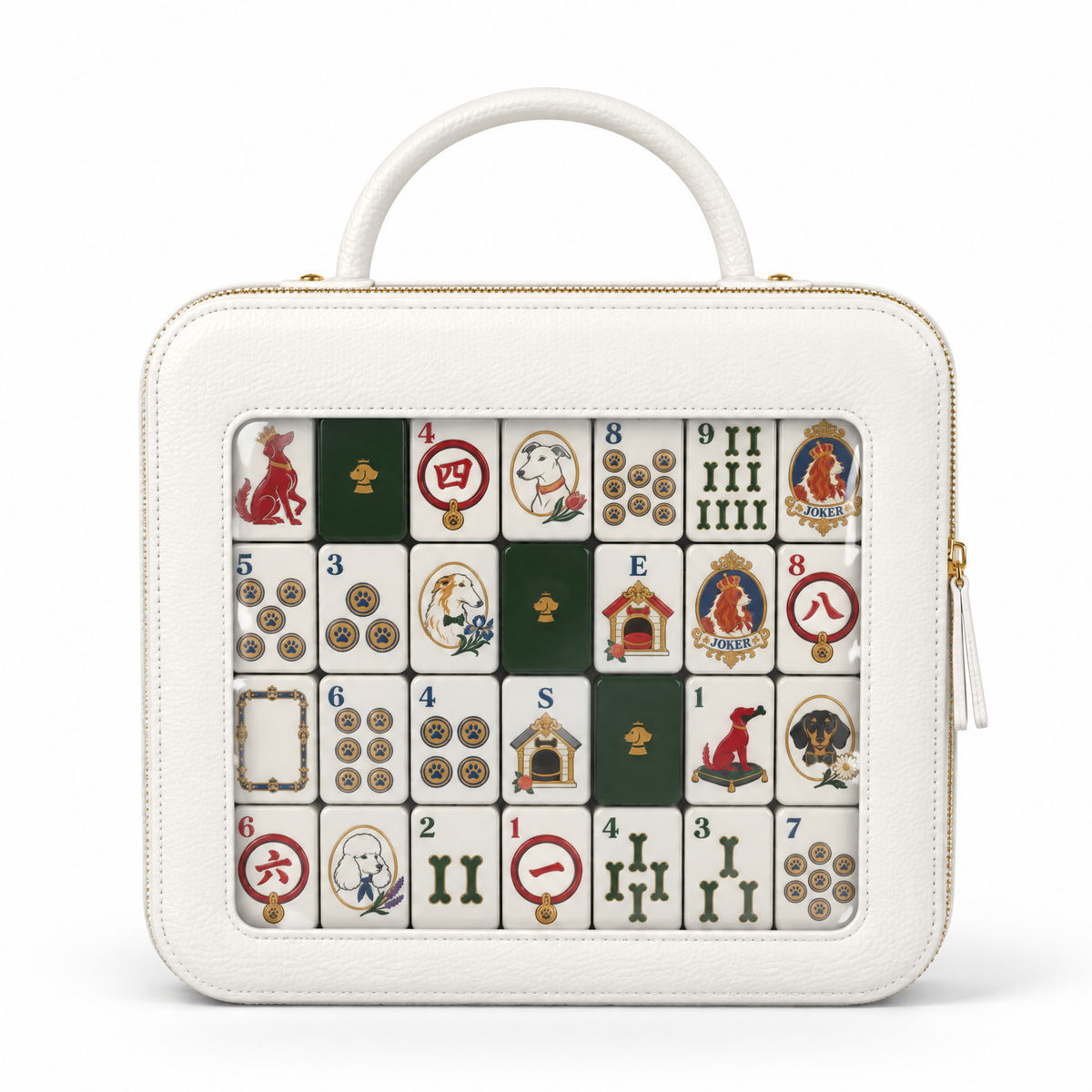
A news hand in American mahjong is a winning hand built from a pair (two identical tiles) plus four melds—each meld being either a pung (three identical tiles), kong (four identical), or joker-filled variant. News hands appear on every annual National Mah Jongg League card and score points when exposed during play or called at win. They can use tiles from one suit only or combine suits; the key rule is that all melds must be identical-tile groups—never sequences like 1-2-3. Jokers can substitute for any tile within a meld, but never form a pair alone or fill a single-tile space. Learning to spot news hands early helps you build tile racks strategically and recognize when opponents are close to winning, making it essential for both beginners and weekly players. 🀄 Shop best-selling mahjong sets →
What exactly is a news hand—and why does it score?
A news hand scores because it follows the National Mah Jongg League card's published patterns for that calendar year. The card lists hundreds of legal winning combinations; a news hand is simply one category on that card. The term "news" doesn't mean brand-new—it's a traditional name for this meld structure. Every season (spring of each year), the League releases a fresh card with updated hands, so what qualifies as "news" changes annually. Once you call "mah jongg," you must declare which card pattern you've matched; the scorer verifies it against that year's card, and if it's legal, your hand wins and scores the listed point value. This rule keeps all players honest and makes the game fair: there's one source of truth, the card.

How do you build a news hand from your tiles?
Start by identifying your pair—two matching tiles, identical in suit and number (e.g., two 5 Dots). Set them aside mentally. Next, sort your remaining 12 tiles into groups of three or four that are all the same tile. For example: three 1 Bams, three 1 Bams, three 1 Bams, and four 1 Bams (or three 1 Bams with a joker in place of the fourth). The joker lets you "complete" a short meld. Once you have a pair plus four such melds, check the current year's card to confirm that exact pattern is listed. If it matches, you're ready to declare. Common news-hand configurations use one suit throughout (all Bams, all Craks, or all Dots) or mix suits while keeping every meld uniform. The fastest way to spot a hand is to color-code your tiles by suit and number as you draw, so identical groups jump out at you.
Can you use jokers in a news hand, and how?
Yes—jokers are essential tools in American mahjong. A joker can substitute for any missing tile within a meld. For example, if you need four 3 Craks but hold only three, a joker fills the fourth spot. However, jokers have strict limits: they cannot be used to form a pair (your pair must be real tiles), and they cannot occupy a single-tile space (used only within melds). If a hand on the card shows a pair plus four melds, and one of those melds is "three tiles + one joker," that's legal. But if the card shows a hand that requires a "single tile," no joker can go there. This constraint forces you to think ahead: do you have enough real tiles to complete the patterns you're targeting, or will you need jokers? Experienced players mentally "reserve" jokers for high-value melds and use real tiles for pairs whenever possible, saving jokers as wildcards for the last tricky meld.
Scenario | Joker Use | Legal? | Why or Why Not |
Four 7 Dots meld (three real + one joker) | Fills missing 4th tile | Yes | Joker substitutes within a meld |
Pair of 2 Bams (one real + one joker) | Joker as half of pair | No | Pairs must be identical real tiles |
Single 8 Crak on the card (no meld) | Joker alone | No | Jokers only work inside melds |
Kong of 4 Craks (all real tiles, no joker) | None needed | Yes | Real identical tiles; joker optional |
What's the difference between a news hand and other hand types?
All winning hands in American mahjong follow patterns from the current year's card, but they differ by structure. A news hand uses a pair plus four identical-tile melds. A "like" hand might use a pair plus four different melds (one pung, one kong, one pair within a larger pattern, etc.—each meld a different tile). A "consecutive" or "sequence" hand uses numbered tiles in order within a suit (though American mahjong does not allow calling or exposing sequences; they exist only in concealed hands or within patterns on the card). A "dragon" or "wind" hand features pairs or melds of dragons or winds as the core. The card itself shows tiny illustrations or abbreviations for each pattern type at the top of each section, so once you learn to read the mahjong card, you'll spot the distinction instantly. News hands are among the most frequent because their structure is simple: find one identical pair, then stack up identical melds. This makes them ideal for learning.
How do you recognize a news hand while you're playing?
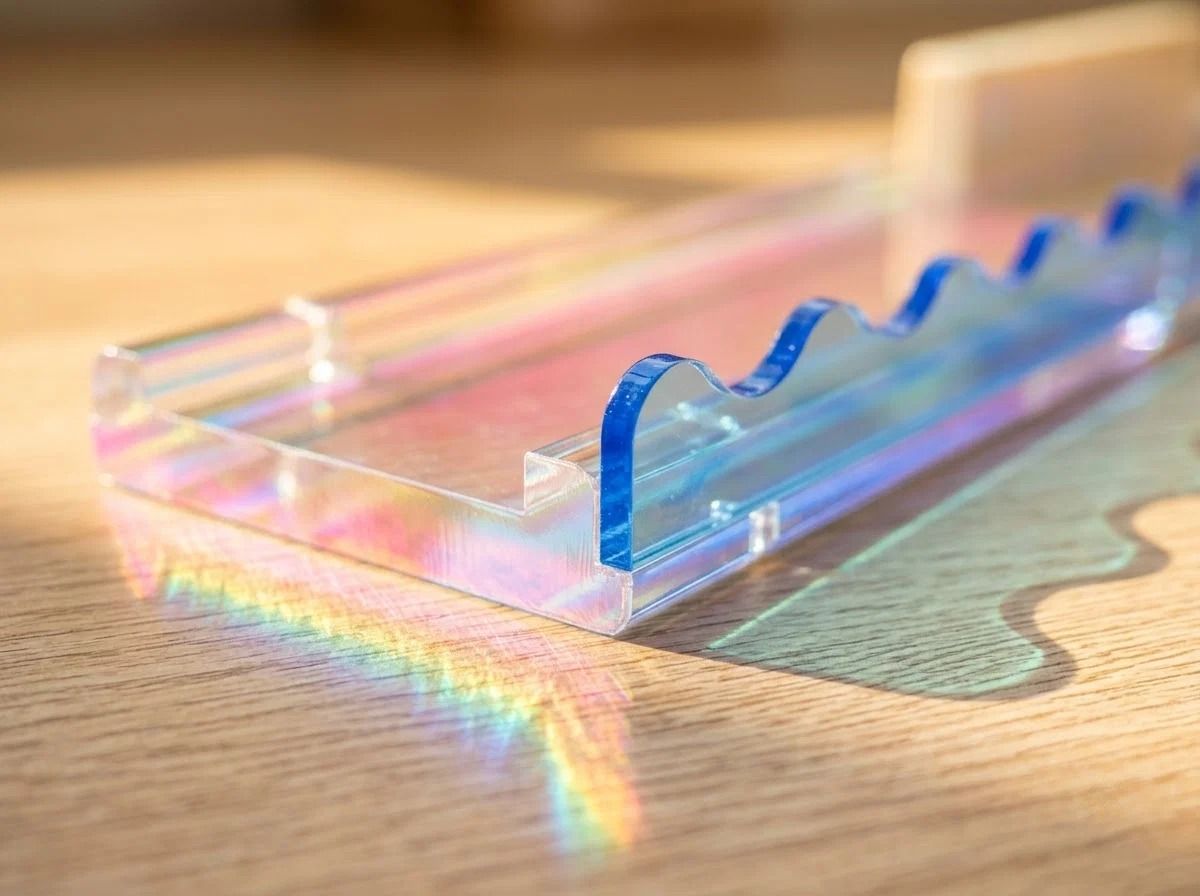
Watch for three clues: (1) A player is collecting lots of one tile or number. If someone discards three different tiles but keeps every 5, they're likely building a news hand heavy in 5s. (2) They're exposing pungs and kongs early—news hands reward visible identical melds. (3) Their discards slow down as the game nears its end, because they're waiting for specific tiles to complete melds. When you recognize these signs, hold onto your own tile variety; don't discard tiles the player needs. Conversely, if you're playing a news hand, keep your strategy flexible: draw tiles, sort constantly, and watch the card frequently to confirm your hand still matches a listed pattern. Remember that how jokers work depends on the exact hand you're pursuing, so re-check the card after each draw. Never assume you're one tile away from winning without double-checking the card pattern—a misread costs the game. Many experienced players set up mahjong racks with pushers to keep their tiles organized and hidden, making it easier to spot holes in a hand at a glance.
🎁 See our most-loved mahjong sets & accessories →
Common mistakes new players make with news hands
Mistake 1: Building a joker pair. You draw a real 1 Dot and a joker, then try to use them as your pair. The rules forbid this. A pair must always be two identical real tiles. This is non-negotiable and catches beginners every time. Mistake 2: Forgetting to check the card. You've got a pair, four pungs, and think "that's a news hand!" But not every pair-plus-four-identical-melds combo is on the card. The card is law. Before calling mah jongg, place your tiles in front of you, state the pattern number or section on the card, and let the scorer verify. Mistake 3: Holding onto tiles for the "perfect" hand instead of pivoting. You're chasing a news hand that needs three more 4 Bams—but the 4 Bams never come, and you miss a different winning hand instead. Keep the card visible and be ready to switch to a likelier pattern mid-game. Mistake 4: Not watching discards. If you need a 7 Crak and three players have already discarded three 7 Craks, that tile is gone. Adjust your target hand immediately instead of waiting for a fourth copy that will never appear.
✨ Find your Mahstead set — free US shipping →
What you'll need to play and study news hands
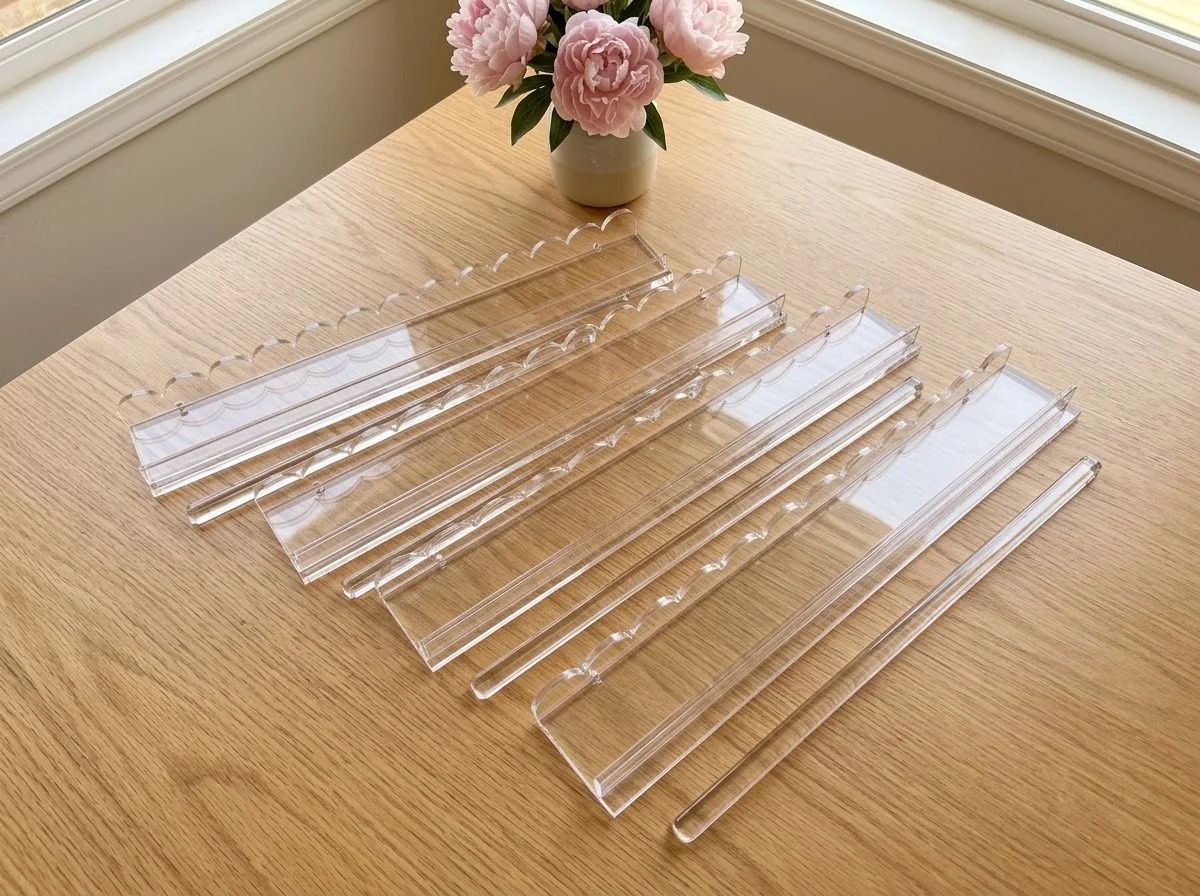
The tiles themselves: A full American mahjong set with 152 playing tiles (plus spares) gives you all four copies of each tile—essential for learning identical-meld patterns. The current year's card: Issued every spring by the National Mah Jongg League. You'll need this year's card (2026) at the table; an old card won't match current hands. Many players laminate or buy card holders for durability. A mat or table space: A mahjong mat keeps tiles in place and makes sorting by suit and number faster. Organized tile display: Racks help immensely here. A pen and scorecard: Once a hand wins, you record the points; most players use a simple paper scorecard or a dedicated notebook. Print or buy scorecards in bulk from community sources; no subscription needed. Patience and practice: Study the card for 10 minutes before your first game, focusing on the "news" section. Play 5–10 hands focused solely on building news patterns, even if you don't win. The shapes will stick in your memory.
Before you set up your first news-hand game: a quick checklist
☐ Have you got the current 2026 card at the table (not an old one)?
☐ Do you own a complete 152-tile American set with all four copies of each tile?
☐ Have you read the pair rule: must be two identical real tiles, never a joker?
☐ Do you understand that jokers only go inside melds, not as single tiles or in pairs?
☐ Can you spot identical-meld patterns in your hand when you sort by suit and number?
☐ Do you know which section of the card lists news hands (usually marked clearly)?
☐ Have you played at least two practice hands without betting, just to feel the rhythm?
☐ Is your tile storage (mat, rack, or table space) organized so you can count identical tiles quickly?
FAQ
Is a news hand harder to win than other hand types?
No—news hands are among the easiest because their structure is consistent: one pair, four identical melds. Other hands (like numbered sequences or dragon combos) often require more precise tile matching. News hands appear frequently on the card, so you'll see them often in real games.
Can I use a blank tile instead of a joker in a news hand?
It depends on the hand pattern on the card. If the card shows "three tiles + blank," then yes, a blank can substitute just like a joker. However, blank tiles are spare tiles, not part of the active 152-tile game set. Carry blanks only if your card explicitly allows them as substitutes; never add extra blanks to the active play.
What happens if I call mah jongg but my hand doesn't match the card?
You lose immediately. Your hand is considered a "dead hand," and play passes to the next player. You forfeit any points you might have scored and may face a small penalty depending on house rules. Always double-check the card before declaring.
How many jokers can one news hand use?
As many as the card pattern allows. Some news hands show four melds with jokers in multiple spots; others show only one or two jokers. Read the specific hand's notation on the card to know the limit.
Can a news hand include winds or dragons?
Yes, if the card shows a news hand pattern using dragon or wind tiles. Most common news hands use numbered suit tiles (Bams, Craks, Dots), but the card may include variations with dragons or winds as the identical melds or pair.
If I'm building a news hand and run out of real identical tiles, can I use multiple jokers to fill gaps?
Yes, but only within melds. If a meld needs four tiles and you have two real ones, two jokers can fill the remaining spots. However, you can never use jokers in the pair—that must be two real identical tiles, full stop.


View More
View More
View More
