
Chinoiserie Mahjong Starter Kit: Complete Guide to Buying Your First Set
Last updated: Nov 23, 2026
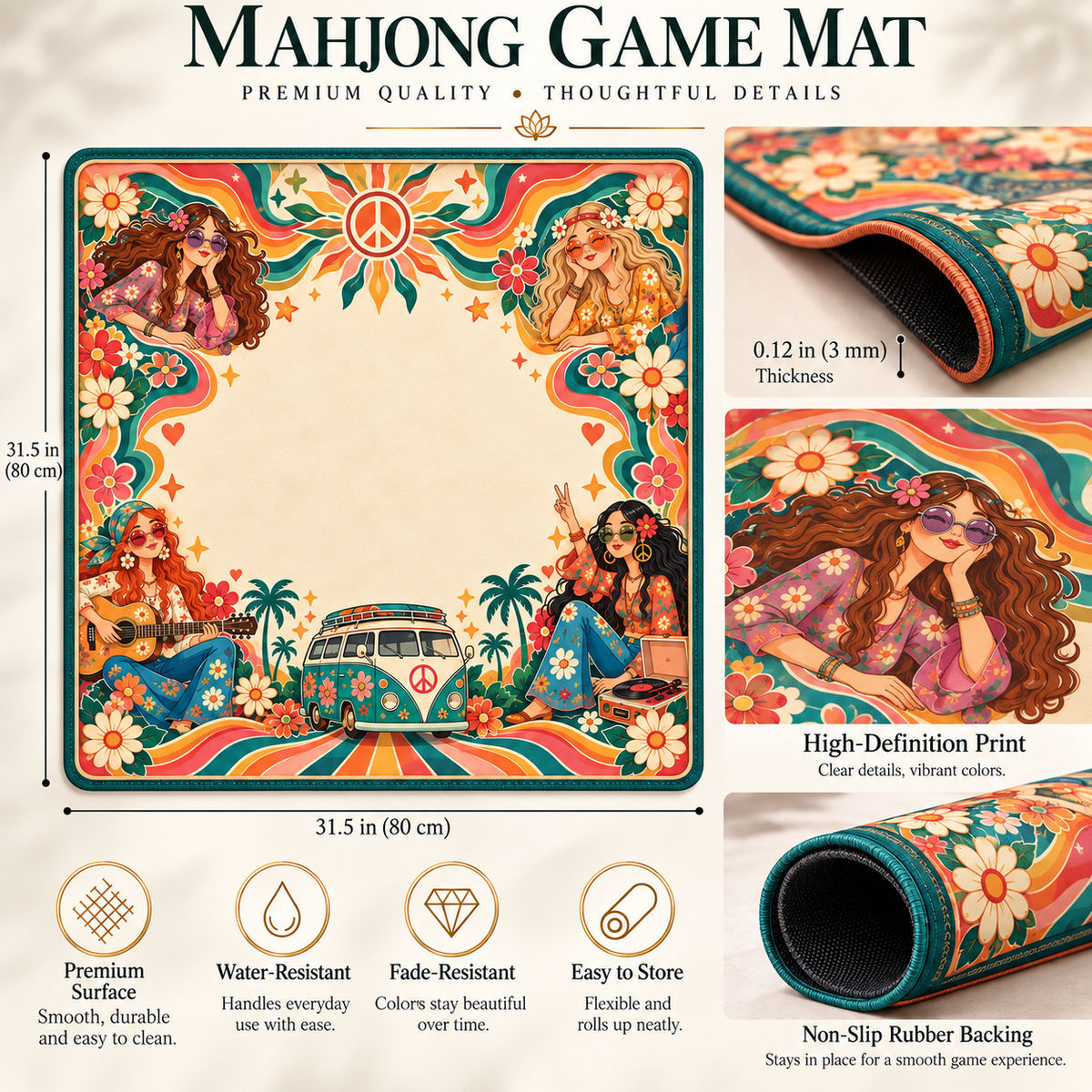
A chinoiserie mahjong starter kit combines an engraved or decorative set with the accessories you need to host your first game. Chinoiserie aesthetics celebrate traditional East Asian patterns: dragons, pagodas, silk-screen imagery, and jewel tones that make the game feel like an event rather than just tiles on a table. You can buy these separately from our best-selling collection or assemble your own by layering an engraved set with complementary accessories. A complete kit typically includes a felt mat (33×24 inches or larger for four players), pushable racks that keep tiles hidden during play, and a travel bag that protects everything between games. Beginners should check that their set has clear tile markings and that all 152 playing tiles are present before opening the box—missing jokers or broken racks often signal packing issues.
What exactly is chinoiserie style in mahjong sets?
Chinoiserie refers to European and Western interpretations of East Asian aesthetics, blending traditional motifs with modern materials and color palettes. In mahjong, this means acrylic or resin tiles featuring hand-painted dragons, gilded characters, mother-of-pearl accents, or embossed bamboo scenes—rather than the plain ivory or bamboo tile look. The backs of tiles often display intricate designs, and the racks or storage cases may echo pagoda shapes or silk-brocade patterns. Chinoiserie sets appeal to players who want their table to look intentional and beautiful, not just functional. If you prefer pure traditional Chinese design or minimalist modern tiles, our engraved titles and new arrivals offer those options as well.
🀄 Shop best-selling mahjong sets →

How do I choose between buying a complete starter kit and assembling my own?
Complete starter kits save time and ensure visual cohesion—every piece matches the same design language. Assembling your own takes longer but gives you full control: pick a set with one aesthetic, pair it with a contrasting mat color, and choose racks that prioritize function over form. New players often underestimate how much they'll use a mat (it's essential for tile noise, alignment, and protecting your table) and a good rack system (it hides tiles during the Charleston and keeps your hand secret during play). Our mahjong mats come in sizes from 24×18 inches (tight for four players) to 36×24 inches (roomy). A complete kit cuts your decision-making in half; building your own lets you prioritize what matters most to your game style.
What's the difference between engraved tiles and chinoiserie decorative designs?
Engraved tiles feature names, initials, or custom text laser-cut into acrylic, keeping the tile surface smooth and the traditional color scheme (red Craks, green Bams, white Dots). Chinoiserie designs, by contrast, are painted, embossed, or inlaid onto the tile face—dragons wrap around the number, flowers frame the suit symbol, or gilt accents highlight each tile. Engraved sets work beautifully for personalized gifts or club sets; chinoiserie sets prioritize visual storytelling and ornament. Both are fully playable according to American mahjong rules. If you want your set to feel like heirloom-quality art you'll actually use every week, chinoiserie makes a stronger statement. Our engraved American mahjong sets and decorative options serve both preferences.
🎁 See our most-loved mahjong sets & accessories →
What should I check before ordering a starter kit?
Use this checklist to avoid common disappointments:
Tile count: Confirm the set includes exactly 152 playing tiles plus eight jokers (160 total). Extra blanks or jokers beyond this are spares and don't change gameplay.
Material: Acrylic tiles are durable and easier to clean than resin; resin can feel heavier and show fingerprints. Pick based on storage space and how often you play.
Mat dimensions: Measure your table. A 24×18-inch mat is cramped; 33×24 inches fits comfortably. Felt surfaces should be textured enough to hold tiles without sliding.
Rack stability: Push-racks should have smooth runners and won't tip when tiles lean against them. Test photos or videos before ordering; wobbly racks ruin the Charleston.
Storage bag: Check weight limits and internal pockets. Mahjong sets get heavy; cheap bags tear at the seams.
Tile marking clarity: If you're new, pick sets with high-contrast suit colors and legible numerals. Pale ivory on pale bamboo wastes mental energy.
Our travel bags and cases are designed for weekly games and survive multiple seasons of transport.
Kit Type | Who It's For | What's Included | Best Aspect |
Complete chinoiserie bundle | Social hosts, gift-givers | Set + mat + racks + bag | Matches perfectly, no decisions |
DIY assembled kit (engraved set + felt mat) | Competitive players, personalization seekers | Your choice of each component | Full customization, visual control |
Traveling kit (lightweight set + compact mat) | Seasonal players, renters | Smaller footprint, portable racks | Easy transport, less table footprint |
Club or group set (plain acrylic + large mat) | Regular groups, tournaments | Neutral aesthetics, durable racks | Neutral; all focus on gameplay |

How do I set up my first game with a new starter kit?
First, unbox and count all 152 tiles plus eight jokers—sort them by suit and honor to spot missing pieces immediately. Wipe acrylic tiles with a soft cloth; they pick up dust in shipping. Lay out the mat and position the four racks so each player has clear view and arm room. Review how to play American mahjong so you understand the Charleston (the tile-passing ritual that starts every hand). Place the National Mah Jongg League card for the current year where all four players can read it. Shuffle tiles face-down on the mat, build the wall, and deal the opening hand according to American rules. Most groups play with the current year's official card only; hands don't repeat year to year. Racks keep your tiles hidden and organized; pushers help you move tiles without dropping them. If anyone asks whether a hand is playable, reference the card together—disputes about card reading are the most common beginner frustration.
✨ Find your Mahstead set — free US shipping →
What are the most common mistakes when buying a starter kit?
Forgetting the mat. Many beginners think they can play on a bare table. Mahjong tiles are loud, shift easily, and slide on wood or glass. A mat silences the shuffle, keeps tiles in a grid, and protects your table from scratches and stains. Felt or padded rubber surfaces work best; avoid thin plastic mats that crease.
Choosing racks that don't push smoothly. Cheap racks have sticky runners or tips that catch. During the Charleston, when you're passing tiles rapidly, a stuck rack frustrates everyone. Feel the pusher action in photos or ask before buying.
Buying extra tiles by mistake. A 160-tile set has 152 playing tiles and spares; a 166-tile set has more spares. These extra tiles are NOT added to play—they're backups. Many new players waste time figuring out why they have "too many" jokers.
Ordering a mat that's too small. A 24×18-inch mat works only for experienced players who sit close together. If you're hosting family or friends, go larger: 33×24 inches or bigger. A cramped table kills the fun.
Skipping how to read the mahjong card before the first hand. The National Mah Jongg League card looks like a grid of hieroglyphics. Spend 15 minutes learning the symbols and sections before you play. This cuts rule disputes in half.
What should I budget for a complete chinoiserie starter kit?
The cost of a complete kit depends on material, design complexity, and included accessories. Acrylic sets with simple designs and basic mats run lower; hand-painted resin sets with elaborate storage cases and premium mats cost more. See current price on the product page for exact options. Free shipping across the US makes the total predictable—no surprise fees at checkout. If you're building your own kit, buy the set first, then add a mat, racks, and a bag as your budget allows. Many players start with just a set and mat, then add pushable racks and a travel case after their first month of games. Quality matters over time: cheap tiles crack under stress, flimsy racks bend, and thin mats bunch up. Investing in an acrylic set and a padded mat from the start saves money on replacements later.

FAQ
Do all chinoiserie mahjong sets follow American mahjong rules?
Yes. Chinoiserie is a visual design style, not a rule variant. All sets sold at Mahstead are American mahjong (152 tiles, eight jokers, no chows, hands from the current-year card) regardless of decoration. The aesthetic doesn't change how the game plays.
Can I use a chinoiserie set for Chinese mahjong or other variants?
American mahjong sets are distinct from Chinese, Hong Kong, and Riichi sets in tile count and symbols. A 160-tile American set won't work for Chinese mahjong, which uses a different number of tiles and honor rules. Stick to the rule variant that matches your set's tile composition.
How fragile are acrylic tiles in a chinoiserie set?
Acrylic tiles are durable and resistant to cracking under normal play. They do chip if dropped on hard floors or stepped on, and painted designs can scratch if tiles rub constantly in cheap storage. A padded travel bag prevents most damage.
Do I need to learn all the hands on the card before my first game?
No. Learn one or two simple hands (like a quint of one suit plus a pair), shuffle, and play. The card sits on the table during every hand—no one expects memory. Competitiveness and speed come after months of weekly play.
What's the difference between a mahjong mat and a table cover?
A mat is a separate accessory you roll up and store; a table cover permanently protects a dedicated mahjong table. Mats work for renters or multi-use tables. See our guide on mat vs table cover for details on when each makes sense.
Do I need pushable racks as a beginner?
No, but they help. Racks hide your tiles during the Charleston and keep them organized during play. Beginners often hold tiles in their hands, which slows the game and looks messy. Racks from our racks with pushers guide feel like an investment in hosting.
Are engraved chinoiserie sets more durable than painted ones?
Durability depends on material and finish, not decoration style. A well-made acrylic set (engraved or painted) outlasts a cheap resin set. Painted designs can fade or scratch over years if stored carelessly, but engraved tiles can also crack if dropped. Choose based on the tile material and storage plan, not the design alone.


View More
View More
View More
