
Mahjong vs. Bridge: Which Game Fits Your Table?
Last updated: Nov 23, 2026
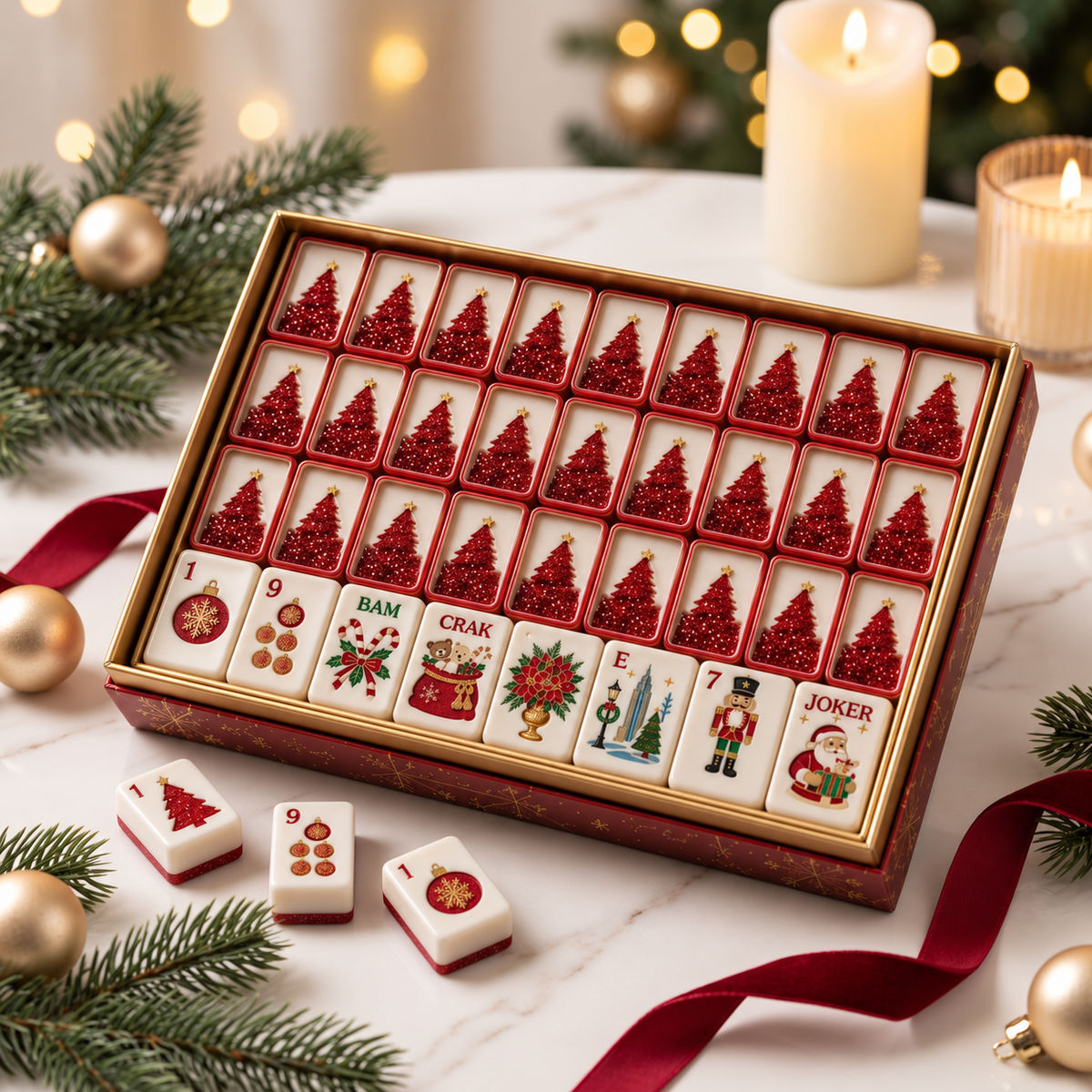
Mahjong and bridge are both four-player games built on pattern-matching and bidding, but they diverge sharply in execution. Bridge uses 52 cards and a trick-taking system where partnerships bid on the number of tricks they'll win; mahjong uses 152 tiles arranged by suit and number, with players collecting sets on the current National Mah Jongg League hand card. Bridge games last 30–90 minutes depending on play speed and hand complexity; American mahjong rounds typically run 15–30 minutes per hand. Bridge skill grows through memorizing card-play conventions and hand valuation; mahjong skill develops by learning to read the seasonal hand card, recognize tile patterns, and manage discards tactically. Both games attract weekly home players and competitive leagues. If you want trick-based partnership play, bridge is your game; if you prefer tile-collecting strategy without fixed partnerships, mahjong offers faster rounds and a fresh hand list every spring. We recommend starting with whichever game your local community plays—social play matters more than the game itself.
How is mahjong different from bridge in terms of basic play?
Bridge is a trick-taking card game: four players split into two partnerships, bid on tricks they expect to win, then play cards to claim those tricks. Mahjong is a tile-collecting game: four individual players (or fewer with house rules) draw and discard tiles, trying to complete a valid hand from the current year's National Mah Jongg League card before anyone else does. In bridge, your partnership matters; in American mahjong, you compete solo. Bridge rewards memory of cards already played; mahjong rewards pattern recognition and discard management. Both demand focus, but the rhythm is completely different—bridge unfolds over a full evening of connected hands; mahjong plays hand-by-hand with resets between rounds.

What's the time commitment for each game?
A single bridge game (rubber or a session) often takes 2–4 hours, with multiple hands contributing to a final score. A single American mahjong hand runs 15–30 minutes from tile draw to winning wall. If you host a weekly four-player session, bridge players might complete 4–6 hands in an evening; mahjong players might play 8–12 hands, resetting the Charleston (tile pass) between each. Bridge's slower pace suits deliberate bidding and play analysis; mahjong's quicker hands encourage people to jump in casually. Neither is "faster" overall—it depends whether you value deep strategy per hand or more frequent play cycles.
Which game has an easier learning curve?
Bridge has a steeper entry: bidding systems (Stayman, Blackwood, etc.) require a convention book and coaching. Beginners often sit silent while experienced players bid. American mahjong flattens the curve faster—once you memorize suit names (Bams, Craks, Dots), understand pungs and kongs, and learn to read the mahjong hand card, you can play competitively within 4–6 sessions. The National Mah Jongg League card is the same for all players, so everyone learns from the same resource. Bridge demands ongoing convention study; mahjong's rules and hand list reset each spring, keeping the learning fresh rather than cumulative. For casual newcomers, mahjong wins on accessibility—for serious bidding enthusiasts, bridge offers more tactical depth.
Can you play mahjong or bridge with fewer than four players?
Bridge can be played with three players (removing the 2 of Diamonds and adjusting rules), but the game is designed for four and a dummy hand. Most bridge players stick to four-player rules. American mahjong's official rules are built for four players. However, 2- and 3-player mahjong rules exist and are popular in home games—players adjust drawing speed and often add house rules for fairness. Bridge is not flexible; mahjong accommodates smaller groups more naturally. If your group is sometimes three players and sometimes four, mahjong is the practical choice.
Which game is more social: mahjong or bridge?
Both are deeply social—the games create rhythm for conversation, snacks, and connection. Bridge pairs you with a partner, so collaboration and trust are central; mahjong keeps you competing as an individual, so the energy is more independent but equally engaging. Bridge players often develop strong table etiquette around communication (no hinting at strength). Mahjong players bond over tile talk—calling out dangerous discards, admiring hands, laughing at near-misses. Bridge's partnership aspect builds loyalty over weeks and seasons; mahjong's rotating competition keeps every hand fresh. Survey online communities: bridge groups emphasize long-term partnerships and convention learning together; mahjong groups highlight fast rounds and inclusivity. Choose based on whether you want to sit next to the same partner every week or rotate around the table.
Dimension | Bridge | Mahjong | Winner for … |
Setup time | Shuffle deck, deal cards (2 min) | Draw tiles, Charleston pass (5–8 min) | Quick starts: Bridge |
Hand length | 10–20 minutes | 15–30 minutes | Variable play: Bridge (if rushing) |
Partnership | Yes (fixed pairs) | No (solo play) | Couple nights: Bridge |
Learning curve | Steep (bidding systems) | Moderate (card, suits, patterns) | Beginners: Mahjong |
New content | Same rules every year | Hand card changes yearly | Refreshes: Mahjong |
Portable | 52 cards + score pad (easy) | 152 tiles + mat + accessories | Travel light: Bridge |
Casual drop-in | Hard (partnership commitment) | Easy (solo play) | Drop-in players: Mahjong |

How do strategy and skill differ between mahjong and bridge?
Bridge strategy revolves around bidding accuracy (do you have 13 points in high cards?), hand evaluation (quick losers matter), and card play technique (squeezing, finesse, timing). You're learning conventions with your partner—Stayman, Jacoby Transfers, 1NT forcing—so that you bid the same contract every time. Bridge is a solved game at the top level; the best bids are known. Mahjong strategy is about reading the table: which tiles are safe to discard based on other players' melds, how to spot a winning pattern early, whether to expose a pung or hold tiles hidden longer. How jokers work matters hugely—a joker can complete multiple melds, so you're always weighing risk. The hand card changes yearly, so no two seasons play identically. Bridge rewards precision and partner communication; mahjong rewards adaptability and tile psychology. Bridge players study theory off the table; mahjong players practice judgment at the table.
🀄 Shop best-selling mahjong sets →
What equipment do you need for each game?
Bridge requires one standard 52-card deck, a score pad, and pencils. Setup is minimal. American mahjong requires a 160-tile set (152 playing tiles), a mat for organizing tiles, racks with pushers to hold and display your hand, dice for dealing, and the current year's National Mah Jongg League card. If you play weekly, we recommend engraved American mahjong sets that last for years and reflect your table's personality. A mahjong mat is essential—it organizes the wall and gives your table a professional feel. Racks with pushers transform the game for new players; tiles slide forward as you meld, keeping your hand tidy and strategies hidden. If you travel to a friend's game, a travel bag or case protects your set. Bridge fits in a desk drawer; mahjong requires intentional storage and display.
🎁 See our most-loved mahjong sets & accessories →
Where do mahjong and bridge players find games in your area?
Both communities organize through libraries, community centers, synagogues, country clubs, and meetup boards. Search "[your city] bridge club" or "[your city] mahjong group" online, or ask at your local library—most run bulletin boards or host weekly groups. Bridge has a larger national infrastructure (American Contract Bridge League); mahjong has the National Mah Jongg League and regional leagues but fewer formal venues in smaller towns. If you live in a major city, both will be available. In suburban or rural areas, mahjong often relies on home games, while bridge has more organized club play. Start by checking community centers and libraries—both games thrive in those spaces.
Decision framework: How to choose
Pick bridge if:
You want to partner with the same player every week.
You enjoy bidding conventions and precision.
You prefer one standard ruleset that never changes.
Your group has a steady four people.
You value deep strategy studied off the table.
Pick mahjong if:
You like competing as an individual each round.
You want faster hands (15–30 min) instead of longer sessions.
You enjoy learning a new hand card every spring.
Your group varies in size or people drop in casually.
You want a game that teaches pattern recognition and risk judgment.
You prefer a more inclusive, fast-to-teach game for newcomers.
If you're still undecided, attend one session of each and watch the energy. The right game is the one your group will actually play together.
What to check before you buy
If you choose mahjong, verify your set includes all 152 tiles plus spare jokers. Check that your mat is cloth-topped (easier on the ears and tiles than plastic). If you purchase racks with pushers, test them for smooth gliding before committing to a full set of four. For bridge, one standard deck and a score pad suffice—no vendor needed. If you choose mahjong, download or order the current year's National Mah Jongg League card before your first game; it's released every spring and rules all play.
✨ Find your Mahstead set — free US shipping →

FAQ
Can I play both mahjong and bridge at the same table?
Not simultaneously. They're separate games requiring different equipment and rule systems. However, many players enjoy both and rotate them—bridge one week, mahjong the next. Both fit a two-hour social evening if you play fewer hands and allow time for conversation.
Is mahjong played exactly the same way everywhere?
No. American mahjong follows the National Mah Jongg League card and rules. Chinese, Hong Kong, Riichi, and Taiwanese mahjong have different tile sets, hand structures, and scoring. American mahjong is the variant most played in the US, but ask which version your local group uses before you buy a set or start learning.
How much does a mahjong set cost compared to a bridge deck?
A bridge deck costs very little. A quality mahjong set varies depending on materials and design; see current price on the product page for best-selling mahjong sets. Mahjong is an investment because you'll use it for years and it's typically shared among four players, so the cost per person per session is low.
Do I need a mat, racks, and pushers to play mahjong, or just the tiles?
Tiles alone work, but a mat, racks, and pushers transform the experience. The mat organizes the wall; racks hold your hand neatly and keep strategy hidden; pushers let you slide tiles forward as you meld. Beginners often find racks and pushers reduce confusion. Experienced players may play without them but almost always use a mat.
Can I play mahjong online instead of in person?
Yes, mahjong apps and websites exist, but the in-person game is richer—you read opponents' faces, handle tiles tactilely, and build table friendships. Bridge also has online platforms, but serious players prefer live play. For both games, nothing replaces sitting together around a table.
Which game teaches better strategy—mahjong or bridge?
Bridge teaches bidding theory and card-counting technique through studied conventions. Mahjong teaches tactical judgment, risk assessment, and pattern recognition through live play. Bridge is more cerebral and systematic; mahjong is more intuitive and adaptive. They train different strategic muscles; neither is "better."


View More
View More
View More
