
Mahjong Tiles Size Guide: Choosing the Right Set
Last updated: Nov 23, 2026
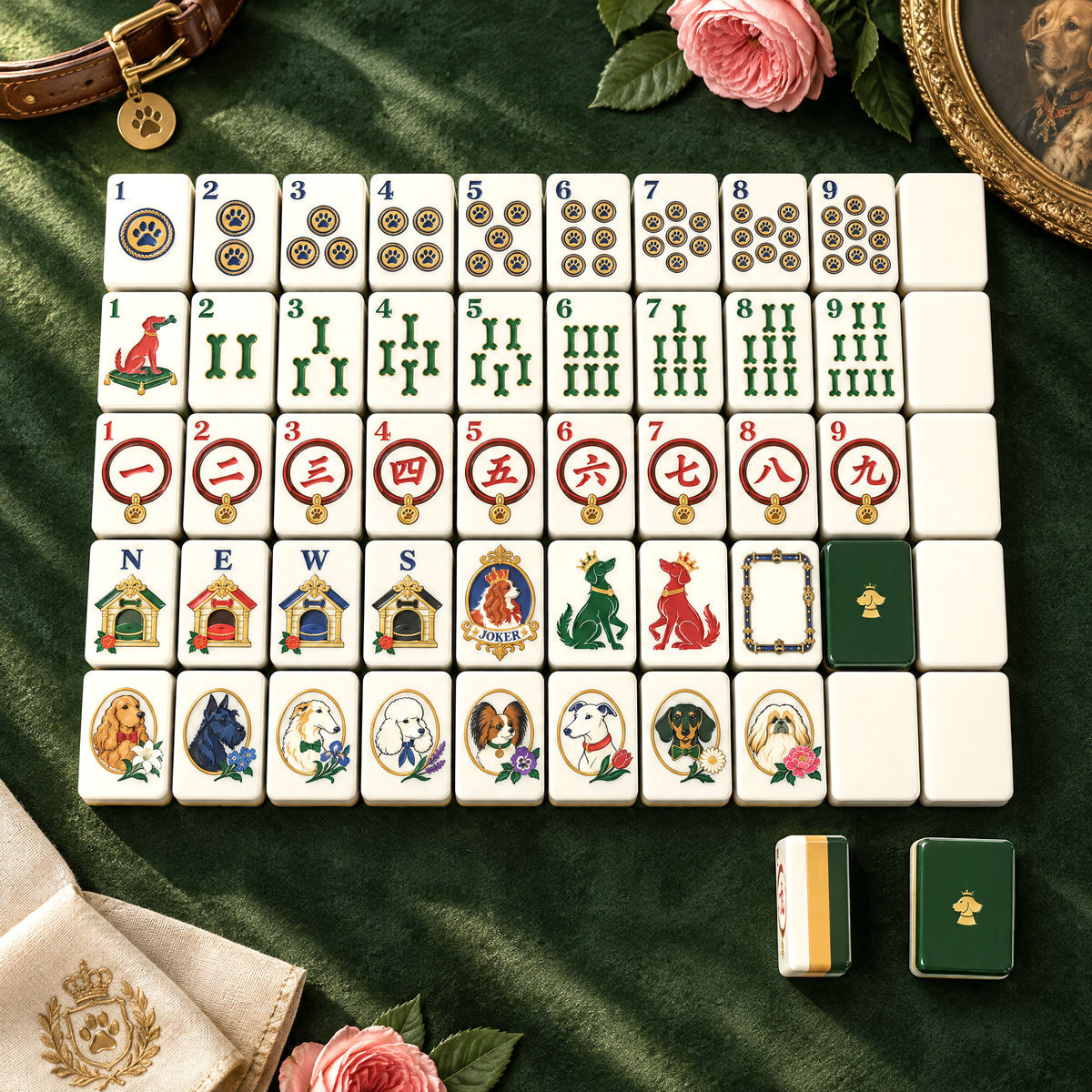
American mahjong tiles come in two main acrylic thicknesses: standard (roughly 1/4-inch) and heavy-duty (thicker), each affecting how they sit on your hand, shuffle, and sound when played. Face sizes range from compact (roughly 3/4-inch square) to full-size (roughly 1-inch square or larger), influencing visibility and table space needed. A 160-tile American set contains 152 playing tiles plus 8 spares; all tiles fit into a case or storage bag. Standard thickness suits casual home players and travel; heavy acrylic appeals to frequent players and groups seeking durability and authentic table feel. Choose based on your table width, hand size, eyesight comfort, and how often you play—not on brand reputation alone. Mahstead's engraved American mahjong sets let you customize designs while selecting the tile thickness and size best for your group's needs. 🀄 Shop best-selling mahjong sets →
What tile thickness do I actually need?
Standard acrylic (roughly 1/4-inch) is the most common choice and suits 95% of home games. Heavy-duty tiles are noticeably thicker and heavier, giving a premium feel and lasting longer under weekly play. If you shuffle tiles by hand once a week, standard is fine; if you play twice weekly or more, heavy-duty reduces wear on your wrists and tiles. Test both at a friend's table if possible before committing—some players find heavy tiles tiring, others swear by them.

How do I know if tiles are too small or too large?
A standard American mahjong hand holds 13–14 tiles in one hand comfortably when tiles are roughly 3/4- to 1-inch on the face. Tiles smaller than 3/4-inch strain eyes and hand positioning; larger tiles (over 1-inch) demand a wider table and bigger hand span. Measure your table width (most are 34–40 inches) and divide by the number of tiles (roughly 8–9 per side when laid flat) to estimate the maximum face size you need. Older or visually tired players often prefer larger tiles; younger players with steady eyesight tolerate smaller ones. Your current set's tile size is a benchmark—if you're comfortable now, match it.
What's the difference between acrylic tile weights?
Weight directly affects shuffling speed and the "clack" sound tiles make when placed on the table. Standard acrylic tiles are lightweight enough to shuffle quickly by hand and fit easily into a travel bag or case without strain. Heavy-duty tiles carry more heft, slow down hand shuffling slightly, and create a deeper, more satisfying sound—many serious players prefer this auditory feedback. Weight also correlates with durability: heavier tiles resist chipping and cracking over thousands of plays. If you travel monthly with your set, choose lighter tiles; if your set lives on one table, weight matters less.
How do face design size affect gameplay and readability?
A tile's face size determines how clearly you read the suit symbol and number at arm's length during play. Larger faces (1-inch or bigger) reduce squinting and allow faster hand scanning, especially in dim light or for players over 50. Smaller faces save table space and suit compact tables or travel scenarios. Engraved designs—whether bamboo texture, custom logos, or decorative motifs—add visual appeal without changing readability if the core suit/number is clear. Before ordering a custom set, ask for a photo of the actual tile in hand; sample images online can be deceptive. Our best-selling mahjong sets include options with varying face sizes so you can compare in real setups.
🎁 See our most-loved mahjong sets & accessories →
What case or mat size should I pair with my tiles?
Tile size and case size are tightly linked. A full-size American mahjong set with larger tiles requires a proportionally larger case (roughly 11–13 inches long) to close without forcing tiles. A compact set fits into smaller travel cases (8–10 inches). Before buying a case, confirm the tile face size and count the total package volume. A mahjong mat (typically 30–40 inches square) works with any tile size but looks cleaner when tiles are proportionate—large tiles on a tiny mat look awkward, and small tiles on a huge mat get lost. Pair your tile purchase with the case or mat you already own, or buy them together to ensure fit. Many players use racks with pushers instead of holding tiles in hand, which means tile size matters less for comfort but more for rack fit.

Tile Size Comparison Table
Scenario | Tile Face Size | Thickness | Best For | Why It Works |
Casual home play, mixed ages | 3/4–7/8 inch | Standard | Small to mid tables, all eyesights | Good visibility, shuffles easily, fits most cases |
Weekly serious group | 7/8–1 inch | Standard or heavy | Regular tables (36–40″), consistent players | Readable at arm's length, durable enough for frequency |
Travel or compact space | 5/8–3/4 inch | Standard | Portable sets, smaller tables | Fits small cases and bags, less table footprint |
Tournament-style or daily play | 7/8–1 inch | Heavy-duty | Permanent table setups, serious clubs | Durability, authentic sound, hand-fatigue reduction |
Players over 60 or low vision | 1–1-1/8 inch | Either | Custom large-face sets | Maximum readability, reduced eye strain |
What to check before you buy
Tile face size: Hold a ruler up to a photo or sample; measure 3/4-inch, 7/8-inch, and 1-inch to visualize fit in your hand.
Thickness & weight: Ask the seller for weight per tile or hold a sample if possible; compare side-by-side with your current set.
Case interior dimensions: Confirm the set's total footprint (length × width × height when stacked) matches your case or mat clearance.
Surface finish: Engraved or textured tiles can trap dirt; smooth acrylic cleans faster. Verify tile corners are beveled (not sharp), especially if you shuffle by hand weekly.
Joker and spare tile count: All American 160-tile sets include 8 spares beyond the 152 playing tiles; confirm this before ordering.
Lighting at your table: If you play under dim light, opt for one size larger than you'd normally choose; if you have strong overhead lighting, standard sizes work fine.
How tile size connects to the full experience
Your tile size choice ripples outward. A heavier, larger-face tile set pairs well with a sturdy mat and quality case to create a cohesive, premium feel. Lightweight compact tiles suit travel and work beautifully with a soft bag. The National Mah Jongg League card is the same size every year; your tiles must be legible enough to cross-reference hands during play without holding the card closer than arm's length. If you're new to the game, start with a standard-thickness, mid-size set—most beginner mistakes stem from poor tile visibility or uncomfortable hand positioning, not tile brand—then upgrade once you know your preferences. Custom engraved American mahjong sets let you lock in the size and thickness you want while personalizing the design for your group or season.
Seasonal and gift considerations
Holiday sets often come in themed colors or with festive cases, but tile size and thickness remain the core decision. If you're buying a set as a gift, match the recipient's current set size or ask a player in their group for guidance. Christmas mahjong sets and specialty designs are available in both standard and heavy-duty; don't assume a festive set sacrifices durability. Our new mahjong arrivals rotate designs monthly while maintaining consistent size and weight specs, so you can refresh your look without relearning how your tiles feel.
✨ Find your Mahstead set — free US shipping →

FAQ
Can I use tiles of different sizes in the same game?
No. All 152 playing tiles in one set must be identical in size, thickness, and weight. Mixing sets creates confusion during shuffling, hand-reading, and pile distribution. If you play with multiple groups, buy a set for each or standardize across your regular players.
Do heavier tiles last longer?
Generally yes. Heavy-duty acrylic tiles resist chipping and fading better under frequent shuffling and stacking. Standard tiles are fine for casual play (1–2 times per month) but show wear faster in high-frequency settings (3+ times weekly).
What's the ideal tile size for learning American mahjong?
Mid-range (3/4- to 7/8-inch face) in standard thickness. This size balances readability (you can see the symbol clearly from arm's length) with comfort (your hand isn't stretched or cramped). Avoid very small tiles when learning; you'll spend mental energy decoding tiles instead of focusing on hand strategy.
Do I need a bigger mat if my tiles are larger?
Not necessarily. A standard 36-inch mat fits a full American game regardless of tile size, but larger tiles may feel crowded. Test your current set on the mat before upgrading; if there's elbow room, you're fine. If players knock tiles over, move to a 40-inch mat.
How do I measure my hand to find the right tile size?
Lay your palm flat, fingers spread slightly. Measure from thumb to pinky edge; if it's under 4 inches, standard-size tiles (3/4-inch face) fit comfortably. If over 4-1/2 inches, you can handle larger tiles (1-inch). This is a rough guide—comfort also depends on how you fan tiles and whether you use racks.
Are engraved tiles harder to read than plain tiles?
No, if engraving is done well. The suit symbol and number remain crisp and centered; decorative texture or background design sits outside the play zone. Before ordering a custom set, request a clear photo of the tile face under normal light to confirm readability.


View More
View More
View More
