
Mahjong Tournaments in Virginia: Where to Play & How to Prepare
Last updated: Nov 23, 2026
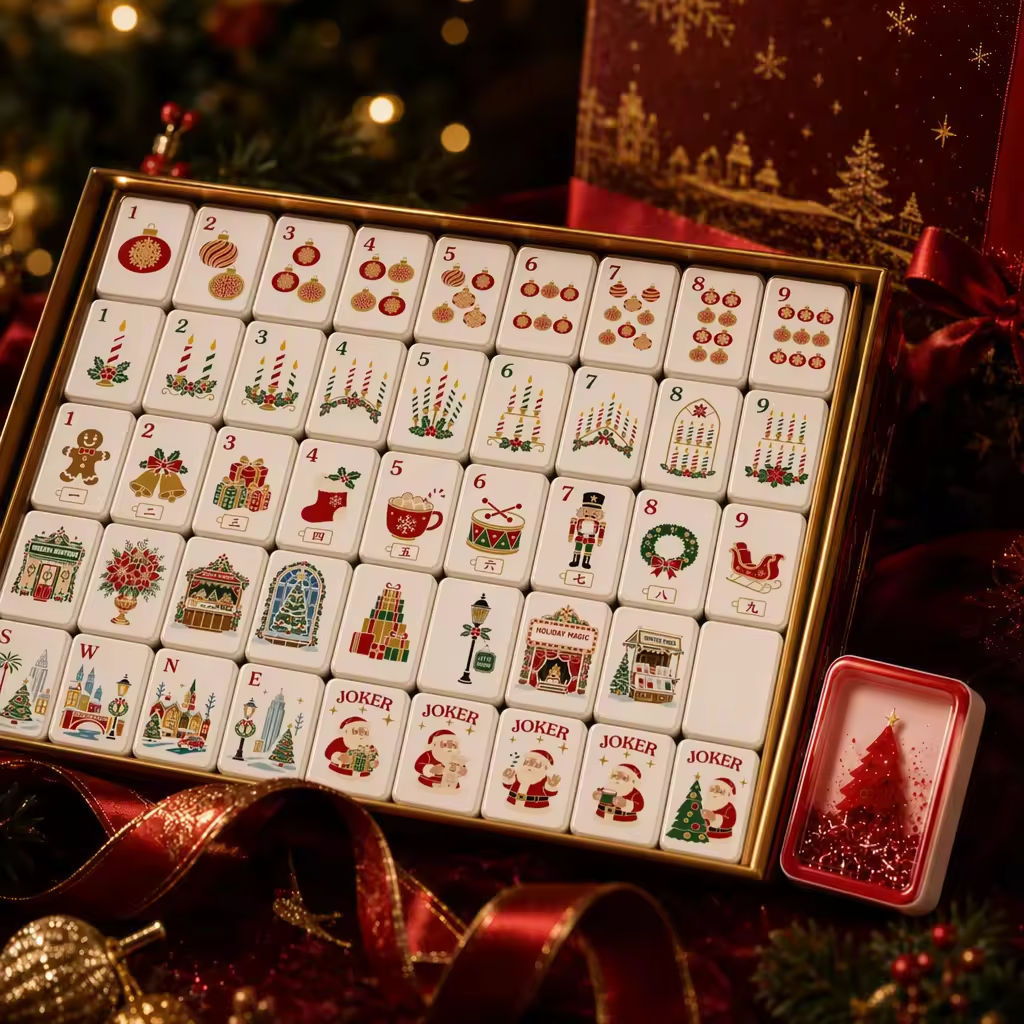
Virginia mahjong tournaments range from casual weekly competitions to sanctioned American Mahjong League events, typically held at community centers, libraries, synagogues, and country clubs across the state. Most tournaments follow American mahjong rules using the current year's National Mah Jongg League card, require 152-tile sets with 8 jokers, and run two to four rounds per session. Entry fees and prize structures vary by venue and event type. Players compete using identical tile sets (Americans don't mix equipment mid-tournament), and serious competitors invest in quality gear: a durable mat to protect shared tables, a rack with pushers to protect hand edges, and a reliable carrying case—all available from best-selling mahjong sets retailers like Mahstead. Before entering, verify whether a tournament uses American, Chinese, Hong Kong, or Riichi rules, as hand rankings and scoring differ significantly.
Virginia hosts mahjong tournaments year-round, from casual neighborhood games to ranked events. Whether you're a beginner considering your first tournament or an experienced player seeking new competition, understanding the landscape—and what to bring—helps you prepare and enjoy the experience.
How do I find mahjong tournaments near me in Virginia?
Start by checking community centers, public libraries, and recreation departments in your area; many host weekly or monthly tournaments and maintain online schedules. Jewish community centers and country clubs often run regular events and welcome members or guests. Search meetup boards, Facebook groups dedicated to mahjong in Virginia, and the National Mah Jongg League website, which lists affiliated tournaments. Call ahead to confirm rules, entry fees, and whether seats are available.
🀄 Shop best-selling mahjong sets →

What's the difference between casual play and tournament mahjong?
Casual games are social, informal, and forgiving of rule variations. Tournaments enforce strict American mahjong rules: players must use the current year's card, follow exact hand composition (only from that card), use standardized tile sets, and observe formal turn order and call procedures. Tournaments track scores, rank players, and may offer prizes. Competition typically lasts two to four rounds per event, each round thirty to forty minutes. Casual play has no time limit, no scorekeeper, and flexible hand selection. If you've only played casually, expect tournament play to feel faster and more rule-focused.
What equipment do tournament players bring?
Serious competitors arrive with a full personal set, a protective mat, a rack with pushers, and a carrying case. A quality mat protects the playing surface, defines your personal space, and makes tile movement visible—essential when four players share one table and judges may need to verify hand composition. A rack with pushers keeps your hand organized and prevents accidental tile exposure, a tournament foul. A carrying case protects your set during transport and projects competence. Experienced players also bring a notepad for scoring, a current year's card (backup), and a small towel. A mahjong mat designed for tournament play should have a non-slip backing, clear markings for discard areas, and durable fabric that withstands multiple events.
What rules should I know before my first tournament?
All American mahjong tournaments use the National Mah Jongg League card for that calendar year. Hands must match the card exactly; you cannot invent hands or use hands from prior years. The Charleston (tile-passing ritual) opens every game—three rounds of passing left, right, and across. You may expose only pungs (three identical tiles), kongs (four identical), quints (five), and sextets (six); chows (sequences like 1-2-3) cannot be called or exposed in American mahjong. Jokers replace any single tile in these groupings but never form a pair or stand alone. If you're unfamiliar with joker rules or the Charleston, review those mechanics before arriving; how jokers work and the Charleston explained cover both in depth. Scoring follows the card; ties are possible. Call "ready" when you're one tile away from winning; calling wrong or calling prematurely incurs penalties.
🎁 See our most-loved mahjong sets & accessories →
Do tournaments ever use other mahjong variants?
Some Virginia events may feature Chinese, Hong Kong, or Riichi mahjong alongside American. Rules differ drastically: Chinese mahjong allows chows (sequences), uses different tile combinations, and has no jokers. Hong Kong mahjong is faster and uses a unique scoring system. Riichi mahjong requires deep strategic planning and pattern memorization. Always ask the organizer which variant a tournament uses; American and non-American games are never mixed in one event. If you know only American mahjong, be explicit about which format you're entering; many organizers run separate tournaments for each variant to keep competition fair.
What should I check before entering a tournament?
Before registering, confirm these details: the mahjong variant (almost always American in Virginia, but verify), the year's card in use, entry fee, prize structure, number of rounds, round duration, table assignment method, and refund policy. Arrive fifteen minutes early for seating verification and rule clarification. Bring your full 152-tile set plus all eight jokers (a 160-tile set from Mahstead gives you spares if a tile is lost or damaged before play). Bring your mat, rack, and case—renting equipment is rare, and using a borrowed set creates consistency issues. Review how to read the mahjong card so you can verify hand matches quickly; slow play holds up other tables. If you're a beginner, attend one casual game before a ranked tournament; the speed and pressure are different.
Tournament Element | What to Expect | How to Prepare |
Rules variant | American (152-tile, 8 jokers) unless specified | Call organizer; confirm card year |
Round length | 30–45 minutes | Practice speed; know the card cold |
Personal equipment | Bring your own set, mat, rack, case | Invest in durable gear; inspect before event |
Hand composition | Must match card exactly; no improvisation | Study card patterns; learn joker rules |
Scoring | Per card; ties are valid outcomes | Verify scoring before round starts |
Judges | Often present; enforce rules strictly | Know what calls trigger fouls |
✨ Find your Mahstead set — free US shipping →

What if I'm new to American mahjong—should I join a beginner tournament?
Yes. Many Virginia tournaments designate beginner or novice brackets for players in their first one to two years. These events are slower-paced, more forgiving of minor rule errors, and run by organizers who mentor new players. You'll compete against others at your skill level, learn tournament etiquette without high-stakes pressure, and build confidence. After two or three beginner events, consider advancing to open brackets. If no beginner tournament is available, ask an organizer to pair you with experienced players who can coach you between rounds. Most mahjong communities welcome newcomers; the game thrives on new players.
What is the cost, and what can I expect to win?
Entry fees typically range from five to twenty-five dollars per tournament, depending on venue and event prestige. Prize pools vary: some tournaments award nothing (play-for-fun only), others offer small cash prizes (five to fifty dollars), raffle tickets, or merchandise. A few high-stakes or championship events offer larger prizes, but these are uncommon in casual Virginia play. Beginners should view tournaments as practice, not income. Focus on skill development and community; prizes are secondary.
How often do tournaments run in Virginia?
Most communities host weekly or bi-weekly casual tournaments. Larger cities (Richmond, Northern Virginia, Hampton Roads) run monthly sanctioned events. Some venues offer quarterly championships. Check library websites, community center schedules, and local meetup boards for current calendars. The National Mah Jongg League publishes a directory of affiliated tournaments; search it for Virginia-registered events. Frequency depends on your location; rural areas may have fewer tournaments than suburban or urban hubs.
Should I invest in premium equipment before my first tournament?
Quality gear matters for both performance and respect at the table. A durable mat prevents tiles from sliding and protects shared tables; a rack with pushers keeps your hand hidden and organized; a protective case preserves your set's longevity. You don't need the most expensive options, but avoid budget sets with loose tiles or flimsy racks—they embarrass you and slow the game. Mahstead's best-selling mahjong sets and matching racks with pushers are tournament-ready and built to last through dozens of events. Invest once; replace rarely.
What to check before you buy
Before entering a tournament or buying gear:
Confirm the variant. Ask the organizer: American, Chinese, Hong Kong, or Riichi? Each uses different tiles and rules.
Verify the card year. American tournaments use only the current year's National Mah Jongg League card. Older cards are not valid.
Inspect your set. Count all 152 tiles plus 8 jokers. Missing tiles make play impossible and may breach tournament rules.
Test your mat and rack. Ensure your mat lies flat, has non-slip backing, and your rack closes securely. Damaged gear fails mid-tournament.
Know your rules. Review the Charleston, how jokers work, and American mahjong scoring before arriving. No referee will halt play to teach you.

FAQ
Is American mahjong the only variant played in Virginia tournaments?
American mahjong is the most common, but some venues run separate events for Chinese, Hong Kong, or Riichi variants. Always verify with the organizer which rules a specific tournament uses before registering.
Can I use a set borrowed from a friend at a tournament?
Technically yes, but it's risky. If a tile is missing, worn, or unmarked, judges may disqualify that set mid-tournament. Bring your own verified set to avoid disputes and delays.
What happens if I call mahjong incorrectly?
A false win incurs a penalty: typically you pay a small amount per player or sit out a round, depending on the tournament's rules. Learn hand patterns before competing to avoid costly mistakes.
How many people play in each round?
American mahjong is always four-player; you cannot play with fewer players in tournament format. Some venues offer two and three player variants for casual games, but tournaments require exactly four.
Do I need to memorize the card, or can I keep it visible during play?
You may keep the card visible and reference it during your turn, but experienced players work toward memorizing common patterns to play faster and avoid delays. Tournament rounds are timed; referencing the card frequently slows you down.
What's the best mat for tournament play?
A mat with non-slip backing, clear discard zones, and durable fabric protects the shared table and defines your space. Avoid thin mats or printed tablecloths; judges and other players prefer professional equipment.


View More
View More
View More
