
Mahjong Tournaments in The Villages: How to Find, Prepare & Play
Last updated: Nov 23, 2026
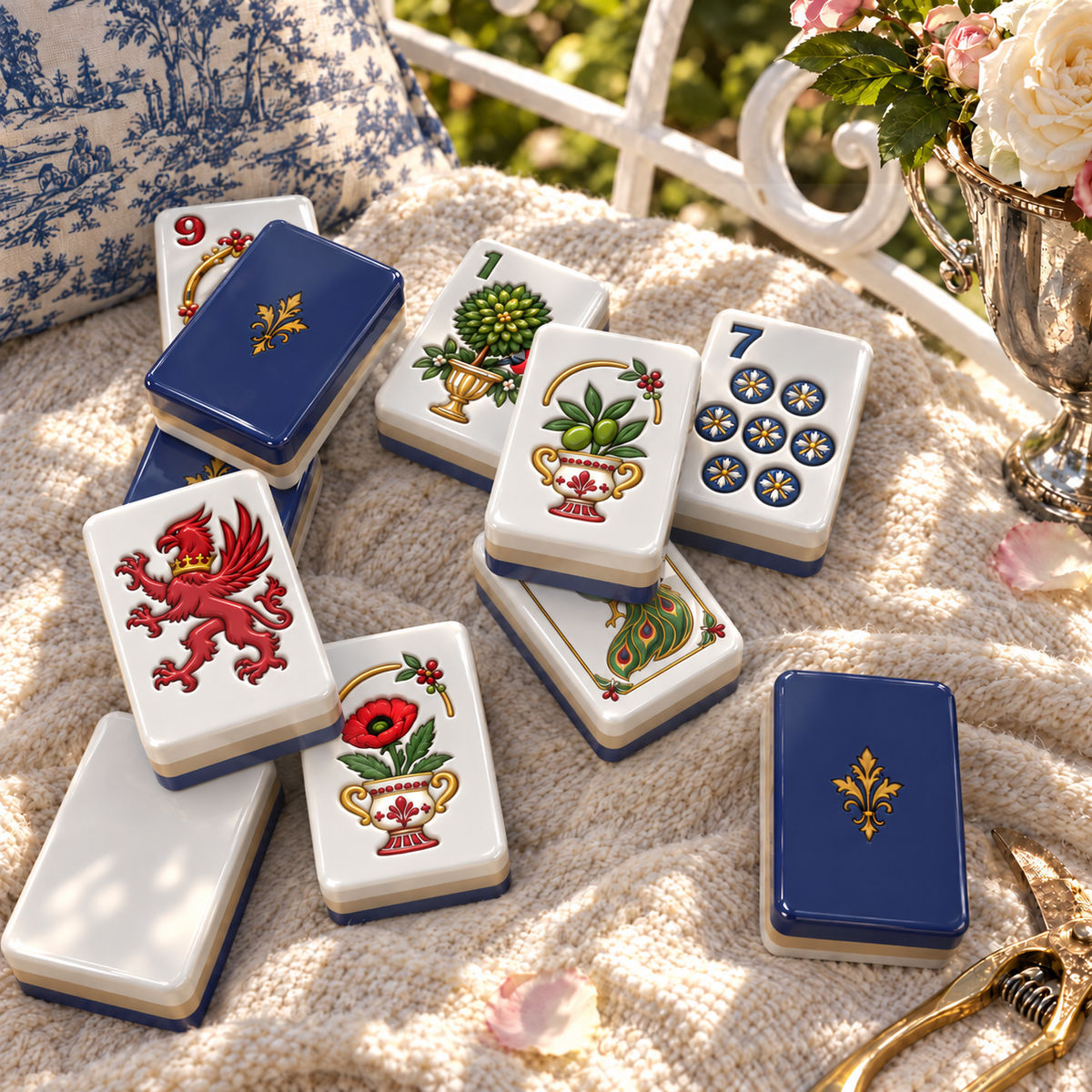
The Villages retirement community in Central Florida runs organized mahjong tournaments year-round through its recreation department and independent clubs. Most tournaments follow American mahjong rules (152 tiles, eight jokers, hands from the current National Mah Jongg League card) and meet weekly or monthly at recreation centers, clubhouses, and dedicated game rooms. Entry typically requires joining a club or paying a modest participation fee per tournament; games usually run 2–4 hours. To compete, bring a valid tile set (we recommend engraved American mahjong sets so tiles stay consistent), your current year's card, a pen for scoring, and ideally a mat to protect the playing surface. Check with the community's main recreation office, ask at clubhouses, or join local meetup groups focused on The Villages to find tournament schedules and entry contacts.
Most tournaments at The Villages follow American mahjong rules and meet weekly or monthly at recreation centers or dedicated game rooms. Entry typically requires joining a club or paying a modest participation fee; games run 2–4 hours. To compete, bring a valid 160-tile set, your current year's card, a pen, and ideally a protective mat. Check the community's recreation department, local clubhouses, or meetup groups to find tournament schedules and entry contacts.
🀄 Shop best-selling mahjong sets →
How do you find mahjong tournaments at The Villages?
The Villages recreation department publishes a seasonal activity guide available online and at all clubhouses, listing mahjong clubs, tournaments, and meeting times. Most tournaments happen in dedicated game rooms or multipurpose halls within residential neighborhoods. Join a neighborhood mahjong club directly—ask residents or stop by a clubhouse bulletin board. Meetup.com and Facebook groups for "The Villages mahjong" often post tournament dates and entry links. Call the main recreation office for a current tournament calendar and ask which events welcome newcomers.

What American mahjong rules apply in tournament play?
Tournaments at The Villages follow official American mahjong rules: 152 tiles (three Bam/Crak/Dot suits, each numbered 1–9 in four copies; 16 winds; 12 dragons; 8 flowers) plus eight jokers. Hands are drawn from the current year's National Mah Jongg League card—the card changes every spring. Jokers cannot be used as a single tile or in a pair. Exposed melds must be pungs (three identical tiles), kongs (four identical), quints (five), or sextets (six); no sequences or "chows" are allowed in American play. Scoring follows the League card: each hand lists its point value. Before each hand, players conduct the Charleston—a tile-passing ritual that distributes hands fairly.
What equipment and supplies do you need to bring?
Bring a complete 160-tile American mahjong set, a pen and small notebook for scorecard tracking, and your current-year National Mah Jongg League card (usually available through mahjong retailers or online). A protective mat prevents tile and table damage during fast games. Racks with pushers organize your tiles and speed up play—most experienced players use them. A small bag or case protects your set during transport to and from tournaments. Bring cash if entry fees are collected on-site. Ask the tournament organizer in advance about whether sets, cards, or scoring supplies are provided or if you must supply your own.
🎁 See our most-loved mahjong sets & accessories →
What's the difference between casual play and tournament format?
Comparison: Casual vs. Tournament Mahjong
Aspect | Casual Play | Tournament Play |
Frequency | Weekly social games | Scheduled bracket events (weekly/monthly) |
Hand Selection | Often players' choice; may repeat hands | Strict League card hands only; varies by round |
Scoring | Simple totals or house rules | Official League card point values; detailed tracking |
Time per hand | Variable; often 20–40 minutes | Controlled; typically 15–25 minutes per hand |
Tile Set | Personal preference; any 152-tile set works | Consistent, standardized set recommended; no worn or mixed tiles |
Penalty for errors | House rules or none | Formal penalty/disqualification under League rules |
Record-keeping | Mental or informal notes | Official scorecard; standings tracked across tournaments |
Tournament play demands faster decision-making, strict adherence to the current-year card, and standardized equipment so all players compete fairly. A high-quality, easy-to-read engraved set reduces hesitation and errors during rapid-fire rounds.

How do you prepare mentally and strategically for tournament play?
Study the current-year National Mah Jongg League card weekly for two to four weeks before your first tournament. Memorize the high-point hands (worth 50+ points) and common opening patterns so you can spot them quickly during play. Practice speed: time yourself completing practice hands in 15–20 minutes. Review how jokers work so substitution is automatic. Play in casual weekly groups first to build comfort with the pace and rule nuances. On tournament day, arrive 15 minutes early to settle nerves and inspect your tiles for clarity. Eat a light meal beforehand; avoid caffeine jitters. During play, stay calm if you miss a hand—most tournaments run multiple rounds, so one loss does not decide the event. Mentally reset after each hand.
✨ Find your Mahstead set — free US shipping →
What mistakes should you avoid in tournament play?
Common Tournament Mistakes & How to Avoid Them
Worn or unclear tiles: Bring a clean, well-maintained set. Faded or chipped tiles slow play and cause misreads. Replace tiles showing significant wear before entering.
Outdated League card: Print or buy the current-year card (issued in spring). Using an old card means you'll miss that year's hands and risk disqualification.
Slow Charleston: Practice the tile-passing ritual beforehand. Hesitation or confusion wastes time and frustrates table-mates. Learn the Charleston step-by-step so it becomes second nature.
Joker misuse: Remember—jokers cannot be a single tile, a pair, or used in a quint/sextet as a natural tile replacement unless the card explicitly allows it. Confirm rules with your organizer.
Poor tile organization: Use racks with pushers to keep melds visible and separate from your hand. Messy tiles cause meld-calling delays.
Arguing about scoring: Bring a pen and notepad. Record each player's points immediately after each hand to avoid disputes. Tournament organizers usually have a master scorecard, but tracking your own prevents confusion.
Arriving unprepared: Confirm entry fee, start time, and which cards/sets are provided. Call ahead or email the organizer 48 hours before to ask any questions.
What to check before you buy a tournament set
Choose a 160-tile acrylic American mahjong set with:
Clear, legible faces: Numbers and suits must be readable from across the table under fluorescent or natural light. Test before buying if possible.
Consistent weight and balance: All tiles should feel identical; uneven tiles slow play.
Durable paint or engraving: Tiles should resist wear after dozens of plays. Engraved designs outlast painted ones.
Complete inventory: Confirm you receive 152 playing tiles plus spare tiles. Count them before your first tournament.
Smooth edges: Rough or splintered edges damage nails and slow tile handling. Run your thumb over several tiles.
Sturdy storage: Check the set includes a bag or case that protects tiles during transport.
Our best-selling collection includes durable acrylic sets with engraved faces, protective mats, and travel bags. Free shipping across the US means you can prepare at home before your first tournament.

FAQ
How often do mahjong tournaments run at The Villages?
Most clubs organize weekly or bi-weekly casual tournaments, with larger bracket tournaments monthly or seasonally. Check the recreation department calendar or local club bulletin boards for exact schedules, as timing varies by neighborhood and club.
Do I need to be a Village resident to enter tournaments?
Most tournaments at The Villages are open to residents only, but some clubs host open play nights or accept non-resident members for a fee. Contact the recreation office or specific club directly to confirm eligibility and entry requirements.
Can I use a set borrowed from a friend in a tournament?
Yes, provided the set is complete, tiles are readable, and they meet tournament standards. Many newcomers borrow sets for their first event. For ongoing participation, bring your own so you're familiar with tile feel and weight.
What if I don't know how to play American mahjong yet?
The Villages offers beginner lessons through its recreation department and independent clubs; ask at any clubhouse. Our mahjong for beginners guide covers rules, hand-reading, and strategy before you enter your first tournament.
What's the typical entry fee or cost to play?
Entry fees vary by club and tournament format. Some clubs charge per hand (usually a modest amount), others charge per tournament session. Ask the organizer when you register so you can budget accordingly.
Should I join a club before playing in my first tournament?
Joining a club gives you access to weekly practice games, mentorship from experienced players, and guaranteed tournament spots. Most clubs welcome new members and offer a low annual or monthly membership; it's a good investment if you plan to play regularly.


View More
View More
View More
