
Vintage Style Mahjong Tote: What to Know Before Buying
Last updated: Nov 23, 2026
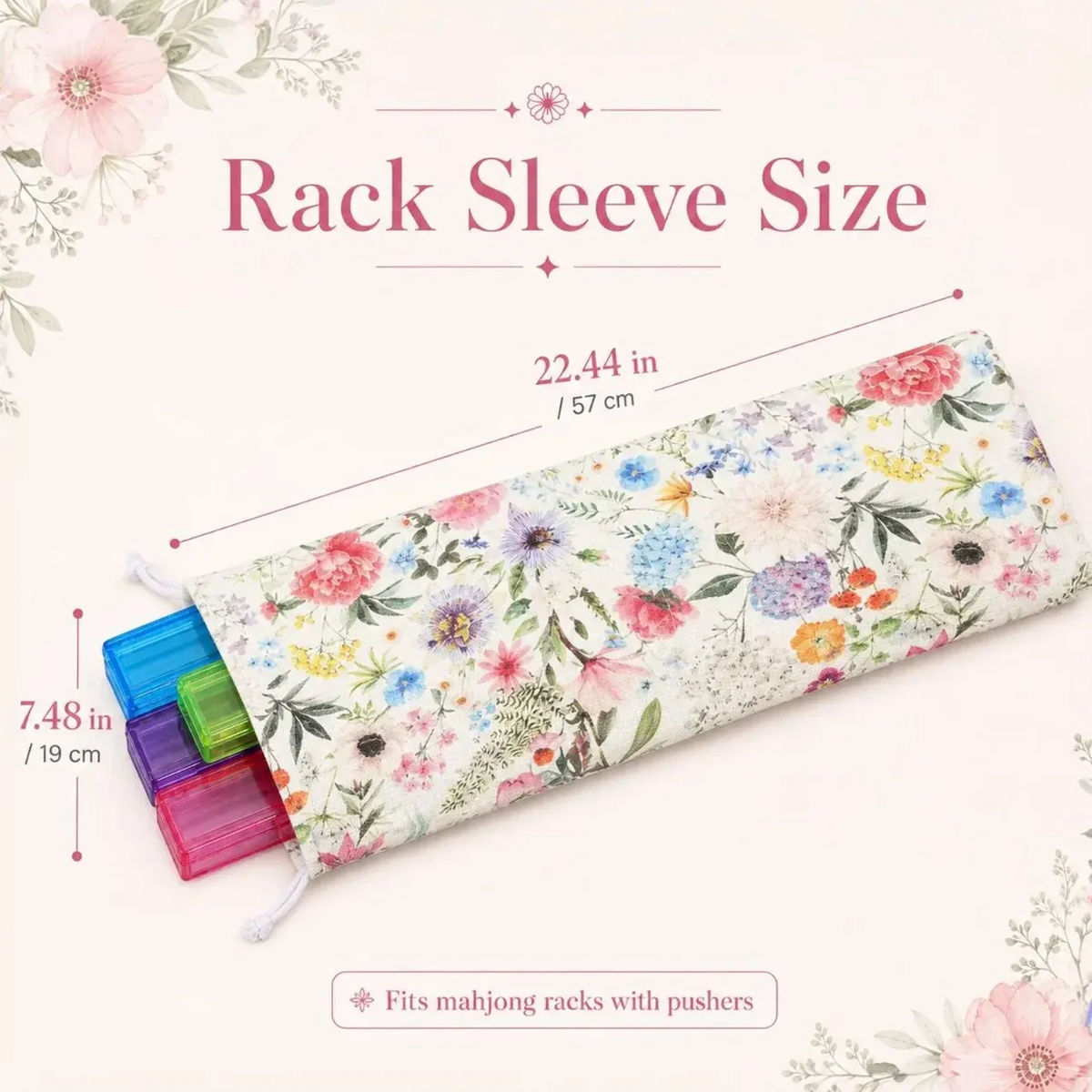
A vintage style mahjong tote is a structured carry bag, typically canvas, jacquard, or tapestry-weave, designed to hold a complete American mahjong set (152 playing tiles plus spares), a padded mat, and often racks with pushers—all without the tiles shifting. Unlike modern nylon gym bags, vintage-inspired designs recall mid-century aesthetics: muted tones, embroidered or woven tile motifs, sometimes faux-leather trim. We've found they work best for players who host weekly games and want their set to arrive intact and feel like an heirloom. Capacity ranges from snug (just a set and card) to spacious (room for two complete sets and accessories). Check the interior before ordering: reinforced seams at stress points matter more than exterior fabric; a thin lining lets corners poke through after a year of play. Our travel bag collection includes vintage-look options that fit everything you'll need. 🀄 Shop best-selling mahjong sets →
What makes a tote "vintage style" in mahjong circles?
Vintage style in mahjong gear means fabric, color, and construction that evoke 1950s–1970s aesthetics—the era when American mahjong boomed. Think heavy natural-fiber weaves (canvas, linen blend, jacquard), earth tones or jewel tones, perhaps a woven bamboo or tile pattern, and details like fabric handles rather than straps and structured (not slouchy) shape. The goal is to look intentional and timeless, not mass-produced. A truly vintage-inspired tote should feel sturdy enough to last ten years of weekly transport, not five seasons.

Does a vintage tote actually protect tiles better than a modern bag?
Not automatically—protection depends on padding and compartment design, not aesthetic. A vintage-look bag with thin walls and no dividers will let acrylic or bone tiles rattle and chip exactly like a flimsy modern one. What matters: reinforced corners, a padded base, and either a compartmented interior or space for bubble wrap. The vintage style is about how it looks at the table and in your closet; the vintage quality comes from fabric weight (measure by thread count or GSM—higher is sturdier) and seam integrity. If the product description doesn't mention padding or compartments, assume the tiles are loose inside, and reconsider.
Which vintage tote size fits a full American mahjong set?
A full American set with 152 playing tiles, 8 jokers, and spare tiles typically measures 10–12 inches (L) × 8–10 inches (W) × 4–5 inches (D) when nestled in a soft case or box. Add a padded mat folded in thirds: another 3–4 inches of depth and width. Vintage totes marketed as "mahjong" usually offer an interior of at least 12 × 9 × 5 inches to accommodate a set plus mat without cramming. Check the listing for interior dimensions, not just overall size; manufacturers often round up or list exterior measurements. When in doubt, contact the seller with your set's exact dimensions—most tote makers know their packing limits from player feedback.
How do you compare vintage mahjong totes by actual durability?
Feature | What to check | Why it matters | Red flag |
Fabric | Declared GSM or thread count (400+ is standard) | Thinner fabrics fray, fade, tear at corners | "Canvas blend" with no weight specs |
Seams | Reinforced stitching at handles and base; double stitching visible | Stress points fail first after 100 carries | Single stitch or glued seams |
Padding | Listed interior or base foam (1/4 inch minimum) | Protects tiles from corner dents and drops | No padding, or "soft-lined" only |
Compartments | Zipped dividers or at least elastic straps | Keeps tiles sorted and prevents shifting | One open cavity for all contents |
Handles or straps | Reinforced attachment points, handle width ≥2 inches | Spreads weight, won't dig into hands | Thin tape handles or glued-on rivets |
A bag that passes all five checks will survive five years of weekly games; one that fails two or more will need repair or replacement within two years.
What's the difference between a tote and a rolling case for mahjong?
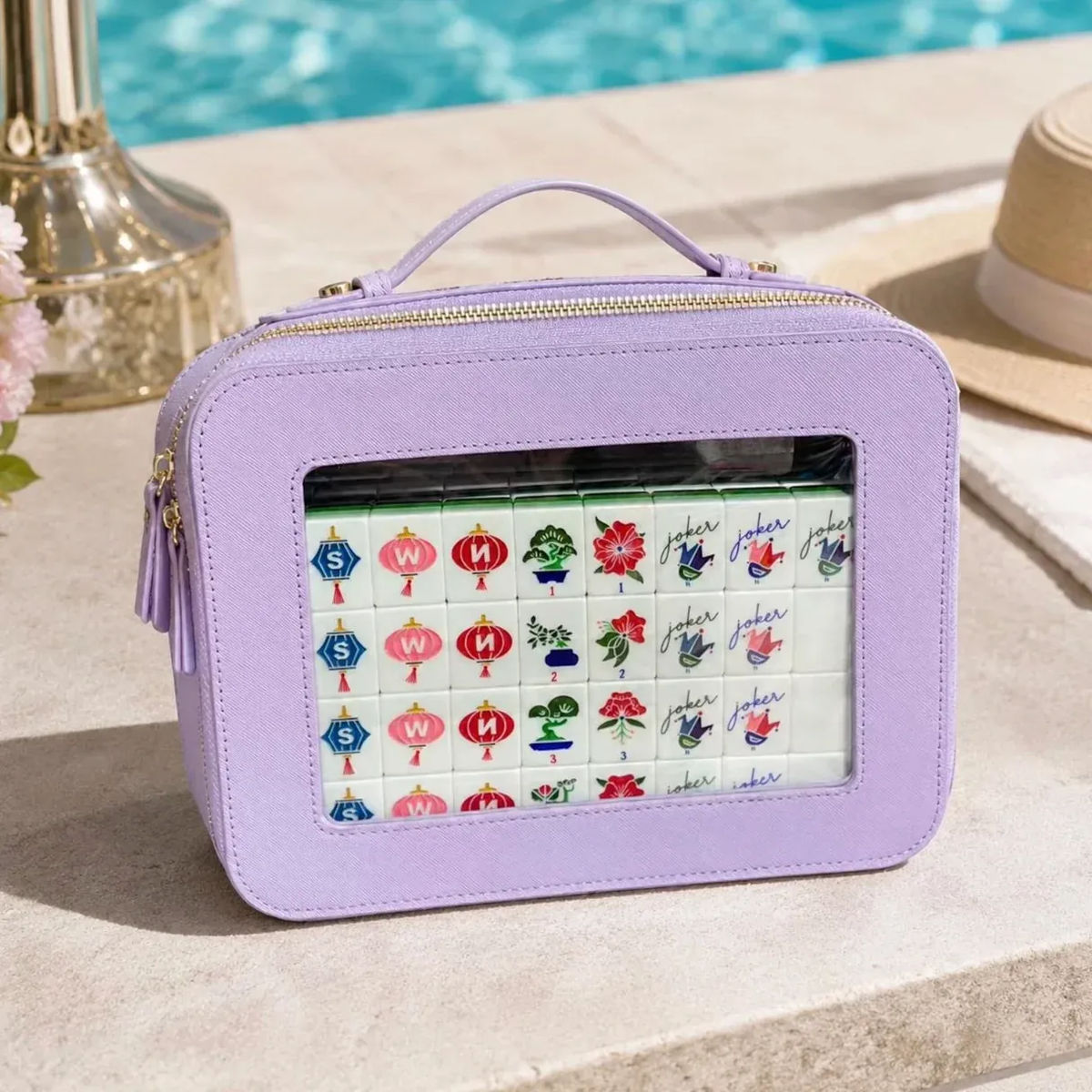
A tote is hand-carried, lightweight, fits under a car seat or in a coat closet, and suits players who walk or carpool short distances to game night. A rolling case has wheels and a telescoping handle, weighs more, takes up floor or closet space, but requires no arm strength and works better for tournaments or airport travel. Neither is "better"—it depends on your commute. If you're walking three blocks or climbing apartment stairs weekly, a vintage tote wins. If you're loading a car trunk weekly and want zero strain, rolling wins. Many serious players own both. Our travel bag collection includes both styles; a tote-loving friend might also appreciate a mahjong mat that folds compactly into a tote's side pocket.
🎁 See our most-loved mahjong sets & accessories →
How do vintage-style totes compare to new modern designs in practice?
Vintage-styled totes (woven fabrics, classic handles, structured shape, subdued colors) and modern designs (sleek synthetics, padded shoulder straps, sometimes silicone accents) each have trade-offs. Vintage totes tend to show wear gracefully—a scuffed linen bag looks more authentic after five years—while modern synthetics yellow or pill. Vintage totes are heavier and more rigid, supporting a full set without tipping; modern bags are lighter and collapsible for storage. Vintage interiors are often cotton, which breathes if tiles get damp; modern bags use nylon, which can trap humidity. Choose vintage style if you value aesthetics, durability, and don't mind 2–3 extra pounds; choose modern if you prioritize weight, washability, and don't care how it looks when not in use.
What should you check before ordering a vintage mahjong tote online?
Before adding to cart:
Interior dimensions and material. Measure your set's box or current bag; compare to the product's listed interior (not exterior) width, depth, and height. Confirm the interior lining—cotton or heavy canvas holds up; thin plastic backing peels.
Weight capacity and reinforcement. A full mahjong set plus mat plus racks weighs 6–8 pounds. Check if handles are double-stitched or riveted to the bag body; single stitching tears at 5–7 pounds of load.
Compartments or elastic straps. Open totes let tiles slide; look for at least two zipped pockets or internal straps to anchor a set case.
Photos of seams and hardware. Genuine vintage-inspired bags show close-up seam photos. Stock photos or low-res images suggest the maker hasn't tested durability.
Return or exchange policy. Most vintage tote makers allow 14–30 days for fit issues. If the listing says "final sale," assume the interior measurements are approximate.
Shipping weight and cost. A proper vintage canvas tote weighs 1–2 pounds empty; anything lighter is likely thin. Confirm shipping cost before checkout; heavy totes may have higher fees.
Our pick: We recommend checking our travel bag collection first—every tote there has been tested by players who actually transport complete sets weekly, and we've already vetted seams, padding, and fit against standard American 160-tile sets.
Which colors and patterns work best for vintage style?
The strongest vintage choices are jewel tones (deep red, forest green, navy) and earth tones (cream, tan, rust, moss) with subtle patterns: small-scale embroidered tile motifs, woven ikat or houndstooth, or solid fabric with contrasting handles. Loud graphics, neon, or photo prints read as novelty, not vintage. For durability, darker colors hide wear and play stains (inevitable after handling acrylic tiles). If you carry the tote outdoors, avoid cream or pale linen unless you plan to spot-clean weekly. Patterned fabrics (jacquard, tapestry weave) forgive fading better than solids. Most players keep the same tote for 5+ years; choose a color and pattern you'll want to see at your table every week, not a trend.
✨ Find your Mahstead set — free US shipping →

FAQ
Can you fit a mahjong set, mat, racks, and card in one vintage tote?
Yes, if the tote interior is at least 12 × 10 × 5 inches. A typical American 160-tile set in a padded case, a folded mat, and two racks fit snugly. Card storage is usually a small zipped pocket. Don't expect room for a second set or extra tiles unless the tote is oversized.
Why do vintage totes cost more than nylon bags?
Natural fabrics (canvas, linen, jacquard) and proper reinforcement (double stitching, leather trim, dense padding) cost more to produce than synthetic materials and single stitching. A genuine vintage-inspired tote from a quality maker reflects those materials and labor; cheaper bags cut corners on padding or seam count.
Should I wash a vintage mahjong tote, and how?
Spot-clean first with a damp cloth and mild detergent; most vintage fabrics don't hold up to machine washing. If you must wash, use cold water, gentle cycle, and air dry flat. Test a hidden corner first to check for color bleeding or shrinkage. Heavy-use totes benefit from professional dry cleaning every 2–3 years.
What's the best vintage tote for a player with arthritis or shoulder pain?
Choose a tote with reinforced handles at least 2 inches wide, padded handle grip, or opt for one with a removable shoulder strap instead of fixed handles. Vintage-style rolling cases (on wheels) eliminate arm strain entirely. Avoid thin or narrow handles that dig into the palm when carrying 8 pounds.
Do vintage totes hold up if I travel by plane with my mahjong set?
Yes, if the tote meets carry-on size limits (check your airline) and has reinforced seams and base padding. A full-sized vintage tote (12 × 10 × 5 inches) typically fits overhead bins. For checked luggage, wrap the tote in bubble wrap or place it inside a larger suitcase to protect from crushing. Don't rely on the tote's handles alone—secure it to luggage with a strap to prevent drop damage.


View More
View More
View More
