
Mahjong Tournaments in the Hamptons: How to Join & Play
Last updated: Nov 23, 2026
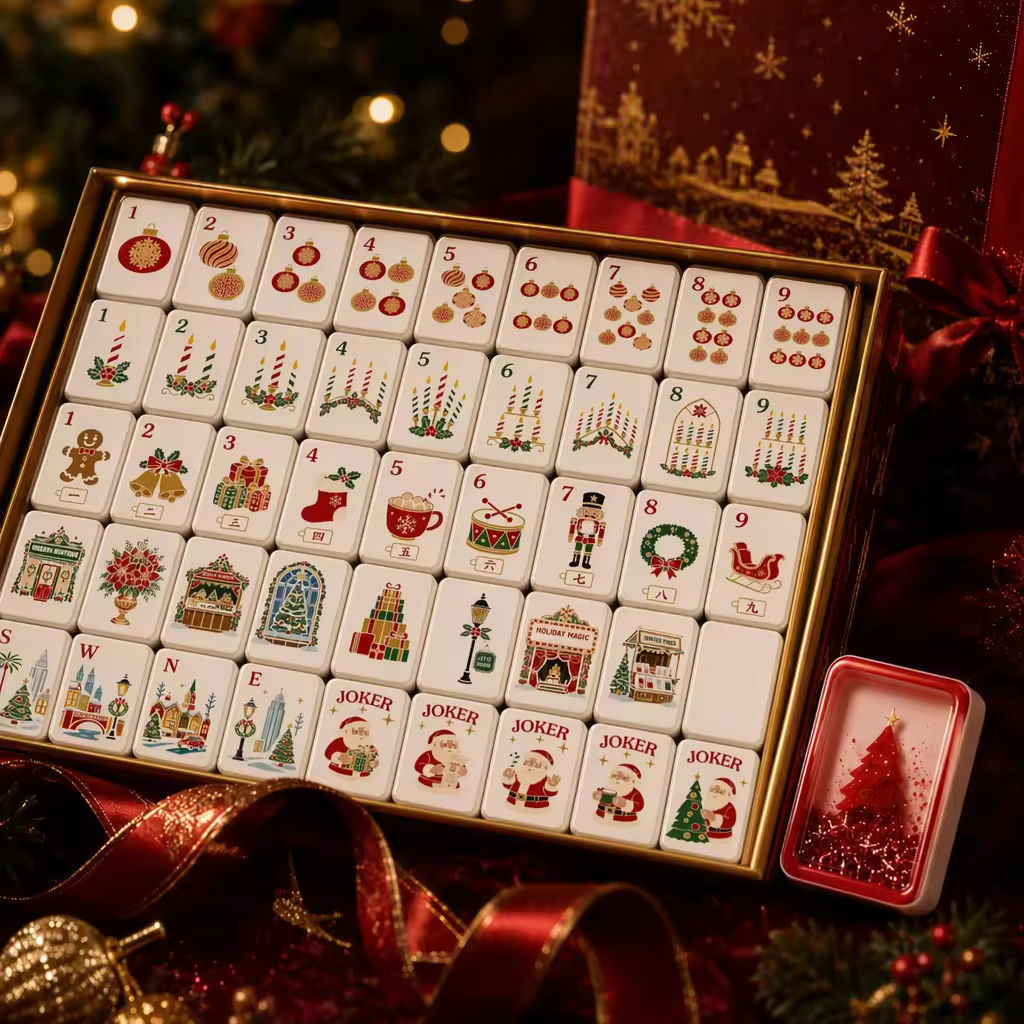
The Hamptons mahjong scene centers on formal tournaments held spring through fall and year-round casual competitive leagues. Most organized play happens through country clubs (especially in Southampton and East Hampton), Reform and Conservative synagogues, and community centers that advertise events through their websites and bulletin boards. Tournaments typically run 4–6 hours for multiple rounds; entry fees vary but usually range based on club membership. Expect American mahjong rules (152 tiles, the National Mah Jongg League card, the Charleston explained). To join: call local clubs directly, check synagogue event calendars, search Meetup for regional groups, and ask existing players for invitations to private tournaments. Bring best-selling mahjong sets that meet tournament standards—acrylic with clear pip markings—and a personal rack if allowed. #
Where Do Hamptons Players Find Tournaments?
Most Hamptons tournaments are hosted through private membership clubs, synagogues, and seasonal events rather than public sign-ups. Country clubs in Southampton, East Hampton, and surrounding towns (Westhampton, Quogue, Bridgehampton) often host weekend mahjong days and competitive series during shoulder seasons. Call the membership or social director directly and ask whether they run tournaments or maintain a waiting list for visiting players. Synagogues—particularly those with active sisterhood or cultural programs—post tournament schedules on their websites and community boards; check spring and fall calendars first, as these are peak seasons.
🀄 Shop best-selling mahjong sets →
Community centers in East Hampton, Southampton, and nearby towns occasionally sponsor mahjong events; these are often lower-stakes and more beginner-friendly. Meetup and local Facebook groups for Long Island and Hamptons residents sometimes advertise games and tournaments. Private tournament circuits also operate among established players—ask at beginner groups if you can get a referral. Visiting a casual game first is the easiest entry point: once you meet players, word-of-mouth leads to tournaments.

What American Mahjong Rules Should You Know Before Competing?
Hamptons tournaments use National Mah Jongg League rules exclusively, not Chinese, Hong Kong, or Riichi variants. The game uses 152 tiles: three suits (Bams, Craks, Dots), winds, dragons, flowers, and eight jokers. Only how jokers work is misunderstood—jokers can only replace tiles in exposed melds (pungs, kongs, quints, sextets), never in pairs or single tiles. You draw from the wall, discard, and chase the hand on the current year's card. No chows (sequences) can be called; hands are rigid combinations dictated by the card.
Before entering a tournament, ensure you can read the mahjong card fluently. Learn American mahjong scoring so you understand payouts and bonus calculations. Practice the Charleston—the pre-game tile pass—until it's automatic; most players expect smooth, quick exchanges. Play at least 20 casual games with experienced players before entering a tournament; tournament pace is faster and table etiquette is stricter. Verify the exact house rules when you register: some clubs allow player partnerships; others rotate players between rounds.
How Do Tournament Formats and Rounds Work in the Hamptons?
Hamptons tournaments typically follow one of three structures: Swiss-system rounds (you play 4–6 matches; opponents are paired by score after each round), round-robin (everyone plays everyone once or twice), or ladder play (winners advance, losers drop). Swiss rounds are most common because they accommodate varying skill levels and finish in 4–6 hours.
Format | Rounds | Duration | Payouts | Best For |
Swiss-system | 4–6 | 4–6 hours | Top 3–4 places | Mixed skill, one-day events |
Round-robin | 3–4 | 5–7 hours | Cumulative scores | Smaller groups (12–16 players) |
Ladder play | Varies | 3–4 hours per session | Weekly winners | Ongoing weekly series |
Most tournaments start 9:00–10:00 a.m. and finish by 3:00–4:00 p.m. with lunch break. Each round runs 30–45 minutes. Payouts are typically modest (enough to cover entry fee for first place, partial refund for second/third). Ask the organizer in advance about format, entry fee, and whether it's single or multiple rounds. Bring a personal mahjong rack with pushers if the club allows (some provide); pushers speed up tile movement and prevent accidental exposures.

What Equipment Should You Bring to a Hamptons Tournament?
Tournament organizers usually provide the table, wall pegs, and often the tiles—but bringing your own equipment ensures you're comfortable and tournament-compliant. A high-quality acrylic set is standard; tiles must have clear, readable pips and numbers. Verify with the host before the day: some clubs use house sets exclusively; others let you use personal sets as long as all four players agree.
A personal mahjong rack with pushers is optional but recommended if allowed. Racks speed up play and reduce errors (tiles can't tip over mid-game). If you use a rack, confirm the club's policy—traditional etiquette players may disapprove. A scorepad or phone app for tracking is essential; bring a pen. A small mahjong bag or case protects your set during travel from home to the Hamptons. Wear comfortable, casual clothing; most Hamptons tournaments are informal despite their competitive nature.
Bring water and a light snack; some clubs provide refreshments, but it's better not to assume. Arrive 15 minutes early to check in, meet your first-round opponents, and verify house rules.
🎁 See our most-loved mahjong sets & accessories →
How Do You Prepare Strategically for Your First Tournament?
The biggest mistake new tournament players make is underestimating the speed and psychology of competition. Even strong casual players can freeze up when playing for points and facing unfamiliar opponents. Start preparation 4–6 weeks before:
Week 1–2: Play at least three casual games per week with strong players. Ask them to play at tournament pace (faster discard, quicker wall draws). Identify your weakest hand types on the card and drill them.
Week 3–4: Play in a low-stakes casual tournament if one is available. Focus on smooth, confident play rather than winning.
Week 5–6: Review the current year's card one final time. Learn which hands require specific tile distributions; some hands almost never come up. Memorize the most common hands in your circle.
Before the event: Sleep well, eat breakfast, and arrive early. Chat with other players before Round 1 to calm nerves.
During play, remember that tournament mahjong emphasizes tile safety (discarding strategically to avoid giving opponents easy wins), reading opponents' hands (tracking discards to infer what they're chasing), and pacing (not panicking if you lose a round). One bad round doesn't determine the outcome in Swiss-format events; you'll play multiple rounds and recharge between them.
✨ Find your Mahstead set — free US shipping →
What Equipment Standards Do Hamptons Tournaments Enforce?
Tournament hosts care most about tile legibility and game integrity. Tiles must be:
Acrylic or durable composite (no paper or bamboo in formal events)
Clearly marked with legible Bam, Crak, and Dot symbols and numbers
Complete (all 152 tiles plus eight jokers present and undamaged)
Free of markings or wear that could reveal information to other players (bent corners, faded pips)
House sets are almost always acrylic tournament-grade tiles. If you bring your own, test them under tournament lighting first. A set that looks clear at home may have pips that fade in different lighting. Flowers and seasons should be clearly distinguishable; a tournament referee can force a replay if tiles are ambiguous.
Racks, pushers, and bags have no tournament restrictions—they're optional player aids. Bring them without worry. Dice, scoring apps, and personal scorepads are always allowed.
What to Check Before You Buy a Tournament-Ready Set
Tile material: Is it acrylic (best for durability) or resin-composite?
Pip visibility: Can you read pips clearly from arm's length in various lighting?
Completeness: Does the set include exactly 152 playing tiles plus eight jokers?
Joker quality: Are joker tiles clearly marked and unambiguous?
Case or bag: If you're traveling to the Hamptons regularly, a protective case prevents damage in transit.
Browse the best-selling mahjong sets to compare designs and features; each product page shows tile material, design, and sizing. All Mahstead sets ship free across the US and are pre-tested for tournament compliance.
#

FAQ
Do I need to be a member of a country club to play in Hamptons tournaments?
No. While country clubs host many events, membership isn't always required; call ahead and ask if guest or day-pass options exist. Synagogues, community centers, and private player groups offer non-member entry. The easiest path is joining a casual weekly game and asking for tournament invitations.
What's the cost to enter a typical Hamptons tournament?
Entry fees vary by host but usually range from minimal (casual community-center events) to moderate amounts (established club tournaments). Ask when you register—fees typically cover administration and room rental, with payouts to top finishers. Bring cash and check if they accept Venmo or cards.
Can I use a tile set I bought online, or must I use the club's tiles?
Most clubs allow personal sets if all four players at your table consent. Tournament-grade sets (acrylic, clear markings, complete 152-tile + 8-joker count) are accepted without question. Ask the organizer before the day to avoid surprises.
How many players usually enter a Hamptons tournament?
Typical tournaments seat 12–24 players (three to six tables). Smaller casual events might have 8–10; large seasonal tournaments can exceed 30. The format determines how many rounds you play; in Swiss-system events, you play 4–6 matches regardless of total player count.
What if I'm a beginner—should I still enter a tournament?
Yes, if you've played at least 15–20 casual games first. Look for community-center or synagogue beginner tournaments, or ask if the club runs a beginner flight (separate ladder for newer players). Experienced opponents will respect effort; tournament play improves your skills faster than casual games.
Are there online Hamptons mahjong groups where I can find games?
Yes. Meetup.com lists Long Island and East End groups; search "mahjong Hamptons" or "mahjong East End." Facebook groups for East Hampton and Southampton often post weekly game announcements. Join these groups first, introduce yourself, and ask for tournament referrals.


View More
View More
View More
