
American Mahjong Scoring: Hand Values & Winning Rules
Last updated: Nov 23, 2026
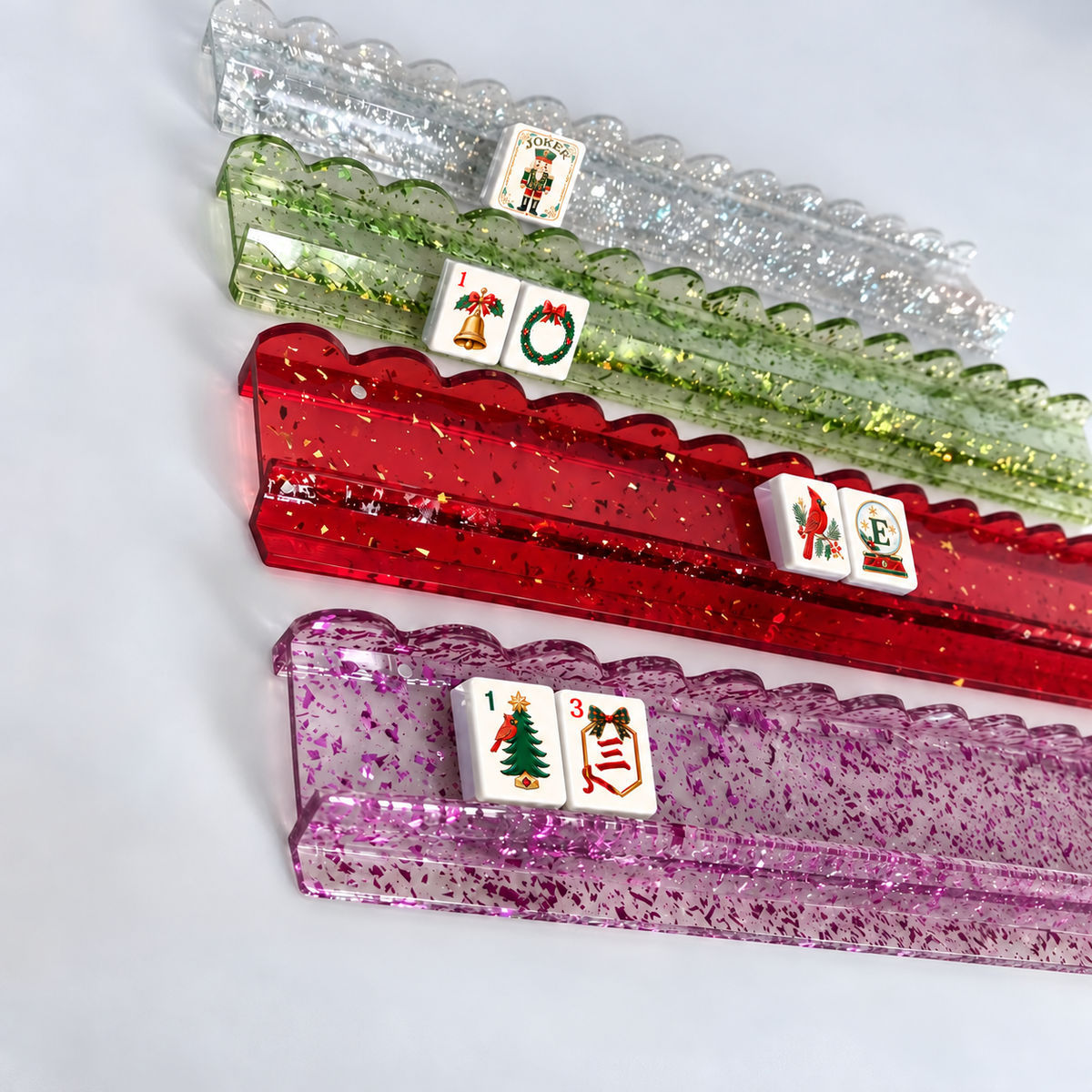
American mahjong scoring works by hand value alone: if your winning hand matches a pattern on the current year's National Mah Jongg League card, you score. Each hand on the card carries a point value—typically 30 or 40 points for standard hands, higher for rare patterns. When you win, all other players pay you that hand's value in chips or points. There's no scoring for sets (pungs, kongs) during play: points are earned only upon a valid win. The hand must be complete (13 tiles in your hand plus 1 drawn), and if no one's hand matches the card, the round ends with no payment. Speed, luck, and knowing the card's patterns decide winners—not tile combinations you invent yourself. A typical game of four players runs two to four hours, with a scorekeeper tracking cumulative totals.
What hand values appear on the card?
The National Mah Jongg League card lists hundreds of winning patterns, each with a fixed point value printed beside it. Most hands are worth 30 or 40 points. Higher values (50, 60, 70 points or more) apply to harder-to-build patterns: all one suit, all dragons and winds, quints or sextets, or specific numeric sequences. Rarer combinations—"like hands" grouping similar suits or numbers—command premium values because they're statistically tougher to assemble. The card changes every spring, so a hand valid in 2026 may differ from 2025. You only score if your tiles match a hand on that year's card; inventing new patterns scores zero. The card is your rule book and scoreboard combined—knowing it well accelerates both play speed and payoff recognition.
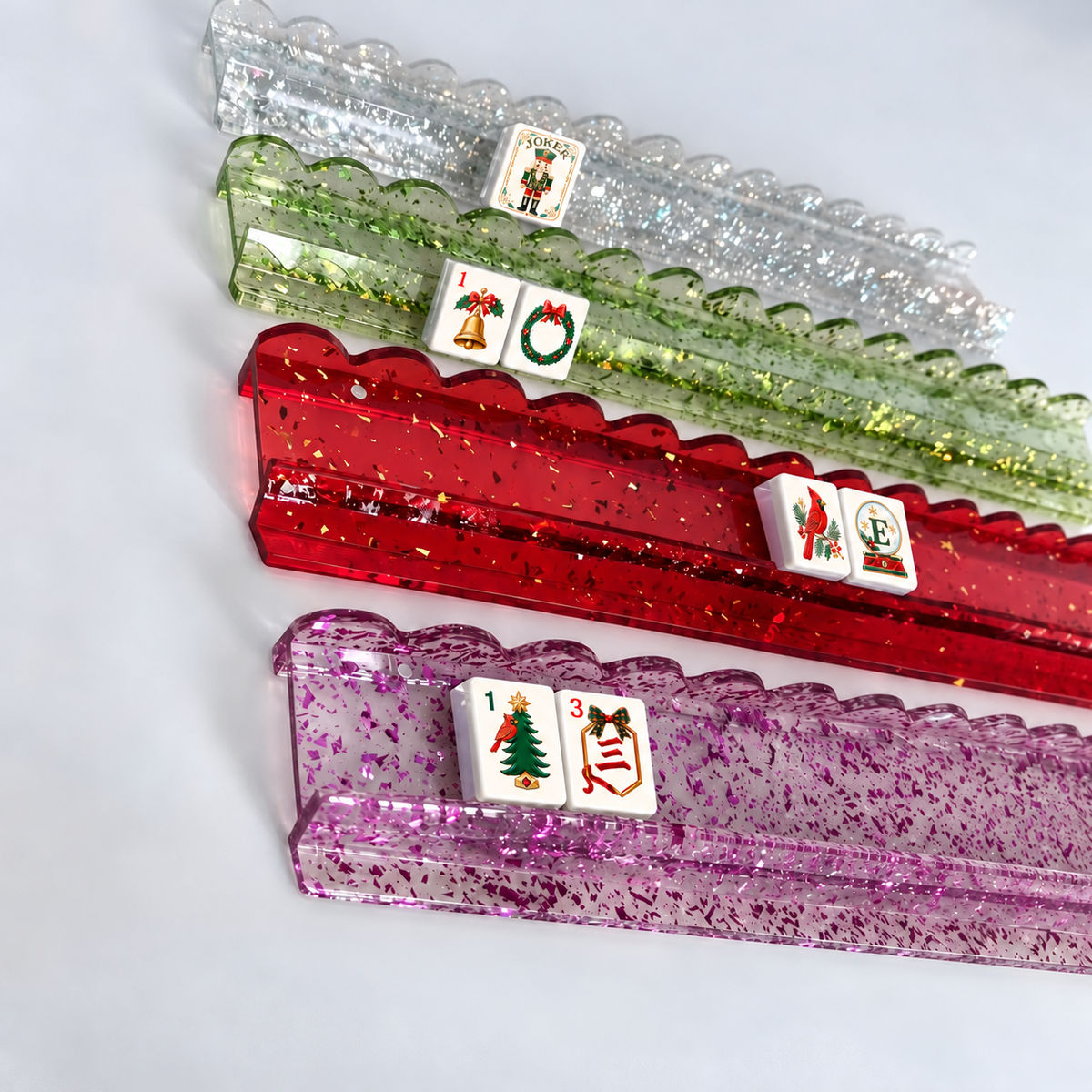
How much does each player pay the winner?
When you win with a valid hand, all three other players each pay you the hand's point value. If your winning hand is worth 40 points, you collect 40 points from East, 40 from South, 40 from West—120 points total into your pile. If East drew the winning tile (instead of you), East pays double: 80 points, while South and West each pay 40. This "double payment from the discarder" incentivizes caution when another player is close to winning. At game's end, tally cumulative scores; highest total wins. Some groups play with chip exchanges (one chip = one point) or currency conversion, but the core math stays the same. A player with a string of wins can recover early losses quickly; a player who discards winning tiles pays more per round.
What's the difference between a win and a false win?
A false win—claiming a hand that doesn't match the card—is a critical error. The player must typically pay a penalty (often 10 points per opponent, or double payment for that round). Always verify your hand against the card before calling mahjong. Cross-check suit, number, pung or kong type, and joker count (the card specifies where jokers are allowed). A common slip: mistaking a hand for one section when it belongs in another; the card groups hands by suit, then by pattern type. Another trap: forgetting that you drew a joker; if a pattern shows one joker and you have two, it doesn't match. Slow down, use your fingers to trace each element of your hand against the printed pattern, and ask a veteran if you're unsure—false wins cost you more than a missed round.
How do you score if nobody wins?
If no player completes a winning hand before the wall is exhausted (all drawable tiles are gone), the round ends with no payment. No one scores; the discard pile stays neutral. The East player passes to the next player, and a new game begins. This isn't uncommon early in a game when players are less familiar with the card or when luck doesn't align. It can also happen late-game if opponents play defensively (holding onto tiles that others are chasing). In a long evening, you'll see dead rounds—they're normal and don't penalize anyone. Scorekeepers record them as "no hand" or zero, then reset for the next game. Some groups use a "dead hand" rule: if the player in a certain seat draws no tiles before the hand ends, that seat sits out the next round—house rules vary, so clarify at the start.
How do jokers affect your final score?
Jokers don't change your score directly—they only help you complete hands. The card shows which patterns allow jokers and where: for example, a pung of 5 Bams might be shown three ways: all natural tiles, one natural plus one joker, or two natural plus one joker. Each version is a different hand entry on the card, with the same or slightly different point values. Using more jokers doesn't reduce your payoff; it just makes the hand easier to build. Crucially, jokers can never form a single tile or a pair on their own (e.g., you cannot win with a pair of jokers). The maximum joker limit per hand is governed by the card: some hands allow up to two or three jokers, others allow none. Learning which patterns require all-natural tiles versus joker-flexible ones sharpens your strategy and tells you when a discard is safe.

What scoring system do veteran groups actually use?
Most American mahjong groups play with one of three scoring methods:
Scoring Method | How It Works | Best For |
Point Chips | Players exchange physical chips equal to hand value; convert to currency at game's end or tally as cumulative points. | Casual home games; easy to track and settle quickly. |
Cumulative Sheets | A scorekeeper writes down each win's point value per player; totals column at end of night. | Social groups preferring one tally; good for longer tournaments. |
Direct Payment | Winner collects cash or app transfers from losers on the spot. | Groups comfortable with real-money play; faster settlement. |
All three produce the same final ranking—the difference is accounting convenience. Whichever you choose, agree on it before the Charleston, and designate one scorekeeper to avoid disputes. If you host a weekly game, a scorekeeper role rotates or stays consistent; we find that consistency reduces errors and speeds settlement.
🀄 Shop best-selling mahjong sets →
Why does the hand have to be on the current card?
The National Mah Jongg League issues a new card every spring to keep the game fresh and challenging. Old hands expire; new ones replace them. This rule prevents players from relying on memorized patterns indefinitely and ensures every season feels like a reinvention. If you learned mahjong in 2024 and play in 2026, some of your old winning hands may no longer exist on the 2026 card. The card is the single source of truth: no house-rule modifications, no "common sense" patterns, no home-brew hands count. This strict standard protects game integrity across all clubs and tournaments. When you buy a mahjong set for beginners, always pair it with the current year's card—neither works alone.
What should you check before you buy scoring aids?
When hosting or joining a weekly game, you'll want tools to keep score cleanly and track hands visually. A scoresheet (printed or digital) is essential; many groups print a grid with player names, round numbers, and columns for wins and running totals. A card holder—or even a small acrylic stand—keeps the current year's card visible to all players without wear. Some players use a mahjong mat with built-in score tracks along the edges; these are especially helpful if you move between venues. Chips or tokens—which can be purchased as part of a mahjong set—let players manage payment quickly and track personal scores at a glance. A tile rack with pushers keeps your hand tidy and prevents accidental tile reveals, which protects your strategy and avoids scoring disputes.
🎁 See our most-loved mahjong sets & accessories →
How do you calculate a full game's total score?
Track each round's winner and loser payments as the game unfolds. At the end of each round, update each player's cumulative total. If Player A wins for 40 points, Players B, C, and D each lose 40, so A gains +120 (40 × 3) and B, C, D each lose −40. After eight or ten rounds, tally the final column: the player with the highest cumulative score wins. Many groups play to a set total (e.g., "first to 400 points") or a fixed number of rounds (e.g., "play until 9 p.m."). Scoring software or a simple spreadsheet reduces pencil errors. The player who won the most hands usually—but not always—ends with the highest score; one lucky high-value win can swing the game. This is why even a "losing" player stays engaged: one win shifts momentum.
✨ Find your Mahstead set — free US shipping →
What common scoring mistakes should you avoid?
Forgetting to double the discarder's payment: East drew a tile; Player B discarded it, and Player A wins. Player B pays double (80 for a 40-point hand), while A and East pay single (40 each). If B forgets, scores don't balance.
Confusing hand values year-to-year: The 2026 card may list a "Like Numbers" hand worth 40 points; the 2025 card listed it at 30. Always cross-check the current card before declaring a win.
Misplacing jokers on a hand: A pattern says "one joker"; you have two jokers in that set. Your hand doesn't match; you cannot claim it.
Not verifying before calling: Rushing to say "Mahjong!" without tracing your tiles against the card is the costliest error. A false win often triggers penalties. Slow down.
Mixing up payer roles: Ensure everyone agrees who paid whom before moving to the next round. One skipped payment throws off final tallies.
What to check before you buy
Verify the current year's National Mah Jongg League card is included or available with your set purchase. Ask the seller if scoresheets or scoring apps are part of the bundle. If you're hosting, confirm that your mahjong set includes enough chips or tokens for payment exchanges; our sets come with standard scoring chips. Check that tile quality is high—worn or faded tiles make scoring slower because pattern-matching becomes harder. If playing regularly, invest in a scorekeeper's pad or printed scoresheet template to standardize record-keeping. A mahjong mat with score slots or a flat surface for a scoresheet keeps everything organized and visible.

FAQ
Do I earn points for every pung or kong I make during play?
No. American mahjong awards points only when you win with a complete hand matching the current card. Pungs and kongs built during play have no point value; they're just tactical moves to stay in contention.
What if two players complete a hand in the same round—does the first one to call win?
Yes. The player who calls "Mahjong!" first wins. In practice, the player who drew the winning tile (or claimed a discard) calls first. If both claim simultaneously, house rules apply—most groups award it to whoever drew the winning tile, or they replay the hand.
Can I use house-rule hand values instead of the card's printed values?
No. American mahjong follows National Mah Jongg League standards. Only hands on that year's official card are valid, and only at their printed values. Using house rules voids the game's competitive structure and causes disputes.
If I'm East and I discard a winning tile, do I pay the winner?
Yes—you pay double the hand's value, while the other two players pay single. This rule applies to any player whose discard led to a win, not just East.
How do ties in final score get broken?
Most groups play until clear separation. If two players tie at game's end, replay one tiebreaker round or agree to split the prize before starting. Confirm tiebreaker rules at the table's start.
Does a "dead hand" (no one wins) affect my score?
No. Dead hands carry zero points for all players. Your cumulative score doesn't change; you simply move to the next game.
Can jokers count as part of my winning pair?
Absolutely not. A pair must always be two identical natural tiles. Jokers can only fill spots in pungs, kongs, quints, or sextets—never a pair.
What happens if someone announces mahjong but made an error in their hand?
They've made a false win. Most groups penalize the false winner by paying a fee (often 10 points per opponent) or doubling the normal payment. Always verify your hand carefully before calling.


View More
View More
View More
