
Mahjong Party Ideas in Charlotte: Hosting & Game Night Themes
Last updated: Nov 23, 2026
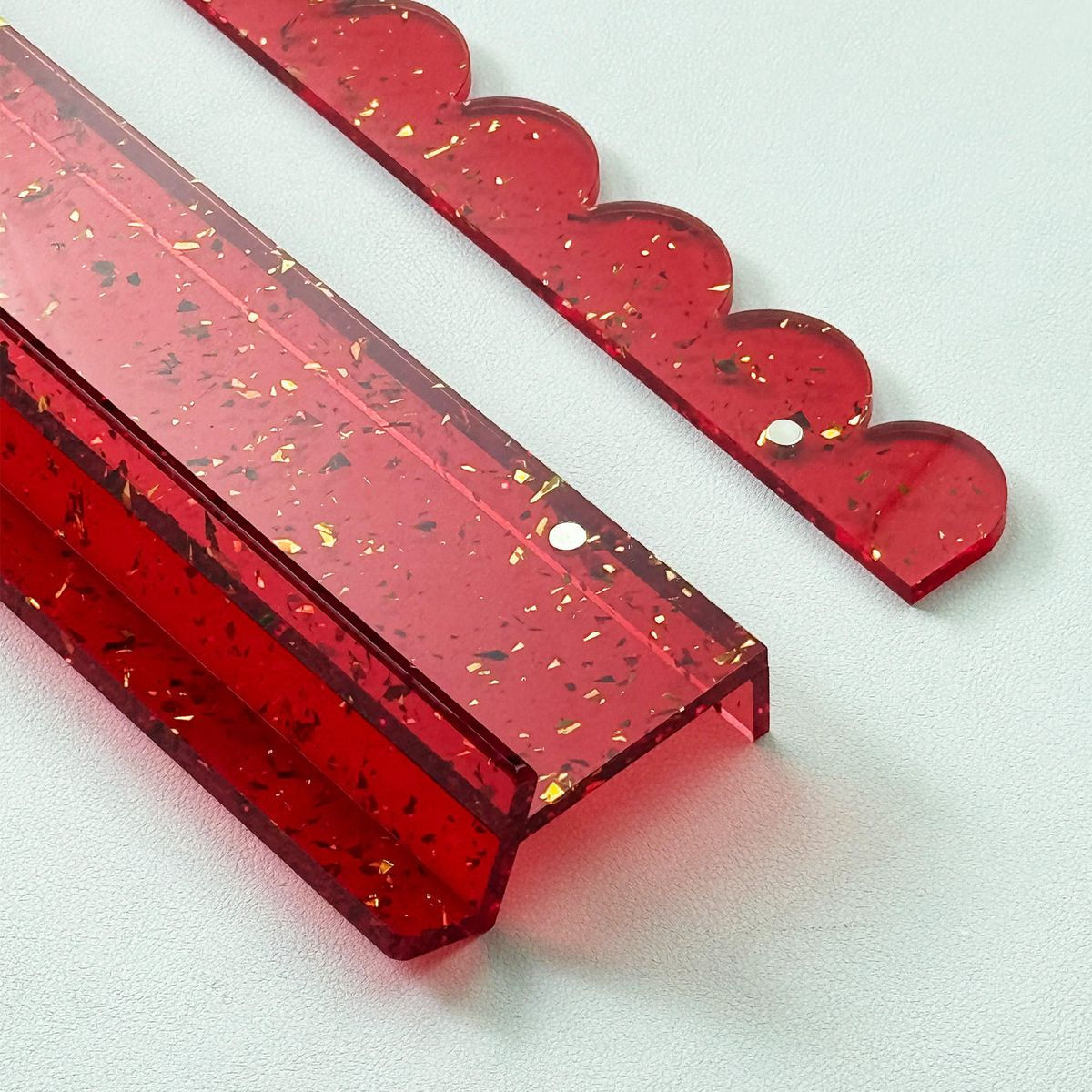
Mahjong parties in Charlotte start with the fundamentals: a standard 152-tile American set, four players, a current-year National Mah Jongg League card, and a flat playing surface. Most gather in living rooms or around dining tables on weekends; a typical game lasts 45–90 minutes per hand. Before tiles touch the table, players perform the Charleston—a ritual pass of tiles that randomizes the draw. You'll need a mat to protect your surface, racks to hold tiles upright, and a scorepad to track points. Hosting works best when you send a calendar invite two weeks ahead, ask guests to confirm tile experience level, and prepare a printed cheat sheet (a reference to hand-winning combos from the current League card). Themed nights—such as "red dragons" (all red-dragon-heavy hands) or seasonal sets—add personality without complicating the rules. A best-selling mahjong set with matching mat and pushers removes setup friction and signals to guests you take the game seriously.
A mahjong party in Charlotte works because the game itself is social: four players, no computer, one hour of concentration followed by laughter and trash talk. Whether you're hosting four regulars or introducing friends to the game for the first time, the setup and atmosphere matter as much as the tiles themselves. We've learned this from hosting weekly games in our Dallas store community—themed nights, clear signage, and the right equipment make the difference between a flat gathering and one people ask to repeat monthly.
What equipment do you actually need for a Charlotte home party?
A four-player game needs one complete 160-tile American mahjong set (152 playing tiles plus spares), four tile racks with pushers, a mat, a scorepad, and a printed copy of the current year's National Mah Jongg League card. The set anchors the night; racks prevent tile fumbling and tile-dropping drama (the number-one distraction at beginner tables); a mat protects your table surface and dampens noise so neighbors don't hear tile-clicking at 10 p.m. A scorepad and pen keep scores honest—no mental math arguments mid-game. The League card is non-negotiable: players can't call or expose hands that don't match it, and every Spring the card refreshes, so hosting with last year's card will derail everyone. A mat is a practical choice for first-time hosts because it signals competence and comfort. If guests bring their own sets, compare tile sizes and colors before shuffling hands together—mixed sets create confusion during wall-building.
🀄 Shop best-selling mahjong sets →

How do you set up the space to keep the game moving?
Position your table in a well-lit area with three feet of clearance on all sides so four players can sit comfortably and reach the tile wall. Use one wall (a section of the North player's side) to stack tiles face-down in a specific pattern before the draw begins—this wall is essential to American mahjong and new hosts often skip it or build it wrong. Set one chair at each cardinal direction (North, East, South, West); East always goes first in the first hand. Clear phone distractions and set a timer for the Charleston (three minutes total). Arrange scorepads and pens at a neutral spot away from the tile action so no one leans over the hand mid-tile-flip. If hosting beginners, post a laminated summary of legal hands near the scorekeeper—it speeds up validation and keeps energy high. Dim overhead lights slightly and use a desk lamp over the mat so players see tiles clearly but don't strain. Charlotte's humidity can warp paper scorecards; bring a clipboard with a damp-resistant pen instead.
What's the best way to welcome first-time mahjong players to your party?
Send invitations two weeks ahead and ask each guest to share their mahjong experience level (never played, watched once, played a few times, regular player). This lets you adjust your teaching pace and pair newcomers with patient regulars. On arrival, spend ten minutes walking first-timers through the tile types—Bams, Craks, Dots, Winds, Dragons, Flowers, Jokers—and explain that flowers are bonus tiles (you draw an extra tile when you flip one). Show them how the current League card works: a winning hand is a specific combo of exposés (pungs, kongs, or quints) and a pair that matches an exact pattern on the card. Run one practice Charleston so they feel the rhythm. Explain that jokers can only fill gaps in exposed sets (pungs, kongs, quints, sextets) and never form a pair or single tile by themselves—this rule prevents confusion at hand-end. When teaching beginners, go slow on how jokers work because it's the rule that breaks most first-time wins. Have printed hand examples ready (describe three or four winning patterns in general terms) so players visualize early wins. Tell them: "You'll lose the first night and love it anyway."
What themed party ideas keep mahjong nights interesting over time?
Theme | How It Works | Who It's For | Why It Clicks |
Red Dragons | Hands heavy on Red Dragon pairs/exposés | Pattern lovers | Narrows hand choices, feels achievable |
Seasonal Sets | Swap your table mat/set design each quarter | Collectors, decorators | Fresh energy without rule changes |
Beginner-Only Night | Invite four newer players only; go extra slow | Growing players | Reduces anxiety, builds confidence |
Scorekeeper Challenge | Scorer tracks every point on a visible board | Competitive groups | Makes math part of the game |
Heritage Night | Discuss the history of Chinese, Hong Kong, & American rules | Cultural enthusiasts | Deepens respect for the game |
Themes work because they give a single narrative to the night—everyone knows what to expect and why the tiles are arranged a certain way. A "Red Dragon" theme is perfect for Charlotte winter gatherings because players spend less time agonizing over which hands are legal and more time claiming tiles. Seasonal themes reward collectors: you can rotate Christmas mahjong sets in December, springtime pastels in May. Beginner-only nights build a feeder pipeline—once four players feel solid, they're ready for a mixed table. Keep themed nights to once a month so they stay special; too many themes and people tune out.
🎁 See our most-loved mahjong sets & accessories →

How do you score and settle up without arguments?
American mahjong scoring depends on the hand pattern, how it was exposed (all hidden, partially hidden, all exposed), and whether the winning tile came from the wall or a discard. The National League card lists each hand with a point value (ranging from 30 to 960 points). Assign one player as scorekeeper at the start—rotate this role each hand so no one feels burned out. After each hand winner is confirmed, the scorekeeper reads the winning hand aloud, finds it on the card, and announces the base points. Players pay the winner according to a fixed formula: typically, non-winning players each pay the full point value if the win came from a discard (penalty for discarding the wrong tile), or split the cost if the win came from the wall. Write scores on a running tally so everyone sees the math. At hand-end, verify the scorekeeper's math by having one other player double-check the card before announcing the settlement. This two-person check prevents 90% of disputes. Use an online scorecard app or a printed sheet with columns for each player—no mental arithmetic at the table. After four hands (one full round of dealers), total the session score and settle via Venmo or cash on the spot so there's no awkward "you owe me" lingering into next week.
What's the honest truth about hosting parties with mixed skill levels?
Mixed-level games are harder to host than they sound. Beginners get frustrated watching regulars call hands they don't understand; regulars get bored waiting for teaching moments. Our best mixed-level parties work when we slot two regulars and two mid-level or newer players at the same table, pair them as teammates mentally (not in scoring, but in attitude), and set a "teaching hand" rule: if a beginner calls a hand the rest of the table deems illegal, explain briefly why and have them discard and re-draw instead of losing the hand. This keeps energy light. Set a timer of 20 minutes per hand for beginner-heavy tables; experienced groups play faster. One honest tip: regulars often feel they "should" dumb down their play to let newcomers win—don't. Play your best game; beginners learn faster by watching skilled decisions, and winning eventually feels more earned.
✨ Find your Mahstead set — free US shipping →
What should you check before hosting your first Charlotte mahjong night?
Before you send invites:
Confirm your table surface is stable (wobbly tables kill focus and tile walls collapse).
Verify your mahjong set is complete—count tiles or check the box; short sets ruin games mid-way.
Print or download the current year's National Mah Jongg League card; using last year's card invalidates all hands.
Test your racks if they're new; make sure tiles slide smoothly without jamming.
Check room lighting—no glare on tiles, no harsh shadows.
Day-of setup:
Arrange seating so all four players have equal reach to the tile wall.
Lay out the mat and confirm it's clean and wrinkle-free.
Place scorepad, pens, and League card reference copies within arm's reach but away from the tile play area.
Set your phone to silent and ask guests to do the same.
Mid-party safeguards:
If a player calls a hand that doesn't match the card, pause and have two players verify before settling points.
If the wall runs short or a tile is missing, stop play immediately—don't guess or improvise.
Confirm all four players agree on the winning tile and the discard/wall source before announcing the score.
A mahjong bag keeps tiles, mat, and racks organized so your next party is a one-bag setup rather than a scavenger hunt through your closet.

FAQ
Where do Charlotte players typically host mahjong parties?
Most gather in living rooms, dining rooms, or around a dedicated table at home. Check community centers, synagogues, libraries, and country clubs for ongoing public games if you want to find regular weekly groups in your area rather than hosting.
Can you host a mahjong party with only three players or fewer?
Standard American mahjong requires exactly four players and specific rules apply. Two and three player variants exist but follow different hand patterns and scoring; they're not beginner-friendly at first party.
How much does a complete mahjong set cost?
Our best-selling mahjong sets range in price depending on design and materials; see current prices on the product page. Most sets include racks, mat, and scorepad as upgrades; individual tiles, mats, and racks are sold separately.
What's the easiest way to teach new players before the game starts?
Print one page showing the five tile suits (Bams, Craks, Dots, Winds, Dragons), the Charleston tile-passing sequence, and three sample winning hands from the current League card. Walk through the Charleston once as a dry run, then explain joker rules and hand-calling boundaries—do not try to teach scoring before the first hand.
How long does a typical Charlotte mahjong party session last?
One hand takes 30–45 minutes for mixed-level groups; four hands (one full round where each player is dealer once) takes 2–3 hours. Most home parties run 2–2.5 hours and end after three to four hands to avoid burnout; regulars sometimes extend to six hands over an afternoon.
Should I buy a new set for each party or keep one set and invite players to bring their own?
Buy one high-quality set and use it every time for consistency. Mixed sets (different tile colors, sizes, or designs at the same table) confuse players and slow the game. Our engraved American mahjong sets are built to last decades through weekly play.
What's the best mat for hosting parties in a Charlotte climate?
Look for a non-slip rubber base with a felt top that resists humidity and doesn't wrinkle. Avoid fabric table covers (they move during play); choose a dedicated mahjong mat that stays flat and protects against tile noise and spills.


View More
View More
View More
