
Mahjong Tournaments in Tennessee: Find Games & Join Play
Last updated: Nov 23, 2026
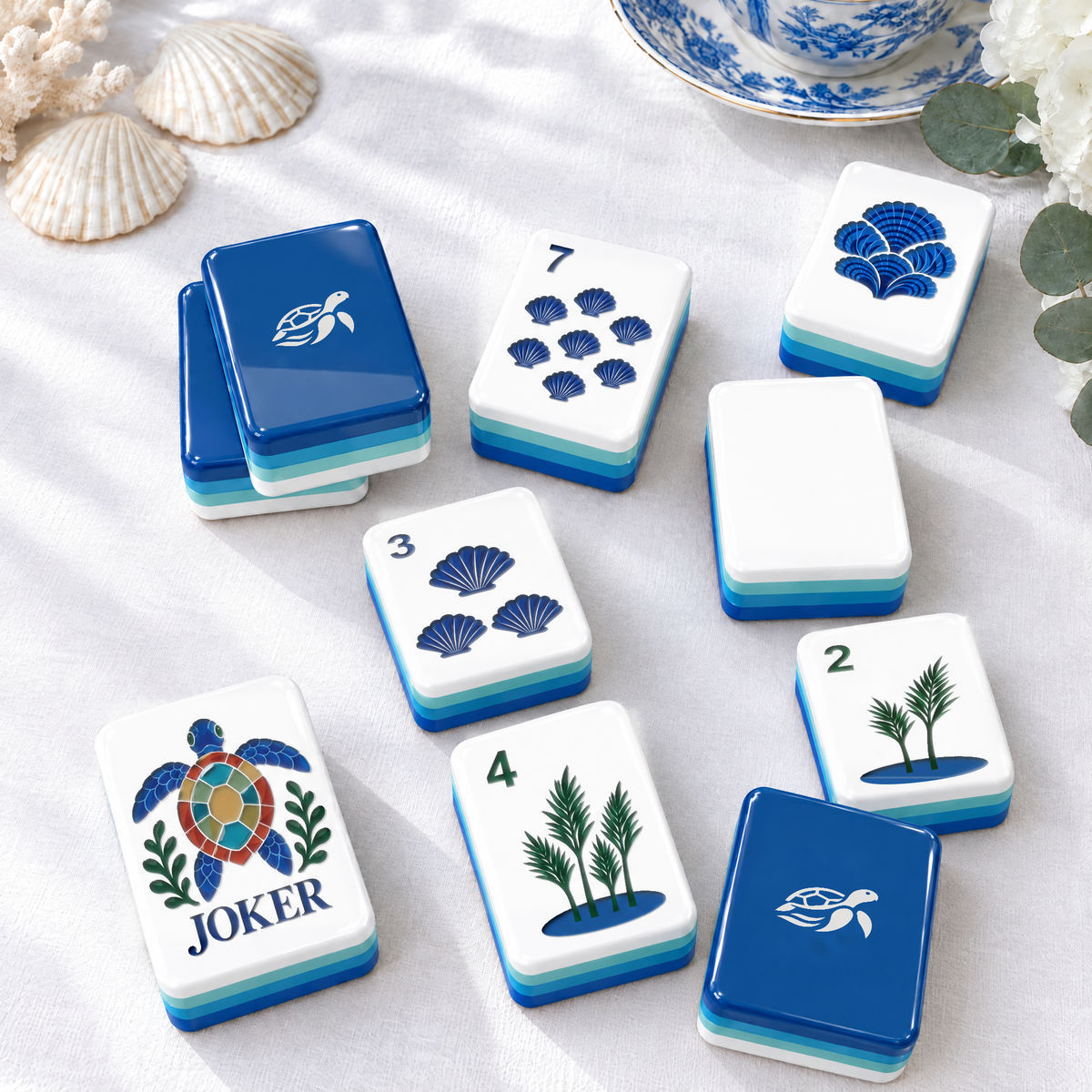
Tennessee mahjong tournaments are held year-round at community centers, public libraries, synagogues, and country clubs, primarily using American mahjong rules and the current National Mah Jongg League card. Most tournaments run as single-day or multi-week round-robin events with entry fees that vary by organizer. To locate tournaments, contact your local library or community recreation department, search Meetup boards for "mahjong" + your city name, and call Jewish community centers—they often host or know of regular games. Tournaments typically require familiarity with how to play American mahjong, a 152-tile set, and knowledge of the current card. Mahstead's best-selling mahjong sets come tournament-ready with all tiles and jokers needed for competitive play. 🀄 Shop best-selling mahjong sets →
Where do Tennessee mahjong tournaments happen?
Community centers, public libraries, and Jewish community centers (JCC) throughout Tennessee host mahjong tournaments. Most cities—Nashville, Memphis, Knoxville, Chattanooga, and Clarksville—have at least one regular host. Some tournaments rotate between venues each season. Call ahead to confirm dates and whether beginner-friendly options exist. Entry is usually open to members and guests.

How do I find an active tournament near me?
Start with your city's community recreation department website or call directly. Libraries often post game schedules; ask at the desk for "mahjong club" contacts. Meetup.com and local Facebook groups for "Tennessee mahjong" or city-specific game groups surface regular players and tournaments. Synagogues and country clubs sometimes advertise events; a quick phone call gets you on their mailing list. Most organizers welcome newcomers at casual sessions before tournament play.
What skill level do I need before entering?
Most tournaments require you to understand hand-reading, the Charleston passing ritual, and how to call and discard safely. Beginner tournaments teach these during sessions; competitive tournaments assume you know basic American mahjong and can track the current card. Attend 3–5 practice games with a regular group before entering; ask the organizer if beginner brackets exist. Never enter your first tournament cold—one losing session teaches expensive lessons about tile play.
What equipment do tournament organizers provide—and what do you bring?
Most tournaments supply tiles, mats, and racks for table play; a few ask players to bring personal sets (confirm when registering). You always bring your current National Mah Jongg League card (free at registration or buy one from the league online). Wear a watch to track draw times. Bring a pencil and paper for scoring notes. Many players carry a personal set in a travel bag or case for backup if a venue set has missing tiles—a lifesaver at multi-day tournaments.

How is scoring handled, and do I need special gear?
Scoring follows the National Mah Jongg League point system; organizers announce scores aloud and post them on a sheet or whiteboard. You don't need special gear to score, but racks with pushers let you manage 13 tiles neatly during play, reducing errors and speeding up table rotation. A quality mat with clear discard rows also cuts mistakes—many serious players bring their own mat to tournaments for consistency. Organizing your tiles clearly prevents misreads that cost points or cause slow play.
Prep Step | What It Includes | Why It Matters |
Learn the current card | Get the season's National Mah Jongg League card | Hands change yearly; old cards won't match play |
Practice hand-reading | Attend 3–5 casual games with experienced players | Tournament pace is faster; you'll read tiles under pressure |
Bring or acquire a set | Best-selling sets ship ready-to-play with all 152 tiles + jokers | Backup tiles prevent forfeit if venue set is incomplete |
Know scoring rules | Study American mahjong scoring before the first session | Disputes halt play; knowing rules prevents delays |
Organize your tiles | Use racks with pushers to display 13 tiles neatly | Clear organization speeds play and reduces calling errors |
🎁 See our most-loved mahjong sets & accessories →
What mistakes do first-time tournament players make?
New players often arrive without the current card, misread hands under time pressure, or take too long drawing and discarding—slowing the entire table. Some mistakenly believe jokers can replace any tile in a pair (they cannot; jokers work only in exposed pungs, kongs, and longer groups). Others underestimate the Charleston and end up with weak starting hands they can't recover from. Arrive 15 minutes early, bring two copies of the card, watch one full round before playing, and ask an organizer to confirm your winning hand before you declare it.
Should I bring my own set or rely on the tournament venue's tiles?
Bring your own set. Venue sets wear out, develop mismatched tiles, or go missing between seasons—and you won't know until the first hand. A portable mahjong set in a travel case weighs little and gives you confidence that all 152 tiles and 8 jokers are exactly where you expect them. Many serious players carry two sets: one for practice at home and one as tournament backup. If the venue set fails mid-tournament, you're covered. If it's complete, you're still learning on familiar tiles—no surprises.
What's the typical cost to enter a Tennessee tournament?
Entry fees vary widely by organizer—community center tournaments often charge per-session, while multi-week league play may ask for a season flat fee or membership. Jewish community centers sometimes charge members a lower fee than guests. Ask the organizer for the exact amount and payment method when you register. Most tournaments are informal enough that fees stay low; the goal is covering table space and organizer time, not profit.
✨ Find your Mahstead set — free US shipping →
What to check before you buy a tournament-ready set
Tile count: Confirm the set includes all 152 playing tiles plus 8 jokers (never short on dragons, winds, or flowers).
Tile clarity: Stamps and engravings should be deep enough to read under tournament lighting without squinting.
Rack fit: If you're buying racks separately, test that your tiles sit level and don't slide; acrylic tiles grip slightly better than bamboo or bone.
Mat compatibility:Mats come in standard sizes; measure your table and confirm the mat leaves room for a discard row and player seating on all sides.
Case durability: If traveling to multi-venue tournaments, use a rigid case, not a cloth bag—tiles chip if bounced in a soft carrier.
Getting started: next steps
Find your nearest tournament: Call your city library or community center and ask for mahjong game schedules.
Get the current card: Purchase from the National Mah Jongg League or ask the tournament organizer for details.
Attend a practice game: Join an informal session at a library or club before entering a tournament.
Assemble your kit: Buy or borrow a complete mahjong set and a travel case if you're committing to regular play.
Register and play: Show up early, watch one round, then join the next table.

FAQ
Do Tennessee tournaments use American or Chinese mahjong rules?
Most Tennessee tournaments use American mahjong with the National Mah Jongg League card. A few informal groups play Riichi or Hong Kong variants—ask the organizer when you register to confirm the ruleset.
Can I play in a tournament if I've only played casually at home?
Yes, but attend 3–5 practice games with a regular club first. Tournament pace is faster and errors are visible. Casual play teaches you hand-reading; tournament play teaches you to read fast. One practice session at a venue is worth more than ten games at home.
What happens if I can't find a specific hand on the current card during play?
Raise your hand and ask the organizer to verify it. Tournament organizers carry reference cards or a league rulebook. If the hand isn't on the card, it doesn't win; you discard and play continues. This is why bringing your own card matters—you can verify before calling.
Do I need to own a mahjong set to enter a tournament?
No. Most tournaments provide sets. However, owning your own means you can practice at home, attend casual games, and have a backup if the venue set malfunctions. Many players find they play better on tiles they know.
Are there beginner or women-only tournaments in Tennessee?
Some venues offer beginner-level rounds or separate time slots; a few clubs organize women-only sessions. Call ahead to ask—organizers are usually happy to steer you to a welcoming group. Facebook groups and Meetup often list who hosts beginner-friendly events.
What's the difference between a league season and a drop-in tournament?
A league runs weekly or monthly for 8–12 weeks with cumulative scoring; you commit to multiple sessions. A drop-in or one-day tournament is a single event. Leagues build skill and community; tournaments test your play in one sitting. Many players do both.


View More
View More
View More
