
Bone and Bamboo vs. Wooden Mahjong Tiles: Which Material Is Right?
Last updated: Nov 23, 2026
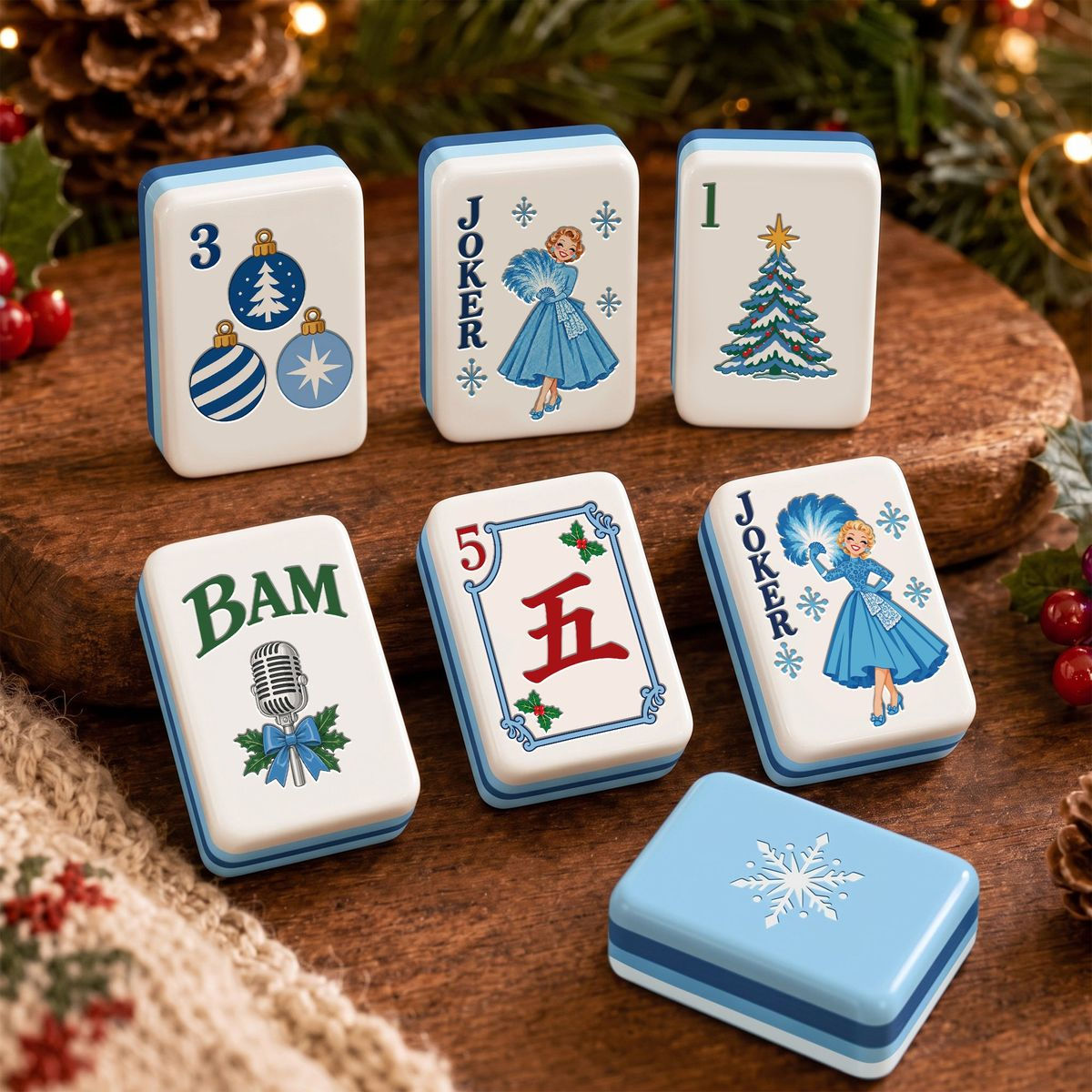
Bone-and-bamboo tiles are made from animal bone faces fused to bamboo bases, creating tiles that feel smooth, sound crisp when played, and age beautifully over years of weekly games. Wooden tiles (typically made from hardwood like rosewood or paulownia) offer a warmer aesthetic, lighter weight, and lower material cost, but require more care to prevent warping and discoloration. Both are found in engraved American mahjong sets and our best-selling collections. Bone-and-bamboo sets typically command higher prices due to labor-intensive hand-finishing; wooden sets are more affordable entry points. The choice depends on whether you prioritize tactile durability and prestige (bone-bamboo) or accessibility and aesthetic warmth (wood). Most casual players upgrading from plastic acrylic appreciate bone-and-bamboo's longevity; competitive players and daily hosts lean toward acrylic for consistency and ease. We recommend handling both in person before committing, as personal preference—how the tile feels in your hand, the sound it makes—matters as much as material science.
What makes bone-and-bamboo tiles feel different from wood?
Bone-and-bamboo tiles have a denser, heavier construction than wood. When you pick up a bone-and-bamboo tile, it has heft and a slight coolness that warms with your hand. The bone face delivers a smooth, almost glassy surface; bamboo backing provides flex and resonance. When tiles collide during the discard pile or when drawn, bone-and-bamboo produces a higher, cleaner clack—a sound experienced players associate with serious, quality play. Wooden tiles feel warmer and lighter; their softer surface absorbs impact, muting the clack. For weekly game hosts, the acoustic feedback of bone-and-bamboo tiles reinforces ritual and attentiveness; wooden tiles create a gentler soundscape. Neither affects hand ranking or scoring—it's purely sensory and psychological.
🀄 Shop best-selling mahjong sets →

How long do bone-and-bamboo tiles last compared to wood?
Bone-and-bamboo tiles are built to outlast decades of weekly play without visible wear, assuming they stay in a stable environment (no extreme humidity swings, no direct sunlight for years). The bone face resists scratching; the bamboo backing rarely splinters or warps. Wooden tiles, especially softer varieties, are prone to denting, staining from drink spills, and warping if humidity shifts abruptly (typical in basements or near windows). A wooden set might show visible aging within 5–10 years of heavy weekly play; bone-and-bamboo sets from the 1950s still play like new. This longevity justifies the higher upfront investment for groups who see themselves playing together for years. If you host or rotate hosting duties, bone-and-bamboo becomes cost-effective over time—one set lasts longer than replacing two wooden sets.
Which material is easier to maintain and store?
Bone-and-bamboo tiles need minimal care: wipe them dry after play, store in a cool, dry place, and they're done. They resist humidity, temperature shifts, and age stains gracefully. Wooden tiles require more attention. After each session, dry them thoroughly—moisture is their enemy. Store them in a travel bag or case with moisture control and keep them away from heating vents and direct sun. Softwood varieties (like paulownia) stain easily; a splash of coffee or tea may mark them permanently. If you live in a humid climate or play outdoors seasonally, wooden tiles demand vigilance. Bone-and-bamboo is forgive-and-forget; wood rewards careful hosting. For groups that travel or shift venues often, bone-and-bamboo is the low-maintenance choice.

Does material really affect how the game plays?
No—tile material does not change hand rankings, scoring, or rule mechanics. A winning hand in American mahjong is identical whether your tiles are bone-and-bamboo, wood, or acrylic. However, material affects how you play. Heavier bone-and-bamboo tiles slow you down slightly—you draw and discard with deliberation, not speed. Wooden tiles encourage a lighter, quicker feel. Beginners often find acrylic easiest to manage; intermediate players benefit from bone-and-bamboo's weight and tactile feedback, which reinforces tile recognition and hand-building muscle memory. Competitive players notice that bone-and-bamboo's consistent mass distribution (each tile weighs the same) means fairer draws—no tile is so light it sticks to another. For weekly home games, the difference is negligible; for teaching or tournament play, bone-and-bamboo's precision matters. Material doesn't change the game, but it shapes the experience.
How do price, availability, and aesthetic affect your choice?
Material | Who It's For | Durability | Maintenance | Best For |
Bone-and-Bamboo | Serious weekly players, long-term hosts, collectors | 20+ years of weekly play | Minimal—wipe and store | Groups committed 5+ years, investment-minded players |
Wood (Hardwood) | Casual players, gift-givers, aesthetic preference | 5–10 years with care | Regular drying, humidity control | Occasional players, warm home aesthetic, budget-conscious |
Acrylic | Beginners, high-traffic venues, travel | 5–15 years depending on use | Zero—just rinse | New players, outdoor games, durable carry sets |
Bone-and-bamboo sets are premium-positioned and have longer lead times due to hand-finishing; wooden sets are readily available in many design themes. Acrylic sets from our best-selling collection are stocked and ship fast. Aesthetically, bone-and-bamboo conveys heritage and seriousness—ideal for gifts to lifelong players or as a house set that will become family history. Wood offers visual warmth and fits modern, minimalist, or rustic décor. If you have a dedicated game room, bone-and-bamboo becomes the focal point; if you rotate venues or play casually, acrylic or wood serves you better. Budget matters: wood costs less initially, but bone-and-bamboo has a lower lifetime cost-per-use.
What to check before you buy
Climate and storage: If you live in a humid area (coastal, tropical, basement-heavy regions), bone-and-bamboo is safer; wood may warp. Ask the seller about the wood variety (hardwood vs. softwood).
Engraving and customization: Engraved tiles in bone-and-bamboo are beautiful but take longer to produce. Wooden engraved sets have a different aesthetic—the grain shows through, making engravings warmer but less crisp. Acrylic engraving is sharper and fastest to ship.
Weight preference: Handle a tile if possible. If heavy feels premium to you, bone-and-bamboo wins. If light and quick feels right, wood or acrylic is better.
Long-term commitment: Are you buying for one season or ten? Bone-and-bamboo pays for itself; wood is fine for 5 years. Acrylic is ideal if you're unsure.
Extras and accessories: Racks with pushers and mats pair beautifully with bone-and-bamboo tiles and protect your play surface. Wooden sets benefit from a padded bag or case for humidity and impact protection.
🎁 See our most-loved mahjong sets & accessories →
Real-world decision framework
Ask yourself these three questions in order:
How long will this group play together? If less than 2 years, acrylic or wood is fine. If 5+ years or open-ended, bone-and-bamboo becomes the wise choice.
What's your climate and where do tiles live? Stable, cool, dry room? Bone-and-bamboo. Humid basement, or tiles travel? Acrylic is most forgiving; wood is risky.
Do you value prestige, warmth, or cost-ease most? Prestige + heirloom = bone-and-bamboo. Warmth + visual beauty = wood. Cost-ease + durability = acrylic.
If your group plays weekly in one climate-controlled home, bone-and-bamboo wins. If you host rotating venues or play seasonally, acrylic from our best-selling collection is the practical answer. If you want your game room to look luxurious and you're willing to care for wood, go wood—just commit to the maintenance routine.
✨ Find your Mahstead set — free US shipping →

FAQ
Can I mix bone-and-bamboo tiles with wooden or acrylic tiles in one set?
No. Mixing materials creates weight and draw imbalances that affect fairness and feel. Always keep one set together. If you own multiple sets, keep each material pure. We recommend one primary set and one backup in the same material.
Do bone-and-bamboo tiles yellow or discolor over time?
Bone naturally yellows slightly with age and sunlight exposure—this is patina, not damage, and many players treasure the look. Bamboo backing may darken slightly. If you want your tiles to stay pristine, store them in a case away from direct sun. Some players prefer the aged appearance.
Are wooden mahjong tiles made from specific tree types?
Common woods include rosewood (dense, warm), paulownia (light, prone to warping), and bamboo-core wood blends. We recommend asking the seller which wood variety they use, as softwoods warp more easily than hardwoods. Hardwood wooden sets are more durable than paulownia.
If I'm a beginner, should I buy bone-and-bamboo or start with acrylic?
Start with acrylic. Bone-and-bamboo is an upgrade after you've played weekly for 2–3 months and know you'll continue. Acrylic has no learning curve; you focus on learning to read the card and hand patterns without worrying about tile care. Upgrade later when the tiles feel too lightweight or you join a weekly group.
How do I know if a wooden tile is warping?
Tiles should stack flat and fit snugly in a rack with pushers. If they rock, bow, or have visible cupping (curved top surface), the wood has warped. Warped tiles don't draw cleanly from a wall. If you notice this, store them flat in a dry place for a month; minor warping sometimes reverses. Severe warping is permanent—the tile must be replaced.
Can I use the same bone-and-bamboo tiles outdoors in summer?
Yes, but return them indoors afterward. Bone-and-bamboo handles temperature and humidity swings better than wood, but extreme sun exposure over months yellows the bone. A covered patio or shaded garden is fine; full direct sun for hours, repeatedly, will fade and age the tiles faster than normal play. Store indoors in a case between games.


View More
View More
View More
